So You Stole a Masterpiece. Now What?
The strange afterlife of stolen art—and why a $50 million painting can sometimes be worth very little to the person who stole it.
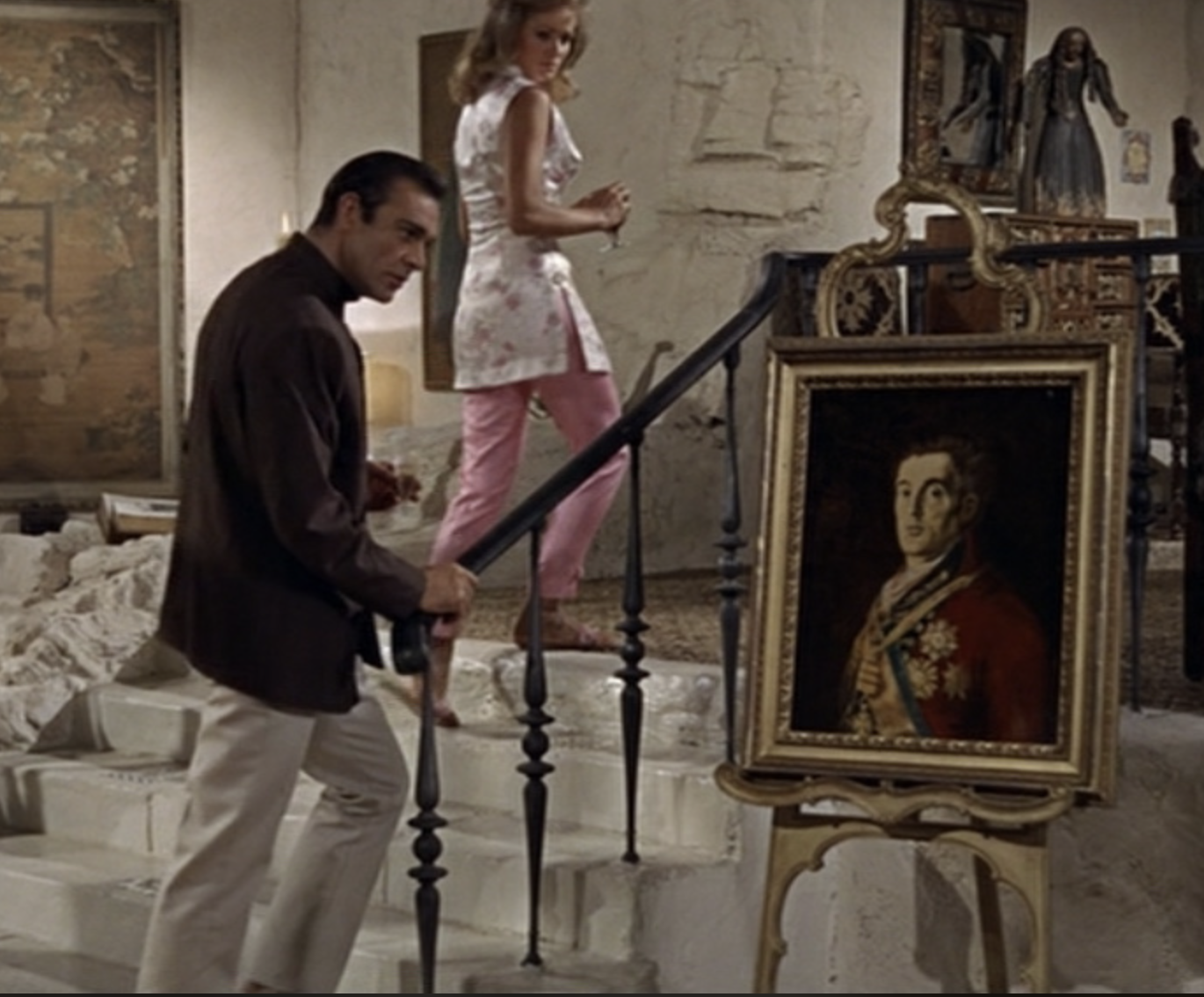
Stealing a famous painting is one thing. Figuring out what to do with it afterward is another. Unlike a stolen car or a diamond, a major artwork can be almost impossible to sell. A recognizable masterpiece can't simply be taken to Sotheby's, listed online, or hung above the fireplace. The more famous the painting, the more people are looking for it. So what happens to stolen art? Sometimes it becomes collateral. In the case of criminal Gabor Eordogh, a stolen painting allegedly became the centerpiece of an elaborate attempt to obtain a multimillion-dollar bank loan. Eordogh arranged fake authentication and appraisal documents and attempted to insure the painting for $75 million. The masterpiece couldn't safely be sold, so the alleged plan was essentially to turn it into a very expensive, very illegal piggy bank. Sometimes stolen art becomes ransom. After the 1972 robbery at Montreal's Museum of Fine Arts, thieves reportedly contacted the museum and demanded money for the return of some of the stolen works. The paintings weren't being offered to a collector at all. They were hostages. And sometimes the art becomes criminal currency. Stolen L.S. Lowry paintings have reportedly been believed to circulate within criminal networks as collateral and currency in connection with drug trafficking. A painting that might be worth millions at auction can acquire an entirely different kind of value when passed from one criminal to another. It doesn't have to be sold legitimately to be useful. There is also the particularly strange possibility of using stolen artwork as leverage. Criminals who know where missing masterpieces are hidden can potentially offer information about their location in exchange for leniency or consideration from authorities. In some cases, the location of a stolen object can become almost as valuable as the object itself. A masterpiece can effectively become a kind of get-out-of-jail card—although whether prosecutors are willing to play along depends entirely on the circumstances. And then there is Hollywood. Movies love the idea of the wealthy criminal mastermind with a secret mansion containing a private gallery of stolen Vermeers, Rembrandts and Picassos. Think Dr. No. The reality is considerably less glamorous. A famous stolen painting is an incredibly awkward thing to own. You can't insure it. You can't lend it to a museum. You can't invite your friends over and tell them where you got it. And you certainly can't sell it through a respectable auction house without risking immediate detection. That's why the Hollywood fantasy of a billionaire criminal quietly assembling a magnificent collection of stolen masterpieces is largely just that—a fantasy. The real criminal value of stolen art is often found somewhere else: ransom, collateral, leverage, barter, or information. The Isabella Stewart Gardner Museum heist may be the ultimate example. In 1990, thirteen works disappeared from the Boston museum, including a Vermeer, Rembrandts and a Manet. More than three decades later, none of the major works has resurfaced. One possible explanation is that the paintings became too hot to handle almost immediately. Their images have been circulated around the world, the FBI has investigated countless leads, and the museum continues to offer a massive reward for information leading to their recovery. In other words, the thieves may have discovered the ultimate art-crime paradox: the more valuable and famous the painting, the less useful it becomes once it's stolen. A Vermeer isn't particularly helpful if you can't sell it, display it, insure it, or even show it to another criminal without risking exposure. Instead of becoming a fortune, a masterpiece can become an albatross around the thief's neck—an enormously valuable object that nobody can safely touch. Perhaps that's why the Gardner paintings have remained missing for so long. They may not have been successfully sold at all. They may simply have passed into the shadows, hidden away because every person who possesses them knows exactly what they are—and exactly how much trouble they could cause. Of course, sometimes criminals simply try to sell the paintings. The theft of the Winston Churchill portrait by Yousuf Karsh from Ottawa's Château Laurier is a good example. The thief replaced the original with a copy and eventually sold the genuine photograph through an auction house. It worked for a while—but eventually the substitution was discovered and the portrait was recovered. The great irony is that the more famous the artwork, the harder it becomes to profit from it. A stolen $50 million painting isn't necessarily a $50 million asset anymore. It may instead be a remarkably inconvenient piece of evidence that happens to be sitting in your basement. Which raises the strangest question in art crime: You stole a masterpiece. Now where are you going to put it?