People
Artists, thieves, forgers, investigators, dealers, and the figures — culpable or not — who shaped these stories.
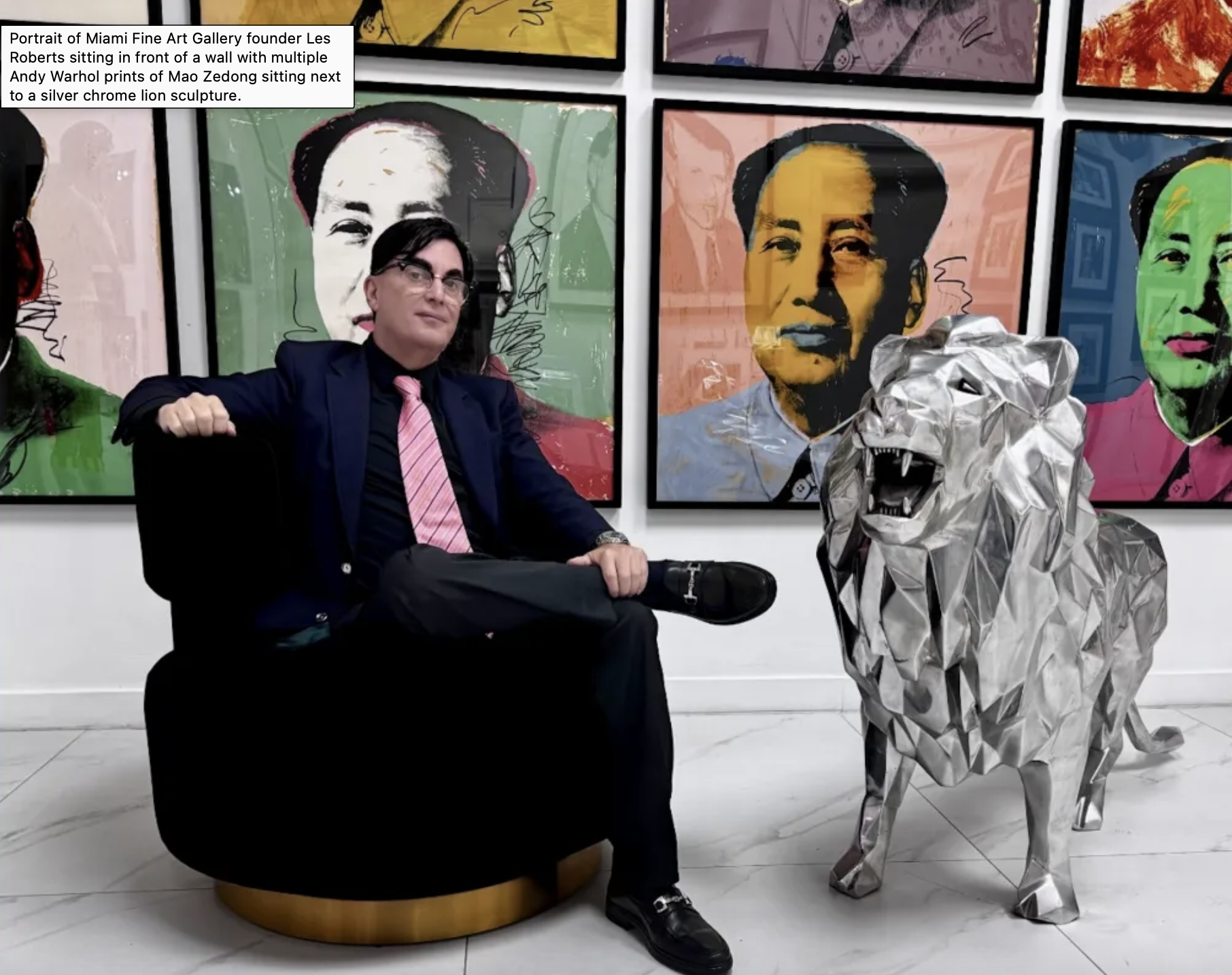
Leslie "Les" Roberts: The Art Dealer Who Just Kept Faking It
A long history of fraud, forged art, and reinvented galleries now intersects with the FBI investigation surrounding Dane Fine Art. For Leslie “Les” Roberts, the art business has apparently never been short on drama. Roberts built a career selling works by some of the biggest names in modern and contemporary art. He also built a remarkably persistent relationship with the criminal justice system. His history includes financial fraud, forged artwork, fake certificates of authenticity, and repeated lawsuits from collectors. His first major fraud case came long before Warhol entered the picture. In his early twenties, Roberts worked as a stockbroker and managed an investment portfolio belonging to his great-uncle. According to The New York Times, Roberts made unauthorized transactions and convinced his uncle that an account worth millions had actually grown enormously when it had instead lost most of its value. He pleaded guilty to mail fraud and conspiracy and was sentenced to 15 years in prison. Years later, Roberts reinvented himself as an art dealer in Miami. His résumé included claims of studying at NYU and interning at Sotheby's; NYU later told Miami New Times that it had no record of Roberts attending the university. The art-world reinvention eventually produced another FBI case. Roberts operated Max in the Grove, presenting himself as a dealer specializing in Peter Max. Former FBI agent Robert Giczy became involved after a collector discovered that 13 of 17 Peter Max works, valued at approximately $635,000, appeared to have been replaced with fakes. Investigators eventually recovered more than 300 forged Max works. According to Giczy, Roberts's children helped produce the counterfeits, while fake certificates of authenticity were manufactured at the gallery. Roberts eventually pleaded guilty to mail fraud and was sentenced in 2015 to 22 months in prison. Then came Andy Warhol. In 2023, Florida collectors Richard and Judy Perlman encountered Roberts at his Miami gallery. According to their lawsuit, he told them he had a relationship with the Andy Warhol Foundation and could acquire works at below-market prices. The Perlmans ultimately say they spent more than $6.7 million on works represented as authentic Warhols. They later alleged that the works were forged. Federal prosecutors separately indicted Roberts in 2025, alleging that he sold forged Warhol works while falsely claiming that he had acquired them directly from the Warhol Foundation and supplied fraudulent invoices and authentication materials. Roberts later pleaded guilty to art-related wire fraud and is awaiting sentencing. And this is where the story connects directly to Dane Fine Art. The Perlmans' new lawsuit alleges that Roberts wasn't operating alone. It names Nathan “Nicky” Isen and his Pennsylvania gallery, Dane Fine Art, as part of an alleged pipeline supplying forged Warhol works. According to the complaint, Dane Fine Art supplied works and documentation that eventually reached Roberts's Miami operation, with the alleged network extending from Pennsylvania to Florida and Peru. Isen categorically denies wrongdoing and any connection to the alleged conspiracy. The timing is particularly interesting. The FBI searched Dane Fine Art in July 2026, describing the operation only as “court-authorized law enforcement activity.” The bureau has not publicly confirmed that the search was connected to the Perlman lawsuit. Isen, meanwhile, has his own history with federal authorities. He pleaded guilty in 2015 to money laundering after selling artwork for cash he understood to be proceeds from drug sales. He subsequently operated his Philadelphia gallery under the Dane Fine Art name. So Roberts and Dane Fine Art aren't simply two names that happen to appear in the same lawsuit. The current allegations describe something more interesting: a supply chain. One dealer allegedly provides the inventory, another provides the storefront and collectors, and authentication paperwork helps turn questionable objects into apparently legitimate works of art. That's what makes the current case worth watching. Roberts has already demonstrated how convincing a fake can become when it is surrounded by the right gallery, the right paperwork, and the right story. Now investigators are looking at whether some of the machinery behind that operation extended to Pennsylvania. For the moment, however, the allegations against Isen and Dane Fine Art remain just that—allegations. No charges have been announced against Isen in connection with the FBI searches, and he has denied wrongdoing. Still, there is something almost perfectly circular about the story: a dealer with a long history of art fraud allegedly finds another dealer willing to supply the merchandise, and the FBI eventually comes knocking on the supplier's door. Hot Tip: If you're art dealer looks too much Like WWE's Paul Bearer...RUN!
Voina
Russia's most notorious performance artists blurred the line between political protest, vandalism, and contemporary art
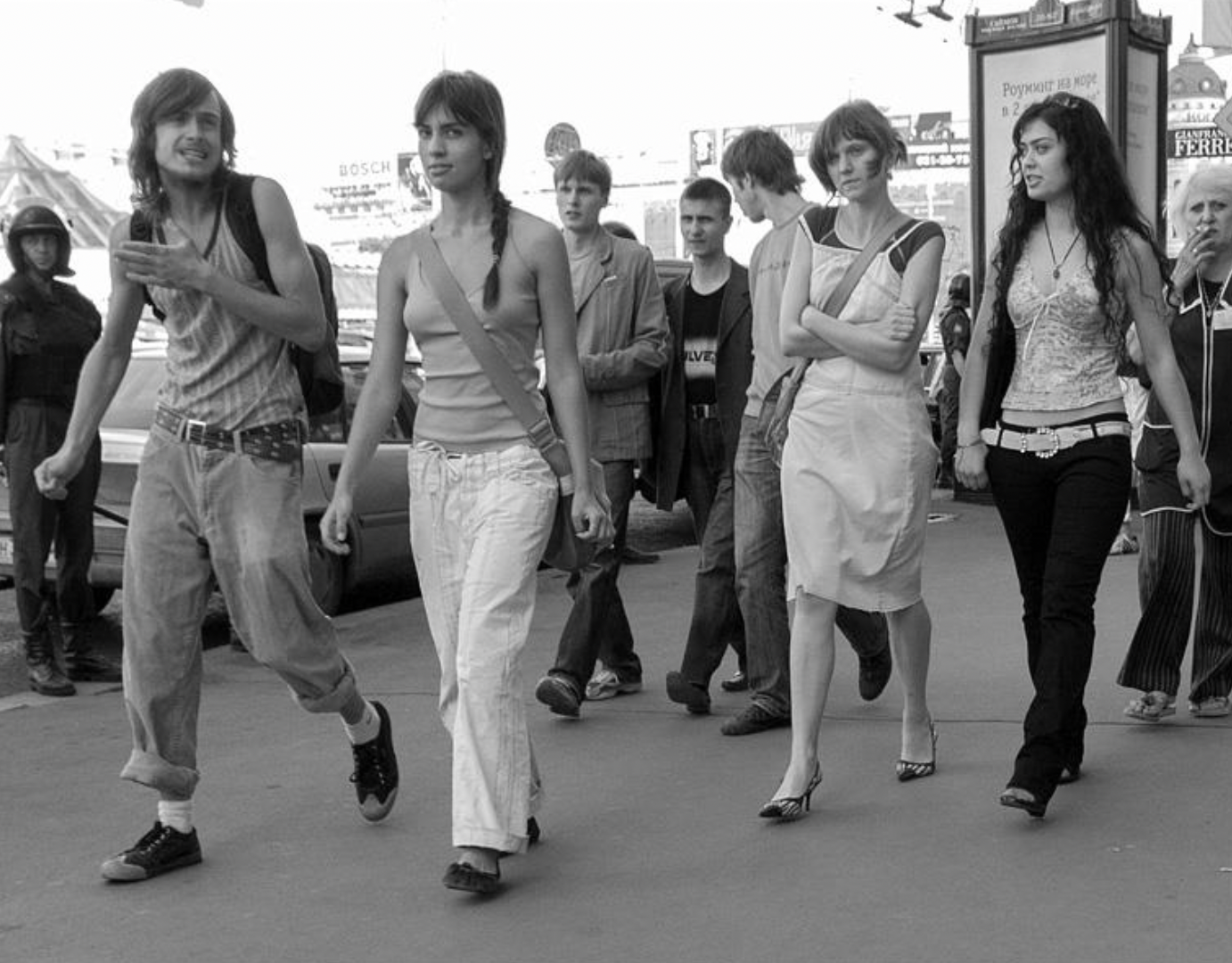
Few contemporary art groups have generated as much controversy—or as many criminal charges—as Voina ("War"), the Russian performance art collective founded in 2007. Part political activists, part conceptual artists, and part provocateurs, the group rejected galleries, museums, and the commercial art world in favor of disruptive public performances that challenged the authority of the Russian state. Voina believed that the artwork wasn't an object—it was the event itself. Their performances ranged from surreal pranks to acts of vandalism, often ending with arrests and international headlines. Among their most famous actions was Dick Captured by the FSB (2010), in which they painted a 65-meter phallus on a drawbridge in St. Petersburg. When the bridge opened, the image stood erect, pointing directly at the headquarters of Russia's Federal Security Service (FSB). The work became an instant symbol of artistic defiance and, remarkably, later won Russia's state-sponsored Innovation Prize for contemporary art. Other performances were even more confrontational. Members overturned police cars, staged mock executions, interrupted court proceedings with punk concerts, welded shut the doors of an elite restaurant, and organized provocative demonstrations criticizing corruption, police brutality, censorship, and political repression. More than a dozen criminal cases were eventually brought against members of the collective. The group's history also intersected with another famous activist collective. Nadezhda Tolokonnikova and Pyotr Verzilov were early members of Voina before splitting from the group in 2009. Two years later, Tolokonnikova co-founded Pussy Riot, whose anti-Putin protest inside Moscow's Cathedral of Christ the Saviour attracted worldwide attention. Their performances intentionally erased the boundary between art, activism, and crime, forcing audiences to confront uncomfortable questions about power, authority, and free expression. Voina demonstrated that in the twenty-first century, one of the most powerful canvases wasn't a museum wall—it was the street itself.
Hans-Joachim Bohlmann
Serial Vandal
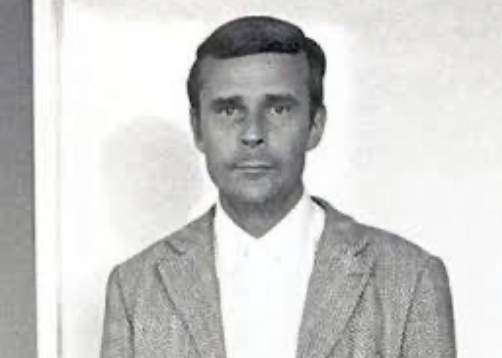
Between 1977 and 2006, the German serial vandal attacked more than 50 paintings, inflicting damage estimated at over 270 million Deutsche Marks (roughly €138 million). Armed not with knives or hammers, but bottles of concentrated sulfuric acid, he permanently scarred works by Rembrandt, Peter Paul Rubens, Albrecht Dürer, Lucas Cranach the Elder, and Paul Klee, becoming one of the most destructive figures in the history of museum crime. Bohlmann's life was marked by severe mental illness from adolescence. After years of psychiatric treatment—including electroshock therapy, heavy medication, and even a controversial lobotomy that failed to improve his condition—his life took a tragic turn in 1977 when his wife died after falling from a window while cleaning their apartment. Bohlmann later claimed her death triggered his attacks on art. Just days after the funeral, he purchased sulfuric acid and began targeting museums. His first museum victim was Paul Klee's Golden Fish at Hamburg's Kunsthalle. Within months, museums across Germany were on edge as he moved from city to city, spraying acid directly onto paintings. He frequently aimed at the faces of portraits, seeking to inflict the greatest possible damage. Among his most devastating attacks were acid assaults on Lucas Cranach the Elder's portraits of Martin Luther and Katharina von Bora, Rubens's Archduke Albrecht, several Rembrandts in Kassel, and in 1988, three masterpieces by Albrecht Dürer at Munich's Alte Pinakothek, causing an estimated €35 million in damage. Arrested repeatedly, Bohlmann served prison sentences and spent years in psychiatric hospitals, but each release was followed by new attacks. Even after authorities prohibited him from purchasing sulfuric acid, he turned to arson before eventually returning to museum vandalism. In a strange twist, Bohlmann participated in art therapy during his confinement, producing roughly 1,500 paintings over nine years. The treatment, however, did little to curb his destructive impulses. His final major attack came in 2006 at Amsterdam's Rijksmuseum, where he doused Bartholomeus van der Helst's monumental Banquet of the Amsterdam Civic Guard in Celebration of the Peace of Münster with lighter fluid and set it ablaze. Fortunately, most of the damage was confined to the painting's varnish layer, allowing conservators to restore the work. Unlike most criminals featured in art history, Bohlmann wasn't driven by money or prestige. He wanted recognition through destruction. Every attack generated headlines, reinforced his notoriety, and forced museums to confront an unsettling reality: one determined individual with a small bottle of acid could inflict damage that centuries of history could never fully repair.
Giacomo Medici
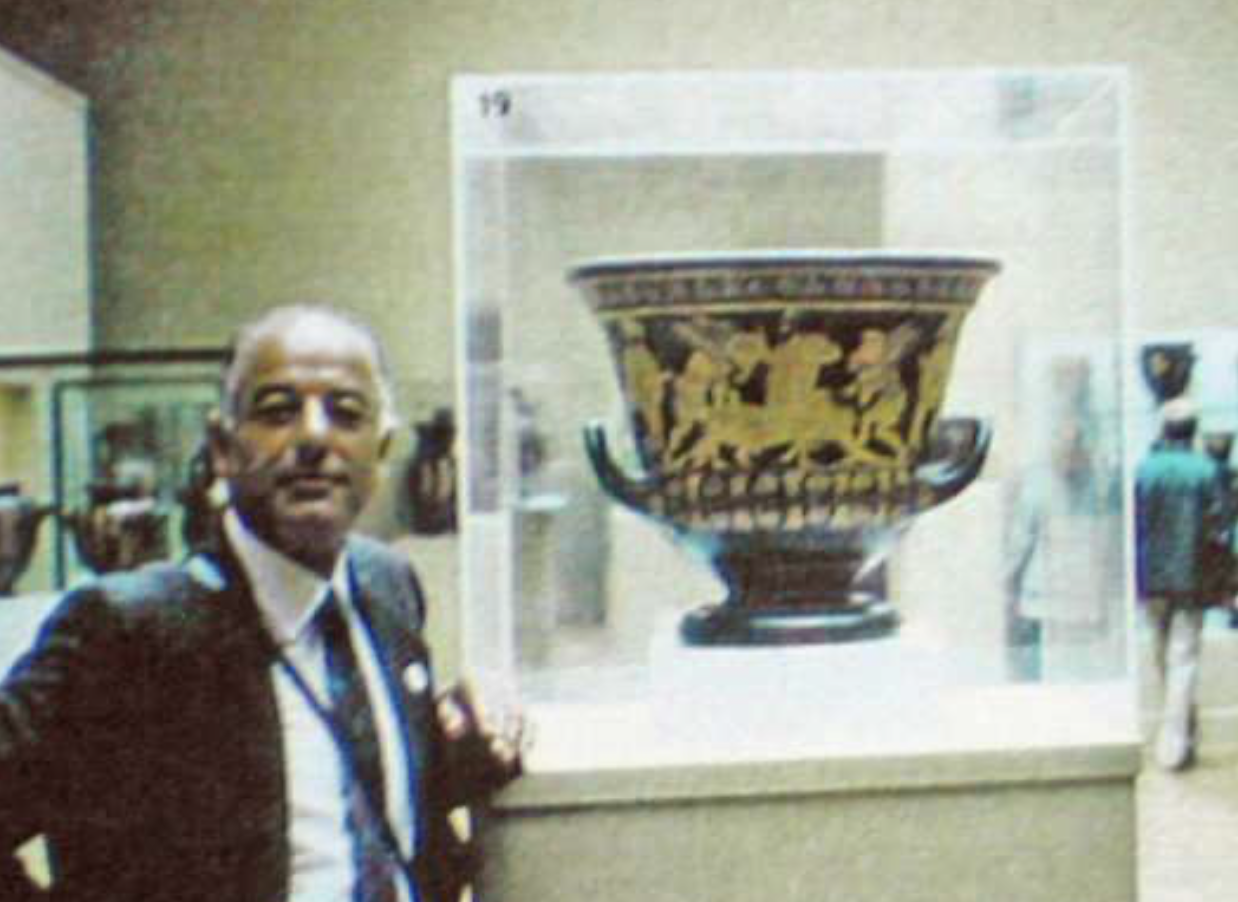
Italian antiquities dealer at the centre of the largest looted-antiquities network ever exposed. A 1995 raid on his rooms in the Geneva Freeport uncovered thousands of Polaroids documenting freshly looted objects — the 'Medici archive' that let investigators trace treasures to museums including the Getty and the Metropolitan Museum of Art. Convicted in Rome in 2004 of dealing in looted antiquities, he became the emblem of the illicit trade the Carabinieri spent decades dismantling. (Illustrative image: a red-figure krater of the type he trafficked.)
Robert Hecht
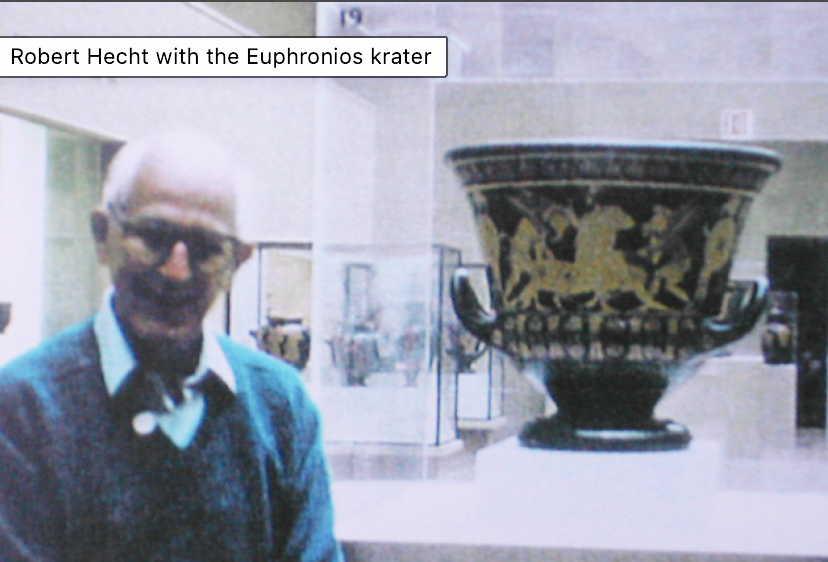
American antiquities dealer long suspected of being a linchpin of the illicit trade between Mediterranean tomb-robbers and the world's great museums. He sold the Euphronios krater to the Metropolitan Museum of Art in 1972 and was later tried in Italy alongside Giacomo Medici and Getty curator Marion True; the case against him lapsed on the statute of limitations before a verdict. He died in 2012. (image: Hecht and the Euphronios krater he sold to the Met.)
Elmyr de Hory
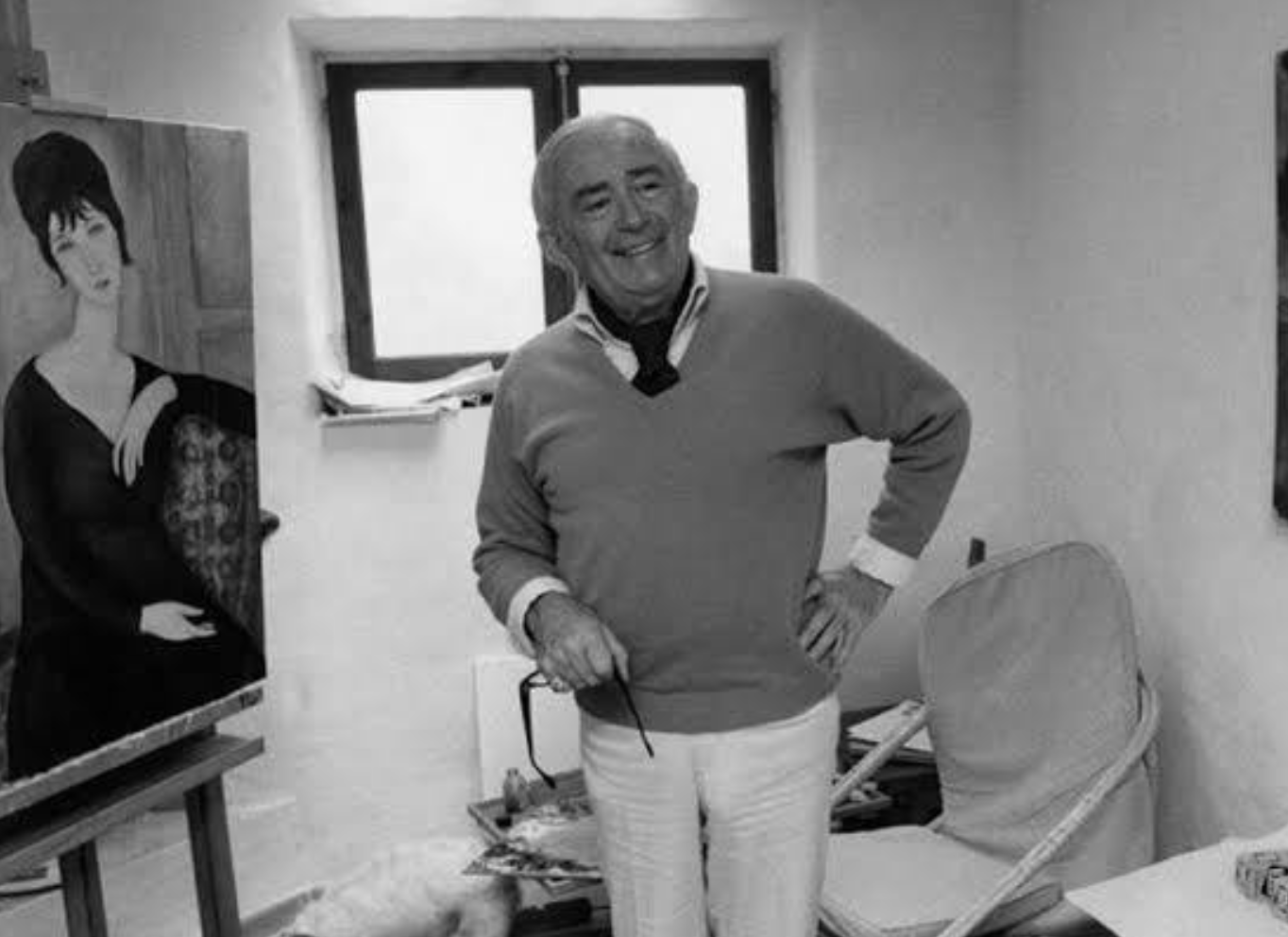
Hungarian-born painter who became one of the 20th century's most prolific art forgers, producing hundreds of works passed off as Picasso, Matisse, Modigliani, and other modern masters. His story, and the dealers who sold his fakes, was immortalised in Clifford Irving's book 'Fake!' and Orson Welles's film 'F for Fake'. Check out this documentary @ Great Documentaries YouTube: https://www.youtube.com/watch?v=zurHc4itBXg And this Trailer for Orson Welles' "F is For FAKE": https://www.youtube.com/watch?v=qUAwgt2Z-3Y
Eric Hebborn
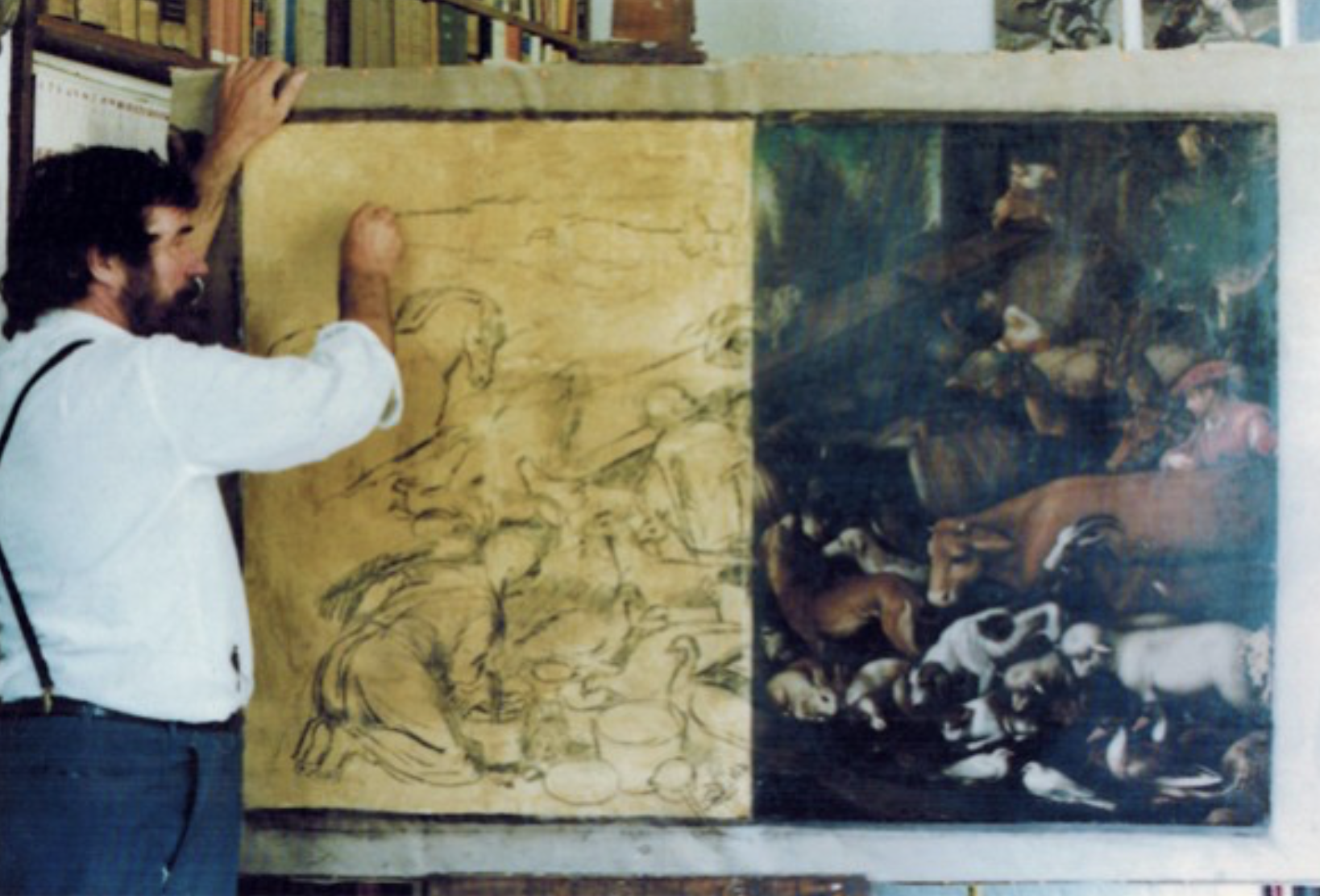
British painter and master forger of Old Master drawings who fooled leading experts and auction houses for decades. Unrepentant, he published 'The Art Forger's Handbook' detailing his techniques; he died in Rome in 1996 in still-unexplained circumstances shortly after its release.
Tom Keating
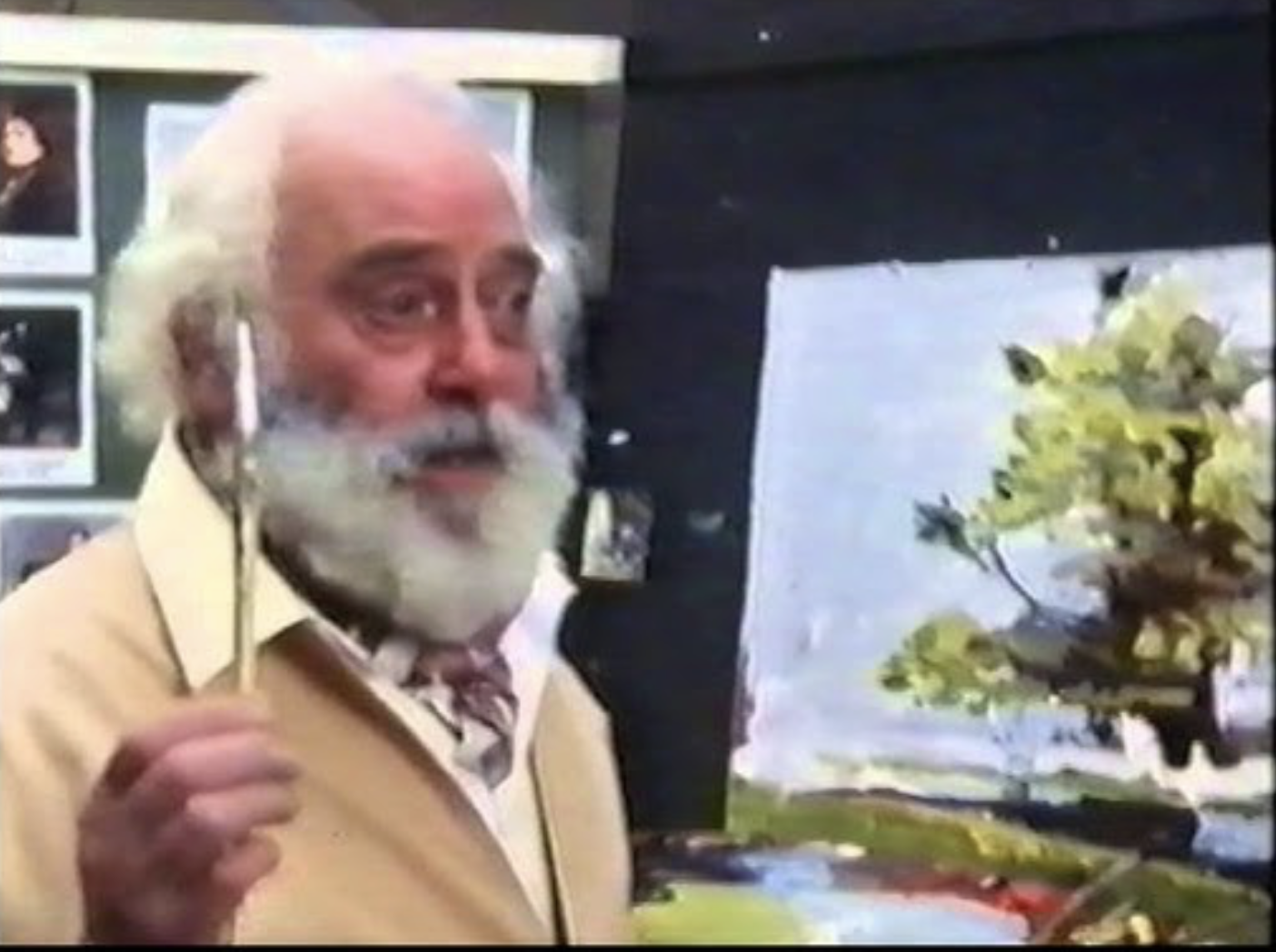
British art restorer who claimed to have faked more than 2,000 paintings by over 100 artists as a protest against a market that exploited artists. He planted deliberate 'time bombs' — anachronisms and hidden messages — in his fakes, and after his 1977 trial collapsed he became a popular television personality.
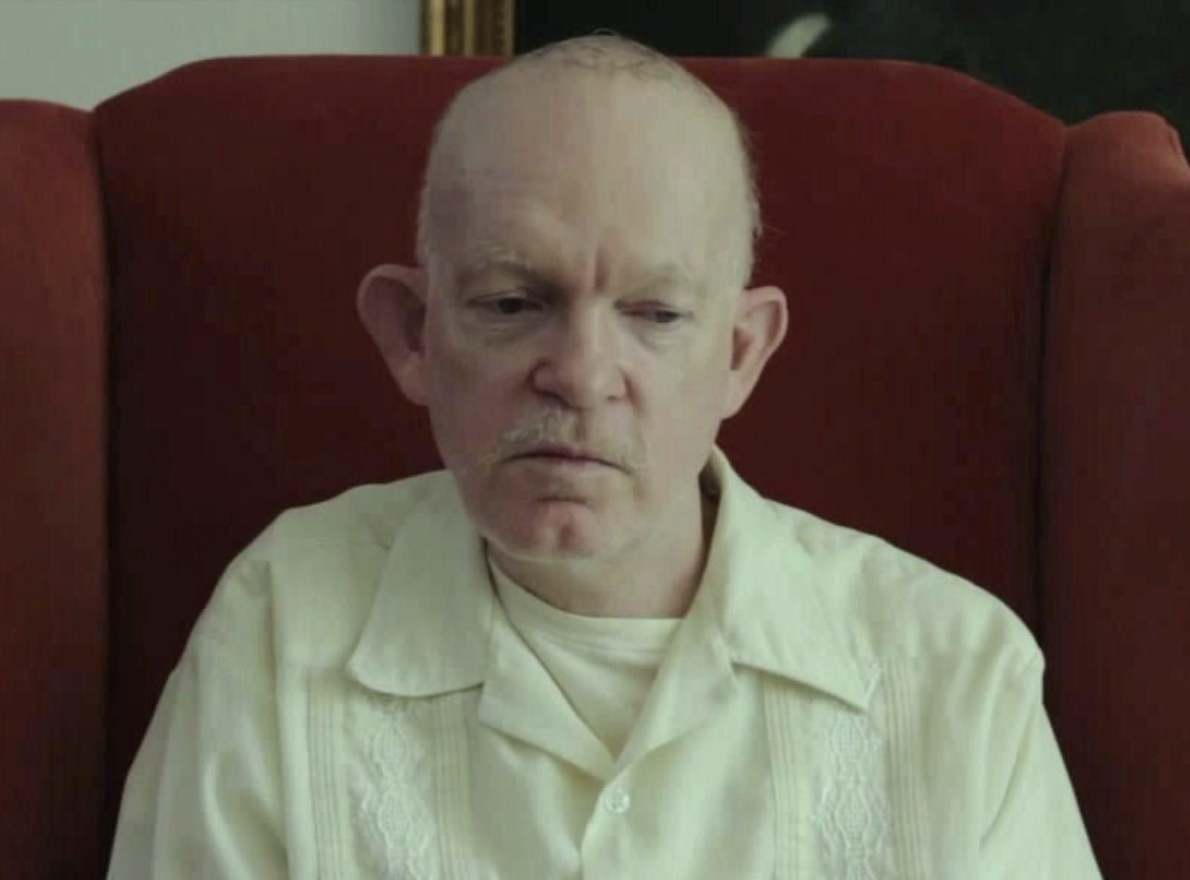
Mark Landis
American forger who, uniquely, never sold his fakes — he donated them to dozens of U.S. museums over three decades, sometimes posing as a priest. Because he took no money, he committed no clear crime, making him one of art forgery's strangest and most confounding figures. https://www.youtube.com/watch?v=zlp_7-YjtHg
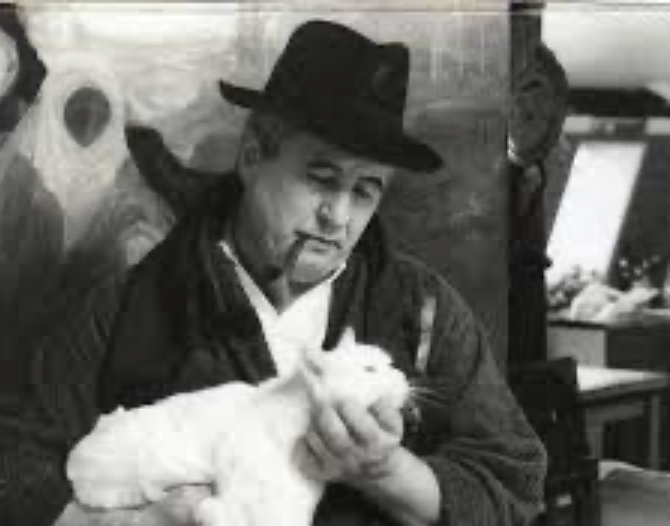
Guy Ribes
French forger who produced thousands of convincing fakes attributed to Chagall, Picasso, Renoir, Matisse, and others, many of which still circulate with false certificates. After serving prison time he went straight, later painting the on-screen artworks for the film 'Renoir'.
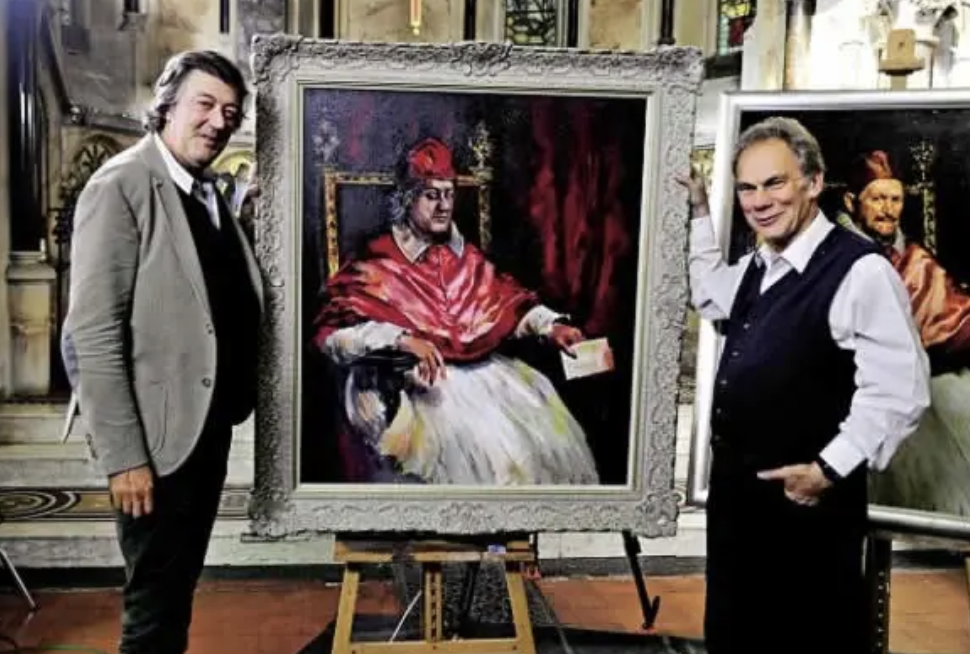
John Drewe
British con man behind one of the most damaging art frauds in history. Rather than forge paintings himself, he forged their provenance — infiltrating archives at the Tate and Victoria and Albert Museum to insert fake documents that authenticated works painted by John Myatt. He was convicted in 1999; many of the falsified records remain undetected.
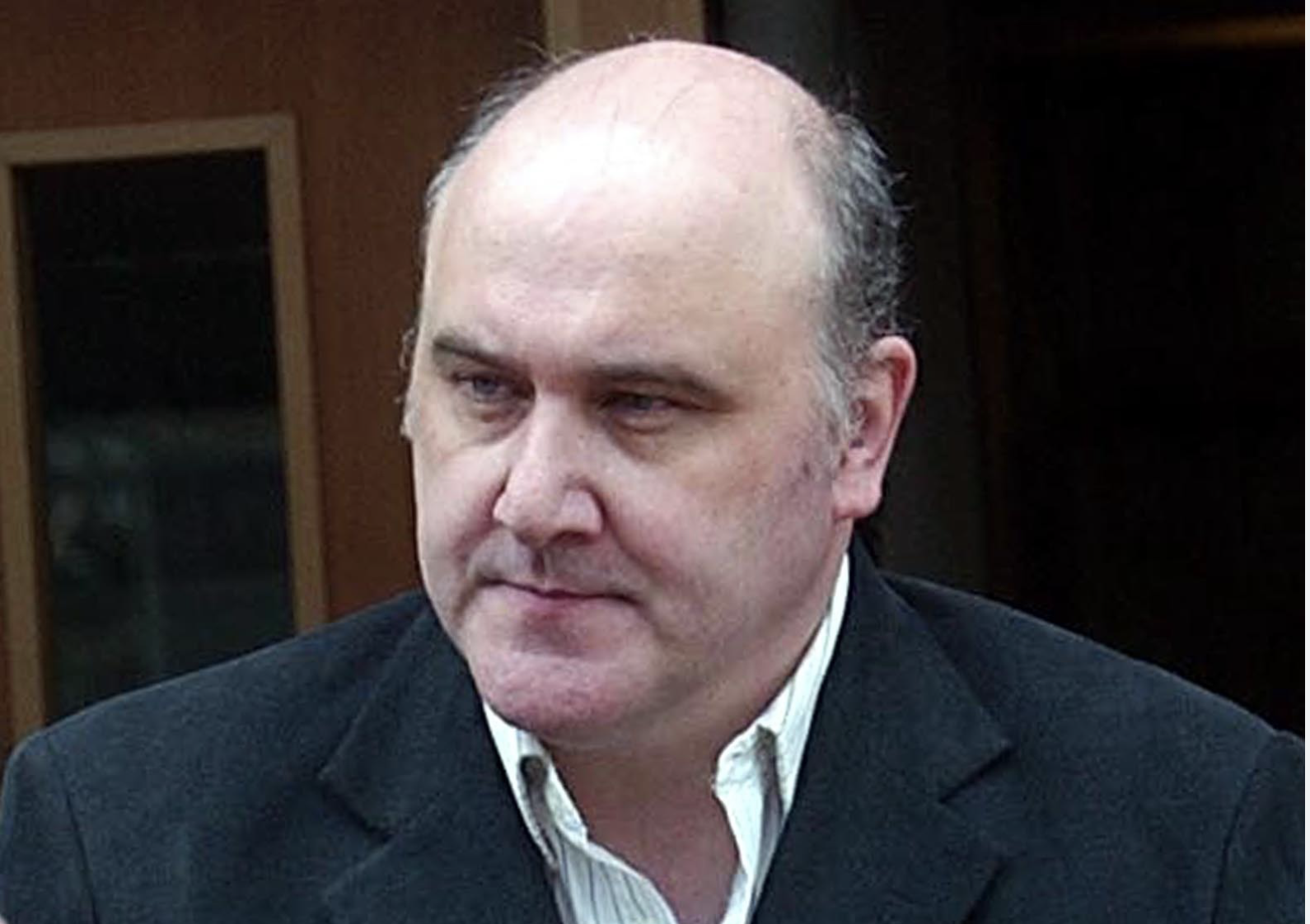
Shaun Greenhalgh
British forger at the centre of the 'Garden Shed' or Greenhalgh family fraud, who from a council house in Bolton produced fakes spanning 5,000 years — most famously the 'Amarna Princess' bought by Bolton Museum. Working with his elderly parents George and Olive, who handled sales and provenance, he was jailed in 2007.
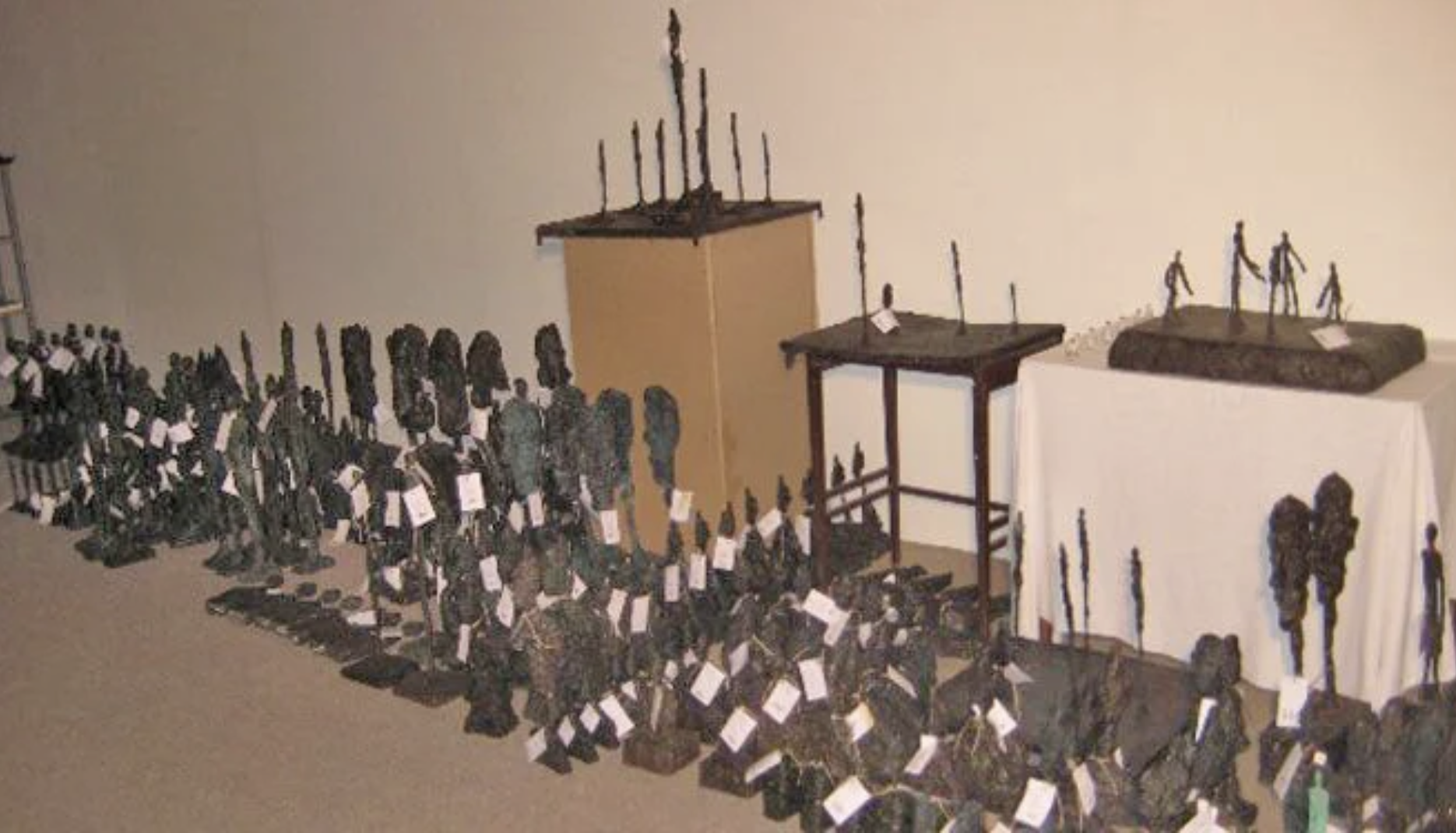
Robert Driessen
Got a thousand Giacometti's? "yup!"
Dutch forger who produced roughly a thousand fake Giacometti sculptures as part of a major German-run fraud ring uncovered in 2009. He later openly sold acknowledged 'forgeries' as legal replicas, insisting his skill rivalled the masters he copied.
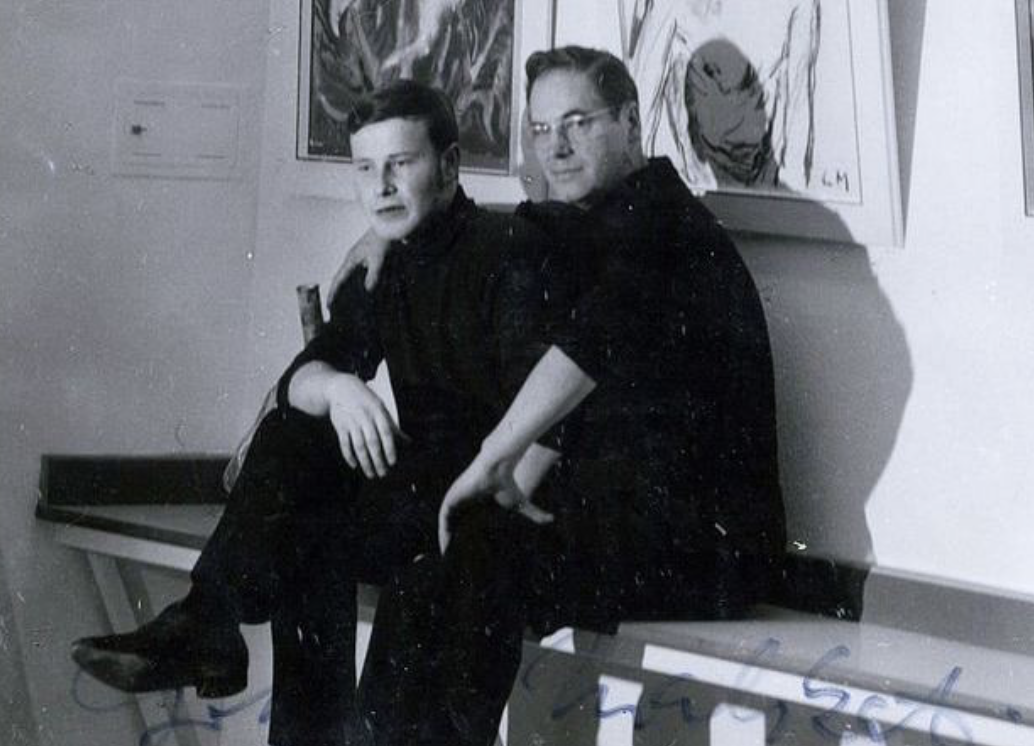
Lothar Malskat
What's that turkey doing in there!?
German restorer who, hired to restore medieval frescoes in Lübeck's Marienkirche after WWII, simply painted new 'medieval' murals himself — including turkeys, unknown in medieval Europe. He remarkably reported his own fraud, and the ensuing trial inspired Günter Grass's 'The Rat'.
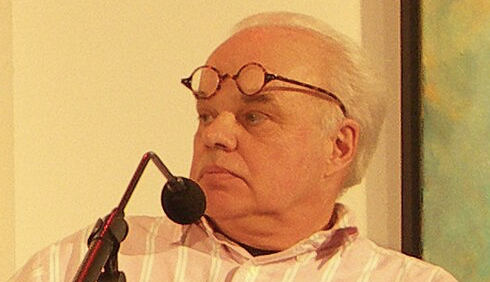
Geert Jan Jansen
Dutch forger who flooded the European market with fakes attributed to Karel Appel, Picasso, Matisse, and others — reportedly so convincing that Appel himself once authenticated a Jansen forgery. Arrested in France in 1994, he was released on a technicality and now sells signed 'Jansen' works openly.
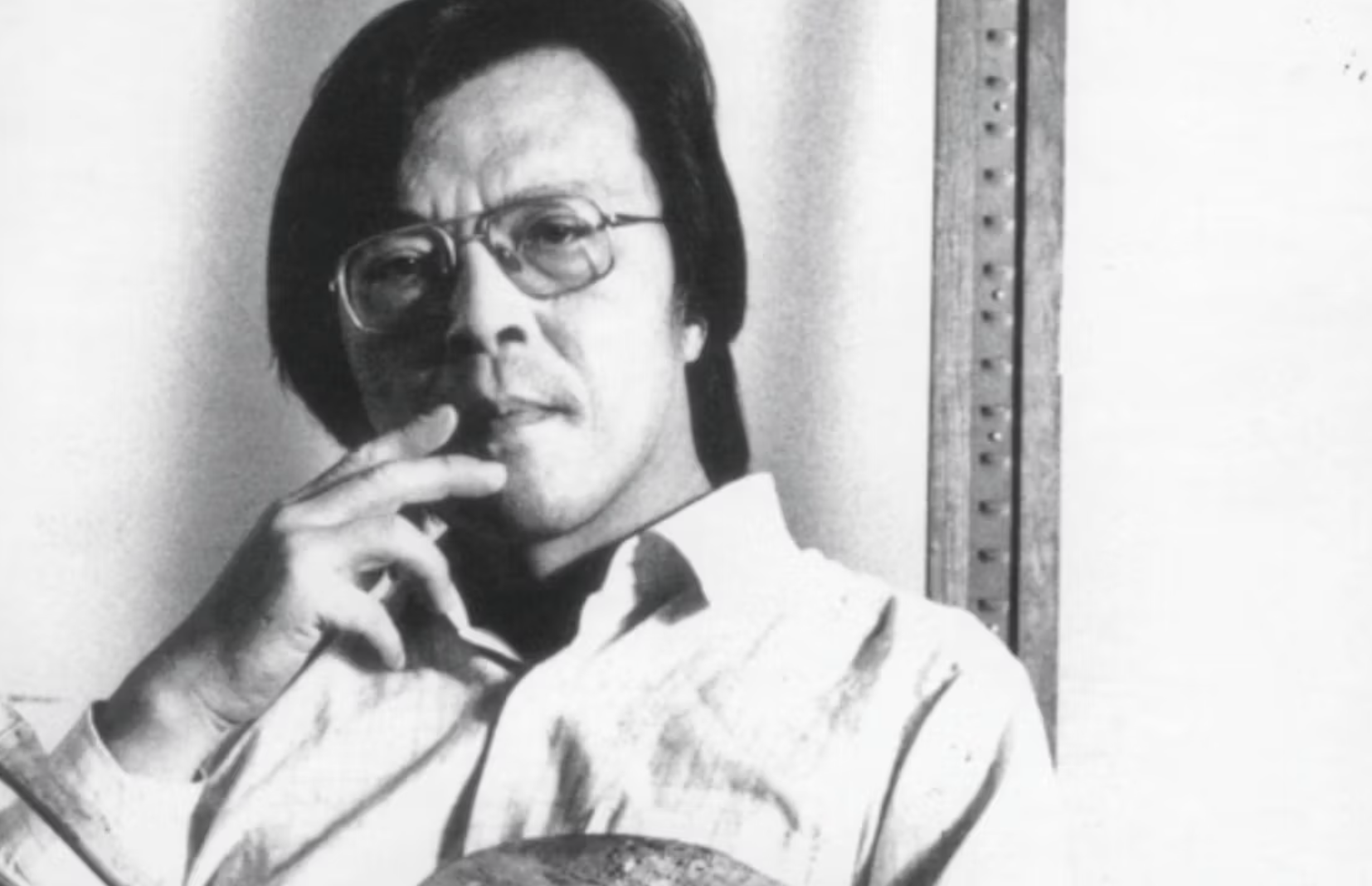
Pei-Shen Qian
Chinese-born painter in Queens who produced the fake Rothkos, Pollocks, and de Koonings at the heart of the Knoedler Gallery scandal — the fraud that toppled New York's oldest art gallery. Indicted in 2014, he fled to China, which does not extradite its citizens.
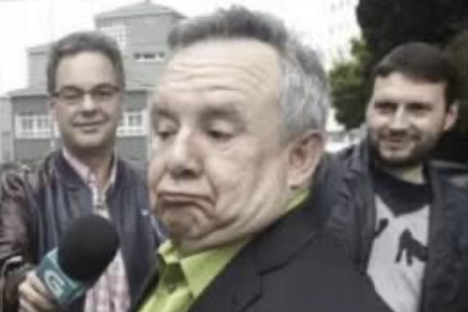
José Carlos Bergantiños Díaz
Spanish dealer who, with his partner Glafira Rosales and brother Jesús Ángel, orchestrated the Knoedler forgery scheme — sourcing Pei-Shen Qian's fakes and inventing a mysterious anonymous collector, 'Mr. X', as their provenance.
Jesús Ángel Bergantiños Díaz
Brother of José Carlos Bergantiños Díaz and a participant in the same Knoedler Gallery fraud, helping to age and distribute the fake Abstract Expressionist paintings that deceived collectors out of some $80 million.
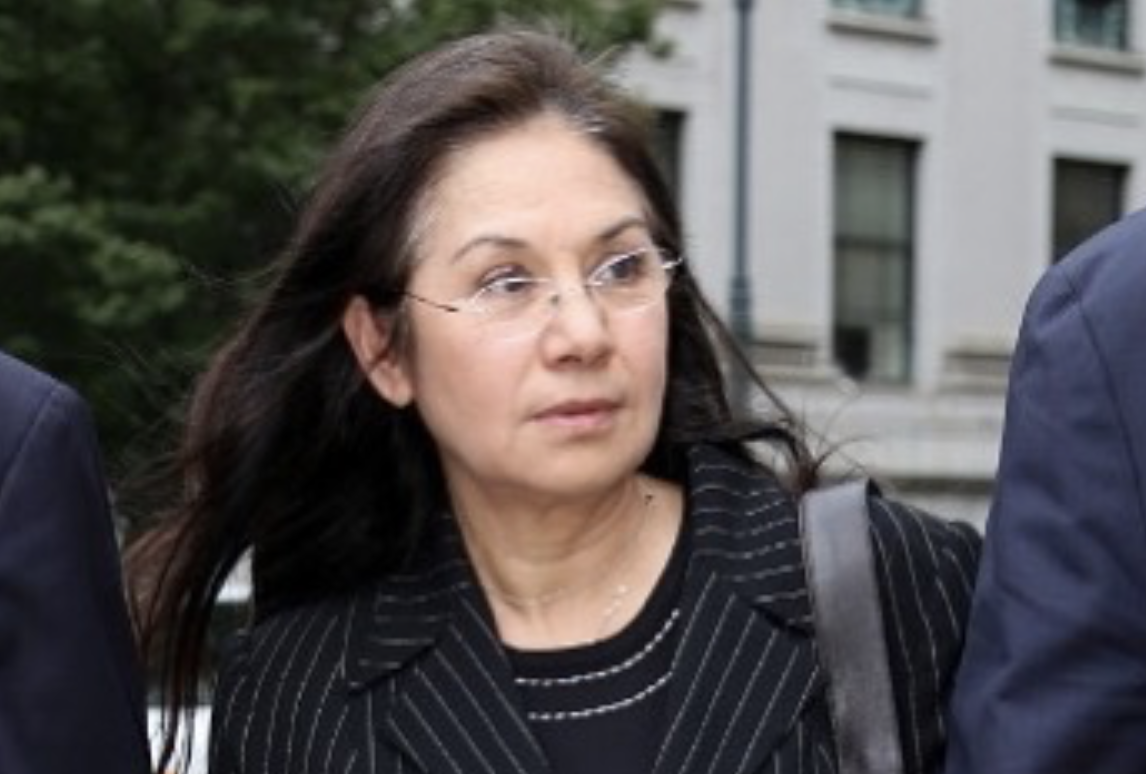
Glafira Rosales
Art dealer who supplied the Knoedler Gallery with dozens of forged Abstract Expressionist works painted by Pei-Shen Qian, backed by a fabricated story of a secret collector. She pleaded guilty in 2013 in a fraud totalling around $80 million.
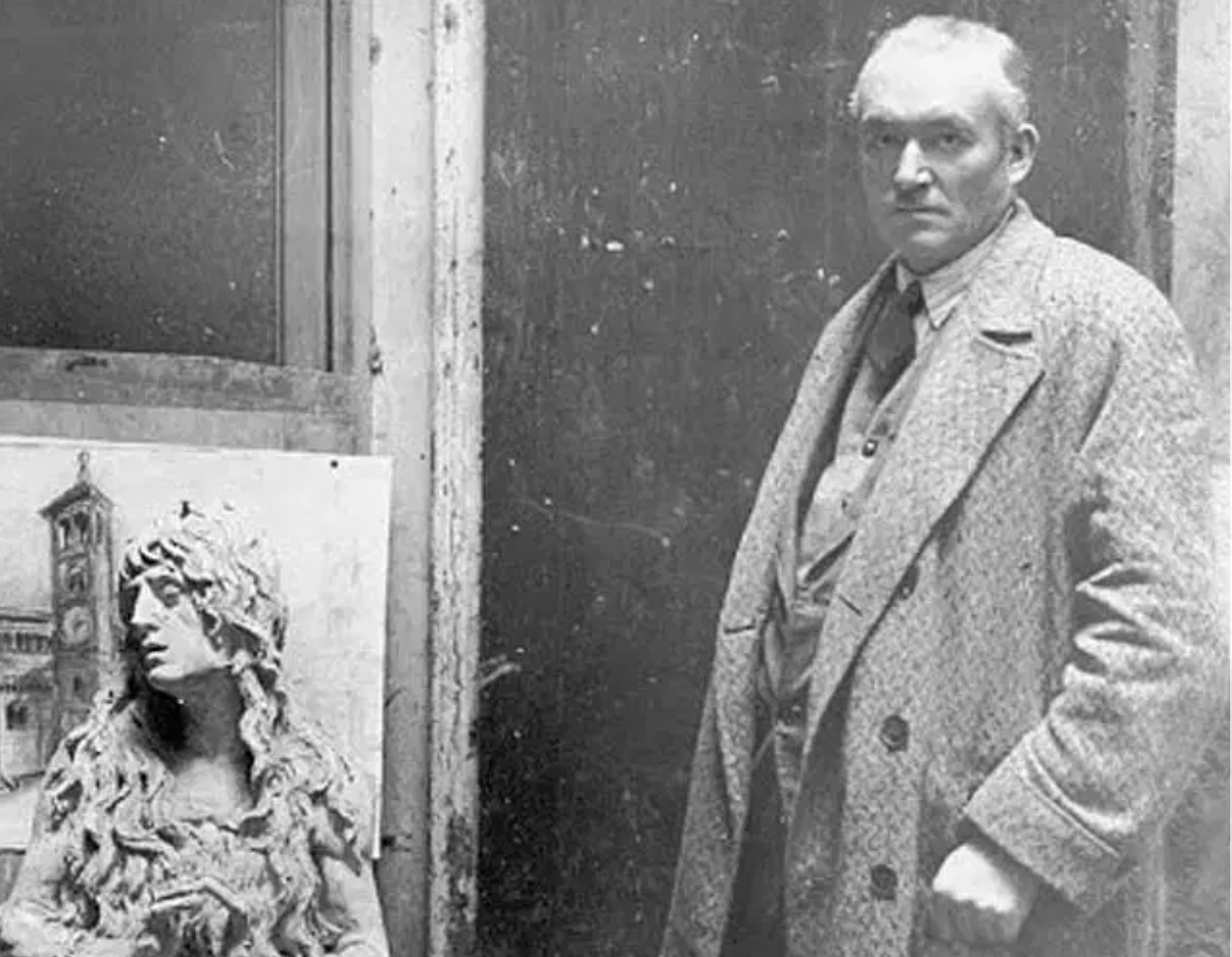
Alceo Dossena
Italian sculptor whose 'ancient' and Renaissance-style works fooled major museums including the Metropolitan Museum of Art and Boston's Museum of Fine Arts. He claimed he never intended fraud — blaming the dealers who aged and sold his sculptures as genuine antiquities.
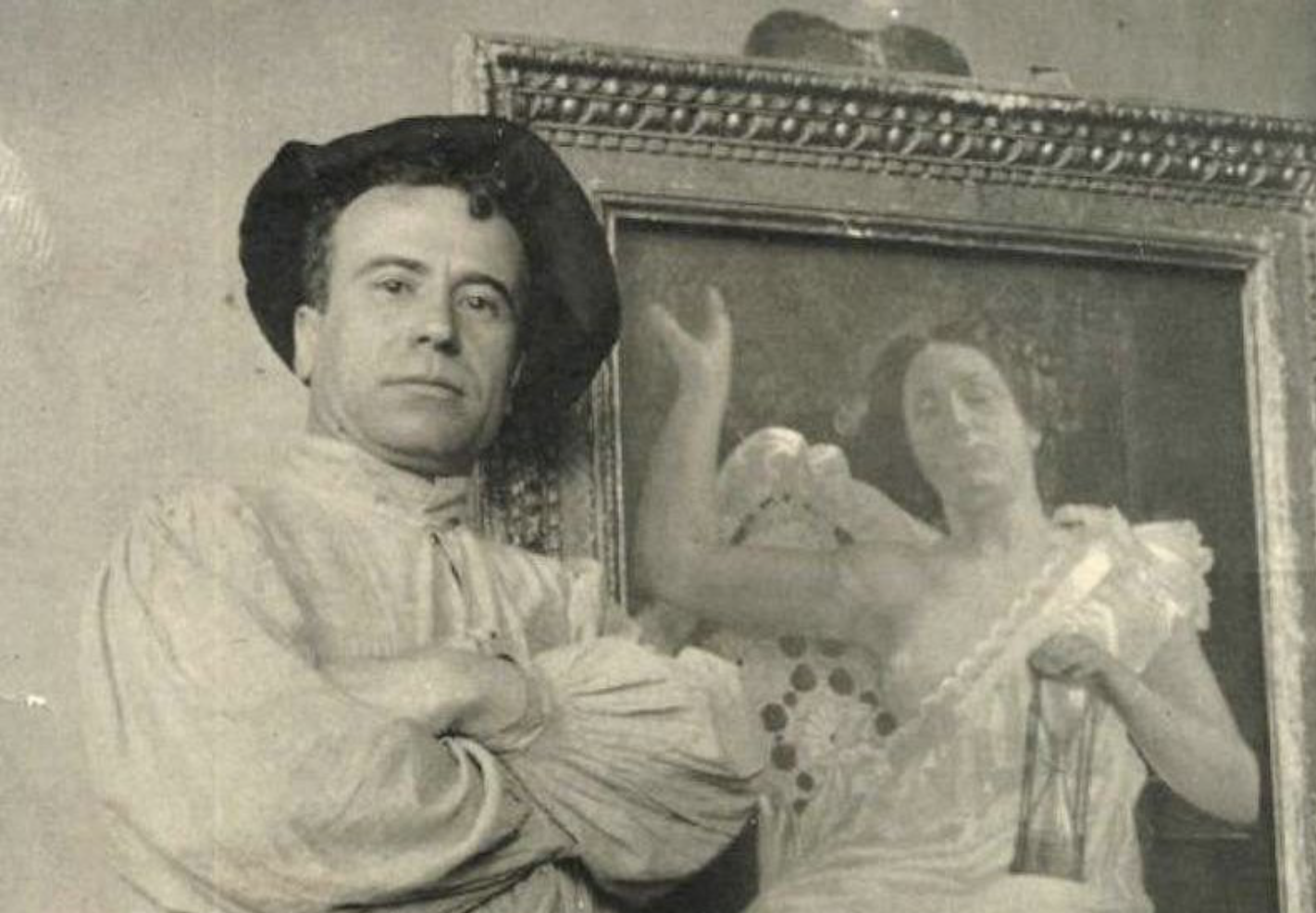
Icilio Federico Joni
Sienese painter known as the 'prince of forgers' for his convincing early-Renaissance panel paintings and gilded works. Unusually, he wrote a candid memoir about his craft, making him one of the first forgers to document the trade from the inside.
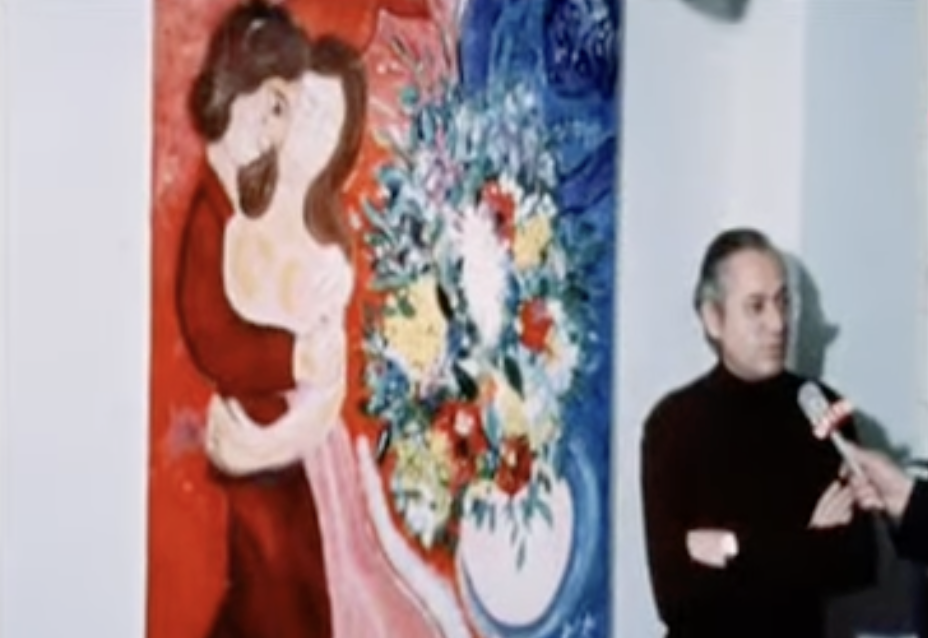
David Stein
French forger who dashed off convincing Chagalls, Picassos, and Mirós at extraordinary speed in 1960s New York. He was caught when a real Chagall he had faked was spotted by the artist himself; after prison he sold work under his own name.
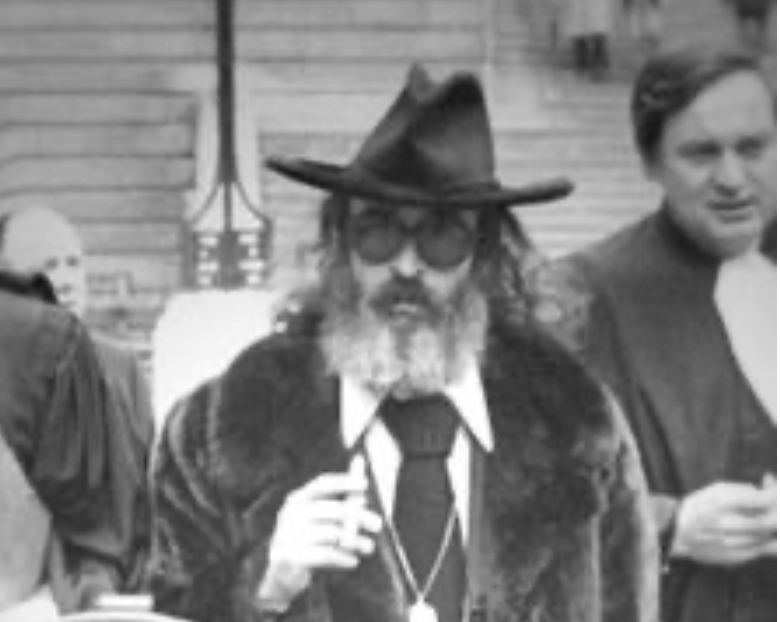
Fernand Legros
Flamboyant art dealer who, with Réal Lessard, sold Elmyr de Hory's forgeries to wealthy collectors around the world, fuelling one of the era's great forgery scandals and a tangle of lawsuits and criminal cases.
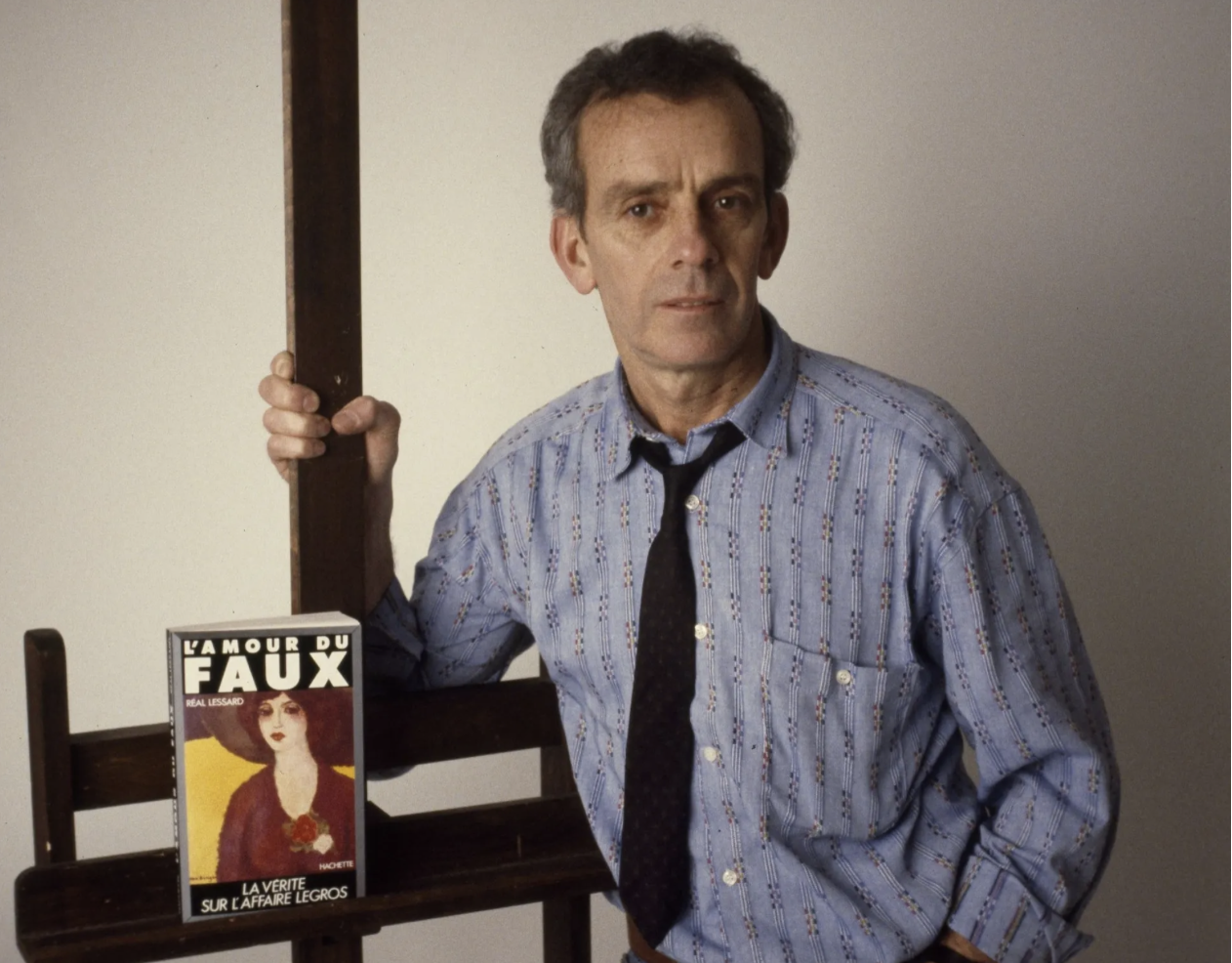
Réal Lessard
Canadian partner of dealer Fernand Legros in the distribution of Elmyr de Hory's fakes. In his memoir 'L'Amour du faux' he controversially claimed that he, not de Hory, painted many of the forgeries.
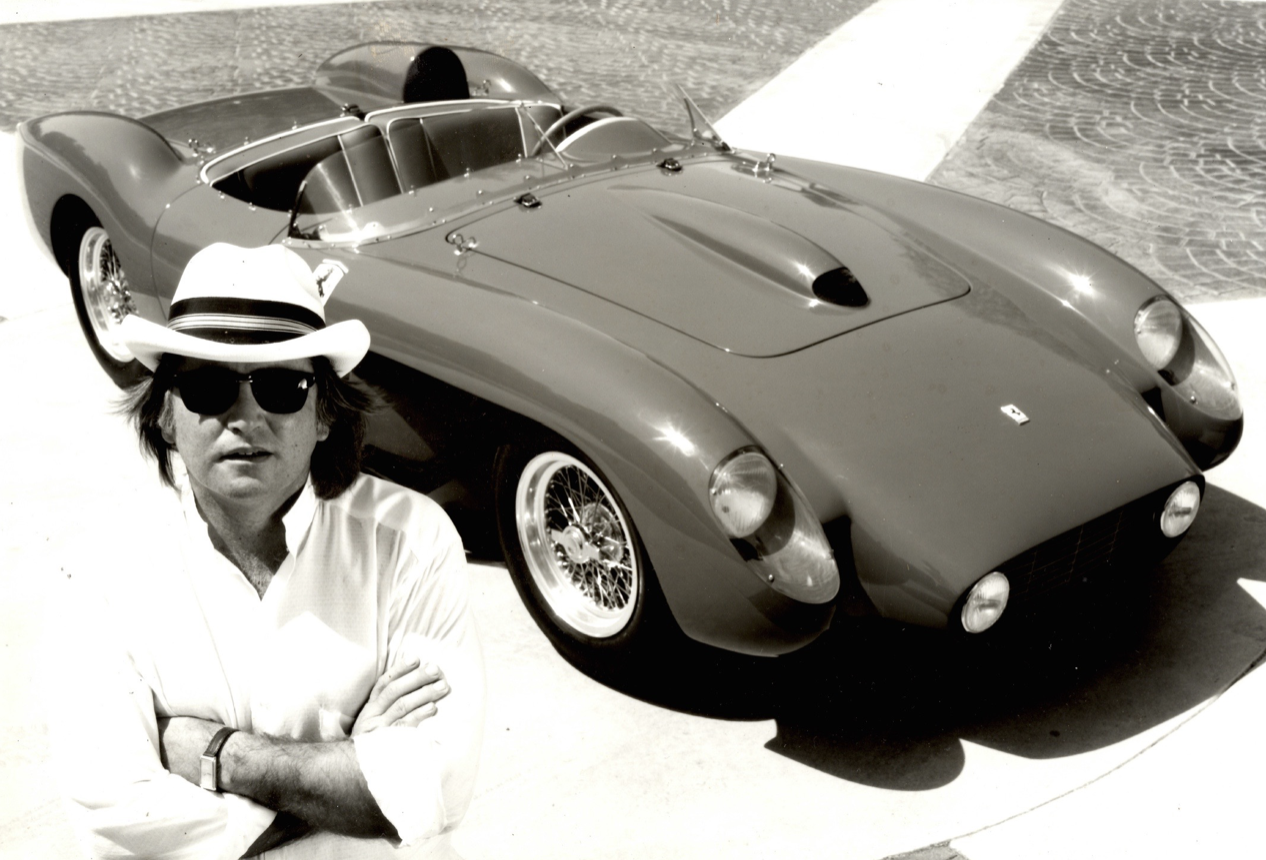
Tony Tetro
American forger who produced highly convincing works attributed to Dalí, Chagall, Miró, and Rembrandt. Convicted in California in the 1990s, he later drew headlines when fakes he made surfaced in a British royal residence.
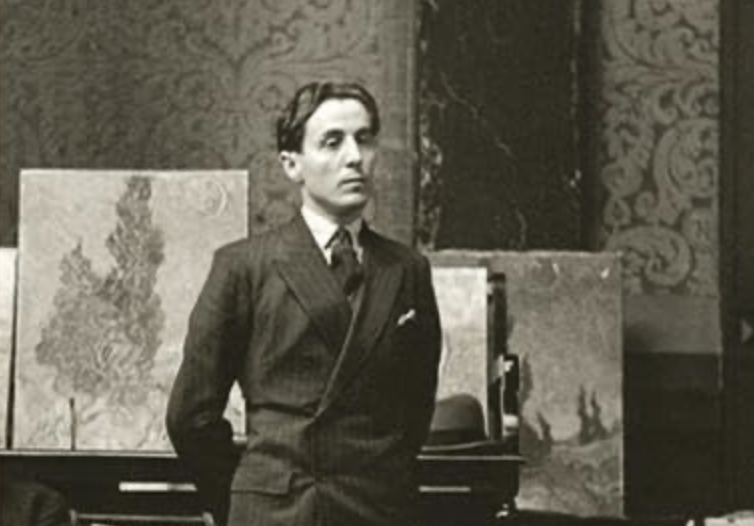
Otto Wacker
German dealer at the centre of a landmark 1932 trial after he sold some 30 fake Van Goghs, complete with invented provenance. The case forced early scientific and connoisseurial scrutiny of Van Gogh's oeuvre and remains a touchstone in the history of authentication.
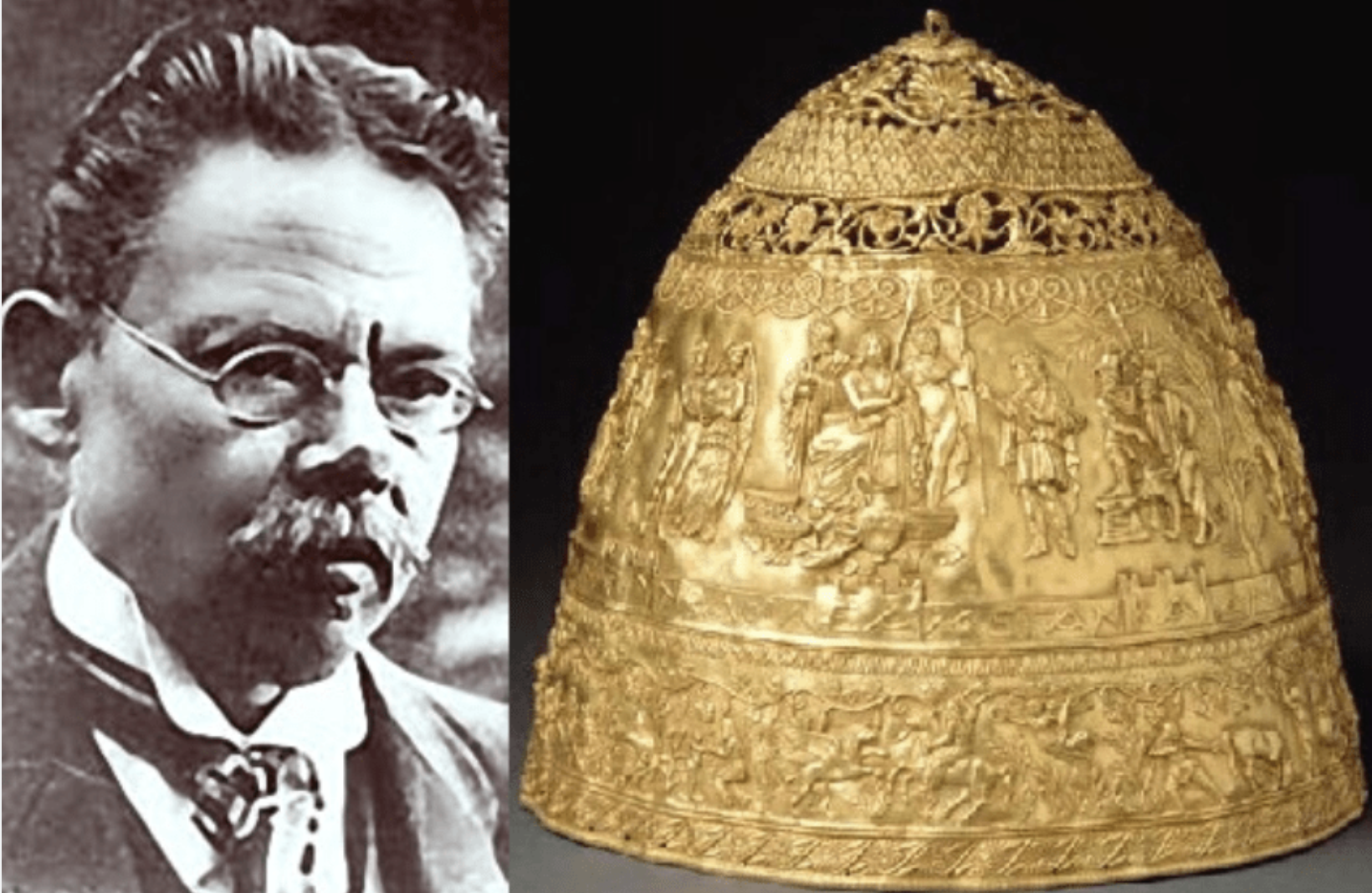
Israel Rouchomovsky
Odessa goldsmith who created the 'Tiara of Saitaphernes', bought by the Louvre in 1896 as a Scythian-Greek antiquity. two years before the Louvre acquisition, two dealers Schapschelle Hochmann and his brother Leiba, had commissioned Israel Rouchomovsky, a skilled goldsmith from Odesa, to make the tiara. They let him believe that it was intended as a gift for an archaeologist friend and provided Rouchomovsky with details from recent excavations to aid his design. It wasn't until news of the Louvre scandal reached him that Rouchomovsky learned of the fate of his creation. He traveled to Paris in 1903[2] and presented himself as the maker of the tiara. Experts at the museum refused to believe him until he demonstrated the ability to reproduce a portion of the crown. Embarrassed, the museum hid the object away in storage. The Louvre had been fooled in one of the greatest archeological scandals of the century. Isreal was an amazing goldsmith/artist who was duped by a couple dirty dealers.
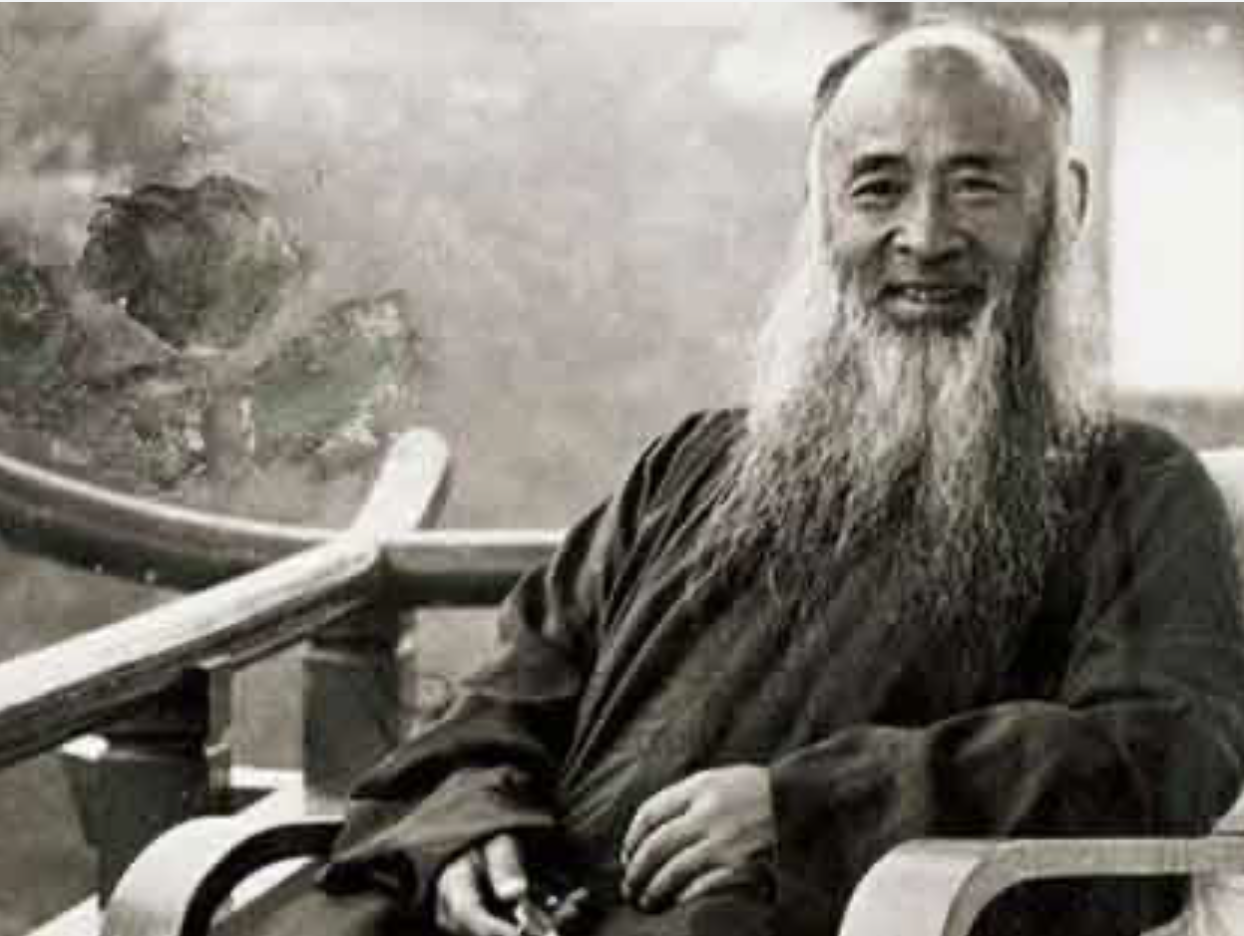
Zhang Daqian
One of the most celebrated Chinese painters of the 20th century, Zhang Daqian was also a masterful forger of classical Chinese painting whose imitations entered major museum collections as genuine antiquities. His dual legacy blurs the line between homage, connoisseurship, and deception.
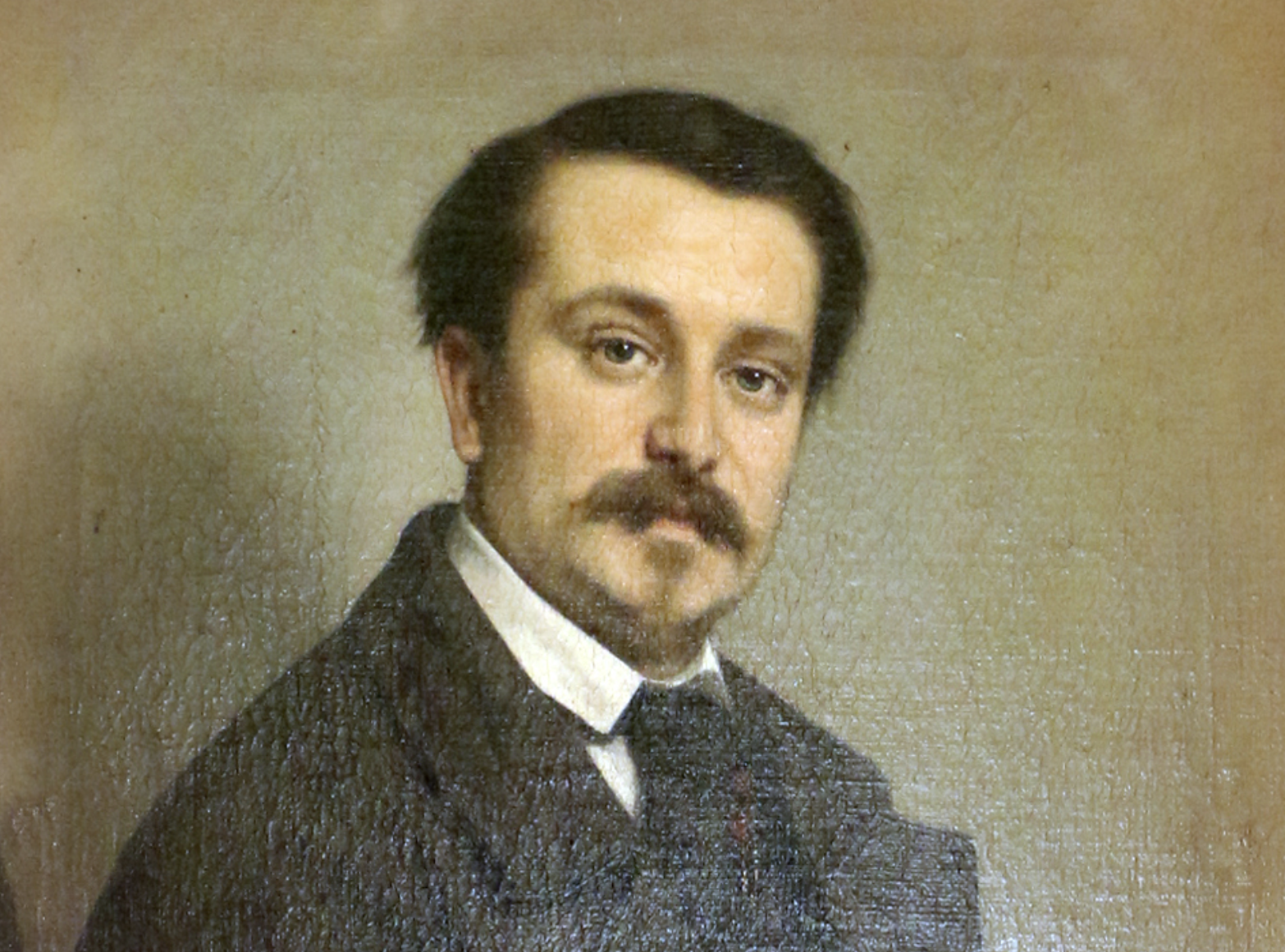
Giovanni Bastianini
Italian sculptor whose Renaissance-style busts were sold as authentic 15th-century works, one entering the Louvre before the deception unravelled in a famous 1860s controversy over whether such skill could be called mere forgery.
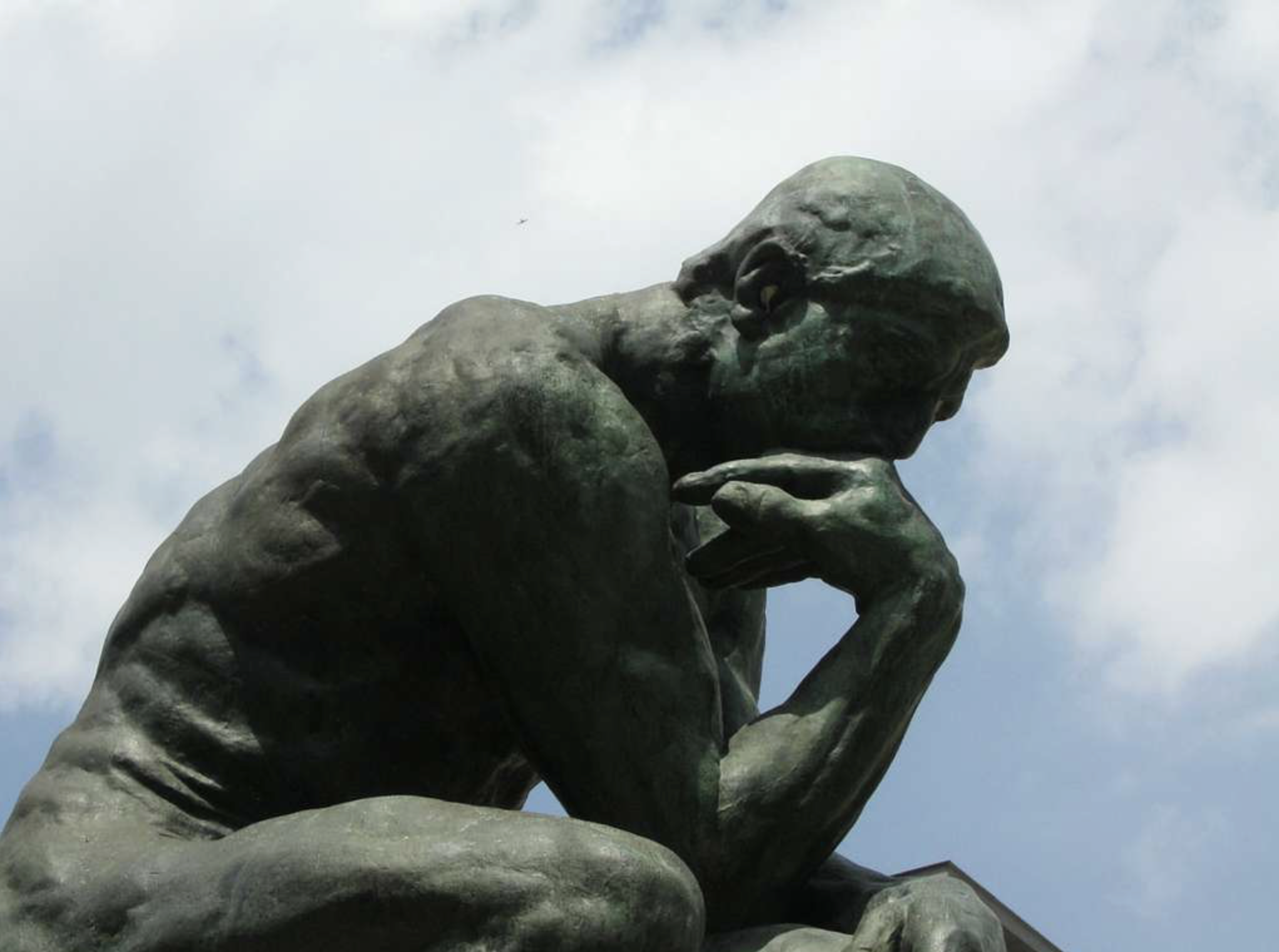
Guy Hain
A former veterinary salesman turned art dealer, Hain developed an obsession with French bronze sculpture after buying Rodin's The Kiss in the 1960s. Before long, he had gained access to the original molds and production plasters once used by the famed Rudier foundry—the same foundry that had cast many of Auguste Rodin's bronzes during the artist's lifetime. For a forger, it was the equivalent of finding the recipe instead of trying to guess the ingredients. Using the original molds, Hain commissioned newly cast bronzes that were virtually indistinguishable from legitimate examples. He allegedly stamped many of them with the prestigious Alexis Rudier foundry mark before selling them through galleries and auction houses as authentic early casts. Experts struggled to tell the difference because, technically, the sculptures had been made from the same molds as the originals. Rodin was only the beginning. Hain expanded his operation to include works after Camille Claudel, Antoine-Louis Barye, Aristide Maillol, Jean-Baptiste Carpeaux, Pierre-Auguste Renoir, and dozens of other celebrated sculptors. Investigators later estimated he had produced more than 6,000 unauthorized bronzes, effectively flooding the market with sculptures that looked entirely legitimate. French authorities finally intervened in 1992, seizing roughly 20 tons of bronze sculptures from foundries and workshops across France. Hain was convicted of forgery in 1997 and sentenced to four years in prison, though he served only about 18 months. That wasn't the end of the story. After his release, Hain allegedly resumed production, dividing the casting, chasing, and patination among different foundries to make the operation harder to trace. He was arrested again in 2002, and investigators uncovered more than 1,100 additional sculptures representing the work of 98 different French artists. The scandal rattled collectors and auction houses alike. Even respected firms, including Christie's and Sotheby's, had unknowingly sold Hain's bronzes, forcing experts to reexamine decades of sales and raising uncomfortable questions about how many suspect sculptures remain in private collections. Guy Hain's greatest trick wasn't making fake bronzes. It was proving that even when a sculpture comes from the original mold, authenticity isn't always cast in bronze.
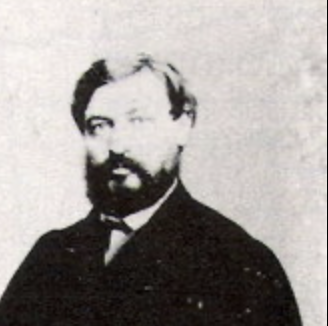
Moses Wilhelm Shapira
Jerusalem antiquities dealer who in 1883 offered the British Museum ancient leather scrolls of Deuteronomy. Denounced as forgeries, the scandal drove him to suicide — yet modern scholars have reopened the debate over whether the 'Shapira Strips' may have been genuine after all.
John Re
A Pollock for a Submarine
According to the FBI, Re claimed he had uncovered a hidden cache of Pollock paintings while cleaning out the East Hampton home of a deceased woodworker and antique restorer. The discovery, he suggested, had somehow remained unknown to scholars, museums, and Pollock experts for decades. If true, it would have been one of the greatest finds in modern art history. Instead, prosecutors say it became one of the largest online art fraud schemes involving Jackson Pollock. Between 2005 and 2013, Re allegedly sold more than 60 fake Pollocks through eBay and private negotiations, collecting nearly $1.9 million from hopeful buyers. To make the paintings appear more desirable, investigators say he even used shill bidders to drive up auction prices. The scheme began to unravel when collectors did what every buyer of a "lost masterpiece" eventually should—ask an expert. One painting contained materials that didn't even exist during Pollock's lifetime. The International Foundation for Art Research (IFAR) later examined 45 of the paintings and concluded they were all counterfeit. Their report noted that the works were actually too similar to one another. Ironically, the consistency that made them look convincing was exactly what gave them away. Pollock's authentic drip paintings are famously unpredictable; the fakes looked like they had all come from the same hand (and specifically not Pollack's). Another collector received an even simpler authenticity test. While examining one painting, a dealer tried to wipe away a small smudge of dirt with a damp finger. The paint came off. Despite mounting evidence, prosecutors say Re continued insisting the works were genuine, describing one in an email as "a very strong Pollock" complete with age cracks and decades of basement storage. In another message, he proclaimed he had discovered "the greatest contemporary art find in history." The FBI disagreed. Federal investigators ultimately charged Re with wire fraud, alleging the basement treasure was little more than a carefully crafted fiction supported by fake provenance, persuasive salesmanship, and the enduring hope that the next unbelievable discovery might just be real. In the art world, extraordinary discoveries do happen. The trick is remembering that extraordinary stories usually require extraordinary proof. Perhaps the strangest footnote is what Re bought with some of the money. According to the Department of Justice, one fraudulent Pollock sale helped finance the purchase of a submarine called the U.S.S. Deep Quest. As part of the criminal proceedings, federal authorities obtained a restraining order preventing him from selling the submarine while forfeiture issues were resolved. It's not often an art fraud case ends with the government seizing a submarine.

Stéphane Breitwieser
Stéphane Breitwieser (born 1971) is widely regarded as the most prolific art thief in modern history. Between 1994 and 2001, the Frenchman stole more than 300 works of art from approximately 200 museums, galleries, churches, and castles across Europe, amassing an estimated collection worth between $1.4 and $2 billion. Unlike nearly every other notorious art thief, Breitwieser wasn't motivated by money. He never worked for organized crime, never accepted commissions from wealthy collectors, and almost never sold what he stole. Instead, he stole simply because he wanted to live surrounded by great art. Breitwieser and his girlfriend, Anne-Catherine Kleinklaus, targeted small museums with minimal security. While she acted as a lookout, he quietly removed paintings, sculptures, clocks, ivory carvings, and other treasures before calmly walking out the front door. His methods were remarkably simple: no weapons, no violence, no smashed display cases — just confidence, patience, and an eye for vulnerable institutions. After each theft, Breitwieser brought the works to his mother's attic in Mulhouse, France, where he transformed the space into a secret private museum. He spent hours admiring the collection, arranging and rearranging masterpieces by artists including Brueghel, Cranach, Watteau, and Boucher. His obsession was with possession, not profit. His extraordinary run ended in 2001 after he stole a medieval hunting horn from the Richard Wagner Museum in Switzerland. A museum employee noticed the theft almost immediately, and police arrested him before he could escape. As investigators closed in on the hidden collection, Breitwieser's mother, fearing a police search, destroyed many of the stolen works — cutting paintings, smashing sculptures, and disposing of priceless objects in canals and garbage bins. The destruction of these irreplaceable artworks remains one of the greatest cultural losses associated with the case. Breitwieser's story is chronicled in Michael Finkel's bestselling book 'The Art Thief', which explores the psychology of a man who saw himself less as a criminal than as a passionate collector. His crimes continue to spark debate among criminologists, museum professionals, and art historians: was he an obsessive aesthete, a compulsive thief, or simply a criminal who happened to have exquisite taste? For followers of Crimes of Art, Breitwieser represents a rare kind of art criminal. He didn't steal for wealth or notoriety — he stole for beauty. His story challenges conventional ideas about motive, ownership, and the lengths to which one person will go to possess the world's greatest works of art.
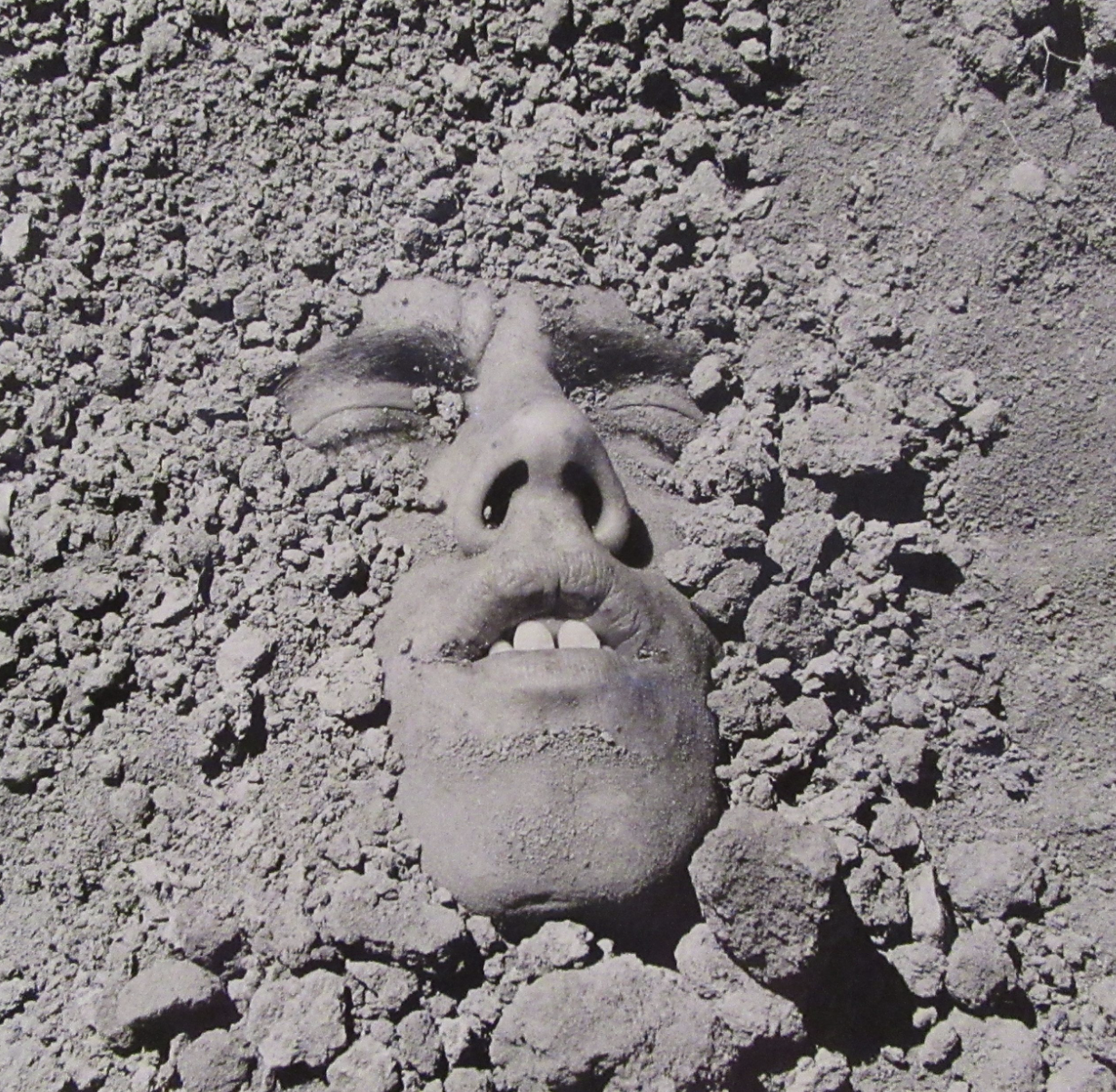
David Wojnarowicz
David Wojnarowicz (1954–1992) was an American artist, writer, filmmaker, photographer, and AIDS activist whose work became one of the most powerful artistic indictments of censorship, government neglect, and social injustice in the late twentieth century. Raised amid poverty and abuse before spending time homeless and hustling on the streets of New York, Wojnarowicz transformed his experiences on society's margins into a fiercely original body of work that blended painting, photography, collage, film, performance, and autobiographical writing. A central figure of New York's East Village art scene in the 1980s, he believed art should confront power rather than comfort it. For followers of Crimes of Art, Wojnarowicz occupies a unique place where art, censorship, and the law collide. His work challenged institutions ranging from the National Endowment for the Arts to conservative political organizations during the height of America's culture wars. In 1990, he successfully sued the American Family Association after it distributed altered excerpts of his work to portray him as obscene, winning a landmark case that affirmed artists could fight back against the deliberate misrepresentation of their work. His art was inseparable from activism. Following his HIV diagnosis in 1988 and the death of his mentor and partner, photographer Peter Hujar, Wojnarowicz produced emotionally charged works condemning the U.S. government's indifference to the AIDS epidemic. Images of burning maps, falling buffalo, houses in flames, stitched mouths, and fragmented bodies became symbols of a society abandoning its most vulnerable citizens. His memoir 'Close to the Knives' remains one of the defining literary accounts of the AIDS crisis and artistic resistance. Even after his death from AIDS-related illness in 1992 at the age of thirty-seven, controversy continued to follow his work. In 2010, the Smithsonian Institution removed his short film 'A Fire in My Belly' from an exhibition after political pressure from conservative groups over a brief scene depicting ants crawling across a crucifix. The incident reignited a national debate over artistic freedom, censorship, religion, and public funding for the arts, cementing Wojnarowicz's legacy as an artist whose work continued to challenge authority long after his death. Today, David Wojnarowicz is recognized as one of the most influential American artists of his generation. His work can be found in the collections of the Museum of Modern Art, the Whitney Museum of American Art, and major institutions worldwide. More than three decades after his death, his uncompromising vision continues to inspire artists, activists, and anyone interested in the uneasy relationship between creativity, power, and the law.
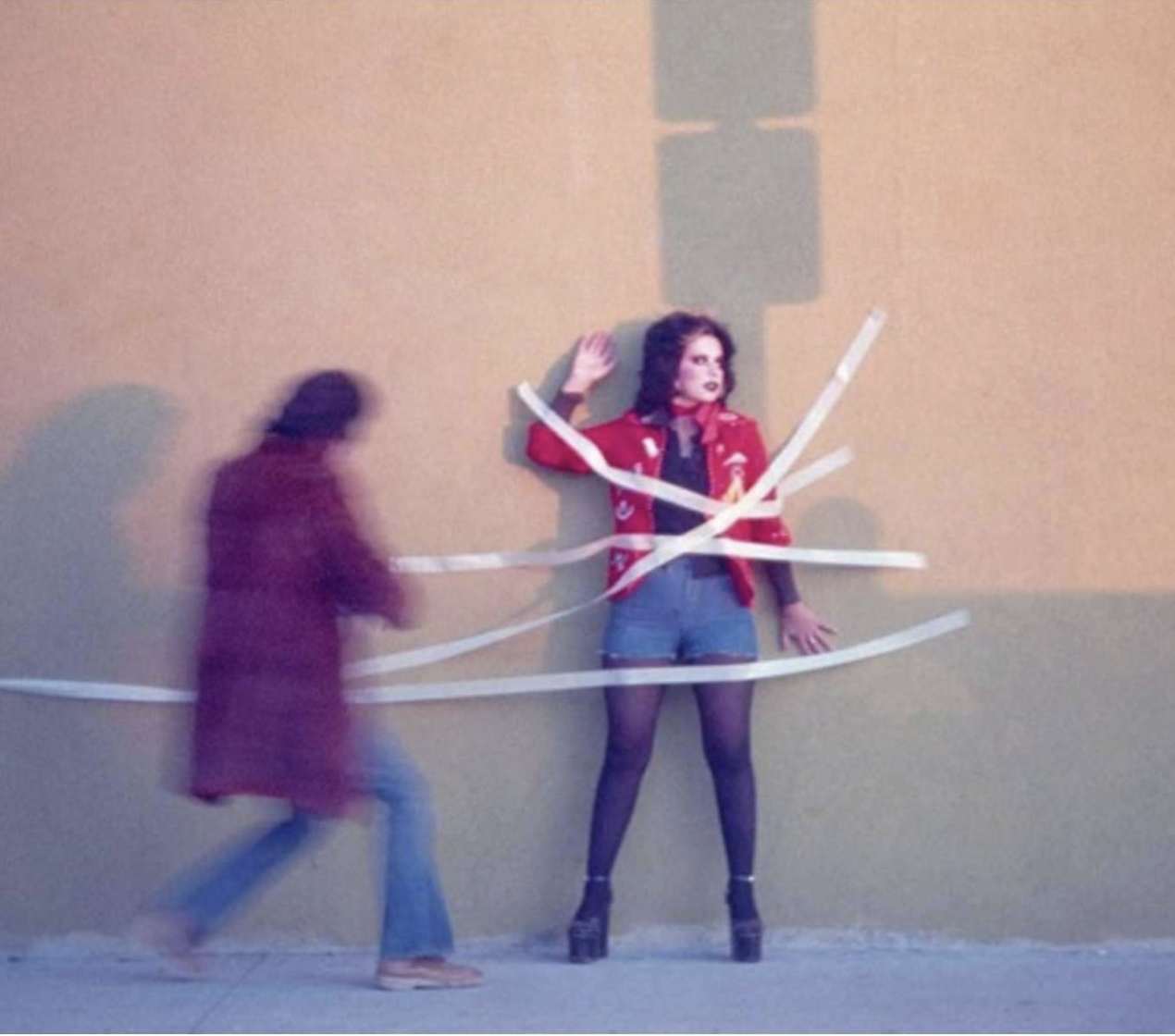
Asco
Founded in East Los Angeles in 1972, Asco — Spanish for 'disgust' or 'nausea' — was a groundbreaking Chicano art collective whose core members included Harry Gamboa Jr., Gronk, Willie F. Herrón III, and Patssi Valdez. Emerging from the aftermath of the Chicano Moratorium and amid widespread police violence, racism, and the Vietnam War, the group rejected both mainstream art institutions and the limitations of traditional political muralism. Instead, they embraced performance, conceptual art, photography, film, and public intervention to challenge stereotypes and redefine what Chicano art could be. Asco became famous for provocative works that blurred the line between art and activism. In their legendary 'Spray Paint LACMA' (1972), members tagged their names on a bridge at the Los Angeles County Museum of Art after being told that Chicanos didn't make 'fine art'. Their 'No Movies' series staged elaborate stills from fictional films, satirizing Hollywood's exclusion and stereotyping of Latinos, while performances such as 'Walking Mural' and 'Instant Mural' transformed the streets of East L.A. into living galleries. Although largely ignored by major museums during their active years (1972–1987), Asco's influence has grown dramatically. Their work has since been exhibited by major institutions, including LACMA, and they are now recognized as pioneers of conceptual art, performance, and institutional critique. In 2025, the documentary 'ASCO: Without Permission' brought renewed attention to the group's remarkable legacy and lasting impact on generations of artists.

Vincenzo Peruggia
An Italian handyman and former Louvre employee who, in 1911, walked out of the museum with the Mona Lisa concealed beneath his workman's smock. He kept the painting in his Paris apartment for over two years, claiming a patriotic desire to return it to Italy. His attempt to sell it to a Florentine dealer led to his arrest and to the theft that made the Mona Lisa the most famous painting in the world.

Han van Meegeren
The most celebrated forger of the twentieth century, van Meegeren deceived critics and collectors with 'newly discovered' Vermeers. When one of his forgeries was traced to Hermann Göring, he was charged with collaboration — and confessed to forgery to save himself from a treason charge, painting a Vermeer in front of the court to prove his skill.

Wolfgang Beltracchi
Beltracchi produced hundreds of paintings 'in the style of' early-modern masters such as Max Ernst and Heinrich Campendonk, inventing a fictitious collection and forging provenance to authenticate them. His downfall came from an anachronistic tube of titanium white. His case forced the art market to confront the fragility of connoisseurship and provenance.
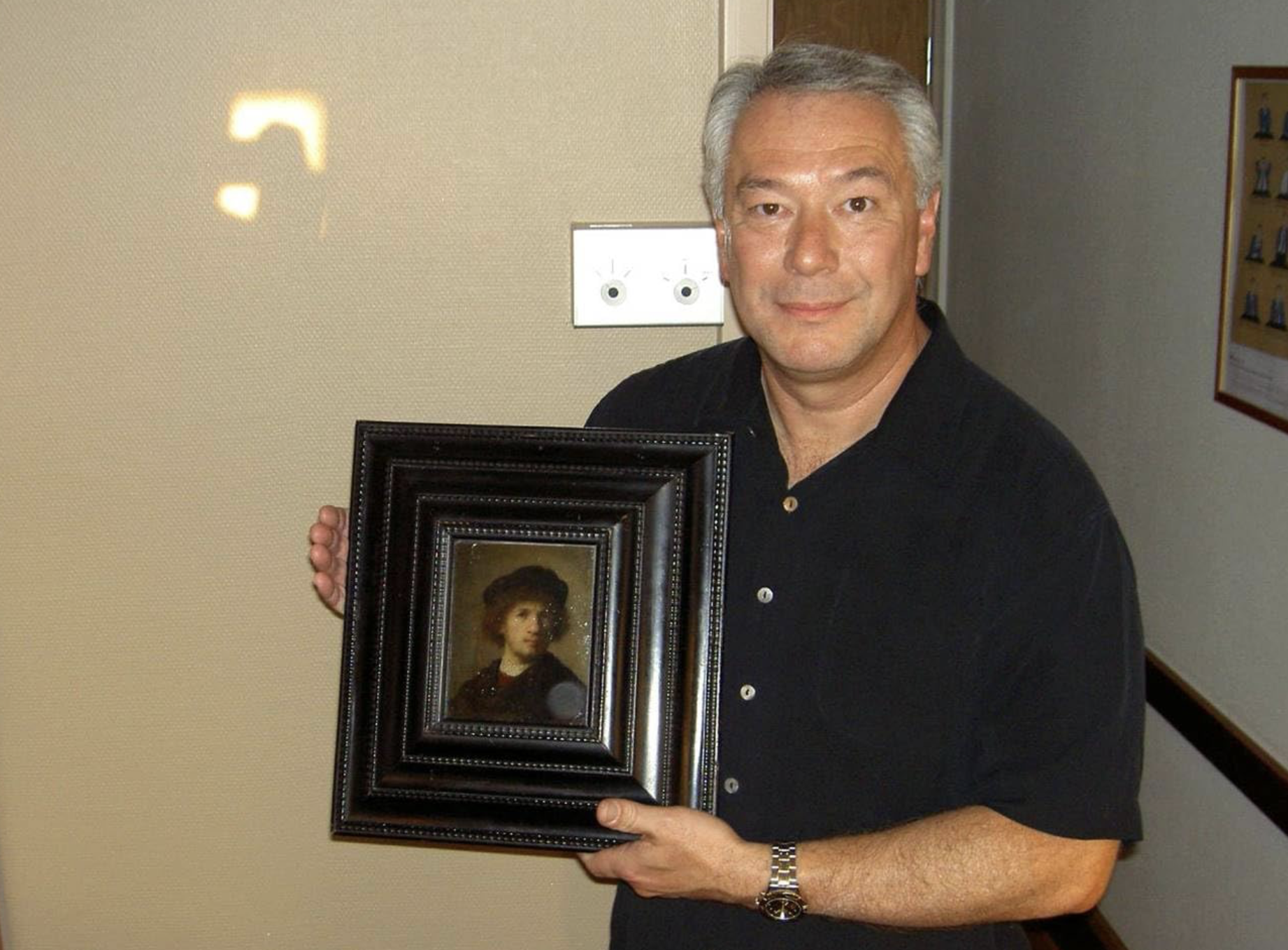
Robert K. Wittman
Founder of the FBI's National Art Crime Team, Wittman spent two decades recovering stolen cultural property valued in the hundreds of millions of dollars. His undercover work spanned continents and helped establish art crime as a serious field of law enforcement rather than a romantic footnote. he also wrote a great book: https://www.amazon.com/Priceless-Undercover-Rescue-Worlds-Treasures-ebook/dp/B0036S4BRG?ref_=ast_author_mpb Here's a talk by Wittman: https://www.youtube.com/watch?v=pfnICrTyhHM
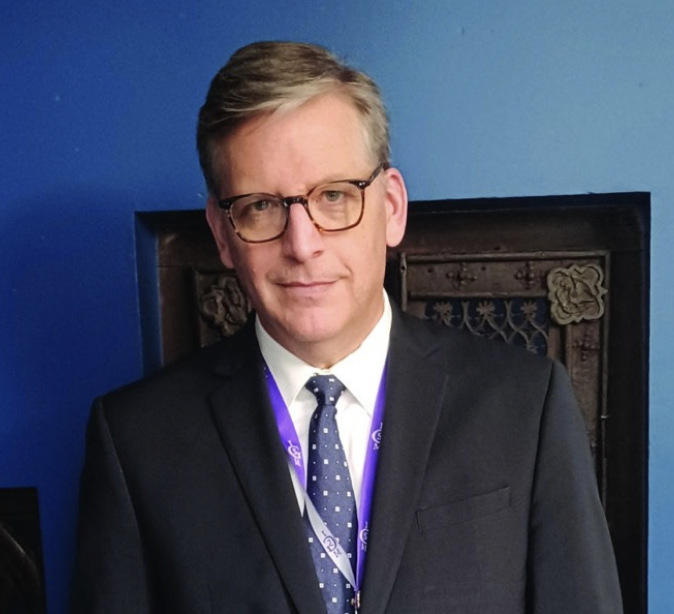
Anthony M. Amore
Director of Security at the Isabella Stewart Gardner Museum and the leading investigator on its unsolved 1990 heist. Amore has written extensively on art theft and forgery and continues to pursue leads on the thirteen works taken from the Gardner. Check out his talk on YouTube: https://www.youtube.com/watch?v=Hs5d9KApA60 Check out his books: https://www.anthonyamore.com

Cornelius Gurlitt
The reclusive son of Nazi-era art dealer Hildebrand Gurlitt, Cornelius kept a hoard of some 1,500 works — many looted or sold under duress during the Third Reich — hidden in his Munich apartment. Their discovery in 2012 reopened thousands of restitution questions.

John Myatt
A British painter whose 'genuine fakes' fueled what Scotland Yard called the biggest art fraud of the twentieth century, in partnership with con man John Drewe, who corrupted archives to fabricate provenance. Myatt now sells legitimate 'genuine fakes' openly.
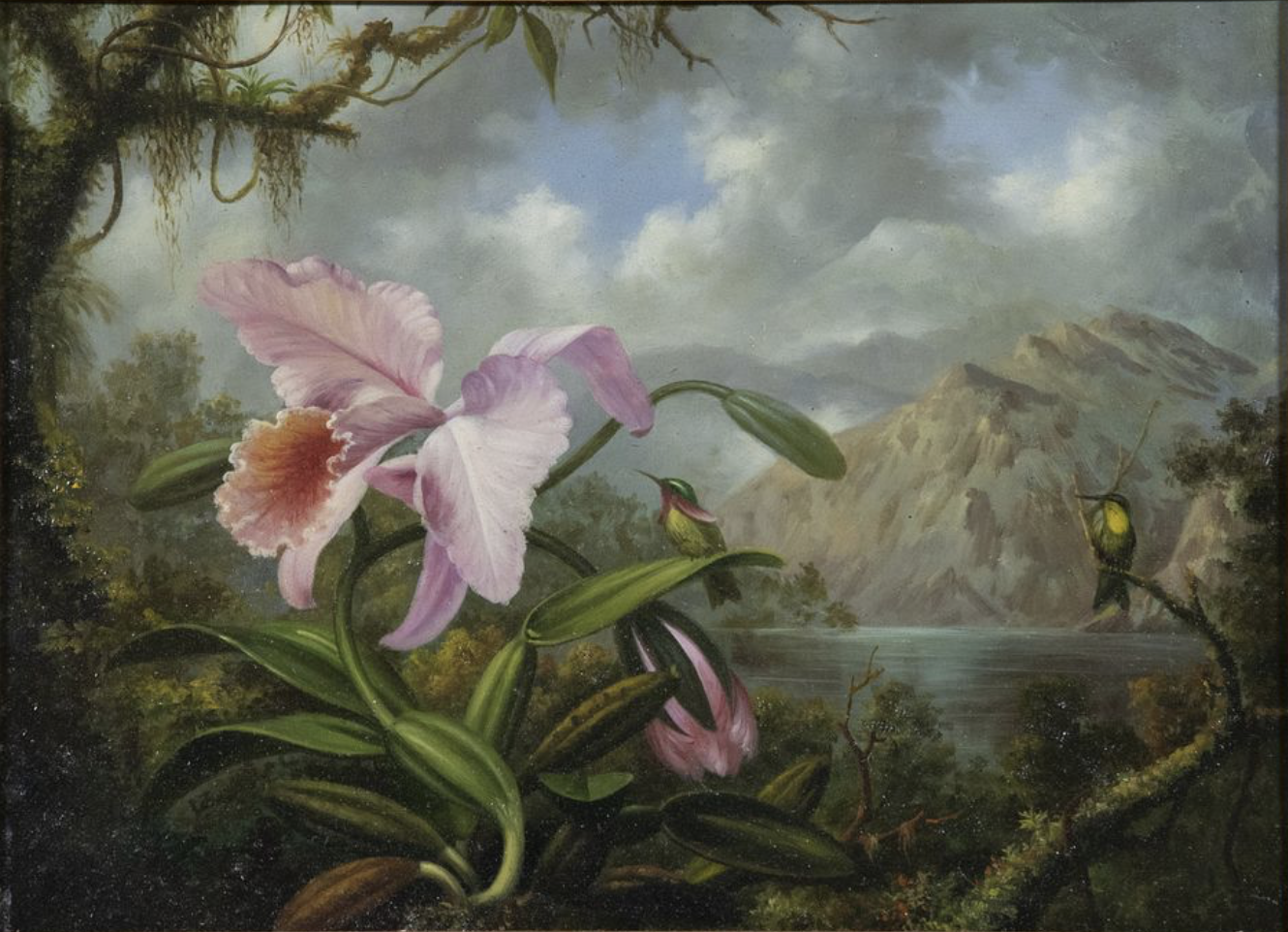
Ken Perenyi Master Forger
America's most prolific art forger, Perenyi spent some thirty-four years producing thousands of convincing 'antique' paintings in the manner of nineteenth-century American masters like Martin Johnson Heade and James E. Buttersworth, and British marine and sporting painters such as John F. Herring. His fakes moved through Christie's and Sotheby's — one Heade sold for $717,000 — until a five-year FBI investigation closed in on him in the late 1990s. He was never charged; the statute of limitations expired. In 2012 he told all in his memoir 'Caveat Emptor' and now sells his work openly as signed reproductions.
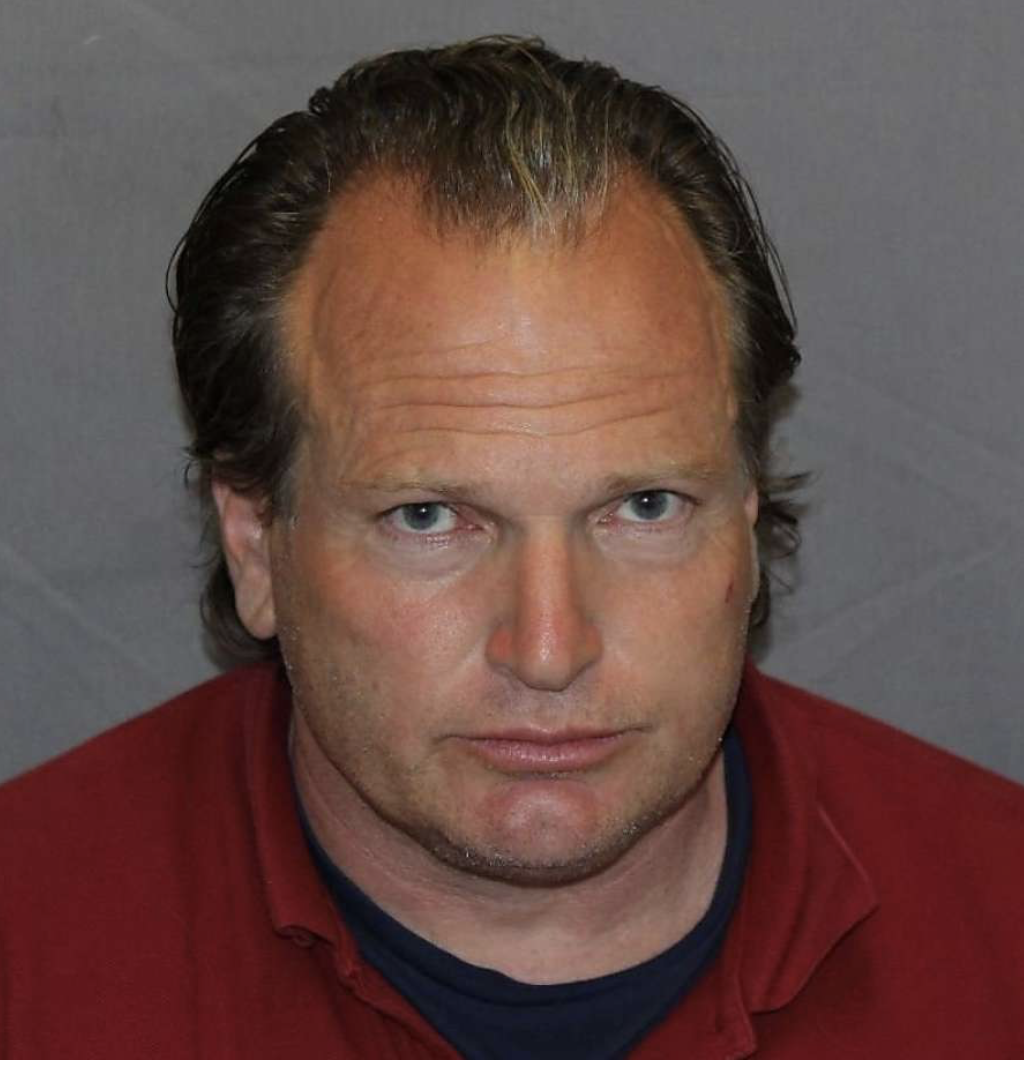
Luke Brugnara
A San Francisco real-estate figure who, in 2014, took possession of roughly $11 million in art — works attributed to Degas, Picasso, de Kooning, Miró and George Luks — and then refused to pay, claiming they were gifts. Convicted of mail and wire fraud in 2015 after a chaotic trial in which he represented himself, briefly escaped custody, and was cited for contempt, he was sentenced to seven years. A $3 million Degas bronze remained unaccounted for after the FBI raid.
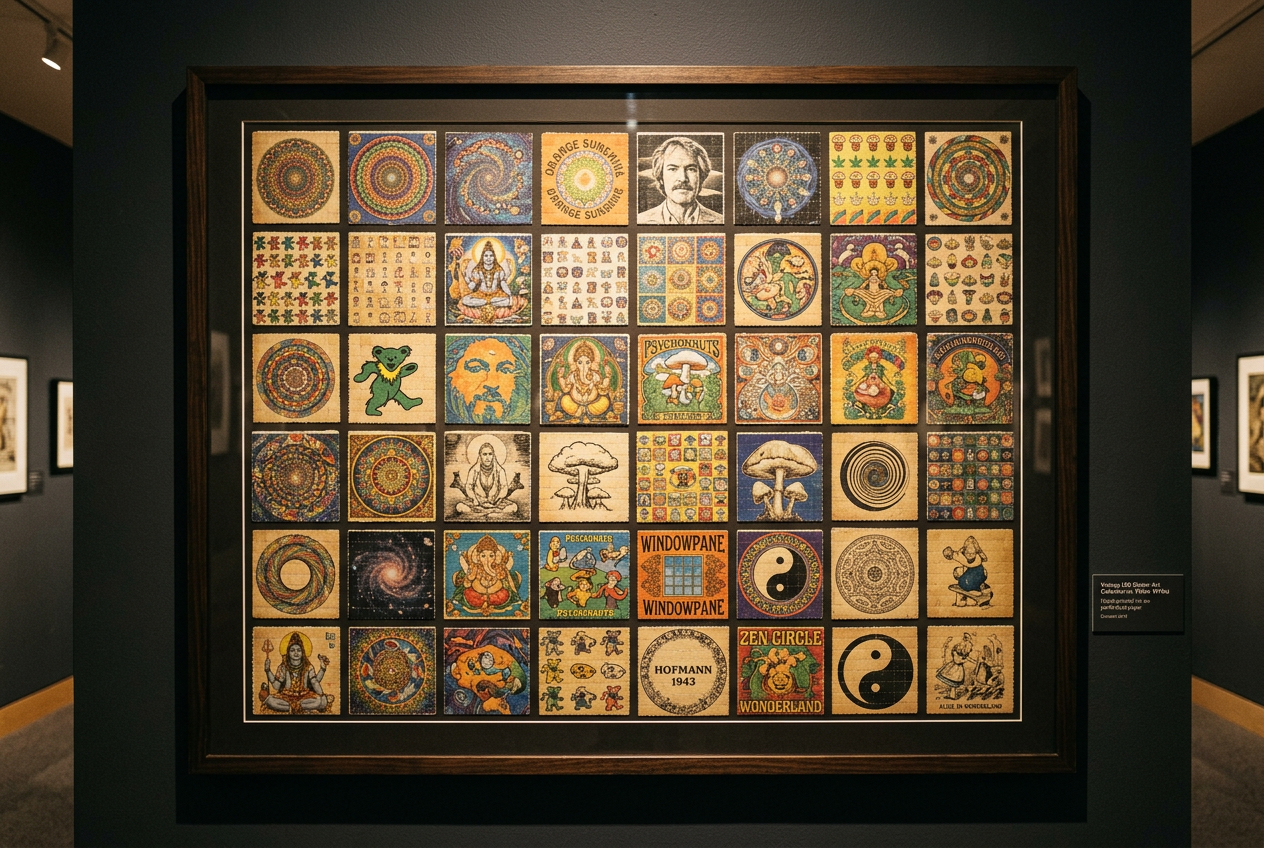
Mark McCloud
Artist, scholar, and keeper of the world's largest collection of LSD blotter art, McCloud runs the Institute of Illegal Images out of his San Francisco home. Federal prosecutors twice charged him with conspiracy to distribute LSD — in 1992 and again after a 2000 raid that seized hundreds of framed blotters and tens of thousands of sheets — arguing the paper was drug paraphernalia. Juries acquitted him both times, accepting that undipped blotter art is a legitimate American folk-art tradition.
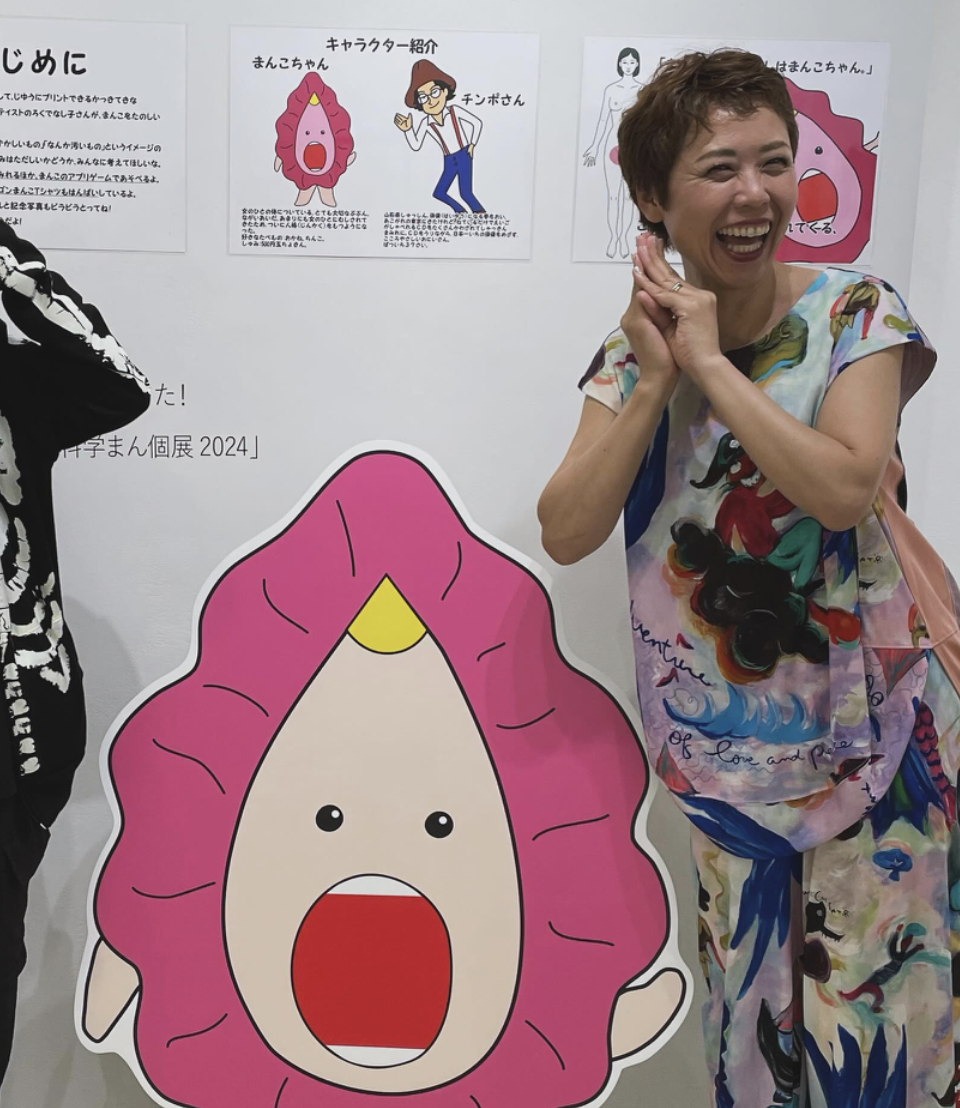
Megumi Igarashi (Rokudenashiko)
A Japanese manga artist and sculptor working under the name Rokudenashiko ('good-for-nothing girl'), Igarashi makes playful work from the form of her own genitalia to demystify a cultural taboo. In 2014 she became the first woman in Japan tried on obscenity charges after distributing 3D scan data of her vulva — used to crowdfund a decorated 'vagina kayak'. A court ruled the kayak was pop art, not obscene, but convicted her over the digital data; the fine was upheld by the Supreme Court in 2020.
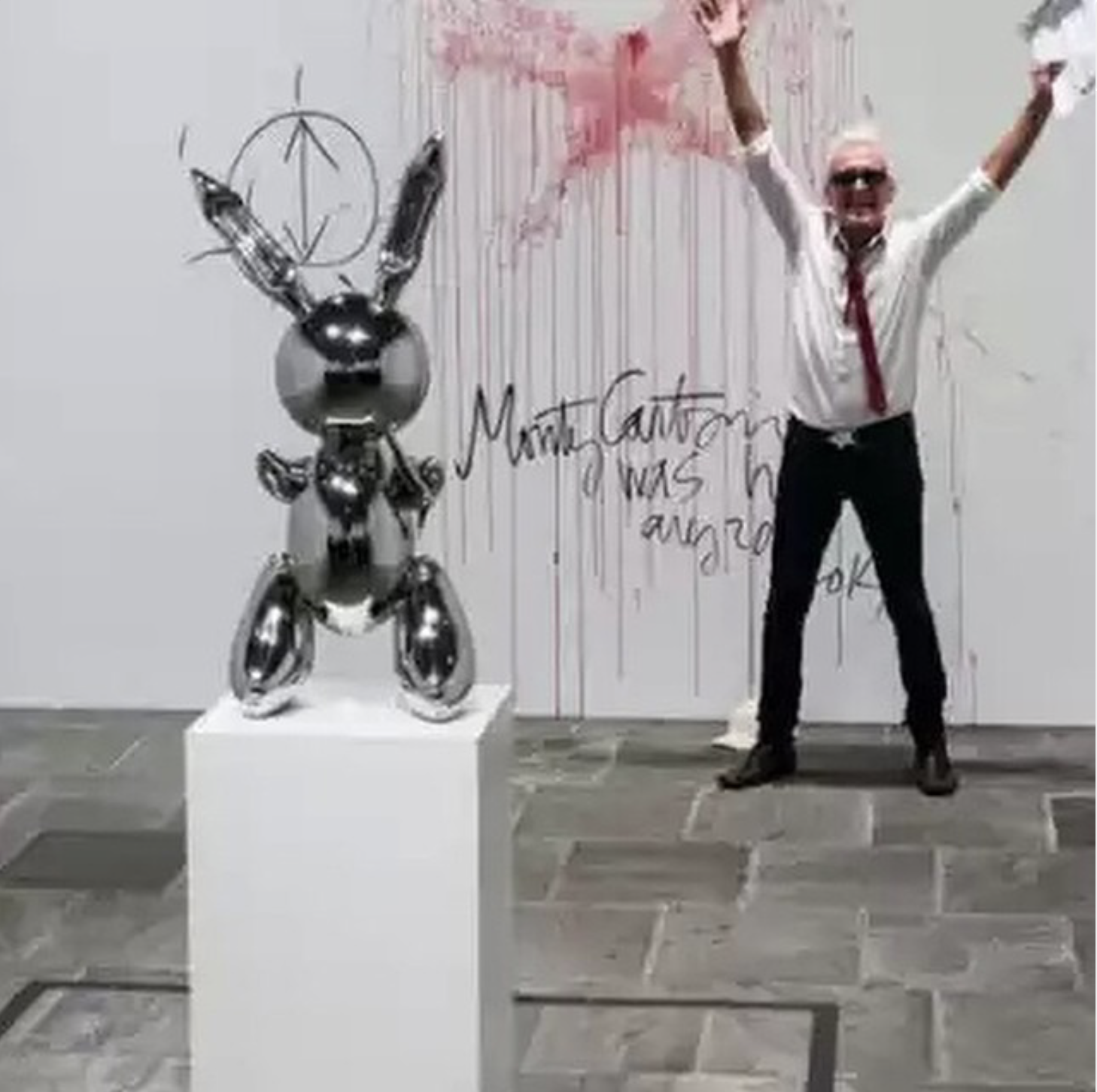
Istvan Kantor (Monty Cantsin)
Founder of the anti-art movement Neoism and adopter of the shared alias Monty Cantsin, Kantor is best known for his 'Blood Campaign' — drawing his own blood and hurling it in a great X onto the walls of museums. His 1988 intervention beside two Picassos at New York's Museum of Modern Art drew a felony charge and a (disputed) $10 million damage claim, and got him banned from MoMA — a distinction he wears with pride. He has staged similar blood-X actions at the Whitney and Berlin's Hamburger Bahnhof. Kantor on Neoism: https://www.youtube.com/watch?v=FT-PoSxooTo buy his book!: https://autonomedia.org/product/the-book-of-neoism-the-revelations-to-amen-assembled-by-istvan-kantor/
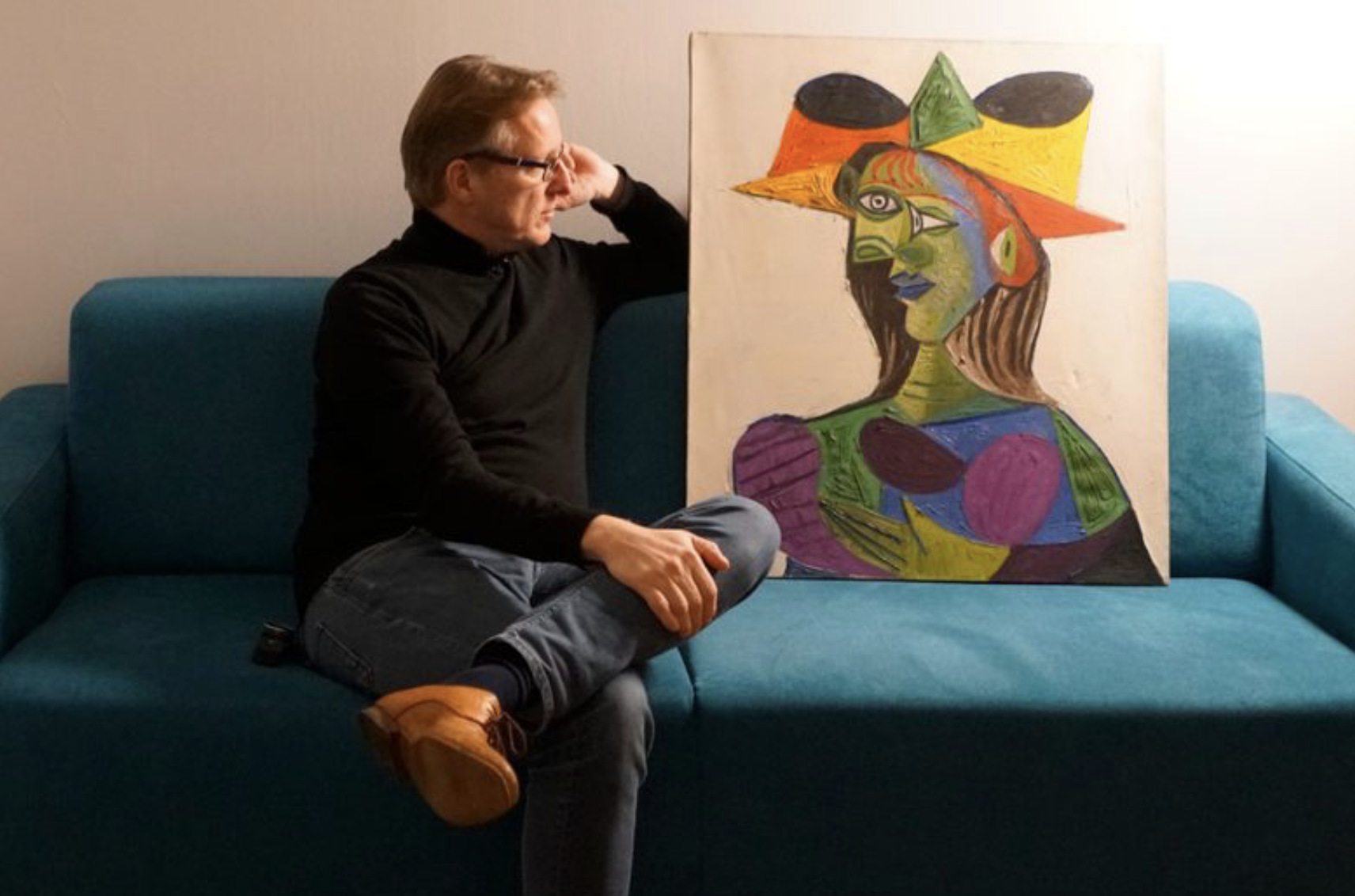
Arthur Brand
Dubbed the 'Indiana Jones of the art world', Arthur Brand is a Dutch art detective who has recovered a remarkable string of stolen and looted works by working the grey zone between the underworld and the market. His finds include the monumental bronze horses sculpted for Hitler's Reich Chancellery ('Hitler's Horses'), a Picasso portrait of Dora Maar missing for two decades, Oscar Wilde's ring, and a Van Gogh spirited away during the pandemic. He operates through informants and patient negotiation rather than force, arguing that most stolen art is never sold but circulates as underworld collateral.
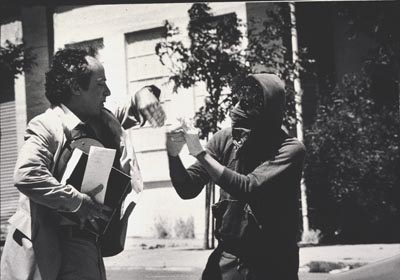
Tony Labat
A Cuban-born, San Francisco-based artist working across performance, video, sculpture and installation, Labat has spent his career probing media, criminality, and the body politic. He emerged from the politically charged California performance scene of the 1970s — alongside figures like Chris Burden, Suzanne Lacy, and ASCO — that pushed art out of the gallery and into public life. His 1978 collaboration with Mike Osterhout, 'Kidnap Attempt', staged the attempted abduction of a public official as political performance, deliberately collapsing the boundary between an artwork and a real crime.
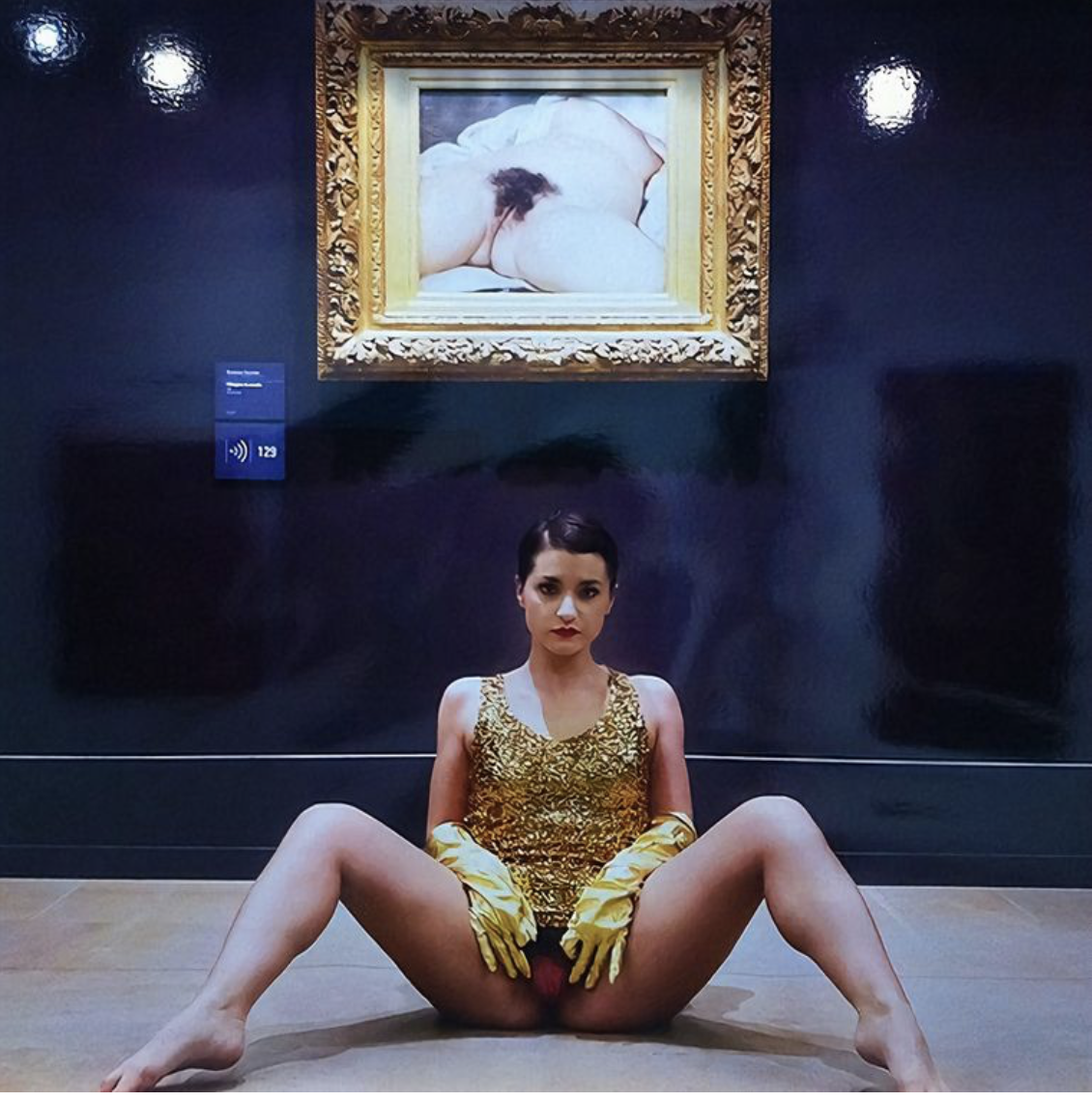
Deborah De Robertis
A Luxembourgish performance artist who stages unauthorised interventions in front of canonical artworks — most famously exposing herself before Courbet's 'The Origin of the World' at the Musée d'Orsay and beneath the Mona Lisa at the Louvre. Her work turns the museum into a stage and the viewer's gaze back on itself, and has repeatedly drawn police complaints, arrests, and charges of sexual exhibitionism — making her a lightning rod in debates over the female body, censorship, and who is permitted to act inside the museum. https://www.youtube.com/watch?v=r0Sr7CblcVQ
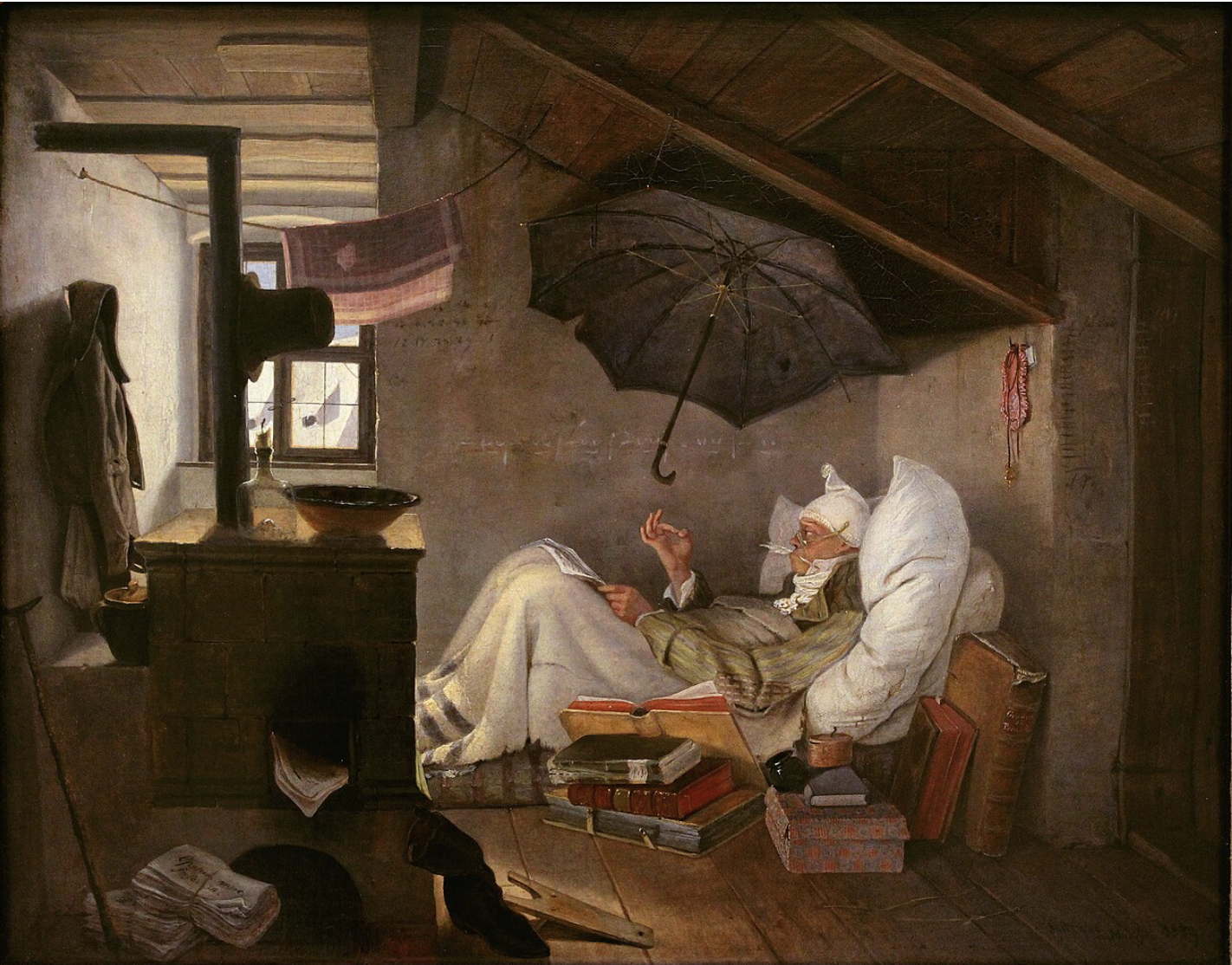
Ulay (Frank Uwe Laysiepen)
A pioneering German performance artist, best known for his long collaboration and relationship with Marina Abramović. Before that partnership, Ulay staged one of the most audacious works in the history of art crime: in 1976 he walked into a Berlin museum, stole a beloved painting, and rehung it in the home of a working-class immigrant family as a live artwork about ownership, value, and belonging.

Robert Mapplethorpe
American photographer whose refined, provocative images of flowers, portraits, and homoerotic and BDSM subjects made him a defining figure of late-20th-century art. His touring retrospective 'The Perfect Moment' ignited the U.S. culture wars and led to the first criminal obscenity trial of an American museum.

Andres Serrano
American photographer whose 1987 work 'Piss Christ' — a crucifix submerged in the artist's urine — became one of the most controversial images in American history, provoking congressional attacks on public arts funding, vandalism, and death threats.

Stass Paraskos
Cypriot-born British painter and teacher who, after a 1966 exhibition in Leeds, became one of the last artists convicted for obscenity under Britain's old vagrancy laws — a prosecution now seen as a milestone in the retreat of such statutes.

Egon Schiele
Austrian Expressionist whose raw, erotically charged nudes scandalised Vienna. Arrested in 1912 on charges relating to his drawings, he saw more than a hundred works seized as obscene — and one reportedly burned by the judge in the courtroom.

Ai Weiwei
China's most prominent contemporary artist and dissident. Detained without charge for 81 days in 2011 and stripped of his passport for years, he has faced repeated censorship and surveillance for work confronting the Chinese state — from investigating earthquake deaths to dropping a Han Dynasty urn.

Pavel Otdelnov
Contemporary Russian painter documenting industrial ruin and collective memory, among the artists whose exhibitions have faced pressure and censorship in Russia over politically sensitive and anti-war themes.
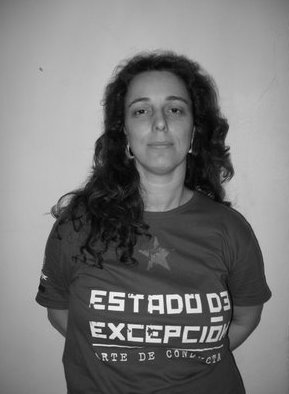
Tania Bruguera
Cuban performance artist whose politically engaged 'arte útil' has led to repeated detentions and the confiscation of her passport by Cuban authorities, making her a symbol of the artist's confrontation with the state.

Pussy Riot
Russian feminist protest-art collective whose 2012 'Punk Prayer' in Moscow's Cathedral of Christ the Saviour led to the imprisonment of several members for 'hooliganism' — one of the defining art-censorship cases of the 21st century.

Dread Scott
American artist whose 1989 installation 'What Is the Proper Way to Display a U.S. Flag?' — inviting visitors to step on a flag — provoked national outrage, a Senate vote, and a Supreme Court fight over flag desecration and free expression.

Karen Finley
American performance artist and one of the 'NEA Four' whose grants were vetoed as too explicit, prompting the landmark Supreme Court case 'NEA v. Finley' at the heart of debates over public funding and artistic freedom.

Ron Athey
American performance artist whose blood-based, body-modification works became a flashpoint in the 1990s culture wars, fuelling congressional attacks on the National Endowment for the Arts.
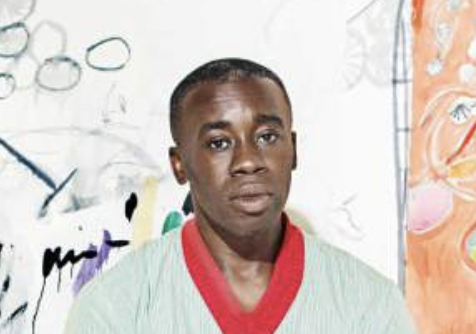
Chris Ofili
Turner Prize-winning British painter whose 'The Holy Virgin Mary', incorporating elephant dung and collage, triggered a 1999 funding battle when New York Mayor Rudy Giuliani tried to defund the Brooklyn Museum over its 'Sensation' exhibition.

Banksy
Anonymous British street artist whose practice sits permanently on the legal edge — trespass, criminal damage, and property disputes — even as his works are removed from walls and sold for millions, raising unresolved questions about who owns illegal art.

Keith Haring
American Pop and street artist who began by chalking bold figures on unused advertising panels in the New York subway — work for which he was repeatedly arrested — before becoming one of the most recognisable artists of the 1980s.

Richard Prince
Richard Prince (born 1949) is one of the most influential—and controversial—artists of the appropriation art movement. Since the late 1970s, he has built a career by rephotographing advertisements, magazine images, social media posts, and other existing works, challenging traditional ideas of originality, authorship, and copyright. His most significant legal battle came in Cariou v. Prince (2013), when photographer Patrick Cariou sued Prince for using dozens of his photographs without permission in the Canal Zone series. In a landmark decision, the U.S. Court of Appeals ruled that most of Prince's works were sufficiently "transformative" to qualify as fair use, fundamentally reshaping American copyright law for contemporary artists. While celebrated by many as a victory for artistic freedom, the case remains deeply divisive, with critics arguing it weakened protections for photographers and creators. Prince has continued to court controversy, most notably with his New Portraits series, in which he enlarged Instagram posts, added his own comments, and sold the resulting works for hundreds of thousands of dollars—once again igniting debates over appropriation, ownership, and where inspiration ends and infringement begins.

Jeff Koons
One of the world's most expensive living artists, Koons has faced a string of copyright-infringement suits over his appropriation of photographs and advertising imagery, making his career a recurring reference point in art-and-law disputes.

Gustave Courbet
The father of Realism, whose frank nudes and radical politics scandalised the establishment. After the 1871 Paris Commune he was imprisoned and held liable for the toppling of the Vendôme Column, dying in exile.

Diego Rivera
Mexican muralist whose 'Man at the Crossroads' at Rockefeller Center was destroyed in 1934 after he refused to remove a portrait of Lenin — one of history's most famous acts of art censorship by a patron.

Diego Velázquez
The supreme painter of the Spanish Golden Age, whose work — and the rare nude 'Rokeby Venus' — navigated the vigilant scrutiny of the Spanish Inquisition in a court where sacred and secular imagery were closely policed.

Francisco de Goya
Spanish master summoned before the Inquisition over 'The Naked Maja', one of the earliest unabashed female nudes in Western art, whose frank sensuality made it a target of religious and moral authorities.