Voina
Russia's most notorious performance artists blurred the line between political protest, vandalism, and contemporary art
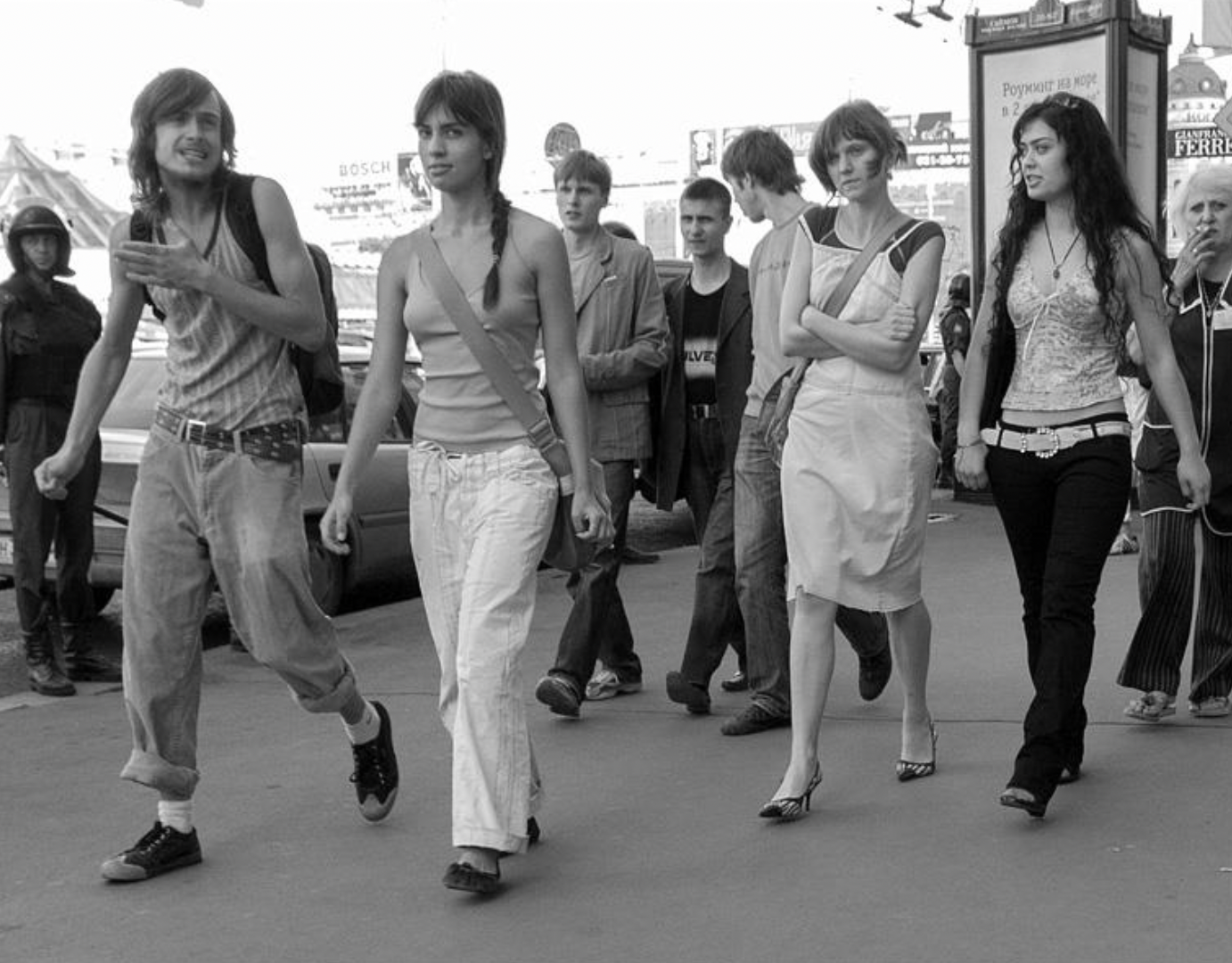
Few contemporary art groups have generated as much controversy—or as many criminal charges—as Voina ("War"), the Russian performance art collective founded in 2007. Part political activists, part conceptual artists, and part provocateurs, the group rejected galleries, museums, and the commercial art world in favor of disruptive public performances that challenged the authority of the Russian state. Voina believed that the artwork wasn't an object—it was the event itself. Their performances ranged from surreal pranks to acts of vandalism, often ending with arrests and international headlines. Among their most famous actions was Dick Captured by the FSB (2010), in which they painted a 65-meter phallus on a drawbridge in St. Petersburg. When the bridge opened, the image stood erect, pointing directly at the headquarters of Russia's Federal Security Service (FSB). The work became an instant symbol of artistic defiance and, remarkably, later won Russia's state-sponsored Innovation Prize for contemporary art. Other performances were even more confrontational. Members overturned police cars, staged mock executions, interrupted court proceedings with punk concerts, welded shut the doors of an elite restaurant, and organized provocative demonstrations criticizing corruption, police brutality, censorship, and political repression. More than a dozen criminal cases were eventually brought against members of the collective. The group's history also intersected with another famous activist collective. Nadezhda Tolokonnikova and Pyotr Verzilov were early members of Voina before splitting from the group in 2009. Two years later, Tolokonnikova co-founded Pussy Riot, whose anti-Putin protest inside Moscow's Cathedral of Christ the Saviour attracted worldwide attention. Their performances intentionally erased the boundary between art, activism, and crime, forcing audiences to confront uncomfortable questions about power, authority, and free expression. Voina demonstrated that in the twenty-first century, one of the most powerful canvases wasn't a museum wall—it was the street itself.