Results for “activism”

The Detention of Ai Weiwei
In 2011 Chinese authorities detained Ai Weiwei without charge for 81 days and later held his passport for years, part of a sustained campaign of censorship, surveillance, and pressure against the country's most prominent dissident artist.
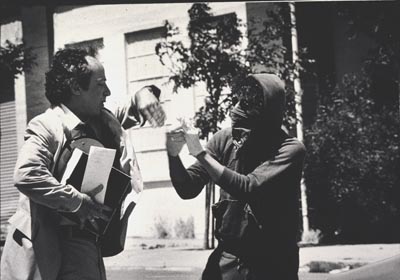
Tony Labat's 'Kidnap Attempt'
In 1978, Tony Labat and Mike Osterhout staged the attempted kidnapping of a public official as a work of political performance art — an intervention in public space that deliberately blurred the line between art, protest, and crime. The action ultimately failed.
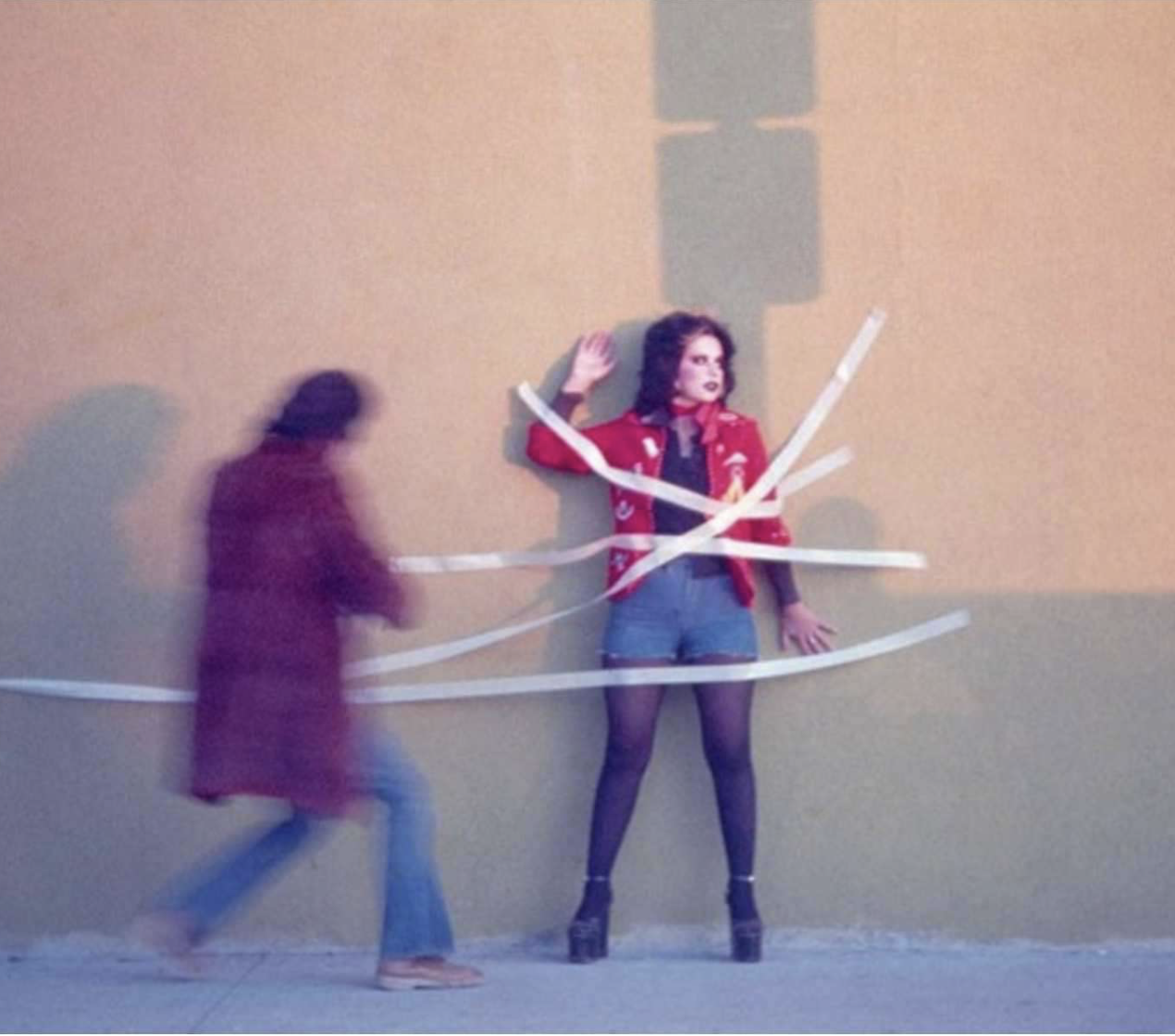
Asco
Founded in East Los Angeles in 1972, Asco — Spanish for 'disgust' or 'nausea' — was a groundbreaking Chicano art collective whose core members included Harry Gamboa Jr., Gronk, Willie F. Herrón III, and Patssi Valdez. Emerging from the aftermath of the Chicano Moratorium and amid widespread police violence, racism, and the Vietnam War, the group rejected both mainstream art institutions and the limitations of traditional political muralism. Instead, they embraced performance, conceptual art, photography, film, and public intervention to challenge stereotypes and redefine what Chicano art could be. Asco became famous for provocative works that blurred the line between art and activism. In their legendary 'Spray Paint LACMA' (1972), members tagged their names on a bridge at the Los Angeles County Museum of Art after being told that Chicanos didn't make 'fine art'. Their 'No Movies' series staged elaborate stills from fictional films, satirizing Hollywood's exclusion and stereotyping of Latinos, while performances such as 'Walking Mural' and 'Instant Mural' transformed the streets of East L.A. into living galleries. Although largely ignored by major museums during their active years (1972–1987), Asco's influence has grown dramatically. Their work has since been exhibited by major institutions, including LACMA, and they are now recognized as pioneers of conceptual art, performance, and institutional critique. In 2025, the documentary 'ASCO: Without Permission' brought renewed attention to the group's remarkable legacy and lasting impact on generations of artists.
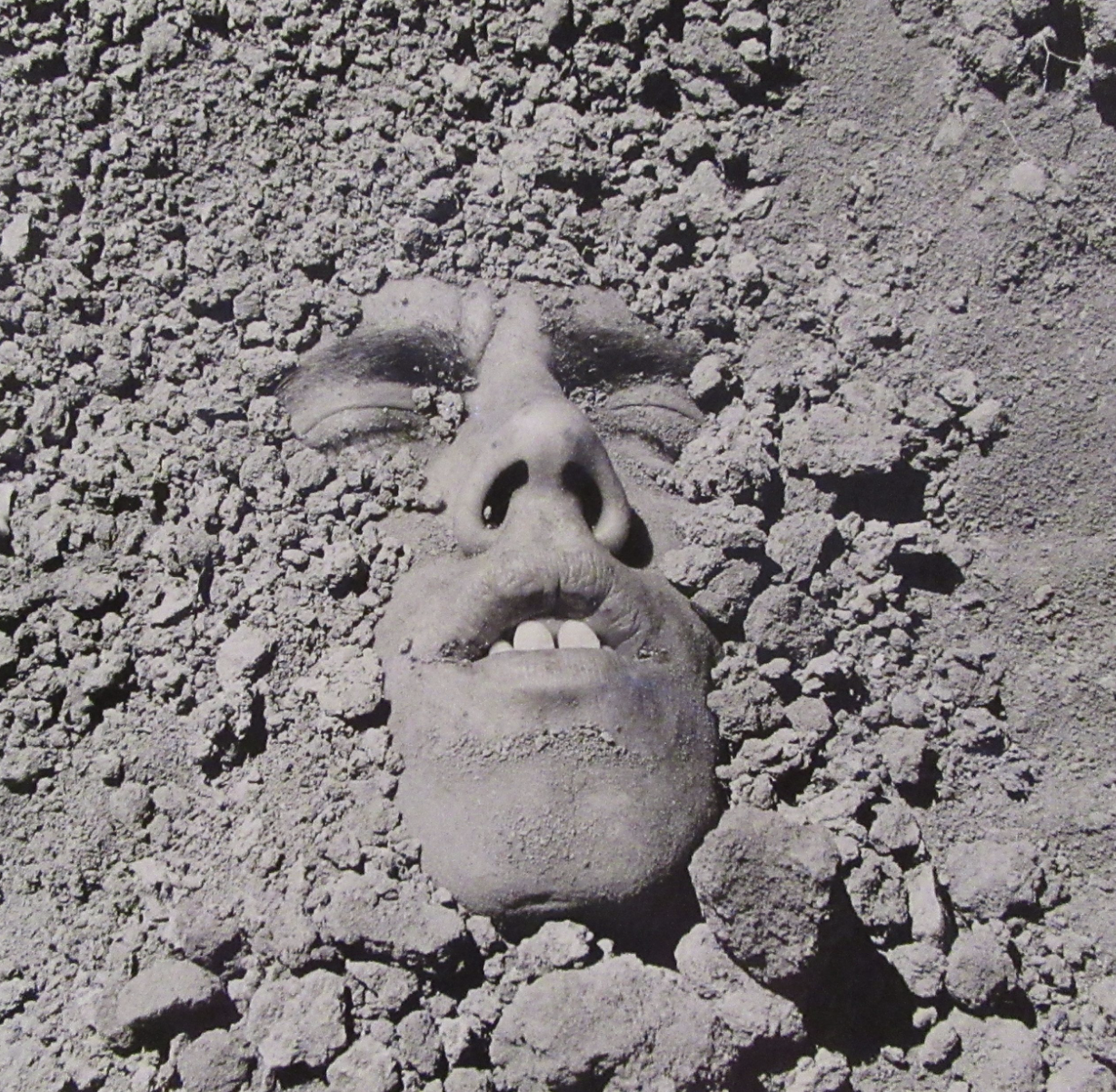
David Wojnarowicz
David Wojnarowicz (1954–1992) was an American artist, writer, filmmaker, photographer, and AIDS activist whose work became one of the most powerful artistic indictments of censorship, government neglect, and social injustice in the late twentieth century. Raised amid poverty and abuse before spending time homeless and hustling on the streets of New York, Wojnarowicz transformed his experiences on society's margins into a fiercely original body of work that blended painting, photography, collage, film, performance, and autobiographical writing. A central figure of New York's East Village art scene in the 1980s, he believed art should confront power rather than comfort it. For followers of Crimes of Art, Wojnarowicz occupies a unique place where art, censorship, and the law collide. His work challenged institutions ranging from the National Endowment for the Arts to conservative political organizations during the height of America's culture wars. In 1990, he successfully sued the American Family Association after it distributed altered excerpts of his work to portray him as obscene, winning a landmark case that affirmed artists could fight back against the deliberate misrepresentation of their work. His art was inseparable from activism. Following his HIV diagnosis in 1988 and the death of his mentor and partner, photographer Peter Hujar, Wojnarowicz produced emotionally charged works condemning the U.S. government's indifference to the AIDS epidemic. Images of burning maps, falling buffalo, houses in flames, stitched mouths, and fragmented bodies became symbols of a society abandoning its most vulnerable citizens. His memoir 'Close to the Knives' remains one of the defining literary accounts of the AIDS crisis and artistic resistance. Even after his death from AIDS-related illness in 1992 at the age of thirty-seven, controversy continued to follow his work. In 2010, the Smithsonian Institution removed his short film 'A Fire in My Belly' from an exhibition after political pressure from conservative groups over a brief scene depicting ants crawling across a crucifix. The incident reignited a national debate over artistic freedom, censorship, religion, and public funding for the arts, cementing Wojnarowicz's legacy as an artist whose work continued to challenge authority long after his death. Today, David Wojnarowicz is recognized as one of the most influential American artists of his generation. His work can be found in the collections of the Museum of Modern Art, the Whitney Museum of American Art, and major institutions worldwide. More than three decades after his death, his uncompromising vision continues to inspire artists, activists, and anyone interested in the uneasy relationship between creativity, power, and the law.
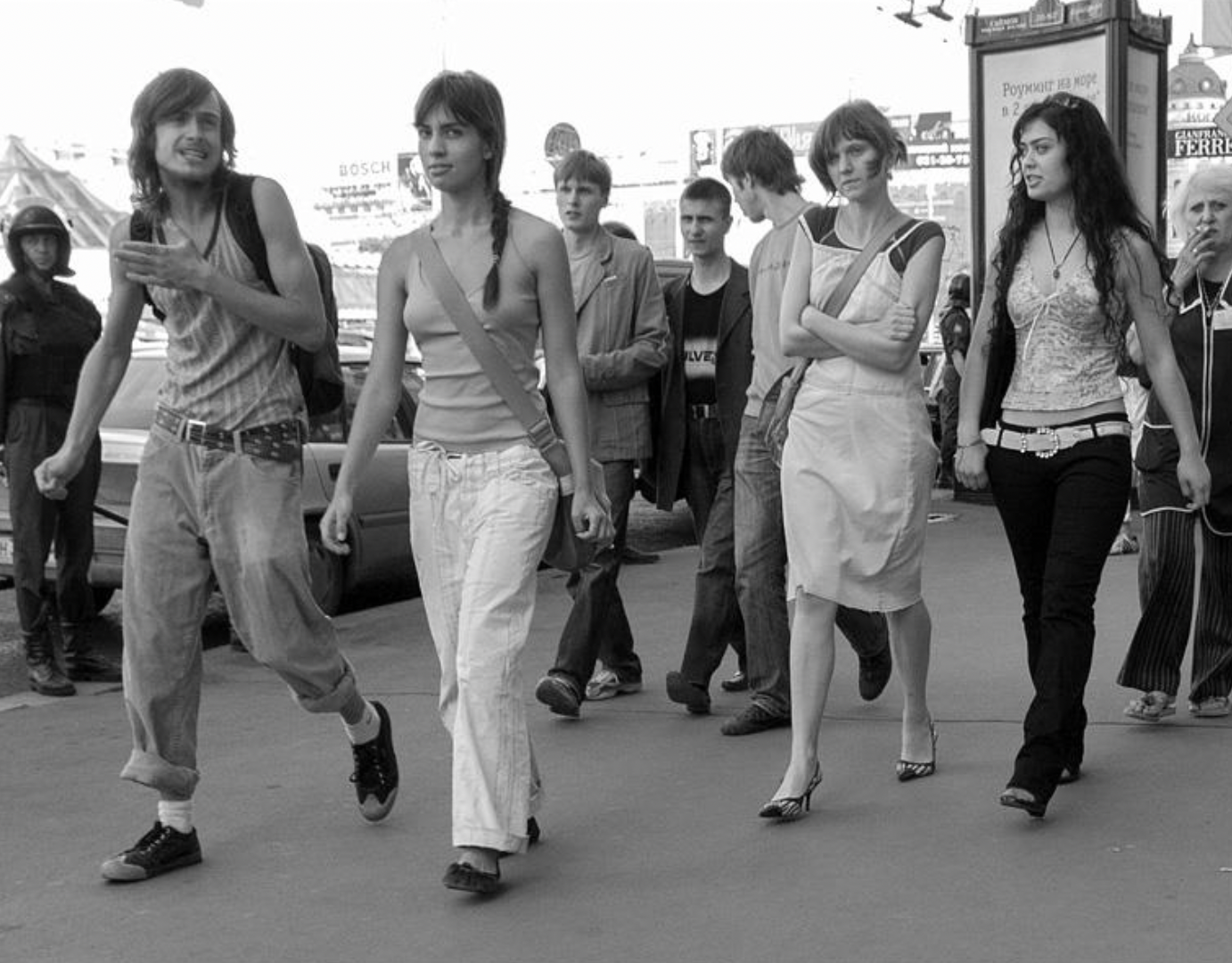
Voina
Few contemporary art groups have generated as much controversy—or as many criminal charges—as Voina ("War"), the Russian performance art collective founded in 2007. Part political activists, part conceptual artists, and part provocateurs, the group rejected galleries, museums, and the commercial art world in favor of disruptive public performances that challenged the authority of the Russian state. Voina believed that the artwork wasn't an object—it was the event itself. Their performances ranged from surreal pranks to acts of vandalism, often ending with arrests and international headlines. Among their most famous actions was Dick Captured by the FSB (2010), in which they painted a 65-meter phallus on a drawbridge in St. Petersburg. When the bridge opened, the image stood erect, pointing directly at the headquarters of Russia's Federal Security Service (FSB). The work became an instant symbol of artistic defiance and, remarkably, later won Russia's state-sponsored Innovation Prize for contemporary art. Other performances were even more confrontational. Members overturned police cars, staged mock executions, interrupted court proceedings with punk concerts, welded shut the doors of an elite restaurant, and organized provocative demonstrations criticizing corruption, police brutality, censorship, and political repression. More than a dozen criminal cases were eventually brought against members of the collective. The group's history also intersected with another famous activist collective. Nadezhda Tolokonnikova and Pyotr Verzilov were early members of Voina before splitting from the group in 2009. Two years later, Tolokonnikova co-founded Pussy Riot, whose anti-Putin protest inside Moscow's Cathedral of Christ the Saviour attracted worldwide attention. Their performances intentionally erased the boundary between art, activism, and crime, forcing audiences to confront uncomfortable questions about power, authority, and free expression. Voina demonstrated that in the twenty-first century, one of the most powerful canvases wasn't a museum wall—it was the street itself.

When Columbus Met Climate Activism
Two activists from Futuro Vegetal threw biodegradable red paint at José Garnelo's 1892 'First Tribute to Christopher Columbus' before unfurling banners protesting Spain's National Day.

Pink Paint and a Canadian Masterpiece
A protester from Last Generation Canada threw bright pink paint toward Helen McNicoll's 'Sunny September', declaring the aim was not to destroy art but to protect the future it represents.

When Vandalism Became Performance Art
During a Jacques Lacan exhibition, artist Deborah De Robertis and collaborators wrote 'ME TOO' in red marker across Courbet's 'The Origin of the World' and targeted works by Louise Bourgeois and others.