Asco
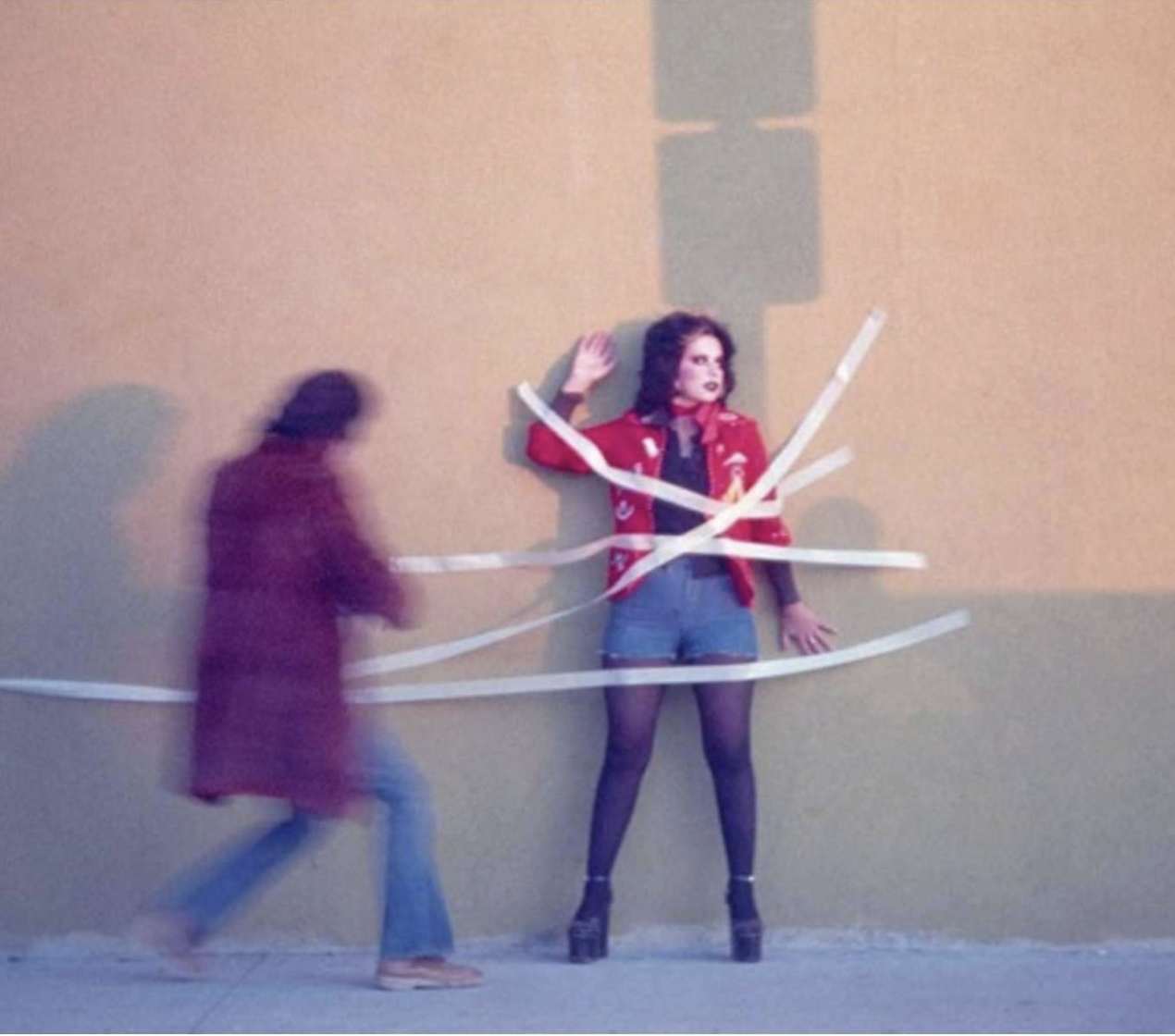
Image: courtesy / press
Founded in East Los Angeles in 1972, Asco — Spanish for 'disgust' or 'nausea' — was a groundbreaking Chicano art collective whose core members included Harry Gamboa Jr., Gronk, Willie F. Herrón III, and Patssi Valdez. Emerging from the aftermath of the Chicano Moratorium and amid widespread police violence, racism, and the Vietnam War, the group rejected both mainstream art institutions and the limitations of traditional political muralism. Instead, they embraced performance, conceptual art, photography, film, and public intervention to challenge stereotypes and redefine what Chicano art could be.
Asco became famous for provocative works that blurred the line between art and activism. In their legendary 'Spray Paint LACMA' (1972), members tagged their names on a bridge at the Los Angeles County Museum of Art after being told that Chicanos didn't make 'fine art'. Their 'No Movies' series staged elaborate stills from fictional films, satirizing Hollywood's exclusion and stereotyping of Latinos, while performances such as 'Walking Mural' and 'Instant Mural' transformed the streets of East L.A. into living galleries.
Although largely ignored by major museums during their active years (1972–1987), Asco's influence has grown dramatically. Their work has since been exhibited by major institutions, including LACMA, and they are now recognized as pioneers of conceptual art, performance, and institutional critique. In 2025, the documentary 'ASCO: Without Permission' brought renewed attention to the group's remarkable legacy and lasting impact on generations of artists.