Results for “conceptual”
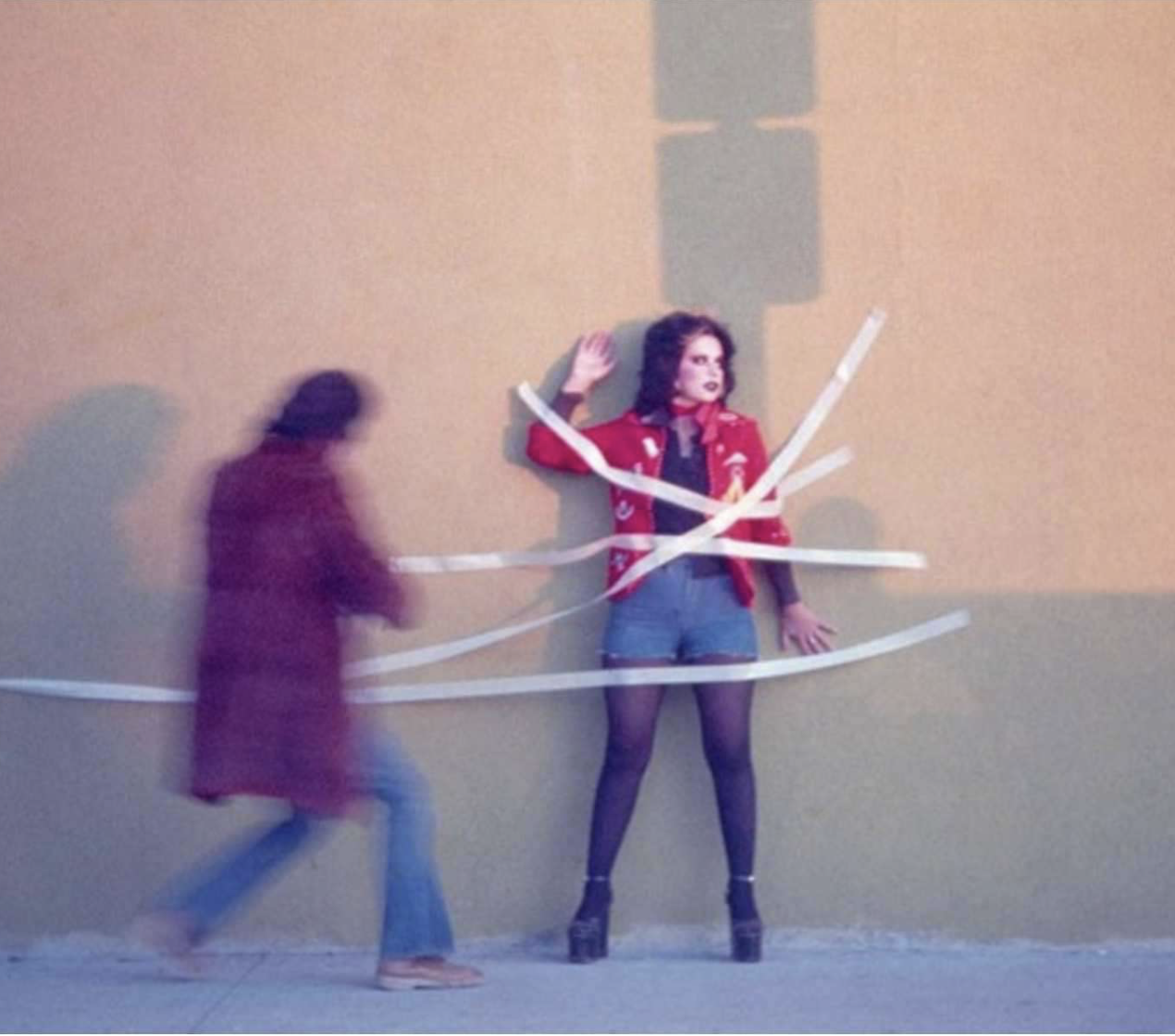
Asco
Founded in East Los Angeles in 1972, Asco — Spanish for 'disgust' or 'nausea' — was a groundbreaking Chicano art collective whose core members included Harry Gamboa Jr., Gronk, Willie F. Herrón III, and Patssi Valdez. Emerging from the aftermath of the Chicano Moratorium and amid widespread police violence, racism, and the Vietnam War, the group rejected both mainstream art institutions and the limitations of traditional political muralism. Instead, they embraced performance, conceptual art, photography, film, and public intervention to challenge stereotypes and redefine what Chicano art could be. Asco became famous for provocative works that blurred the line between art and activism. In their legendary 'Spray Paint LACMA' (1972), members tagged their names on a bridge at the Los Angeles County Museum of Art after being told that Chicanos didn't make 'fine art'. Their 'No Movies' series staged elaborate stills from fictional films, satirizing Hollywood's exclusion and stereotyping of Latinos, while performances such as 'Walking Mural' and 'Instant Mural' transformed the streets of East L.A. into living galleries. Although largely ignored by major museums during their active years (1972–1987), Asco's influence has grown dramatically. Their work has since been exhibited by major institutions, including LACMA, and they are now recognized as pioneers of conceptual art, performance, and institutional critique. In 2025, the documentary 'ASCO: Without Permission' brought renewed attention to the group's remarkable legacy and lasting impact on generations of artists.
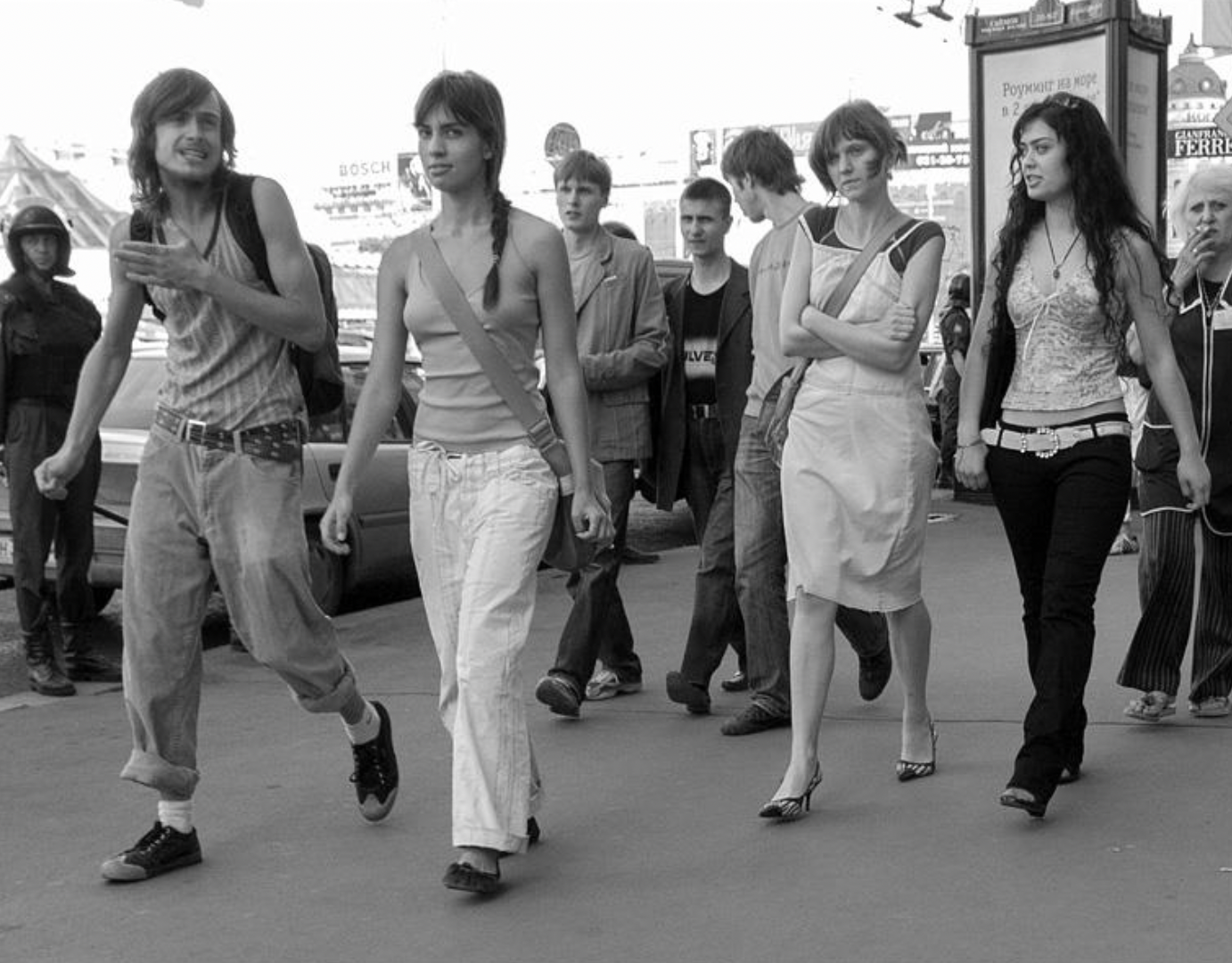
Voina
Few contemporary art groups have generated as much controversy—or as many criminal charges—as Voina ("War"), the Russian performance art collective founded in 2007. Part political activists, part conceptual artists, and part provocateurs, the group rejected galleries, museums, and the commercial art world in favor of disruptive public performances that challenged the authority of the Russian state. Voina believed that the artwork wasn't an object—it was the event itself. Their performances ranged from surreal pranks to acts of vandalism, often ending with arrests and international headlines. Among their most famous actions was Dick Captured by the FSB (2010), in which they painted a 65-meter phallus on a drawbridge in St. Petersburg. When the bridge opened, the image stood erect, pointing directly at the headquarters of Russia's Federal Security Service (FSB). The work became an instant symbol of artistic defiance and, remarkably, later won Russia's state-sponsored Innovation Prize for contemporary art. Other performances were even more confrontational. Members overturned police cars, staged mock executions, interrupted court proceedings with punk concerts, welded shut the doors of an elite restaurant, and organized provocative demonstrations criticizing corruption, police brutality, censorship, and political repression. More than a dozen criminal cases were eventually brought against members of the collective. The group's history also intersected with another famous activist collective. Nadezhda Tolokonnikova and Pyotr Verzilov were early members of Voina before splitting from the group in 2009. Two years later, Tolokonnikova co-founded Pussy Riot, whose anti-Putin protest inside Moscow's Cathedral of Christ the Saviour attracted worldwide attention. Their performances intentionally erased the boundary between art, activism, and crime, forcing audiences to confront uncomfortable questions about power, authority, and free expression. Voina demonstrated that in the twenty-first century, one of the most powerful canvases wasn't a museum wall—it was the street itself.

The Trouble With 'Fountain'
Marcel Duchamp's 'Fountain' — a signed urinal that founded conceptual art — has repeatedly tempted performance artist Pierre Pinoncelli to urinate in it and, later, attack it with a hammer.
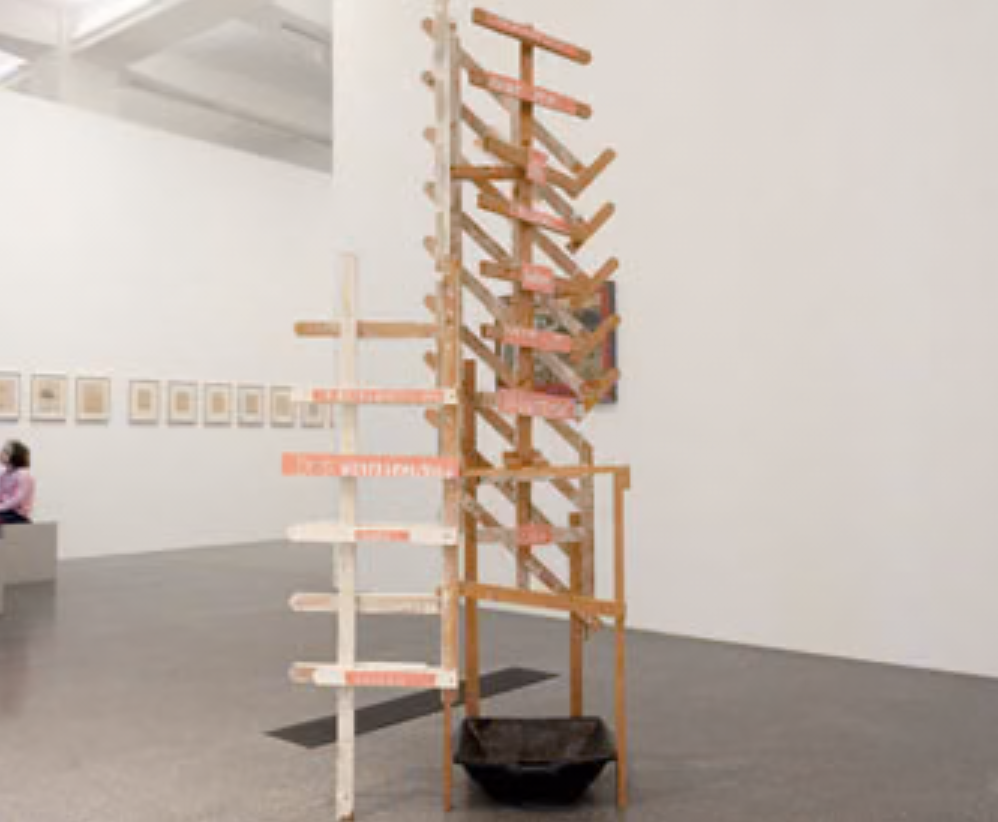
The Cleaner Who Binned the Art
A diligent cleaner scrubbed away a carefully applied patina from a Martin Kippenberger installation, mistaking the artwork for a dirty stain — a recurring hazard of conceptual art.
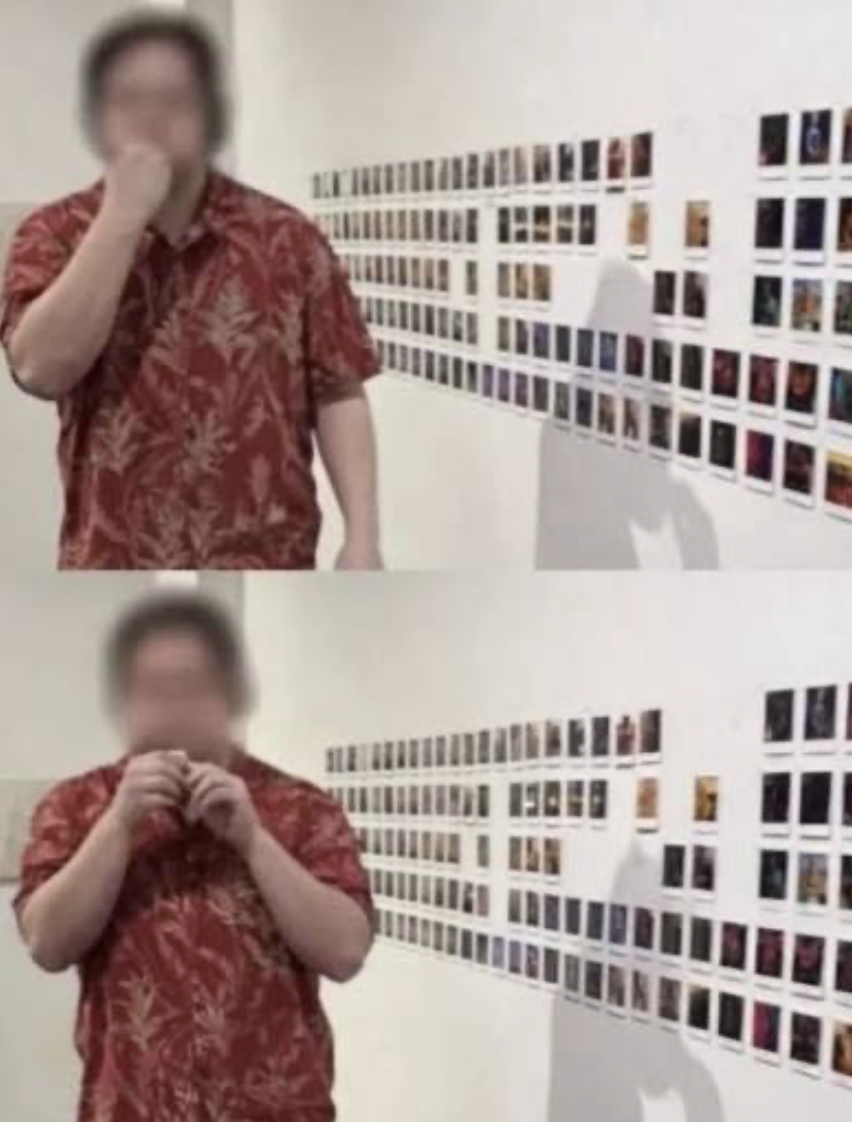
My Friend Ate My Art!
During an exhibition of Nick Dwyer's installation 'Shadow Searching: ChatGPT Psychosis', a fellow student reportedly consumed part of the artwork — turning a conceptual piece into his own hungry performance.

Please Don't Step in the Peanut Butter
Wim T. Schippers' 'Peanut Butter Platform' — more than 1,000 litres of peanut butter spread across a gallery floor — was left unbarriered, and four visitors promptly stepped straight into it.
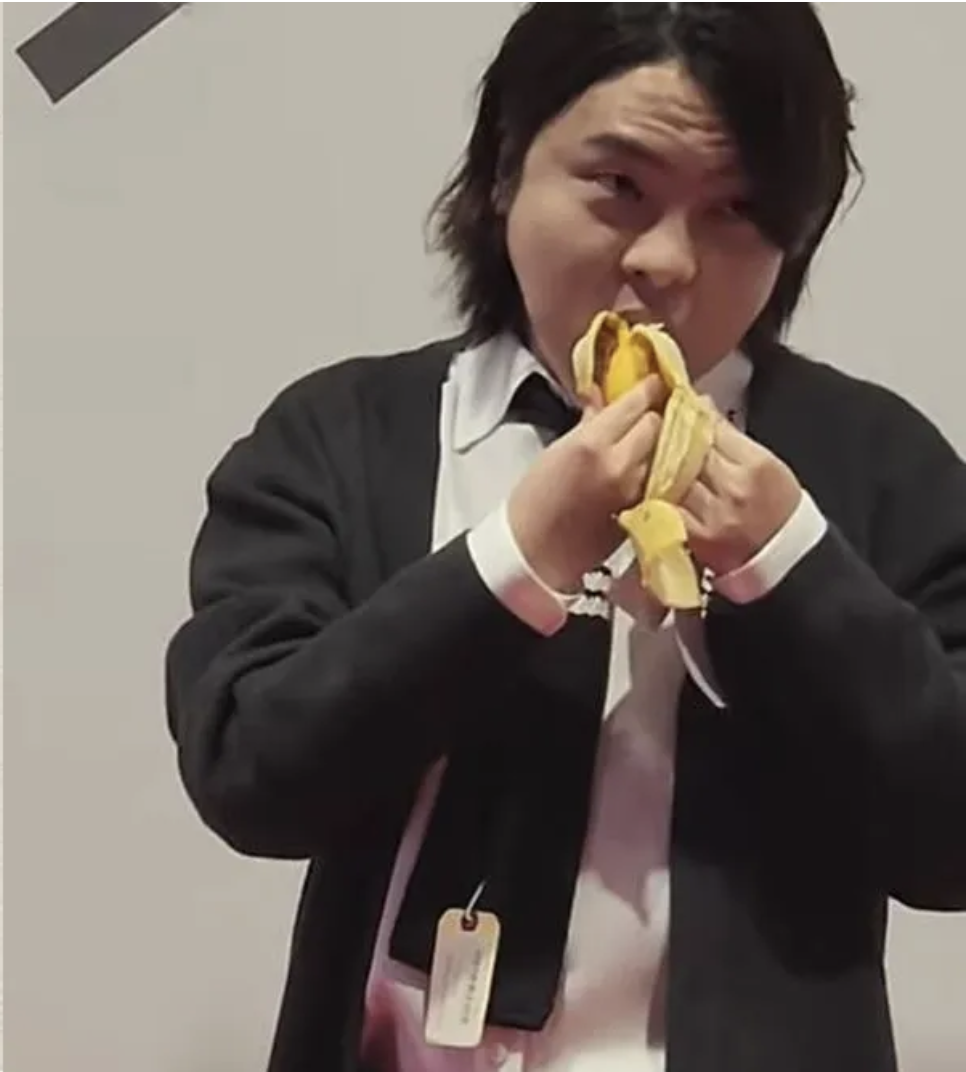
Cattelan Banana too Tempting for Hungy Student
Days after Maurizio Cattelan's 'Comedian' — a banana duct-taped to a wall — debuted, performance artist David Datuna peeled it off and ate it in front of stunned visitors.