Hans-Joachim Bohlmann
Serial Vandal
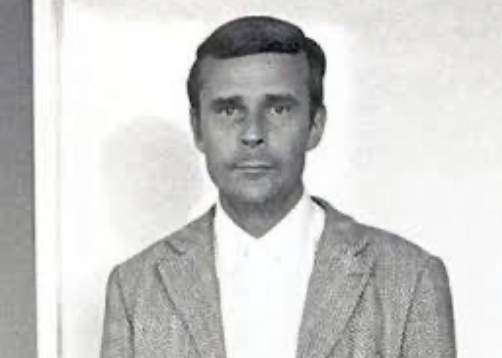
Between 1977 and 2006, the German serial vandal attacked more than 50 paintings, inflicting damage estimated at over 270 million Deutsche Marks (roughly €138 million). Armed not with knives or hammers, but bottles of concentrated sulfuric acid, he permanently scarred works by Rembrandt, Peter Paul Rubens, Albrecht Dürer, Lucas Cranach the Elder, and Paul Klee, becoming one of the most destructive figures in the history of museum crime. Bohlmann's life was marked by severe mental illness from adolescence. After years of psychiatric treatment—including electroshock therapy, heavy medication, and even a controversial lobotomy that failed to improve his condition—his life took a tragic turn in 1977 when his wife died after falling from a window while cleaning their apartment. Bohlmann later claimed her death triggered his attacks on art. Just days after the funeral, he purchased sulfuric acid and began targeting museums. His first museum victim was Paul Klee's Golden Fish at Hamburg's Kunsthalle. Within months, museums across Germany were on edge as he moved from city to city, spraying acid directly onto paintings. He frequently aimed at the faces of portraits, seeking to inflict the greatest possible damage. Among his most devastating attacks were acid assaults on Lucas Cranach the Elder's portraits of Martin Luther and Katharina von Bora, Rubens's Archduke Albrecht, several Rembrandts in Kassel, and in 1988, three masterpieces by Albrecht Dürer at Munich's Alte Pinakothek, causing an estimated €35 million in damage. Arrested repeatedly, Bohlmann served prison sentences and spent years in psychiatric hospitals, but each release was followed by new attacks. Even after authorities prohibited him from purchasing sulfuric acid, he turned to arson before eventually returning to museum vandalism. In a strange twist, Bohlmann participated in art therapy during his confinement, producing roughly 1,500 paintings over nine years. The treatment, however, did little to curb his destructive impulses. His final major attack came in 2006 at Amsterdam's Rijksmuseum, where he doused Bartholomeus van der Helst's monumental Banquet of the Amsterdam Civic Guard in Celebration of the Peace of Münster with lighter fluid and set it ablaze. Fortunately, most of the damage was confined to the painting's varnish layer, allowing conservators to restore the work. Unlike most criminals featured in art history, Bohlmann wasn't driven by money or prestige. He wanted recognition through destruction. Every attack generated headlines, reinforced his notoriety, and forced museums to confront an unsettling reality: one determined individual with a small bottle of acid could inflict damage that centuries of history could never fully repair.