Guy Hain
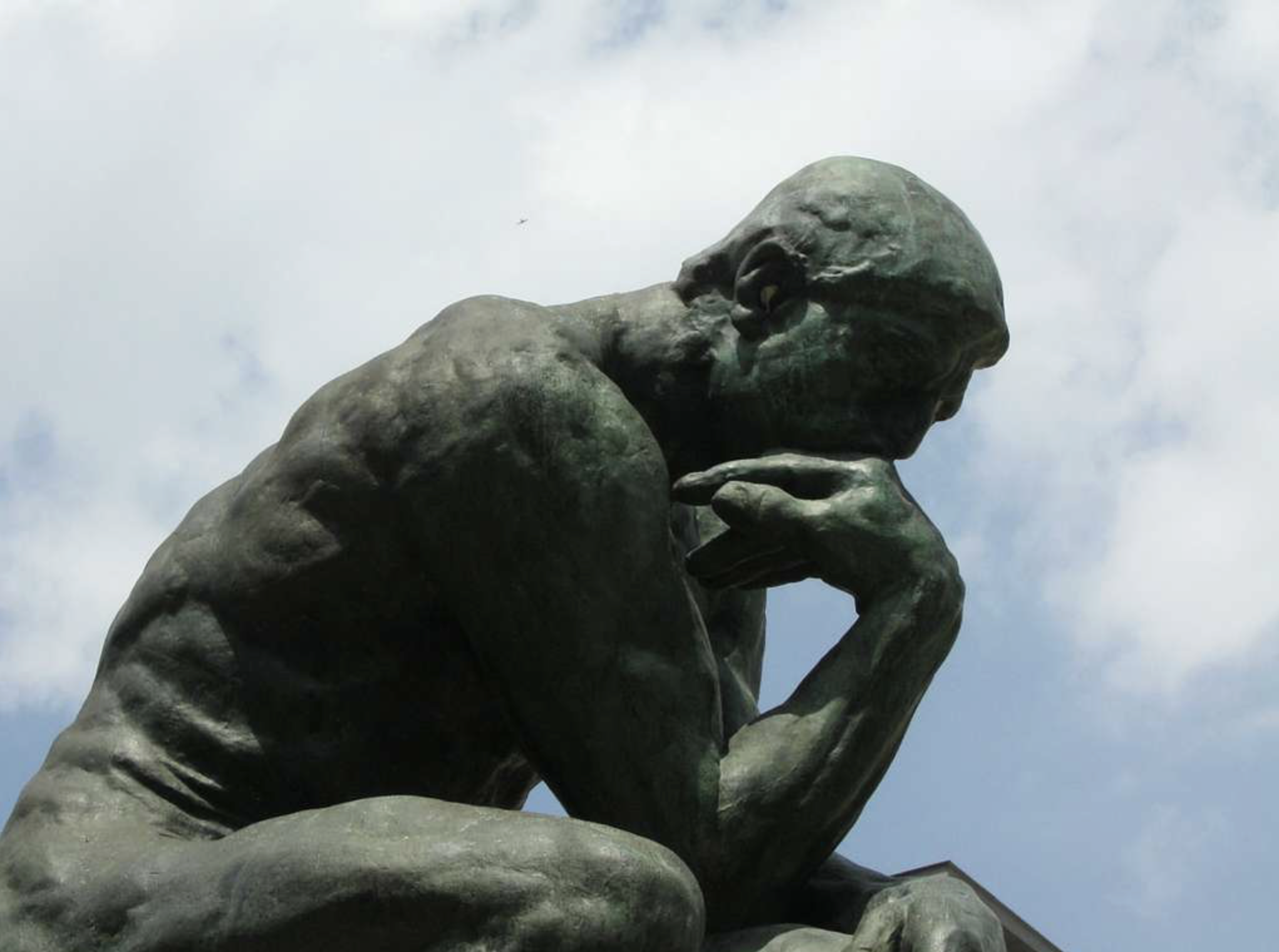
A former veterinary salesman turned art dealer, Hain developed an obsession with French bronze sculpture after buying Rodin's The Kiss in the 1960s. Before long, he had gained access to the original molds and production plasters once used by the famed Rudier foundry—the same foundry that had cast many of Auguste Rodin's bronzes during the artist's lifetime. For a forger, it was the equivalent of finding the recipe instead of trying to guess the ingredients. Using the original molds, Hain commissioned newly cast bronzes that were virtually indistinguishable from legitimate examples. He allegedly stamped many of them with the prestigious Alexis Rudier foundry mark before selling them through galleries and auction houses as authentic early casts. Experts struggled to tell the difference because, technically, the sculptures had been made from the same molds as the originals. Rodin was only the beginning. Hain expanded his operation to include works after Camille Claudel, Antoine-Louis Barye, Aristide Maillol, Jean-Baptiste Carpeaux, Pierre-Auguste Renoir, and dozens of other celebrated sculptors. Investigators later estimated he had produced more than 6,000 unauthorized bronzes, effectively flooding the market with sculptures that looked entirely legitimate. French authorities finally intervened in 1992, seizing roughly 20 tons of bronze sculptures from foundries and workshops across France. Hain was convicted of forgery in 1997 and sentenced to four years in prison, though he served only about 18 months. That wasn't the end of the story. After his release, Hain allegedly resumed production, dividing the casting, chasing, and patination among different foundries to make the operation harder to trace. He was arrested again in 2002, and investigators uncovered more than 1,100 additional sculptures representing the work of 98 different French artists. The scandal rattled collectors and auction houses alike. Even respected firms, including Christie's and Sotheby's, had unknowingly sold Hain's bronzes, forcing experts to reexamine decades of sales and raising uncomfortable questions about how many suspect sculptures remain in private collections. Guy Hain's greatest trick wasn't making fake bronzes. It was proving that even when a sculpture comes from the original mold, authenticity isn't always cast in bronze.