Results for “bronze”

The Isabella Stewart Gardner Heist
In the early hours after St. Patrick's Day 1990, two men dressed as police officers talked their way into the Gardner Museum and left with thirteen works of art. It remains the largest unsolved property theft in history. With a current value of $1 Billion.
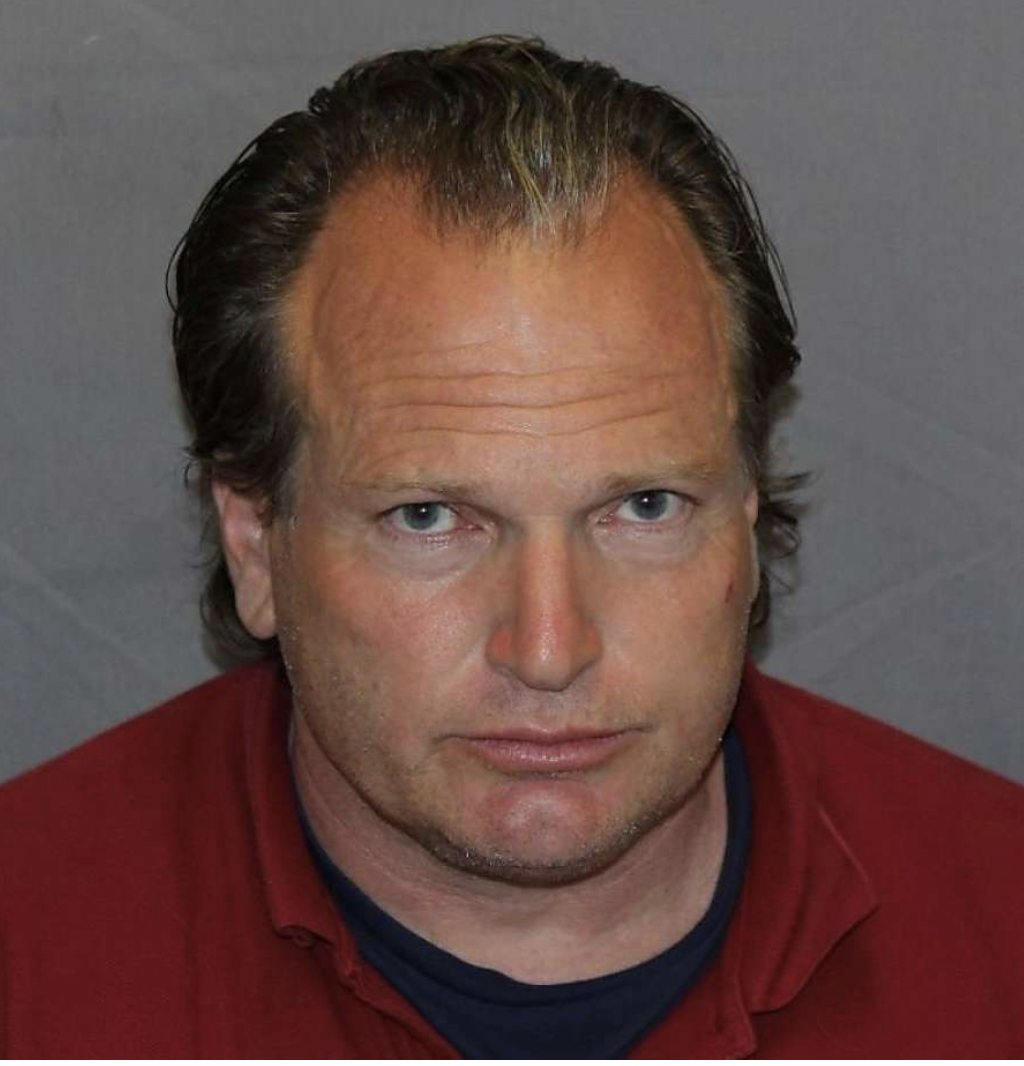
The Brugnara Art Fraud
San Francisco real-estate figure Luke Brugnara accepted $11 million in art — Degas, Picasso, de Kooning, Miró — then declared them gifts and refused to pay. His 2015 fraud trial became a courtroom spectacle.

Switzerland Returns the Benin Bronzes to Nigeria
Looted by a British punitive expedition in 1897 and scattered across Western museums, the Benin Bronzes have become the defining test of colonial-era restitution — with Switzerland and others now returning them to Nigeria.

The Stephen Shih Rodin Theft
On Thanksgiving Day 1988, Stephen Shih walked into Philadelphia's Rodin Museum with a handgun, handcuffed three guards, fired a warning shot, and strolled out with Rodin's 'Mask of the Man with the Broken Nose'. It was recovered four months later near a basement furnace.
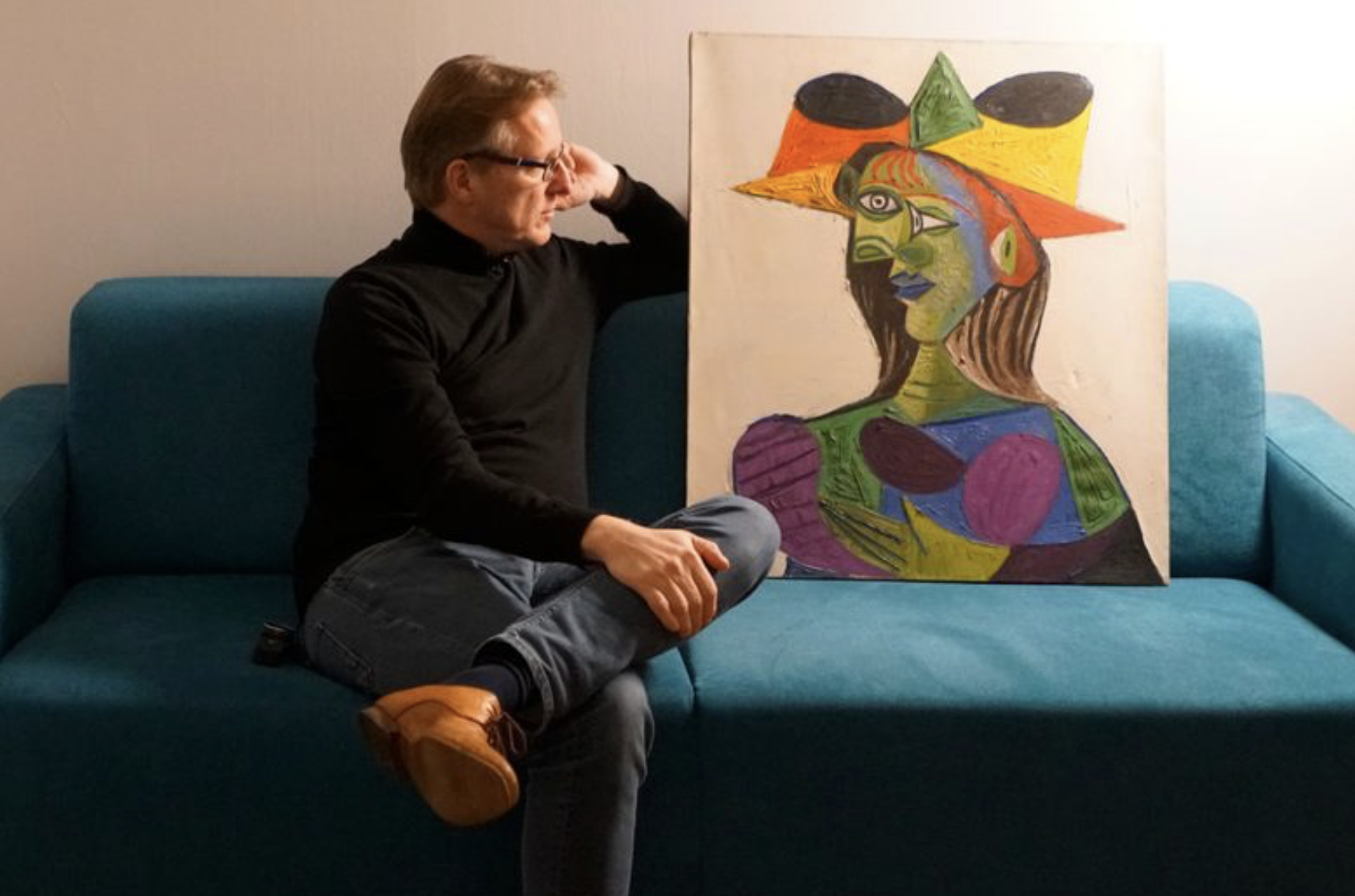
Arthur Brand
Dubbed the 'Indiana Jones of the art world', Arthur Brand is a Dutch art detective who has recovered a remarkable string of stolen and looted works by working the grey zone between the underworld and the market. His finds include the monumental bronze horses sculpted for Hitler's Reich Chancellery ('Hitler's Horses'), a Picasso portrait of Dora Maar missing for two decades, Oscar Wilde's ring, and a Van Gogh spirited away during the pandemic. He operates through informants and patient negotiation rather than force, arguing that most stolen art is never sold but circulates as underworld collateral.
Luke Brugnara
A San Francisco real-estate figure who, in 2014, took possession of roughly $11 million in art — works attributed to Degas, Picasso, de Kooning, Miró and George Luks — and then refused to pay, claiming they were gifts. Convicted of mail and wire fraud in 2015 after a chaotic trial in which he represented himself, briefly escaped custody, and was cited for contempt, he was sentenced to seven years. A $3 million Degas bronze remained unaccounted for after the FBI raid.
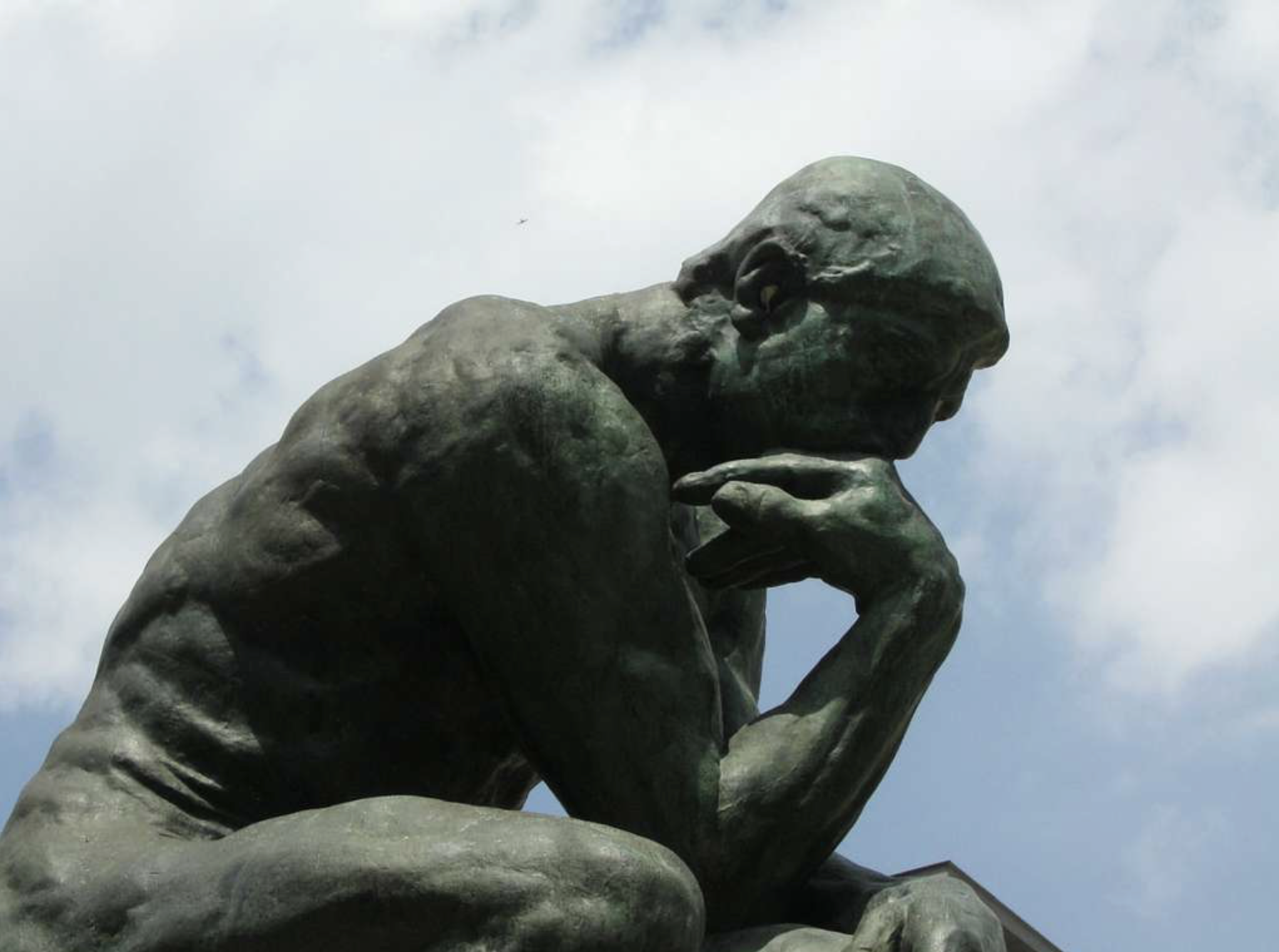
Guy Hain
A former veterinary salesman turned art dealer, Hain developed an obsession with French bronze sculpture after buying Rodin's The Kiss in the 1960s. Before long, he had gained access to the original molds and production plasters once used by the famed Rudier foundry—the same foundry that had cast many of Auguste Rodin's bronzes during the artist's lifetime. For a forger, it was the equivalent of finding the recipe instead of trying to guess the ingredients. Using the original molds, Hain commissioned newly cast bronzes that were virtually indistinguishable from legitimate examples. He allegedly stamped many of them with the prestigious Alexis Rudier foundry mark before selling them through galleries and auction houses as authentic early casts. Experts struggled to tell the difference because, technically, the sculptures had been made from the same molds as the originals. Rodin was only the beginning. Hain expanded his operation to include works after Camille Claudel, Antoine-Louis Barye, Aristide Maillol, Jean-Baptiste Carpeaux, Pierre-Auguste Renoir, and dozens of other celebrated sculptors. Investigators later estimated he had produced more than 6,000 unauthorized bronzes, effectively flooding the market with sculptures that looked entirely legitimate. French authorities finally intervened in 1992, seizing roughly 20 tons of bronze sculptures from foundries and workshops across France. Hain was convicted of forgery in 1997 and sentenced to four years in prison, though he served only about 18 months. That wasn't the end of the story. After his release, Hain allegedly resumed production, dividing the casting, chasing, and patination among different foundries to make the operation harder to trace. He was arrested again in 2002, and investigators uncovered more than 1,100 additional sculptures representing the work of 98 different French artists. The scandal rattled collectors and auction houses alike. Even respected firms, including Christie's and Sotheby's, had unknowingly sold Hain's bronzes, forcing experts to reexamine decades of sales and raising uncomfortable questions about how many suspect sculptures remain in private collections. Guy Hain's greatest trick wasn't making fake bronzes. It was proving that even when a sculpture comes from the original mold, authenticity isn't always cast in bronze.