Results for “forgery”
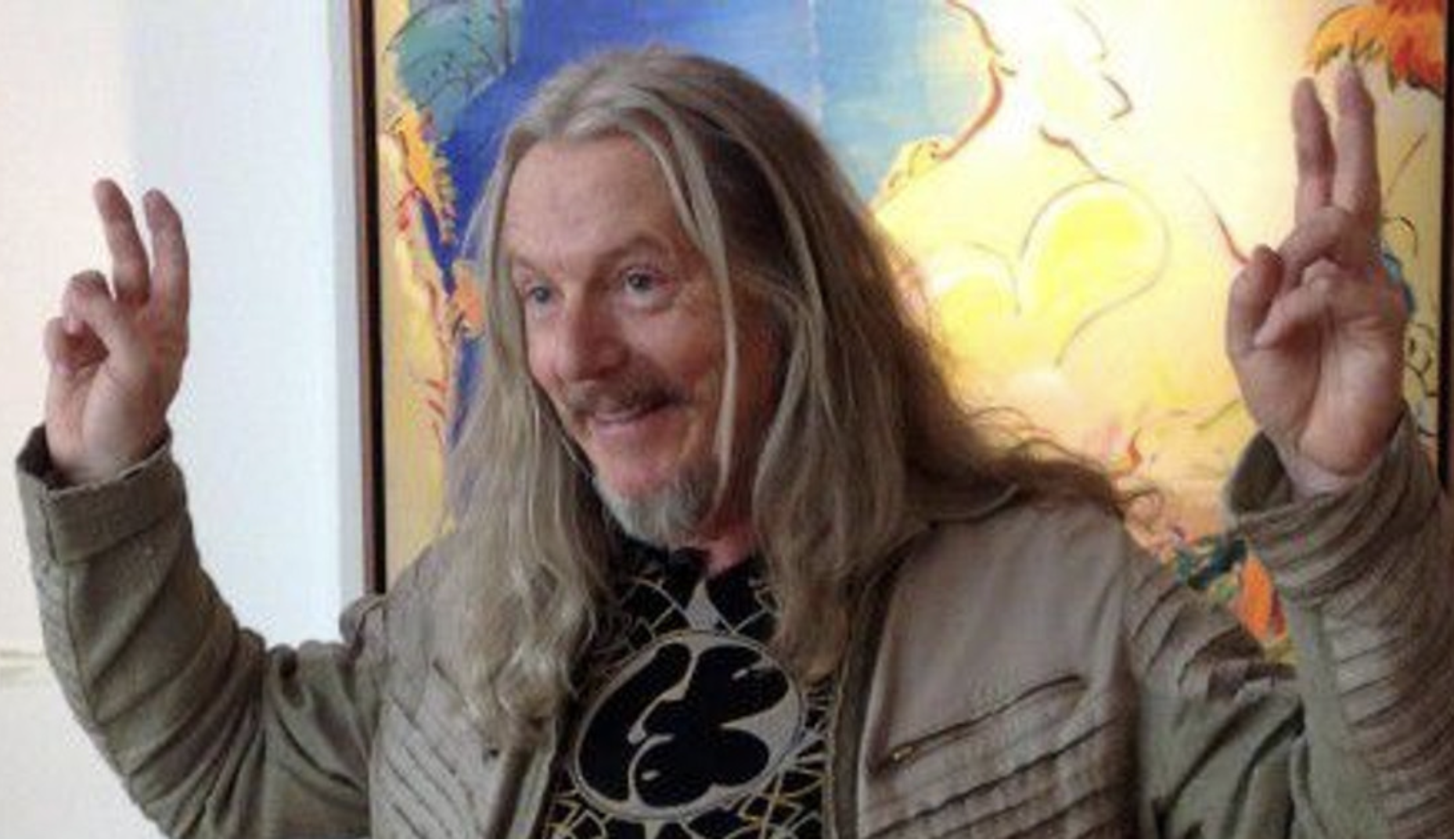
The Beltracchi Forgery Ring
Rather than copy existing paintings, Wolfgang Beltracchi invented new 'lost' works by twentieth-century masters and gave them a fake history. A single anachronistic pigment brought the whole edifice down.

Van Meegeren's Vermeer Forgeries
Han van Meegeren painted 'lost' Vermeers so convincing that they entered major collections — and one reached Hermann Göring. Accused of selling a national treasure to the enemy, he confessed to the greater crime of forgery.
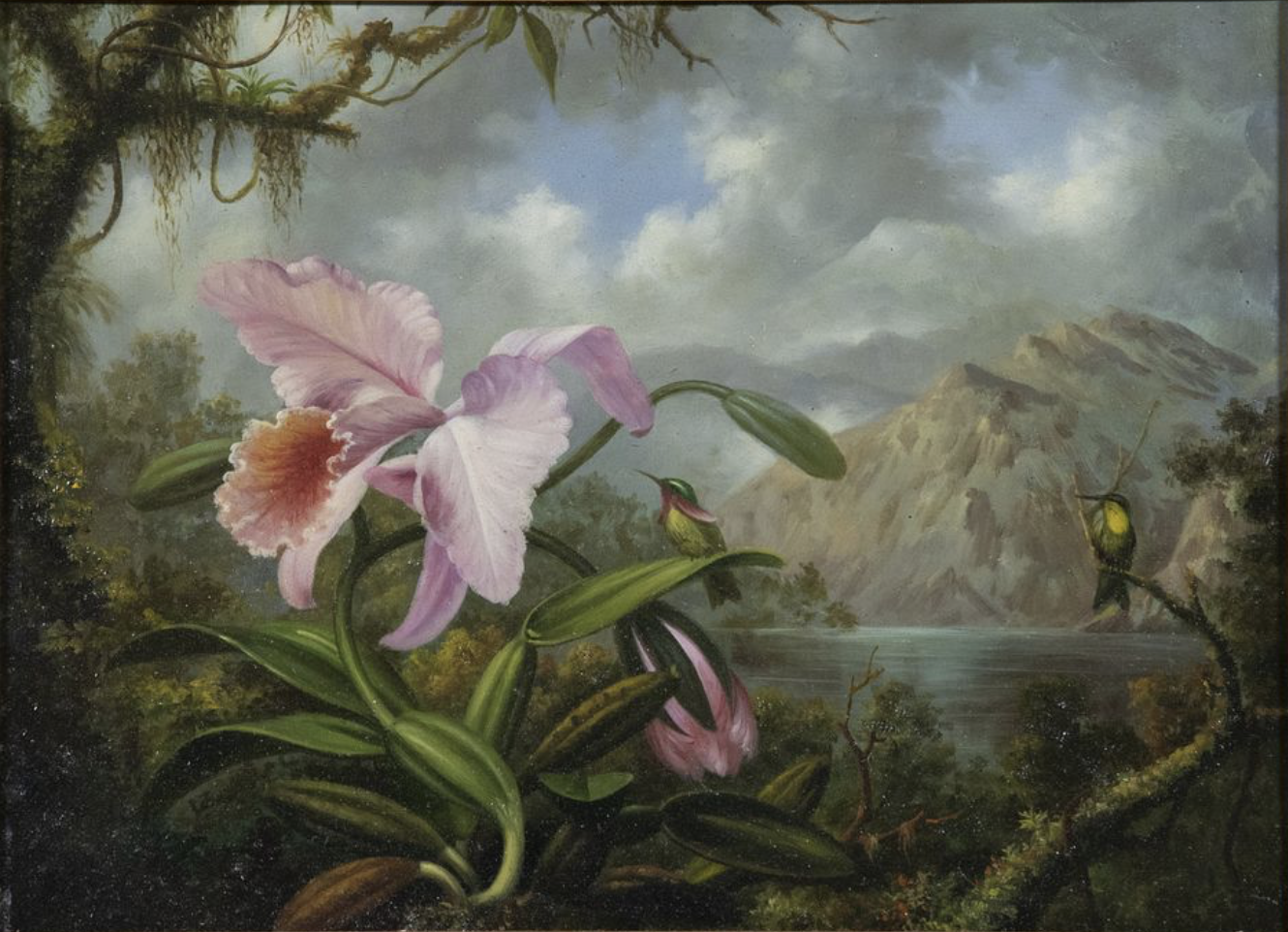
The Long Con of Ken Perenyi
For more than three decades Ken Perenyi flooded the market with 'antique' American and British paintings, passing thousands of fakes through the great auction houses. A five-year FBI investigation ended not in charges but in an expired statute of limitations.
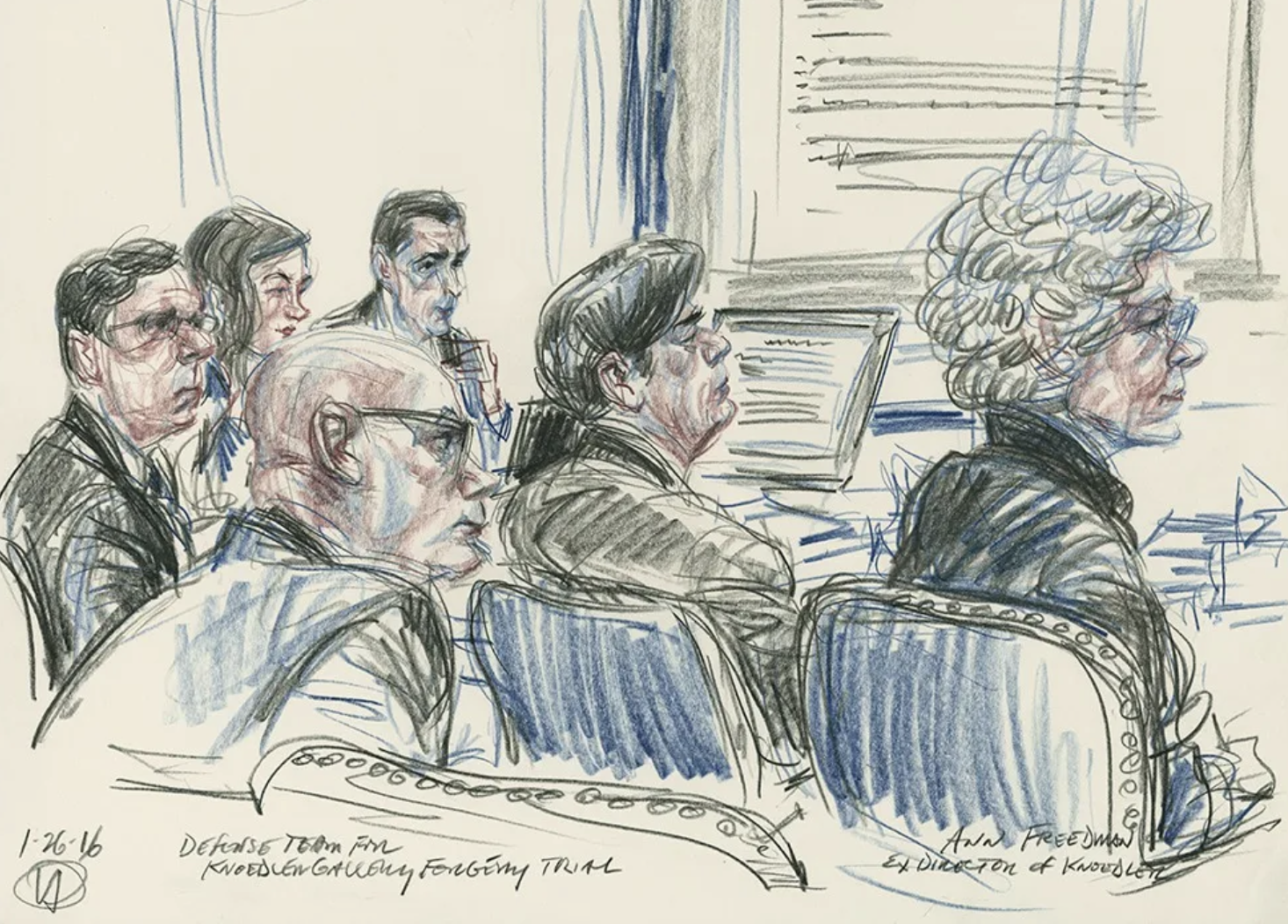
The Knoedler Gallery Forgery Scandal
For over 15 years, the venerable Knoedler gallery sold some 40 forged Abstract Expressionist paintings — fake Rothkos, Pollocks, and de Koonings painted in a Queens garage — for around $80 million, before the fraud collapsed the 165-year-old institution.
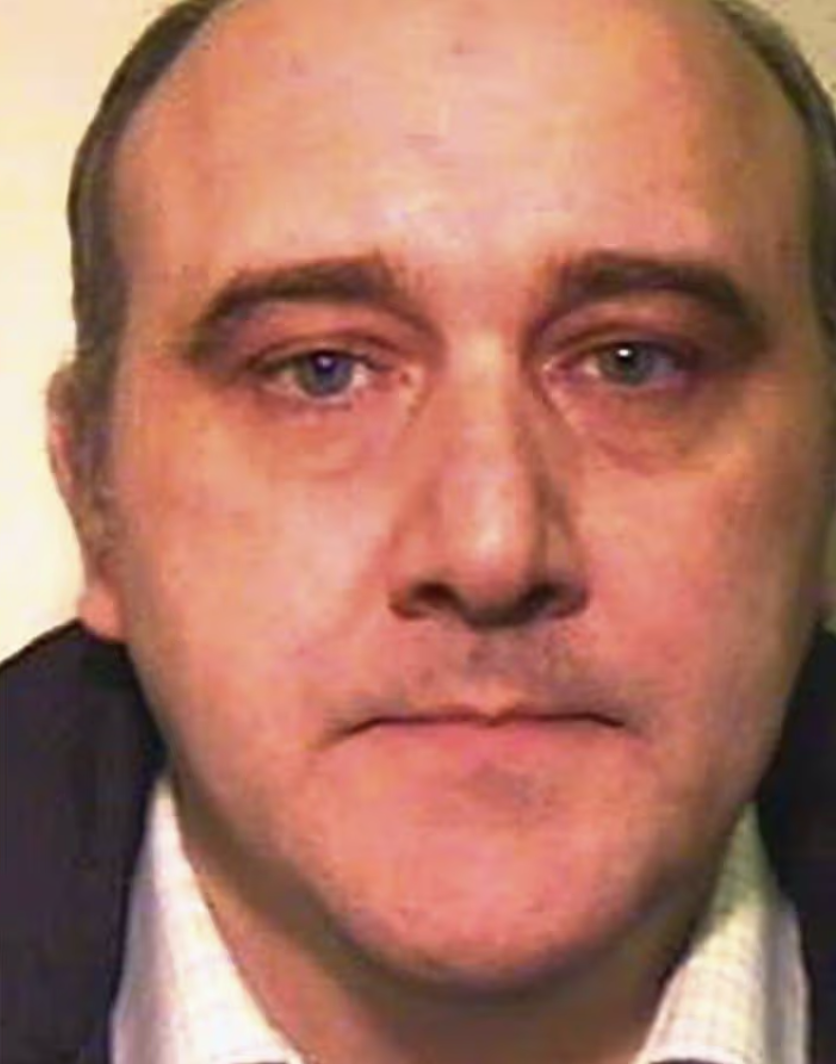
The Greenhalgh 'Garden Shed' Forgeries
From a garden shed behind a Bolton council house, Shaun Greenhalgh and his elderly parents forged artworks spanning 5,000 years — most famously the 'Amarna Princess', which Bolton Museum bought for £440,000 as a 3,300-year-old Egyptian masterpiece.

The Tiara of Saitaphernes
In 1896 the Louvre triumphantly bought a golden tiara as a priceless Scythian-Greek antiquity. It was in fact made a few years earlier by the Odessa goldsmith Israel Rouchomovsky — and the 1903 exposure became one of the great museum humiliations in history.

Han van Meegeren
The most celebrated forger of the twentieth century, van Meegeren deceived critics and collectors with 'newly discovered' Vermeers. When one of his forgeries was traced to Hermann Göring, he was charged with collaboration — and confessed to forgery to save himself from a treason charge, painting a Vermeer in front of the court to prove his skill.

Anthony M. Amore
Director of Security at the Isabella Stewart Gardner Museum and the leading investigator on its unsolved 1990 heist. Amore has written extensively on art theft and forgery and continues to pursue leads on the thirteen works taken from the Gardner. Check out his talk on YouTube: https://www.youtube.com/watch?v=Hs5d9KApA60 Check out his books: https://www.anthonyamore.com
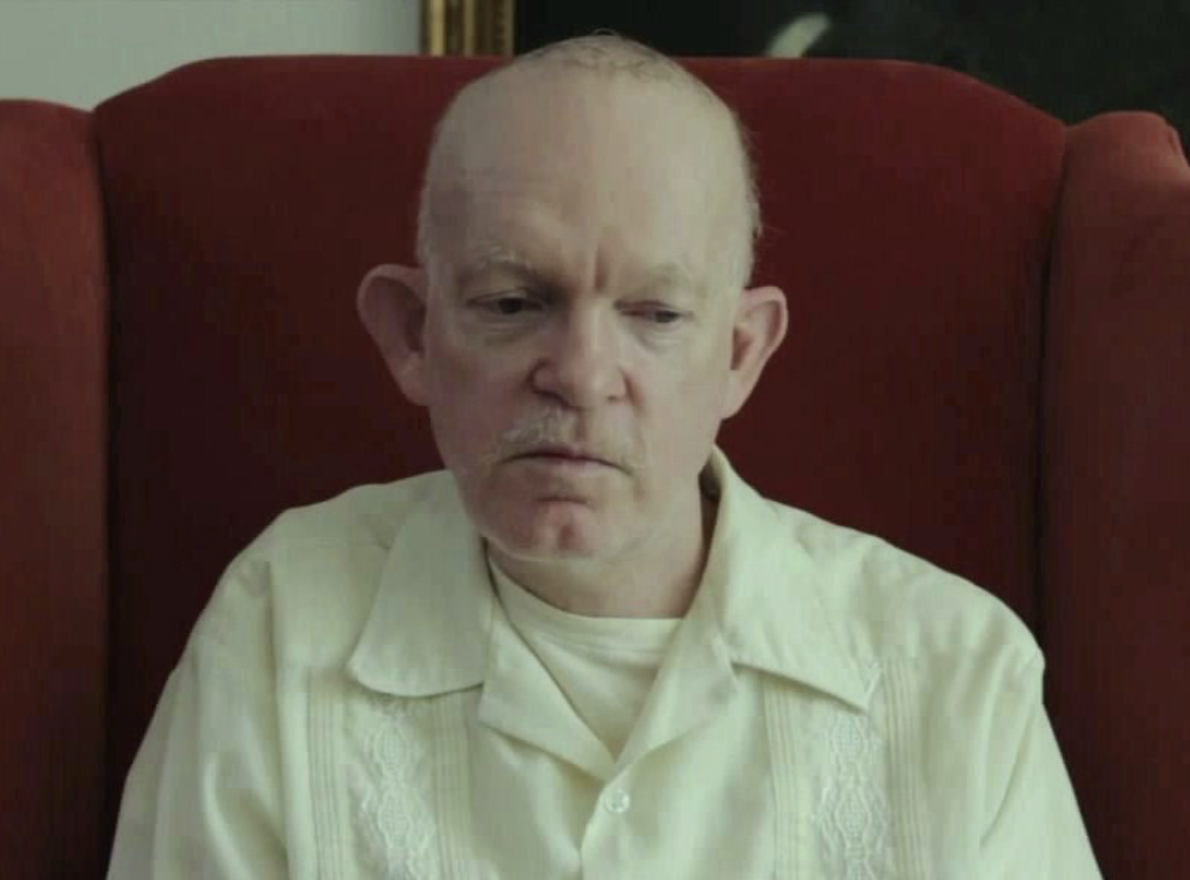
Mark Landis
American forger who, uniquely, never sold his fakes — he donated them to dozens of U.S. museums over three decades, sometimes posing as a priest. Because he took no money, he committed no clear crime, making him one of art forgery's strangest and most confounding figures. https://www.youtube.com/watch?v=zlp_7-YjtHg
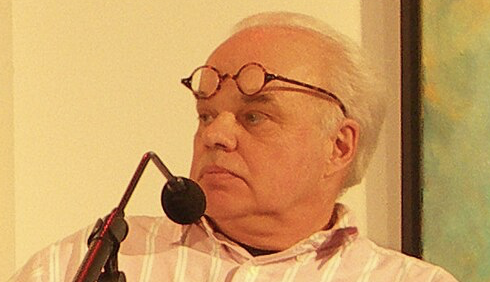
Geert Jan Jansen
Dutch forger who flooded the European market with fakes attributed to Karel Appel, Picasso, Matisse, and others — reportedly so convincing that Appel himself once authenticated a Jansen forgery. Arrested in France in 1994, he was released on a technicality and now sells signed 'Jansen' works openly.
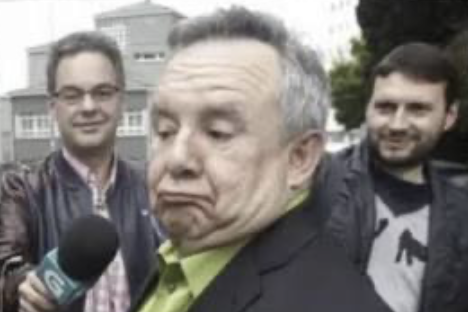
José Carlos Bergantiños Díaz
Spanish dealer who, with his partner Glafira Rosales and brother Jesús Ángel, orchestrated the Knoedler forgery scheme — sourcing Pei-Shen Qian's fakes and inventing a mysterious anonymous collector, 'Mr. X', as their provenance.
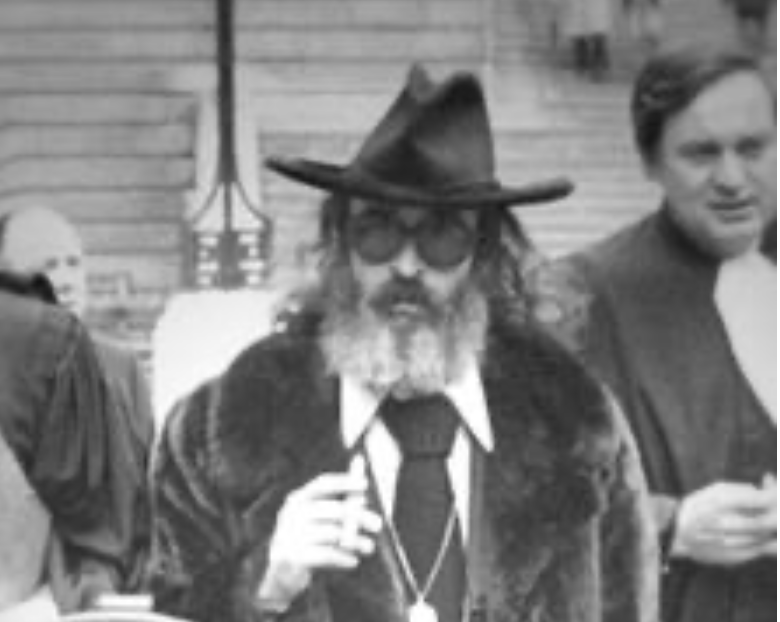
Fernand Legros
Flamboyant art dealer who, with Réal Lessard, sold Elmyr de Hory's forgeries to wealthy collectors around the world, fuelling one of the era's great forgery scandals and a tangle of lawsuits and criminal cases.
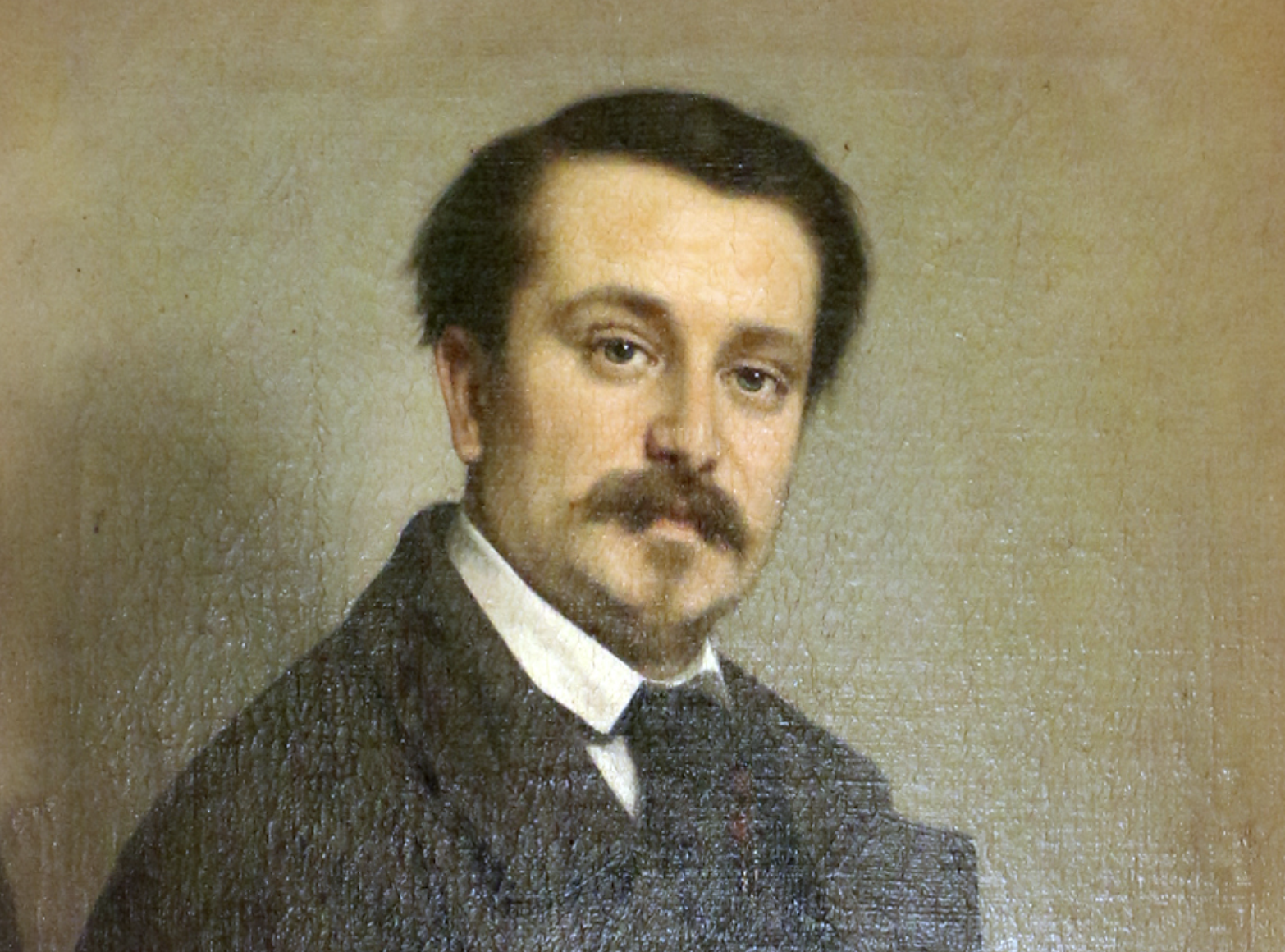
Giovanni Bastianini
Italian sculptor whose Renaissance-style busts were sold as authentic 15th-century works, one entering the Louvre before the deception unravelled in a famous 1860s controversy over whether such skill could be called mere forgery.
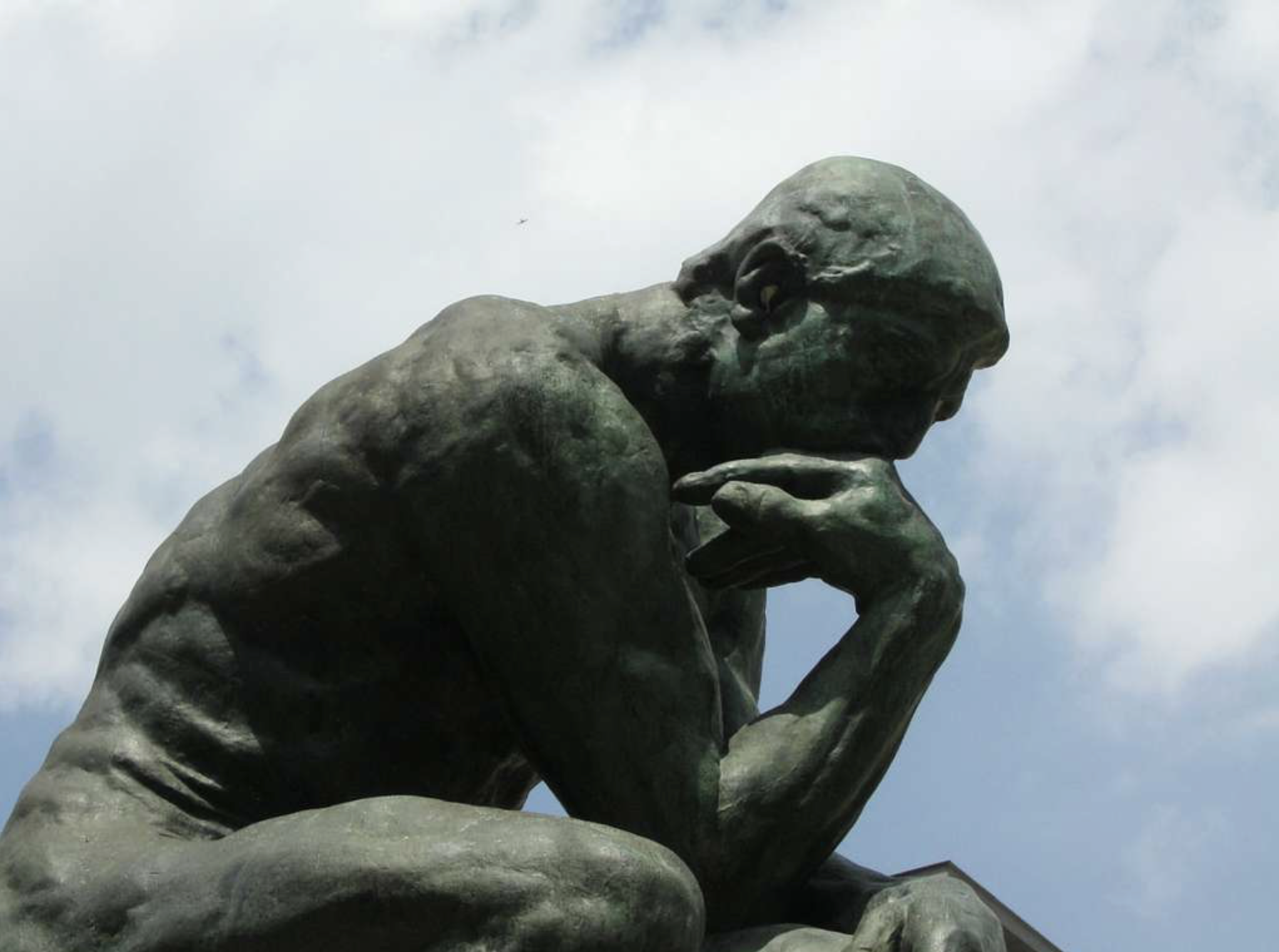
Guy Hain
A former veterinary salesman turned art dealer, Hain developed an obsession with French bronze sculpture after buying Rodin's The Kiss in the 1960s. Before long, he had gained access to the original molds and production plasters once used by the famed Rudier foundry—the same foundry that had cast many of Auguste Rodin's bronzes during the artist's lifetime. For a forger, it was the equivalent of finding the recipe instead of trying to guess the ingredients. Using the original molds, Hain commissioned newly cast bronzes that were virtually indistinguishable from legitimate examples. He allegedly stamped many of them with the prestigious Alexis Rudier foundry mark before selling them through galleries and auction houses as authentic early casts. Experts struggled to tell the difference because, technically, the sculptures had been made from the same molds as the originals. Rodin was only the beginning. Hain expanded his operation to include works after Camille Claudel, Antoine-Louis Barye, Aristide Maillol, Jean-Baptiste Carpeaux, Pierre-Auguste Renoir, and dozens of other celebrated sculptors. Investigators later estimated he had produced more than 6,000 unauthorized bronzes, effectively flooding the market with sculptures that looked entirely legitimate. French authorities finally intervened in 1992, seizing roughly 20 tons of bronze sculptures from foundries and workshops across France. Hain was convicted of forgery in 1997 and sentenced to four years in prison, though he served only about 18 months. That wasn't the end of the story. After his release, Hain allegedly resumed production, dividing the casting, chasing, and patination among different foundries to make the operation harder to trace. He was arrested again in 2002, and investigators uncovered more than 1,100 additional sculptures representing the work of 98 different French artists. The scandal rattled collectors and auction houses alike. Even respected firms, including Christie's and Sotheby's, had unknowingly sold Hain's bronzes, forcing experts to reexamine decades of sales and raising uncomfortable questions about how many suspect sculptures remain in private collections. Guy Hain's greatest trick wasn't making fake bronzes. It was proving that even when a sculpture comes from the original mold, authenticity isn't always cast in bronze.

The Fakes Fight Back!
More than 50 counterfeit Norval Morrisseau paintings have been permanently removed from the market—but experts say thousands are still out there.

Father Daughter Forger Family's 2mil hobby