Double Crossed Corbet
A repeat art fraudster convinced a dealer he'd found a buyer—then sold the painting himself and pocketed the money
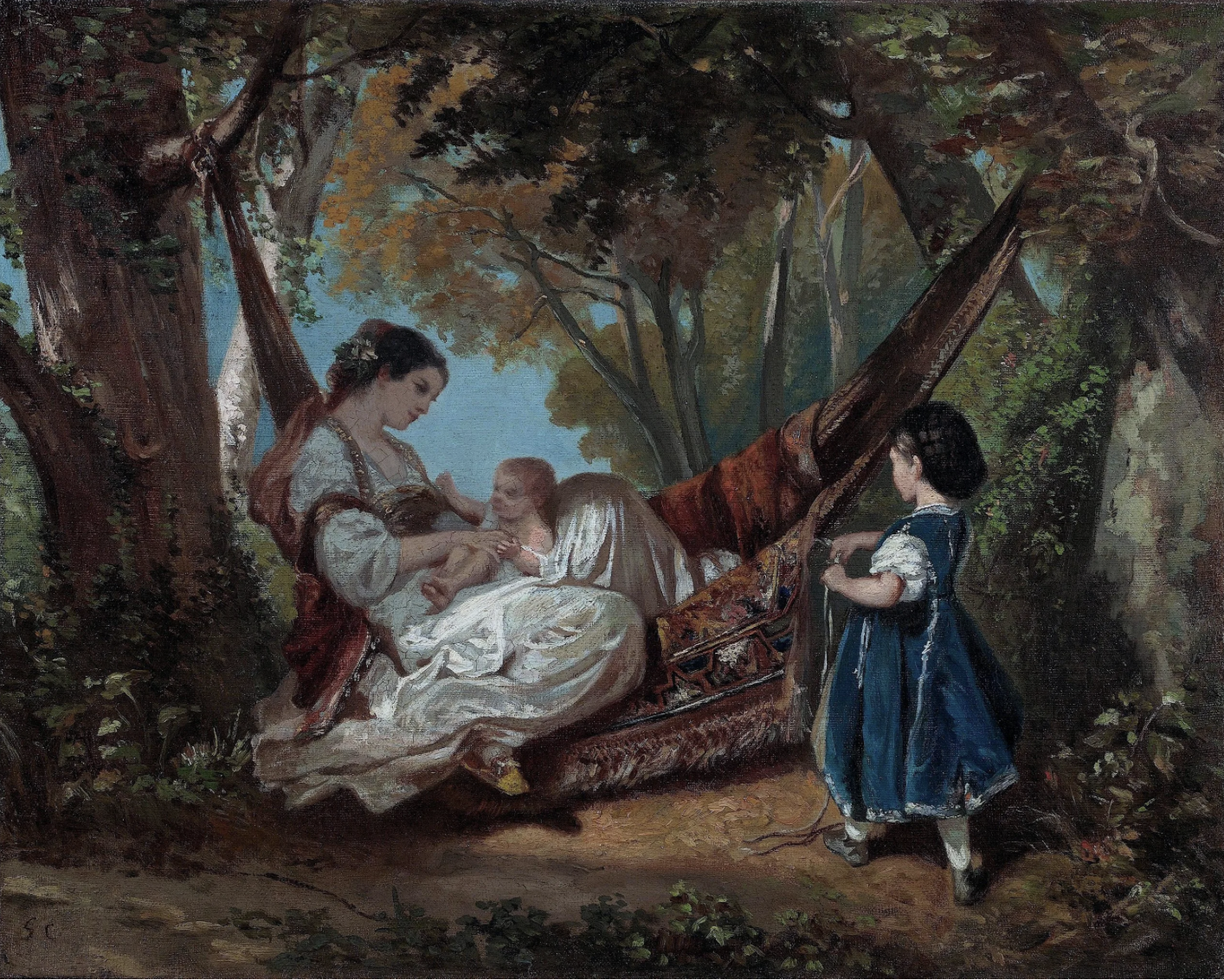
Most art dealers worry about forgeries, fake collectors, or paintings disappearing into offshore warehouses. Few expect the person they've trusted to sell a masterpiece to simply... sell it and keep the money. That, according to federal prosecutors, is exactly what Thomas Doyle did. In June 2026, Doyle pleaded guilty to wire fraud after orchestrating a scheme involving Mother and Child on a Hammock, a painting by the celebrated French Realist Gustave Courbet. The case was made all the more remarkable because Doyle wasn't a newcomer to art crime. He had already been convicted in federal court in 2011 for a separate art fraud. The scheme began innocently enough. In 2024, the painting's owner entrusted Doyle with the Courbet so he could show it to a prospective buyer. Soon afterward, Doyle reported good news: he claimed he had sold the painting for $550,000. Only one problem—he hadn't. Instead, prosecutors say Doyle arranged for an associate to consign the painting to a Manhattan gallery using a false provenance. The gallery eventually sold the work for $125,000 to an unsuspecting collector. Most of the proceeds went directly to Doyle. Rather than forwarding the money to the painting's rightful owner, Doyle allegedly spent every dollar on personal expenses and paying down his own debts. When the owner inevitably asked where the payment was, Doyle blamed the imaginary buyer, insisting the purchaser still hadn't paid. It's an old con with a modern twist: if you can't produce the money, invent someone else to blame. Federal investigators eventually unraveled the deception, thanks in part to the FBI's Art Crime Team. Facing overwhelming evidence, Doyle pleaded guilty to wire fraud in the Southern District of New York. He agreed to forfeit the proceeds of the crime and pay $125,000 in restitution. He faces a maximum sentence of 20 years in prison when sentenced later this year. Art crime often conjures images of masked thieves rappelling through skylights or masterpieces vanishing under cover of darkness. Doyle's scheme was far less cinematic—but no less damaging. It relied not on breaking locks, but on breaking trust. And in the art world, that may be the most valuable thing anyone can steal.