Results for “louvre”
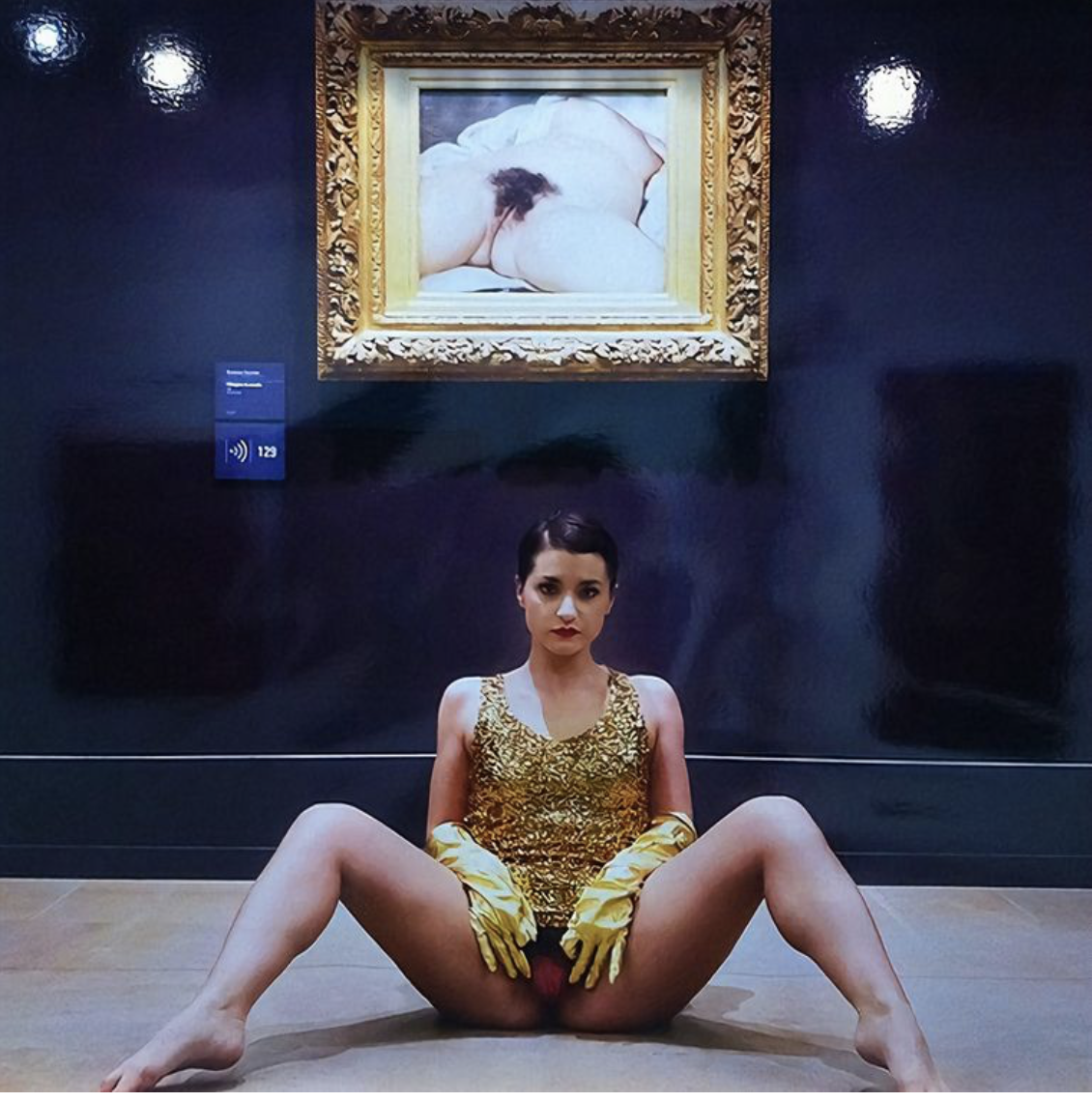
Deborah De Robertis's Museum Interventions
Deborah De Robertis stages unauthorised performances before canonical artworks — Courbet's 'Origin of the World', the Mona Lisa — exposing her body to reflect the museum's gaze back on itself, and drawing repeated police complaints.

The 1911 Theft of the Mona Lisa
On the morning of 21 August 1911, the Mona Lisa vanished from the walls of the Louvre. For twenty-eight months it was gone — and in its absence it became an icon.

The 2025 Louvre Crown Jewels Heist
On 19 October 2025, four men disguised as construction workers used a boom lift to enter the Louvre's Galerie d'Apollon, smashed the display cases of the French Crown Jewels, and escaped in under ten minutes with eight historic objects worth an estimated €88 million. Most remain missing.

The Tiara of Saitaphernes
In 1896 the Louvre triumphantly bought a golden tiara as a priceless Scythian-Greek antiquity. It was in fact made a few years earlier by the Odessa goldsmith Israel Rouchomovsky — and the 1903 exposure became one of the great museum humiliations in history.

Vincenzo Peruggia
An Italian handyman and former Louvre employee who, in 1911, walked out of the museum with the Mona Lisa concealed beneath his workman's smock. He kept the painting in his Paris apartment for over two years, claiming a patriotic desire to return it to Italy. His attempt to sell it to a Florentine dealer led to his arrest and to the theft that made the Mona Lisa the most famous painting in the world.
Deborah De Robertis
A Luxembourgish performance artist who stages unauthorised interventions in front of canonical artworks — most famously exposing herself before Courbet's 'The Origin of the World' at the Musée d'Orsay and beneath the Mona Lisa at the Louvre. Her work turns the museum into a stage and the viewer's gaze back on itself, and has repeatedly drawn police complaints, arrests, and charges of sexual exhibitionism — making her a lightning rod in debates over the female body, censorship, and who is permitted to act inside the museum. https://www.youtube.com/watch?v=r0Sr7CblcVQ
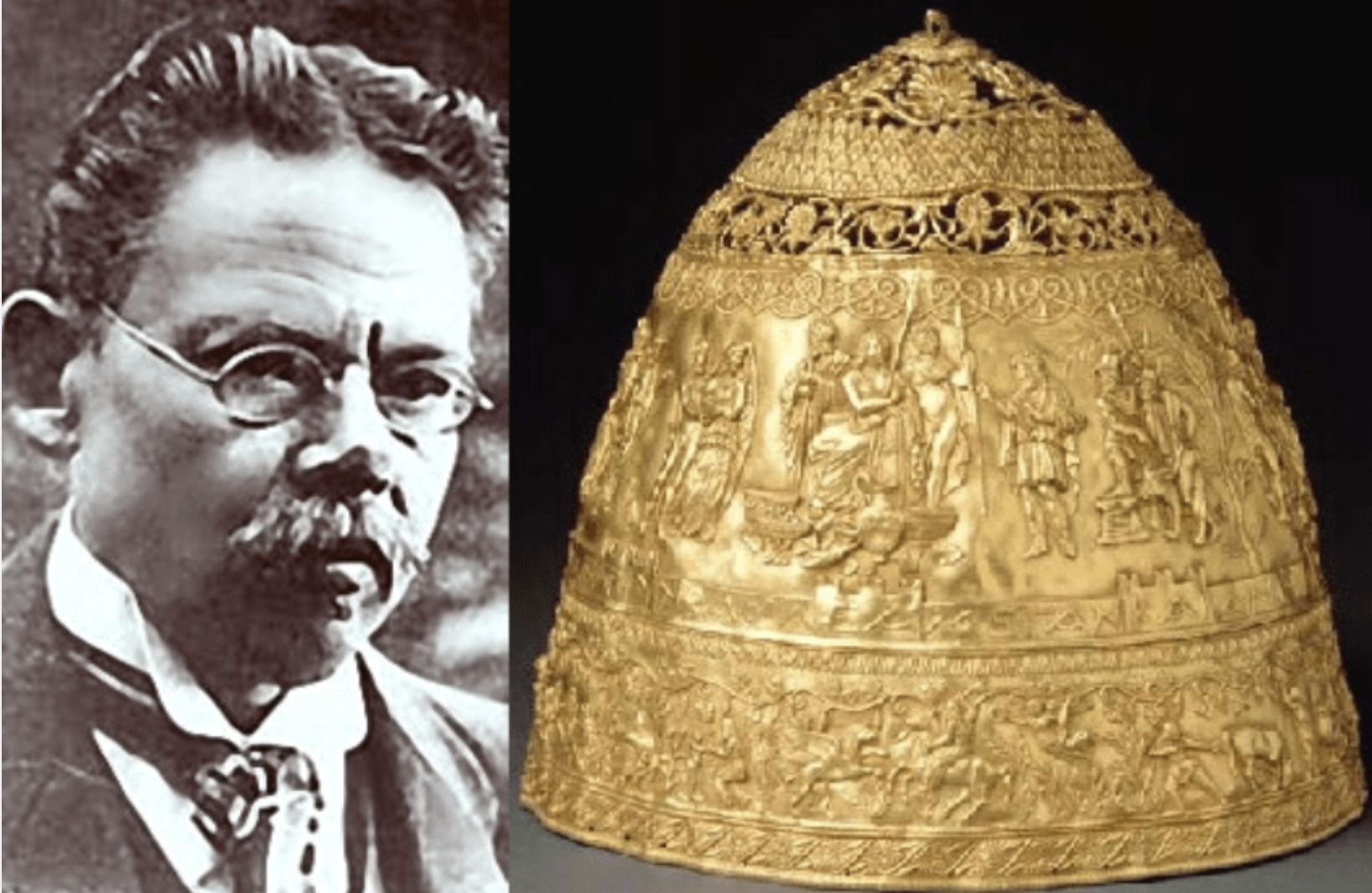
Israel Rouchomovsky
Odessa goldsmith who created the 'Tiara of Saitaphernes', bought by the Louvre in 1896 as a Scythian-Greek antiquity. two years before the Louvre acquisition, two dealers Schapschelle Hochmann and his brother Leiba, had commissioned Israel Rouchomovsky, a skilled goldsmith from Odesa, to make the tiara. They let him believe that it was intended as a gift for an archaeologist friend and provided Rouchomovsky with details from recent excavations to aid his design. It wasn't until news of the Louvre scandal reached him that Rouchomovsky learned of the fate of his creation. He traveled to Paris in 1903[2] and presented himself as the maker of the tiara. Experts at the museum refused to believe him until he demonstrated the ability to reproduce a portion of the crown. Embarrassed, the museum hid the object away in storage. The Louvre had been fooled in one of the greatest archeological scandals of the century. Isreal was an amazing goldsmith/artist who was duped by a couple dirty dealers.
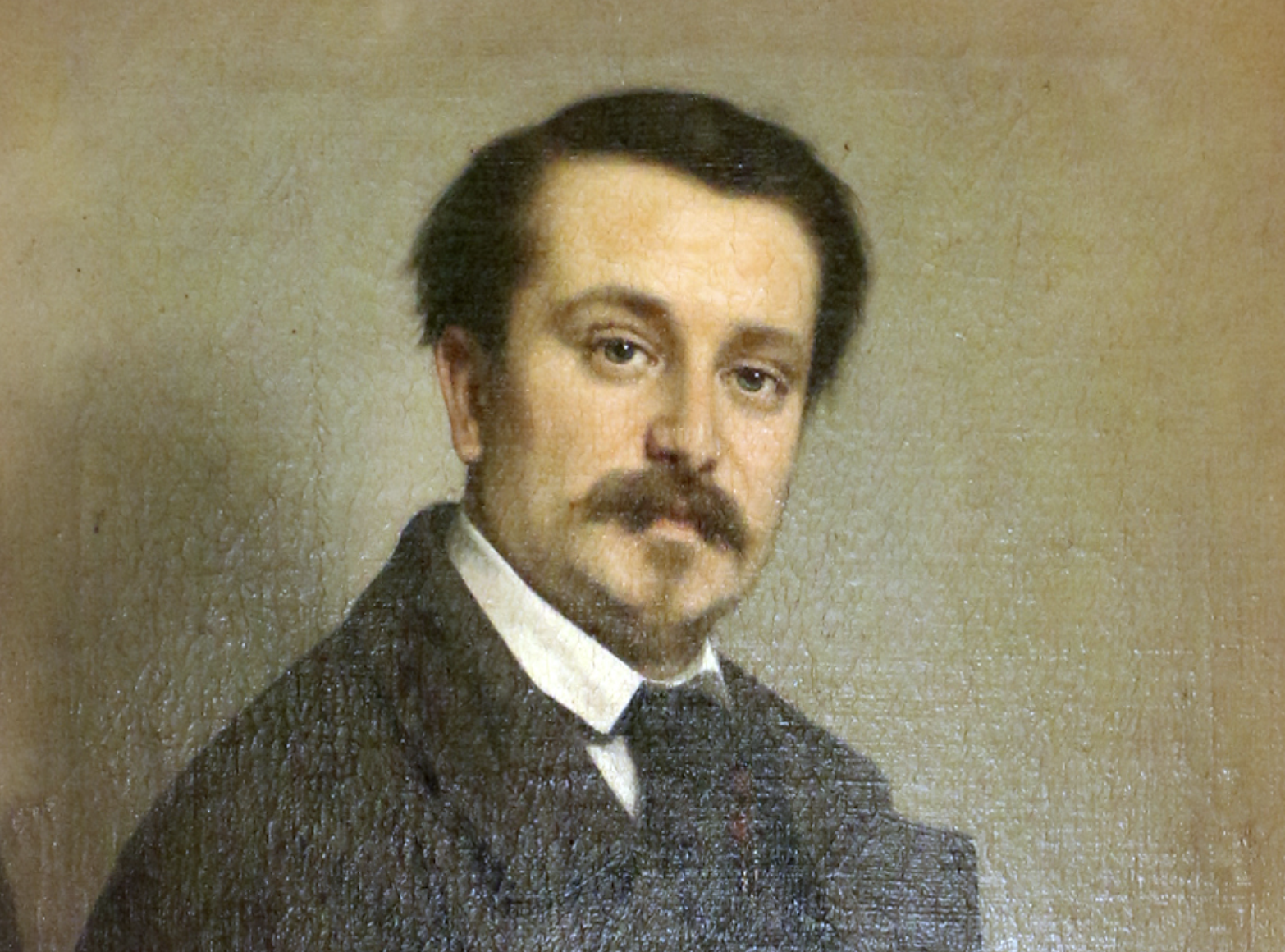
Giovanni Bastianini
Italian sculptor whose Renaissance-style busts were sold as authentic 15th-century works, one entering the Louvre before the deception unravelled in a famous 1860s controversy over whether such skill could be called mere forgery.
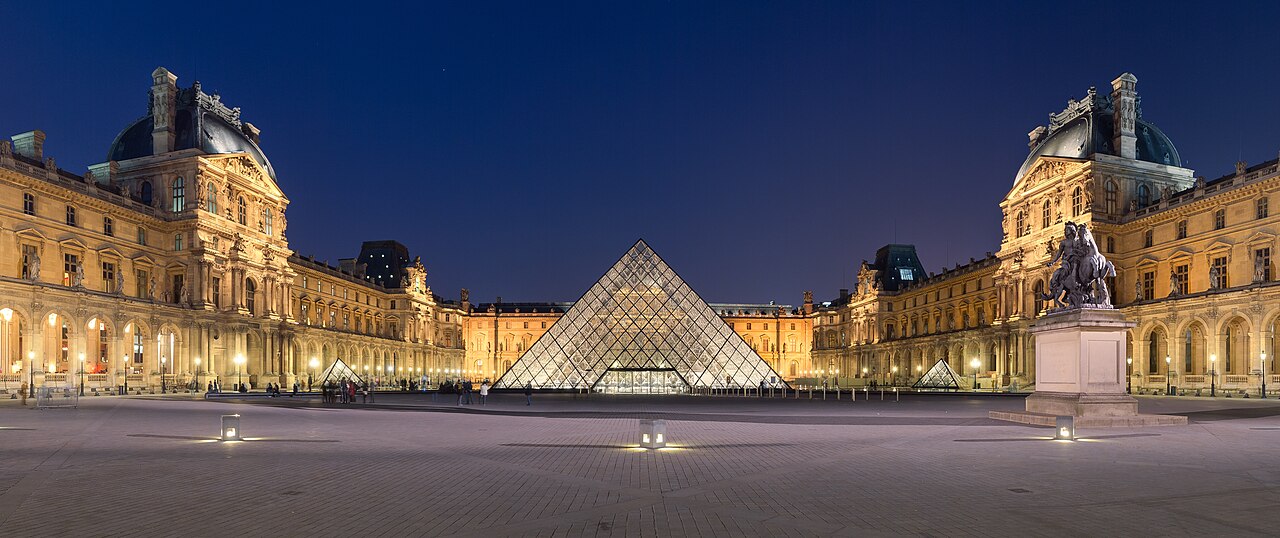
The Louvre
The world's most visited museum, the Louvre has been both a target and a fortress of cultural heritage. Its 1911 loss of the Mona Lisa transformed the painting into a global icon and reshaped museum security forever.
Louvre Heist Update: Mastermind Reportedly Told Crew They “Could Have Taken More”
Newly released suspect statements describe a post-heist “performance review” from an unidentified organizer known only as “Jo” — who thought the crew left valuable pieces behind.
The Mona Lisa Eats Soup
Two activists from Riposte Alimentaire hurled pumpkin soup at the Mona Lisa's protective glass, demanding a 'healthy and sustainable food system'. The bulletproof glazing shrugged it off.