Three Decades On, the Gardner Reward Still Stands at $10 Million
The museum reaffirms its offer as investigators mark another anniversary of the unsolved 1990 heist.
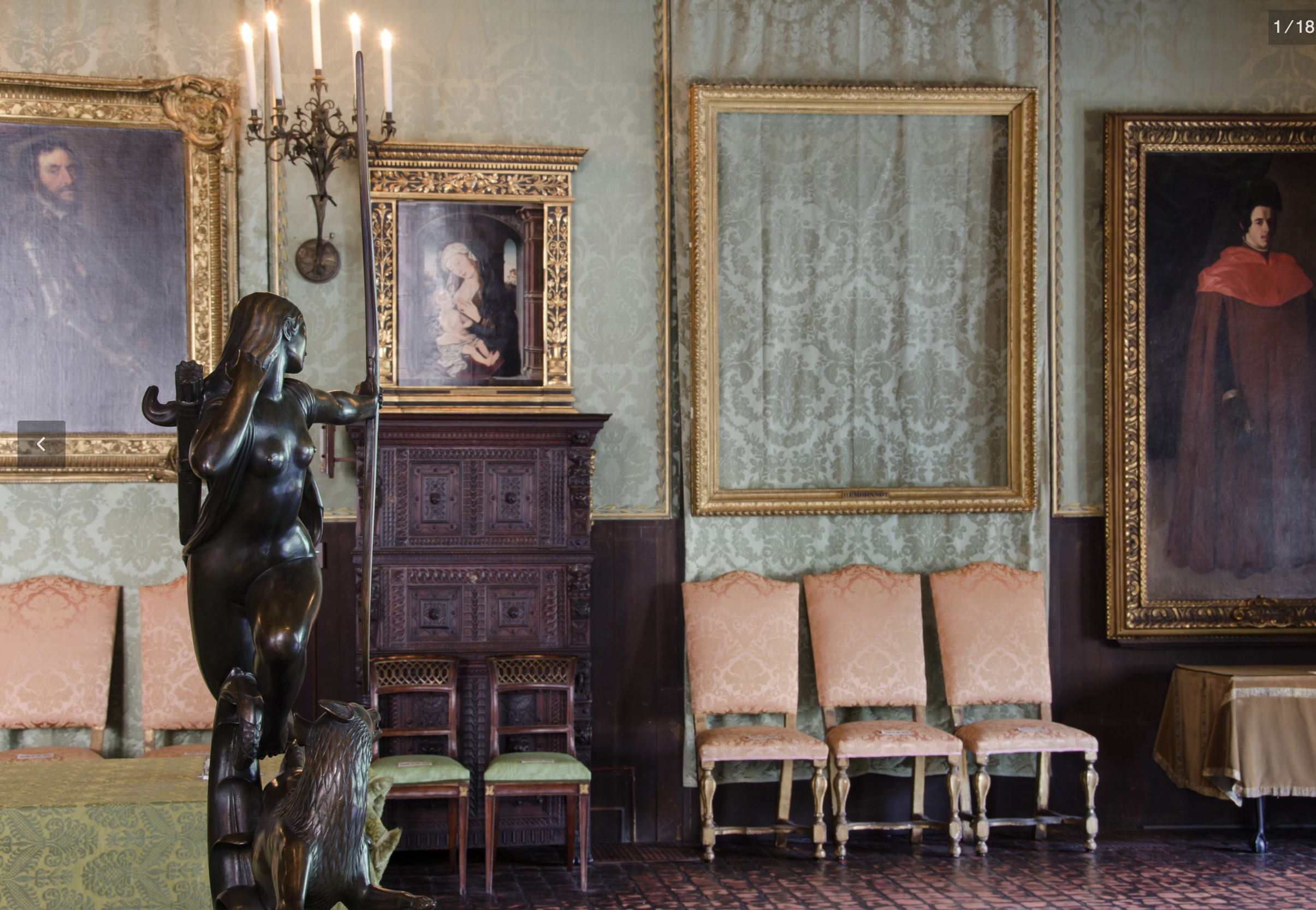
Image: Unsplash
More than thirty-six years after two men disguised as Boston police officers walked into Boston's Isabella Stewart Gardner Museum and disappeared with 13 masterpieces, the world's most famous art theft remains unsolved. The paintings have never resurfaced publicly, no arrests have been made, and the empty frames still hang in the museum as silent placeholders for works that may yet return.
Yet one thing has not changed: the reward. The Isabella Stewart Gardner Museum continues to offer up to $10 million for information leading directly to the recovery of the stolen artworks in good condition—still one of the largest private rewards ever offered for stolen cultural property. The museum also offers an additional $100,000 reward specifically for the return of the stolen Napoleonic eagle finial, one of the more unusual objects taken during the robbery. A Case That Refuses to Go Cold On the night of March 18, 1990, two thieves posing as police officers convinced a security guard to let them into the museum. After handcuffing the guards in the basement, they spent 81 minutes selecting 13 objects, including masterpieces by Rembrandt, Vermeer, Degas, Manet, and Govaert Flinck. Among the missing works are:
Rembrandt – The Storm on the Sea of Galilee (his only known seascape)
Johannes Vermeer – The Concert
Rembrandt – A Lady and Gentleman in Black
Édouard Manet – Chez Tortoni
Five works by Edgar Degas
Collectively, the missing works are now estimated to be worth well over $500 million, making the theft the largest property crime in U.S. history. What Has Changed Recently? Although there has been no dramatic breakthrough, investigators continue to insist
the case remains active. The FBI still believes it knows who carried out the robbery. In 2013, the FBI announced investigators had identified the individuals responsible for the theft, though their names have never been officially released because prosecutors believed doing so could jeopardize recovery efforts. The Bureau continues to investigate alongside the Gardner Museum and the U.S. Attorney's Office.
The reward remains in effect. The museum has repeatedly reaffirmed its commitment to paying the reward, emphasizing that confidentiality is guaranteed and that rewards may be paid for information leading to the recovery of individual works—not necessarily the entire collection.
The museum is restoring the Dutch Room. Rather than removing the empty frames, the Gardner Museum has undertaken a careful restoration of the Dutch Room while preserving the spaces where the missing paintings once hung. Museum officials have repeatedly stated that the room is being restored with the expectation that the artworks could one day return. Former investigators are sharing new details.
In 2026, retired FBI agent Geoff Kelly published new accounts of the investigation, describing decades of undercover operations, negotiations, and international leads. While the book offers fresh insight into how investigators pursued the case, it does not reveal the current location of the missing art.
Where Could the Paintings Be? Over the years, theories have linked the paintings to the Boston Mafia, New England organized crime, Philadelphia crime families, Irish paramilitary groups, Corsican criminals, and private collectors. None has been conclusively proven. The FBI believes the works were likely separated after the robbery and may now reside in different locations around the world, making recovery considerably more difficult.
Why Hope Remains Art history has shown that stolen masterpieces often reappear decades after they disappear. Works once believed lost forever have surfaced in attics, storage lockers, bank vaults, and forgotten estates. Anthony Amore, the Gardner Museum's Director of Security and one of the world's leading art crime investigators, has long argued that the return of even one painting could trigger a domino effect, encouraging others holding stolen works to come forward.
An Empty Space Waiting to Be Filled Visitors entering the Gardner Museum today encounter the same haunting sight they have seen for more than three decades: ornate gilded frames hanging empty on the walls. They are more than reminders of a crime. They are an invitation. Somewhere, thirteen missing works of art—and a standing $10 million reward—continue to wait for the person who can finally bring one of history's greatest art mysteries to an end.