Results for “theft”

The Caravaggio Nativity, Palermo
In 1969 Caravaggio's 'Nativity with St. Francis and St. Lawrence' was crudely cut from its frame in a Palermo oratory. Long linked to the Sicilian Mafia, it remains one of the world's most-wanted missing paintings.

The Theft of the Cellini Salt Cellar
Benvenuto Cellini's golden Saliera — the only surviving gold sculpture by the Renaissance master — was stolen from Vienna in 2003 and recovered three years later, buried in a lead box in an Austrian forest.

The Kunsthal Rotterdam Heist
In a two-minute raid in 2012, thieves took seven works — by Picasso, Monet, Matisse, Gauguin and Freud — from the Kunsthal. The mother of one suspect later claimed she burned them.
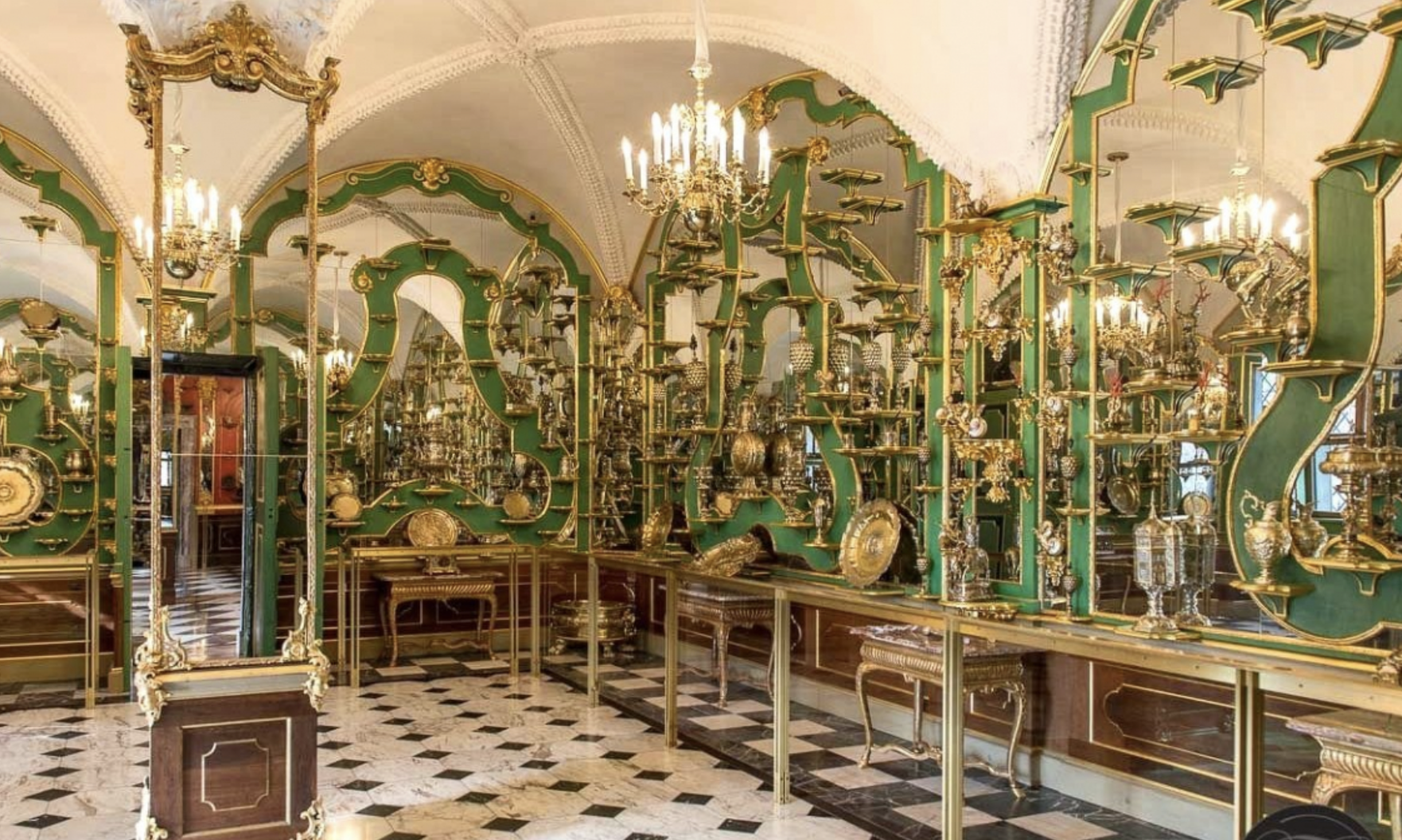
The Dresden Green Vault Heist
In 2019 thieves cut power to a street light, breached a window, and stole a trove of 18th-century diamond jewellery from Dresden's Green Vault. Much of it was recovered in 2022 under a court deal.
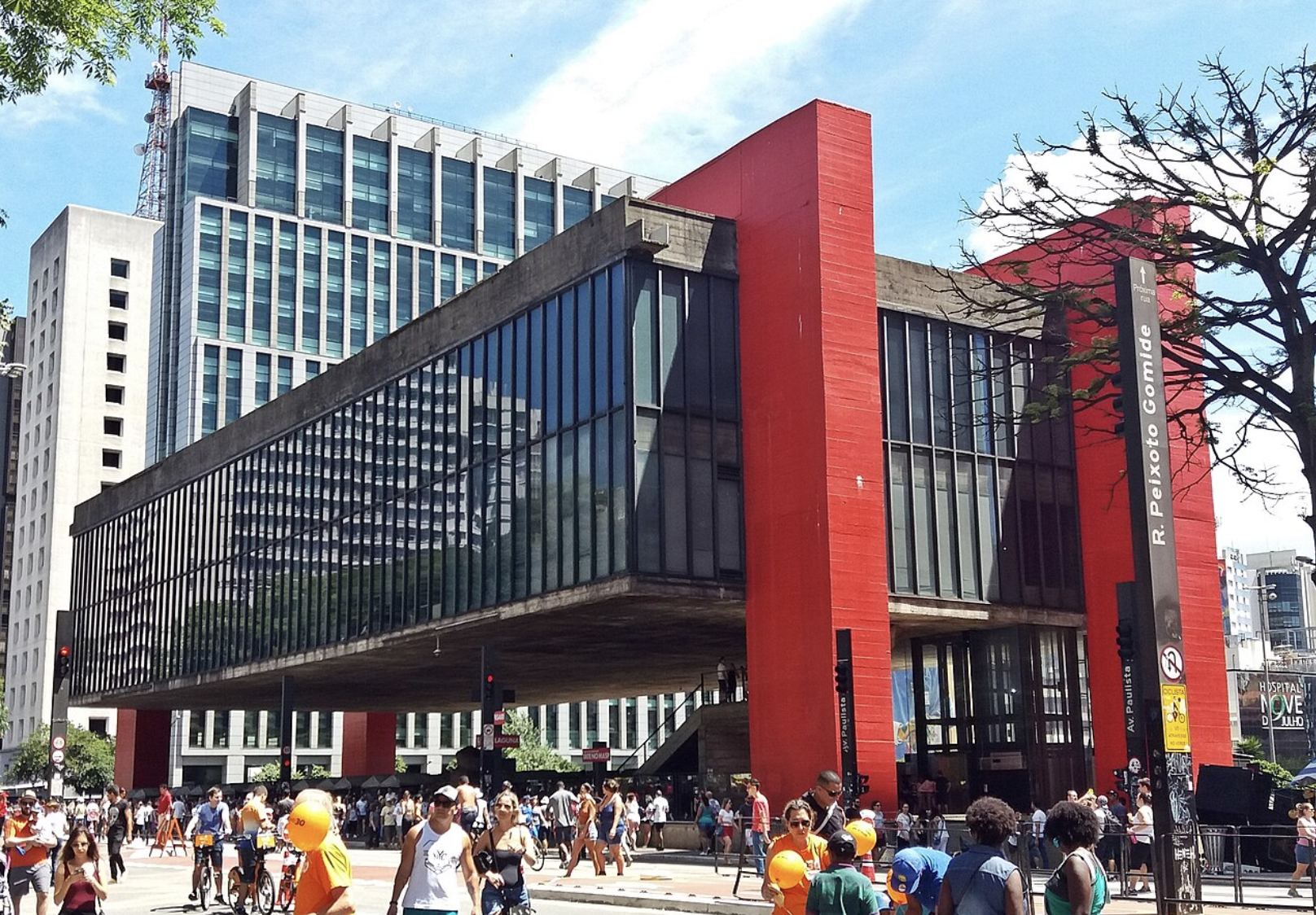
The São Paulo Museum of Art Theft
Thieves used a car jack and crowbar to break into MASP before dawn in 2007 and took Picasso's 'Portrait of Suzanne Bloch' and Portinari's 'O Lavrador de Café'. Both were recovered months later.

The Russborough House Robbery (1974)
In 1974 Rose Dugdale, an English heiress turned IRA militant, led a gang that stole nineteen paintings from the Beit collection to ransom for the release of republican prisoners. All were recovered within days.

The Bührle Collection Robbery
In one of Europe's largest art robberies, armed men walked into the Bührle museum in Zurich in 2008 and took four Impressionist and Post-Impressionist masterpieces. Most were recovered within years.

The Montreal Museum of Fine Arts Robbery
In 1972 thieves entered the Montreal Museum of Fine Arts through a skylight and took eighteen paintings, including a Rembrandt landscape. Almost all remain missing — Canada's largest art theft.

The Christ Church Picture Gallery Theft
In 2020 thieves broke into the Christ Church Picture Gallery in Oxford and took three Old Master paintings by Annibale Carracci, Salvator Rosa, and Anthony van Dyck. Two remain missing, one came back!
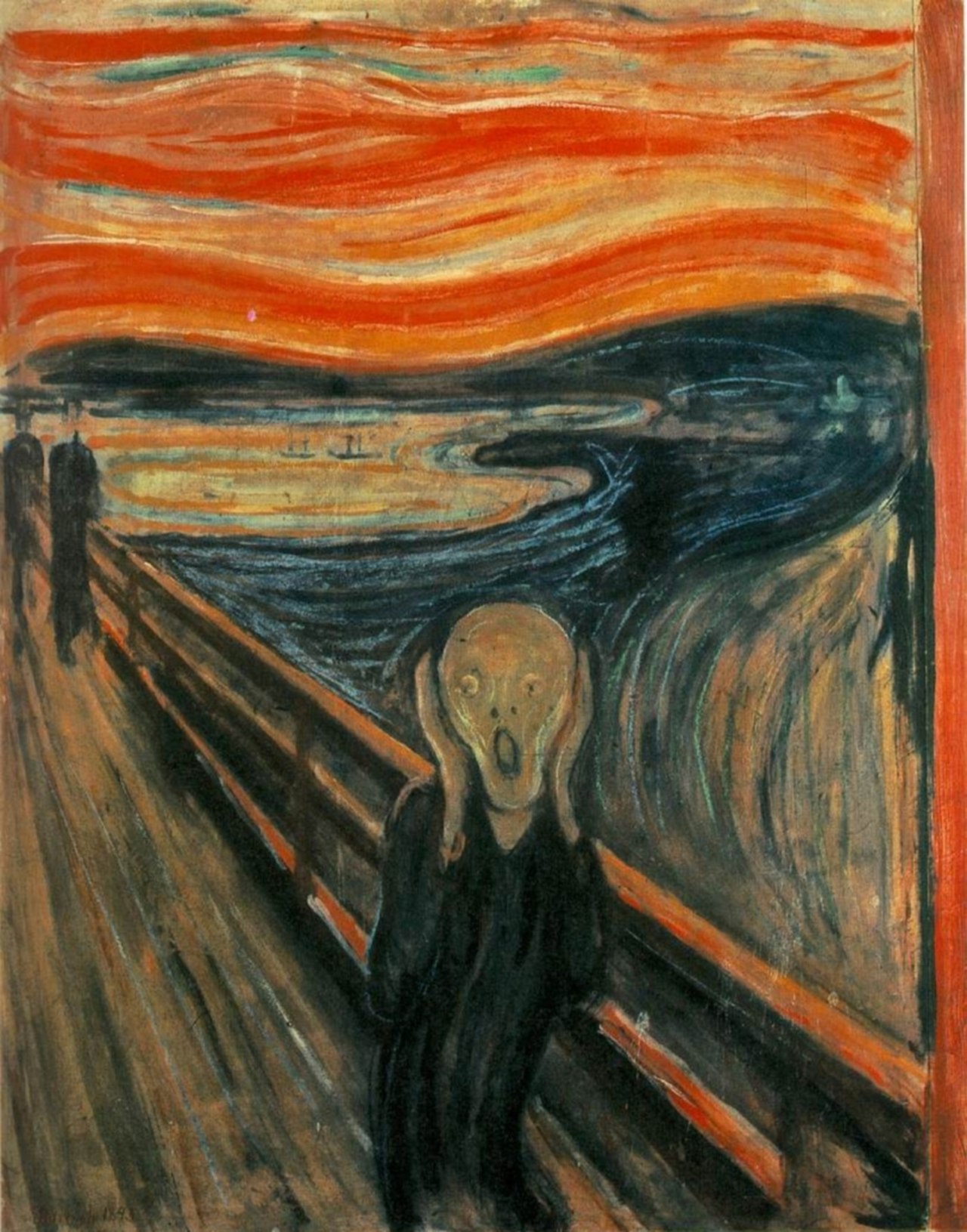
The Theft of The Scream
In 2004 armed men walked into the Munch Museum in broad daylight and pulled The Scream and Madonna from the walls in front of visitors. Both were recovered two years later.

Vincenzo Peruggia
An Italian handyman and former Louvre employee who, in 1911, walked out of the museum with the Mona Lisa concealed beneath his workman's smock. He kept the painting in his Paris apartment for over two years, claiming a patriotic desire to return it to Italy. His attempt to sell it to a Florentine dealer led to his arrest and to the theft that made the Mona Lisa the most famous painting in the world.

Stéphane Breitwieser
Stéphane Breitwieser (born 1971) is widely regarded as the most prolific art thief in modern history. Between 1994 and 2001, the Frenchman stole more than 300 works of art from approximately 200 museums, galleries, churches, and castles across Europe, amassing an estimated collection worth between $1.4 and $2 billion. Unlike nearly every other notorious art thief, Breitwieser wasn't motivated by money. He never worked for organized crime, never accepted commissions from wealthy collectors, and almost never sold what he stole. Instead, he stole simply because he wanted to live surrounded by great art. Breitwieser and his girlfriend, Anne-Catherine Kleinklaus, targeted small museums with minimal security. While she acted as a lookout, he quietly removed paintings, sculptures, clocks, ivory carvings, and other treasures before calmly walking out the front door. His methods were remarkably simple: no weapons, no violence, no smashed display cases — just confidence, patience, and an eye for vulnerable institutions. After each theft, Breitwieser brought the works to his mother's attic in Mulhouse, France, where he transformed the space into a secret private museum. He spent hours admiring the collection, arranging and rearranging masterpieces by artists including Brueghel, Cranach, Watteau, and Boucher. His obsession was with possession, not profit. His extraordinary run ended in 2001 after he stole a medieval hunting horn from the Richard Wagner Museum in Switzerland. A museum employee noticed the theft almost immediately, and police arrested him before he could escape. As investigators closed in on the hidden collection, Breitwieser's mother, fearing a police search, destroyed many of the stolen works — cutting paintings, smashing sculptures, and disposing of priceless objects in canals and garbage bins. The destruction of these irreplaceable artworks remains one of the greatest cultural losses associated with the case. Breitwieser's story is chronicled in Michael Finkel's bestselling book 'The Art Thief', which explores the psychology of a man who saw himself less as a criminal than as a passionate collector. His crimes continue to spark debate among criminologists, museum professionals, and art historians: was he an obsessive aesthete, a compulsive thief, or simply a criminal who happened to have exquisite taste? For followers of Crimes of Art, Breitwieser represents a rare kind of art criminal. He didn't steal for wealth or notoriety — he stole for beauty. His story challenges conventional ideas about motive, ownership, and the lengths to which one person will go to possess the world's greatest works of art.

Anthony M. Amore
Director of Security at the Isabella Stewart Gardner Museum and the leading investigator on its unsolved 1990 heist. Amore has written extensively on art theft and forgery and continues to pursue leads on the thirteen works taken from the Gardner. Check out his talk on YouTube: https://www.youtube.com/watch?v=Hs5d9KApA60 Check out his books: https://www.anthonyamore.com
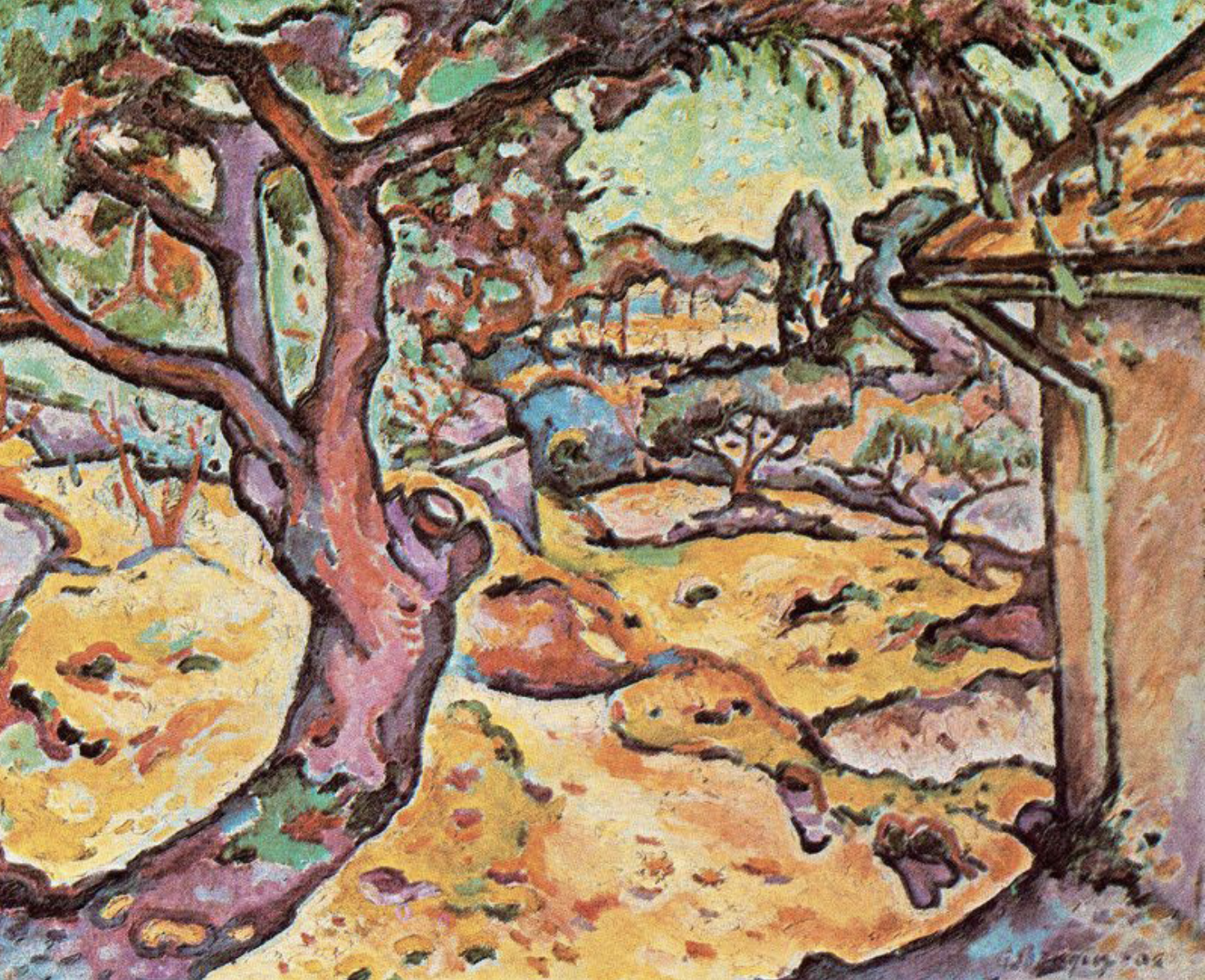
Olive Tree near l'Estaque
A Braque landscape among the five masterpieces lost in the 2010 Paris Modern theft.

A Summer's Day (Jour d'été)
An Impressionist idyll by Berthe Morisot, among the works swept up in art thefts of the 1970s and later recovered.

Mona Lisa
Leonardo's enigmatic portrait, likely of Lisa Gherardini. Its 1911 theft — and the two years it spent missing — turned a well-regarded Renaissance panel into the most recognized painting on earth.

Le Pont d'Argenteuil
A Monet bridge scene associated with thefts from French collections, later recovered.
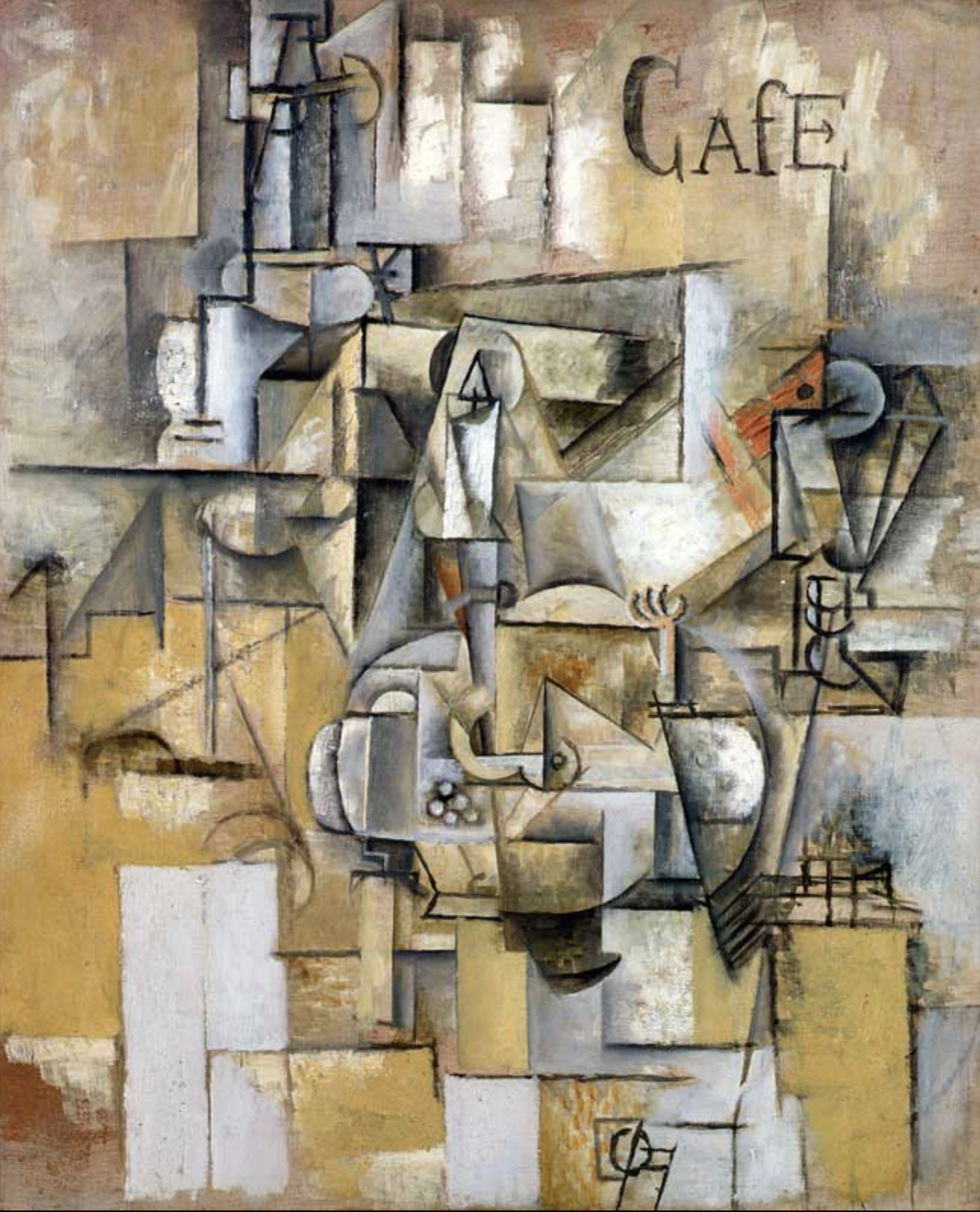
Le Pigeon aux Petits Pois
A Cubist Picasso among the five works taken in the 2010 Musée d'Art Moderne de Paris theft. The thief later claimed the paintings were destroyed.
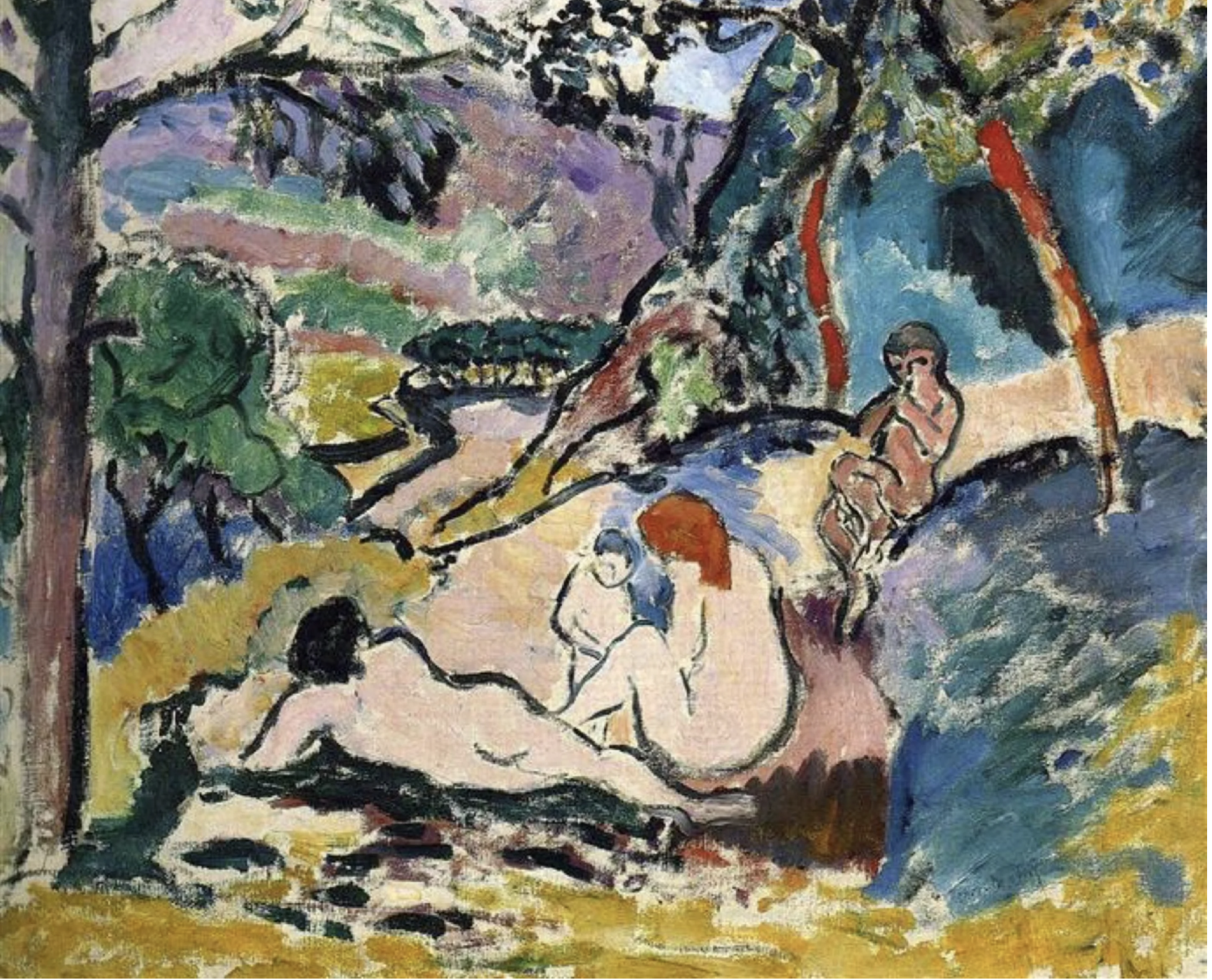
La Pastorale
A Fauvist Matisse taken in the 2010 Paris Museum of Modern Art theft, still unaccounted for.
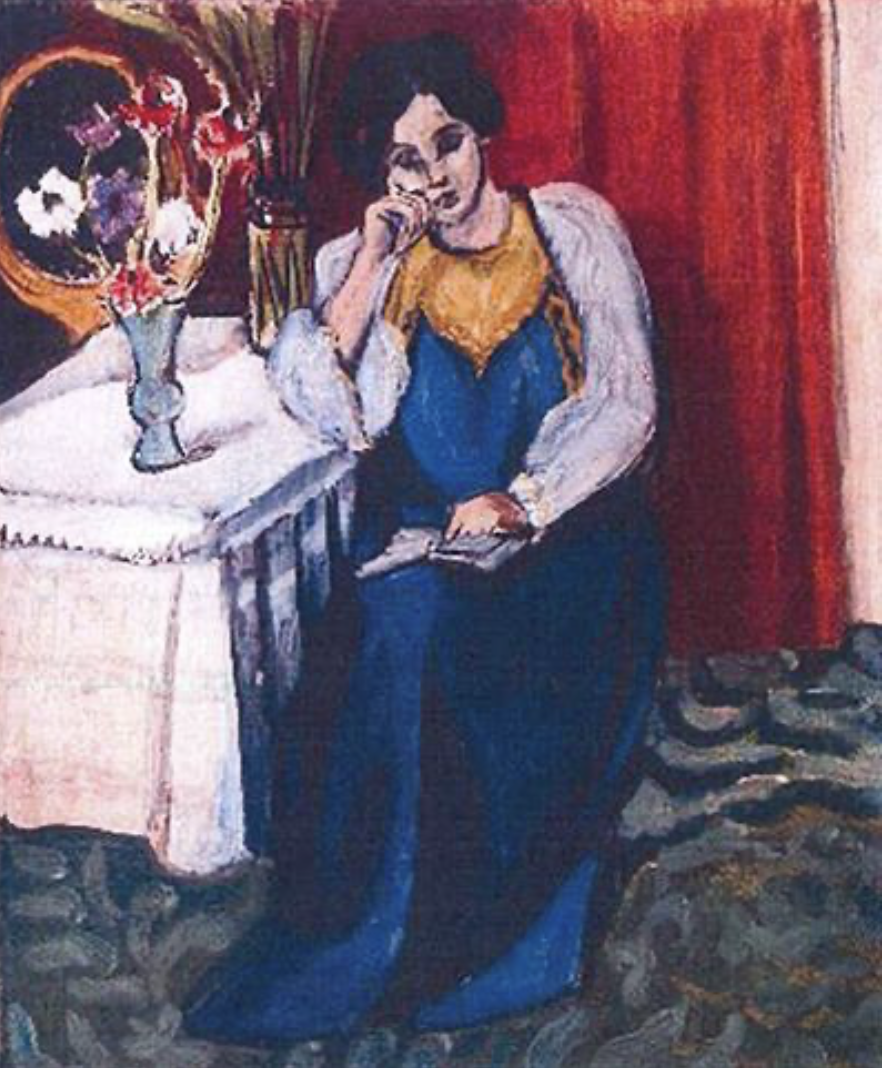
Reading Girl in White and Yellow
A Matisse interior among the seven works taken in the 2012 Kunsthal Rotterdam theft.

The Polish Rider
A Rembrandt (or workshop) equestrian portrait at the Frick Collection — the subject of theft scares and attribution battles, but never successfully stolen.

The Goldfinch
Fabritius's tiny trompe-l'oeil masterpiece, popularised by Donna Tartt's novel of art theft, held safely at the Mauritshuis.
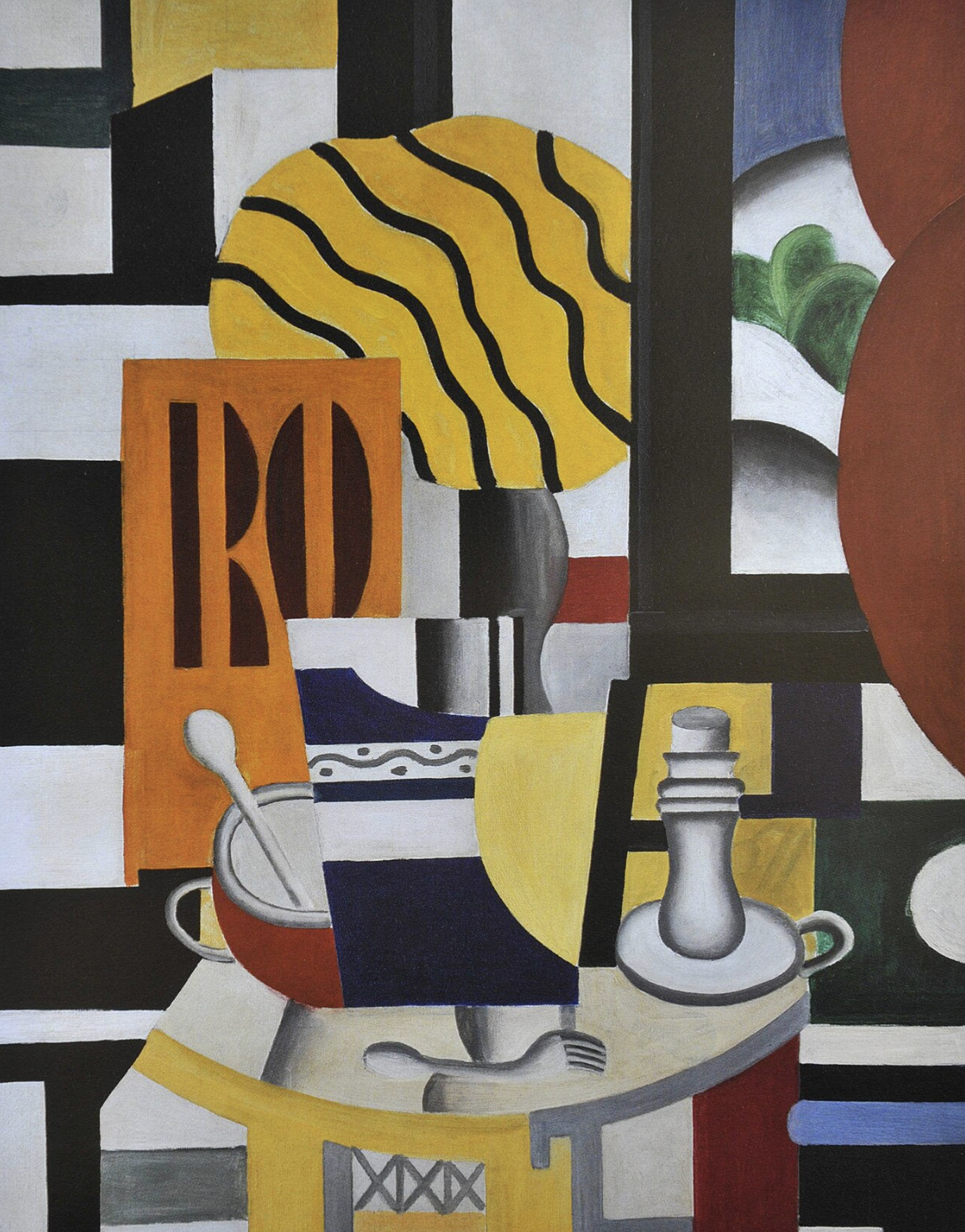
Still Life with Chandeliers
A Léger still life, the fifth of the works taken in the 2010 Paris Modern theft.

Munch Museum
Dedicated to Edvard Munch, the museum holds the bulk of the artist's output. A 2004 armed daylight robbery of The Scream and Madonna became one of the most brazen thefts of the modern era.

Isabella Stewart Gardner Museum
A Venetian-style palazzo in Boston built to house Isabella Stewart Gardner's collection. In 1990 it became the site of the largest unsolved art theft in history; by the terms of Gardner's will, the empty frames of the stolen works still hang in place, awaiting their return.

Ashmolean Museum
Britain's oldest public museum, and the scene of a New Year's Eve 1999 theft of a Cézanne landscape.

Christ Church Picture Gallery
The Oxford college gallery of Old Masters, targeted in a 2020 theft of works by Van Dyck, Carracci, and Salvator Rosa.

Kunsthal Rotterdam
A Rem Koolhaas-designed exhibition hall, site of a stunning 2012 dawn theft of seven modern masterpieces.

Royal Coin Cabinet (Stockholm)
Sweden's national museum of coins and economic history, the target of a numismatic theft.

Whitworth Art Gallery
The Manchester gallery at the heart of a strange 2003 theft-and-return of three works, found days later.
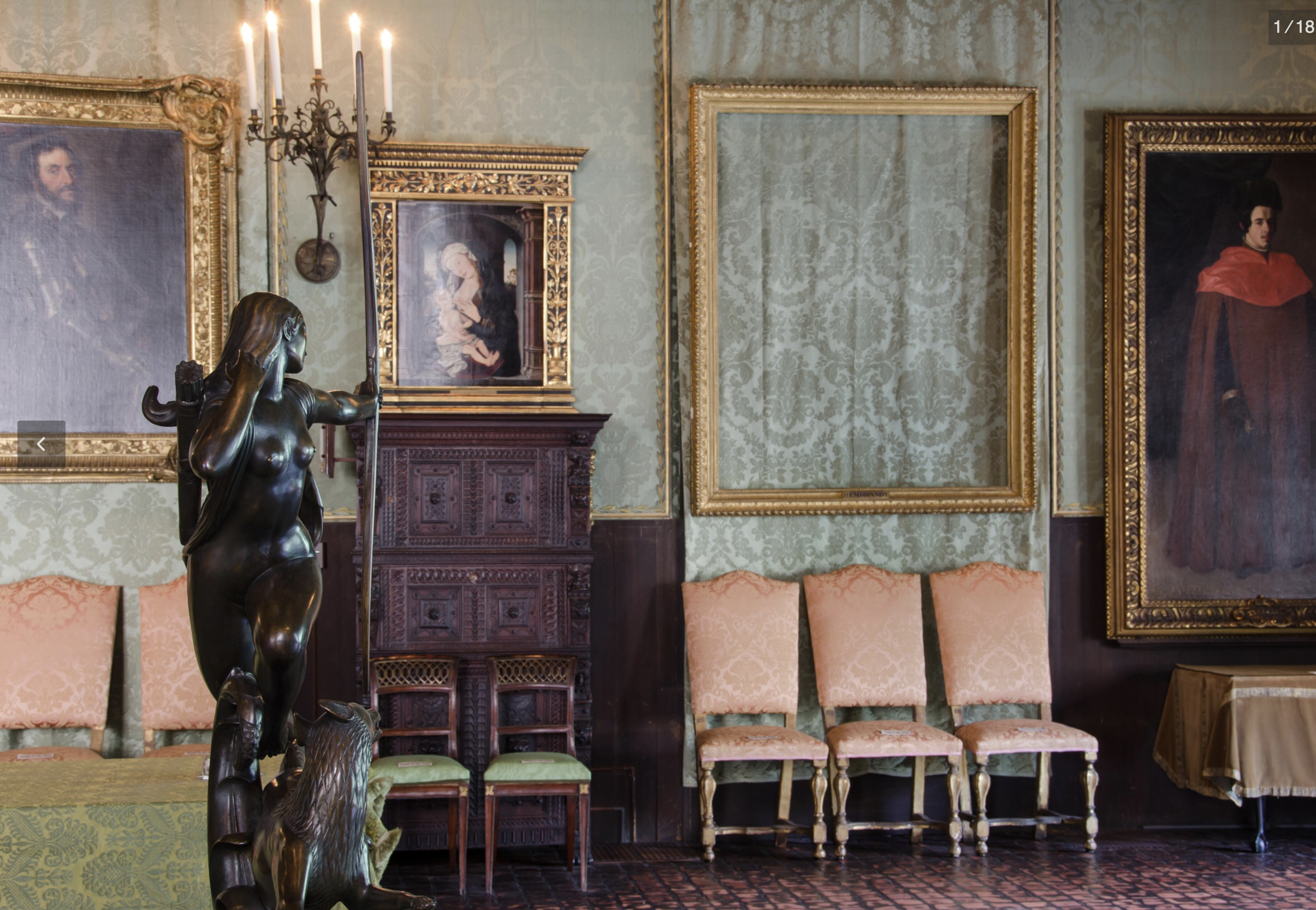
Three Decades On, the Gardner Reward Still Stands at $10 Million
The museum reaffirms its offer as investigators mark another anniversary of the unsolved 1990 heist.
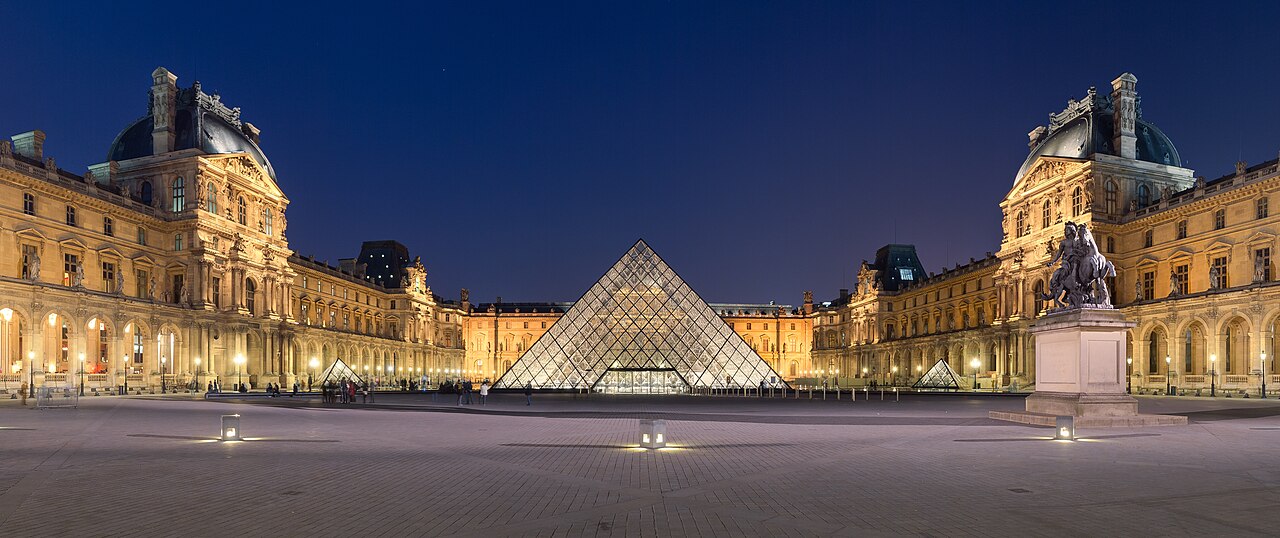
Louvre Heist Update: Mastermind Reportedly Told Crew They “Could Have Taken More”
Newly released suspect statements describe a post-heist “performance review” from an unidentified organizer known only as “Jo” — who thought the crew left valuable pieces behind.
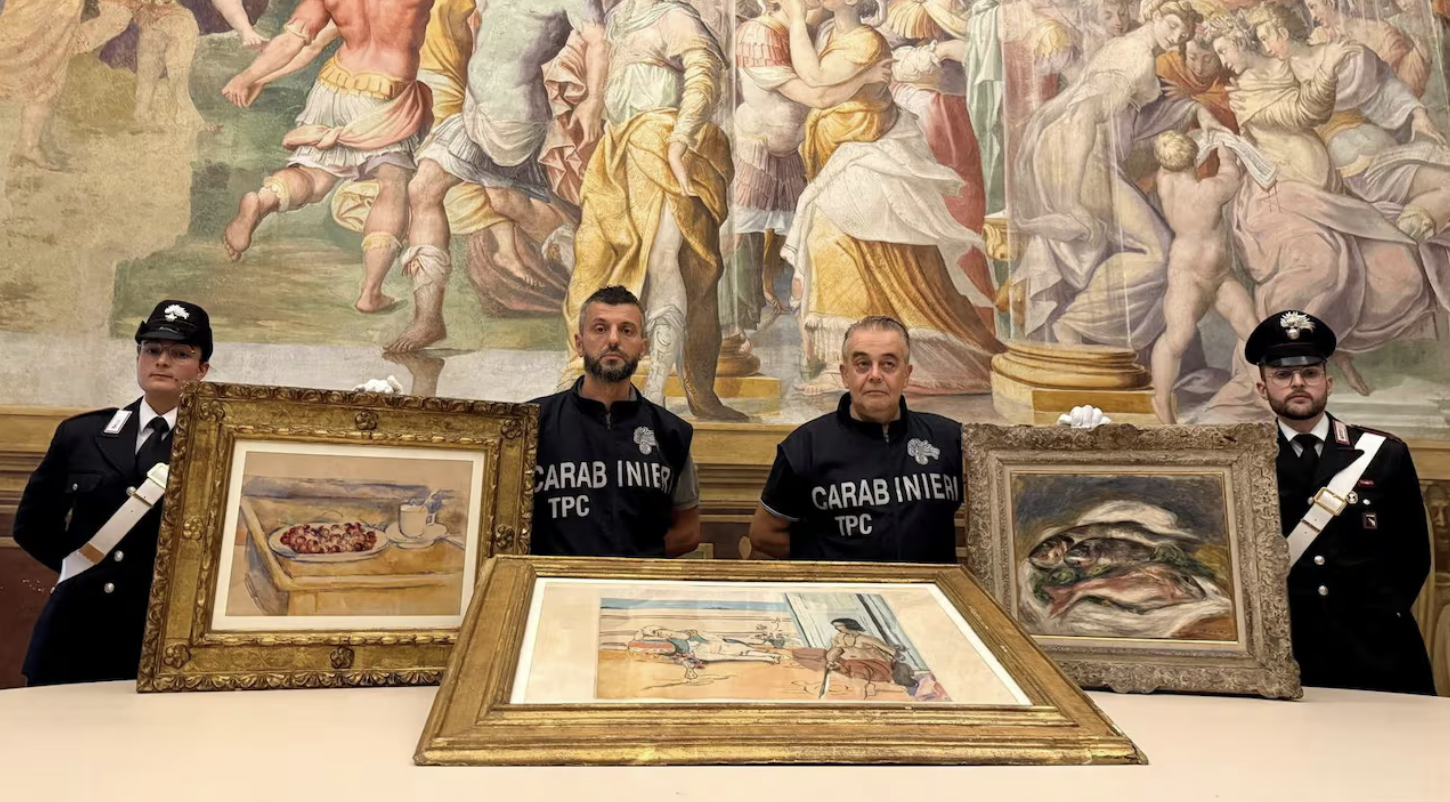
Parma-geddon Averted: The Carabinieri Bring Three Masterpieces Home
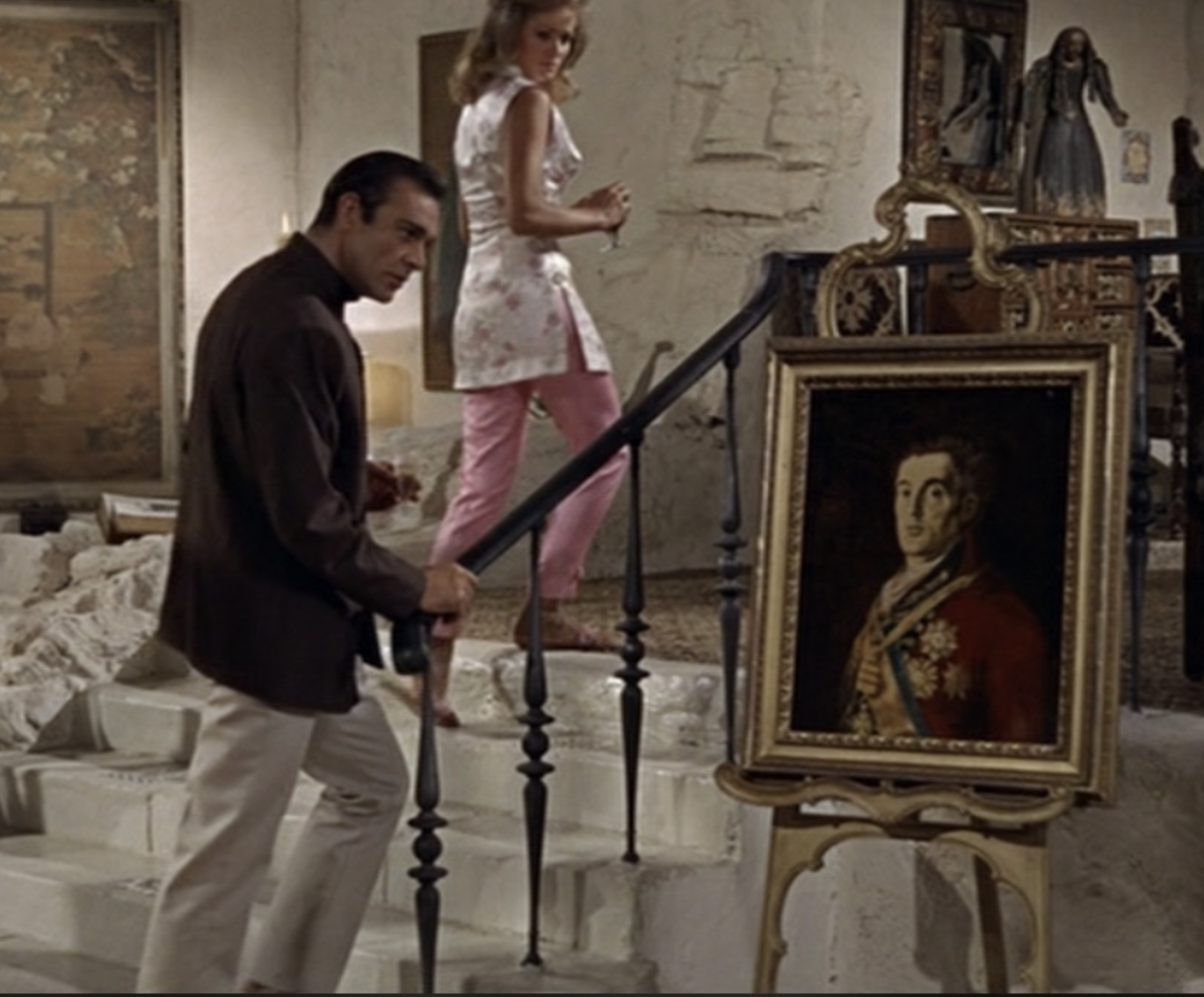
So You Stole a Masterpiece. Now What?
The Mona Lisa Eats Soup
Two activists from Riposte Alimentaire hurled pumpkin soup at the Mona Lisa's protective glass, demanding a 'healthy and sustainable food system'. The bulletproof glazing shrugged it off.