Results for “controversy”

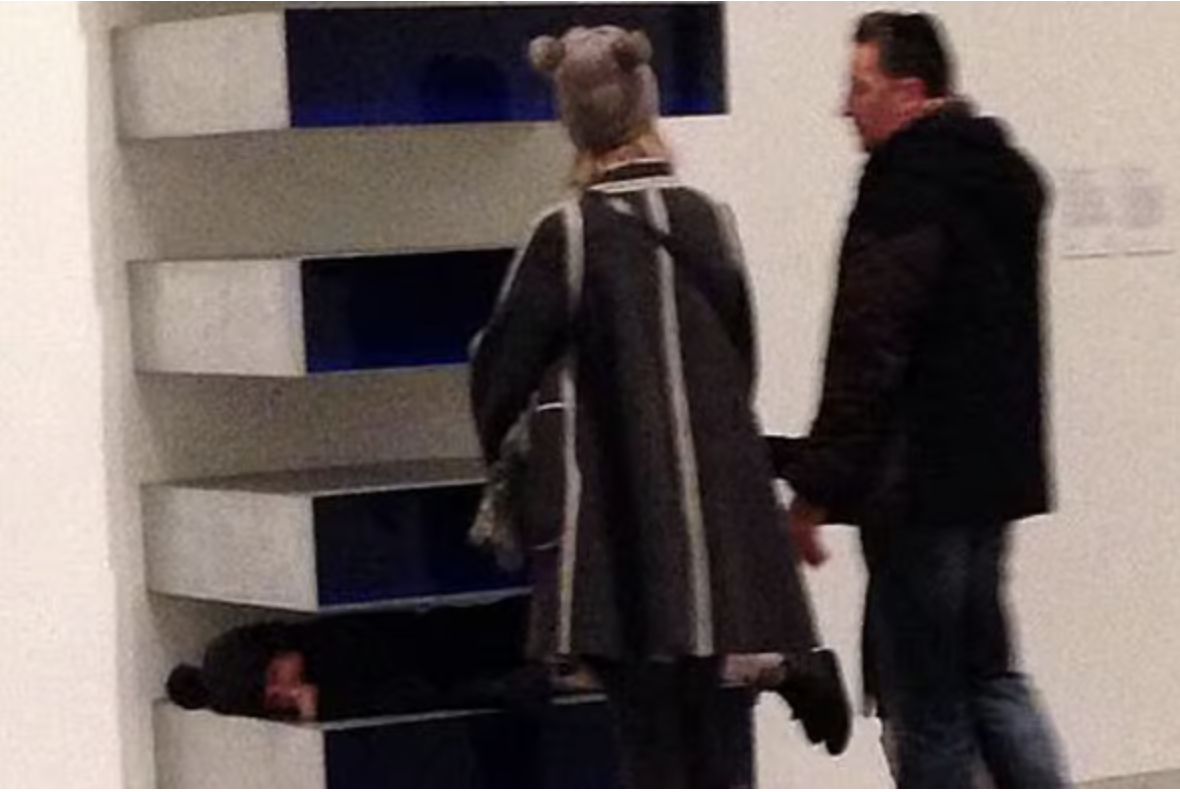
Dread Scott and the Flag on the Floor
Dread Scott's 1989 installation invited viewers to stand on a U.S. flag to write in a ledger, provoking national outrage, a Senate vote, and a chain of events leading to the Supreme Court's affirmation that flag desecration is protected speech.
David Wojnarowicz
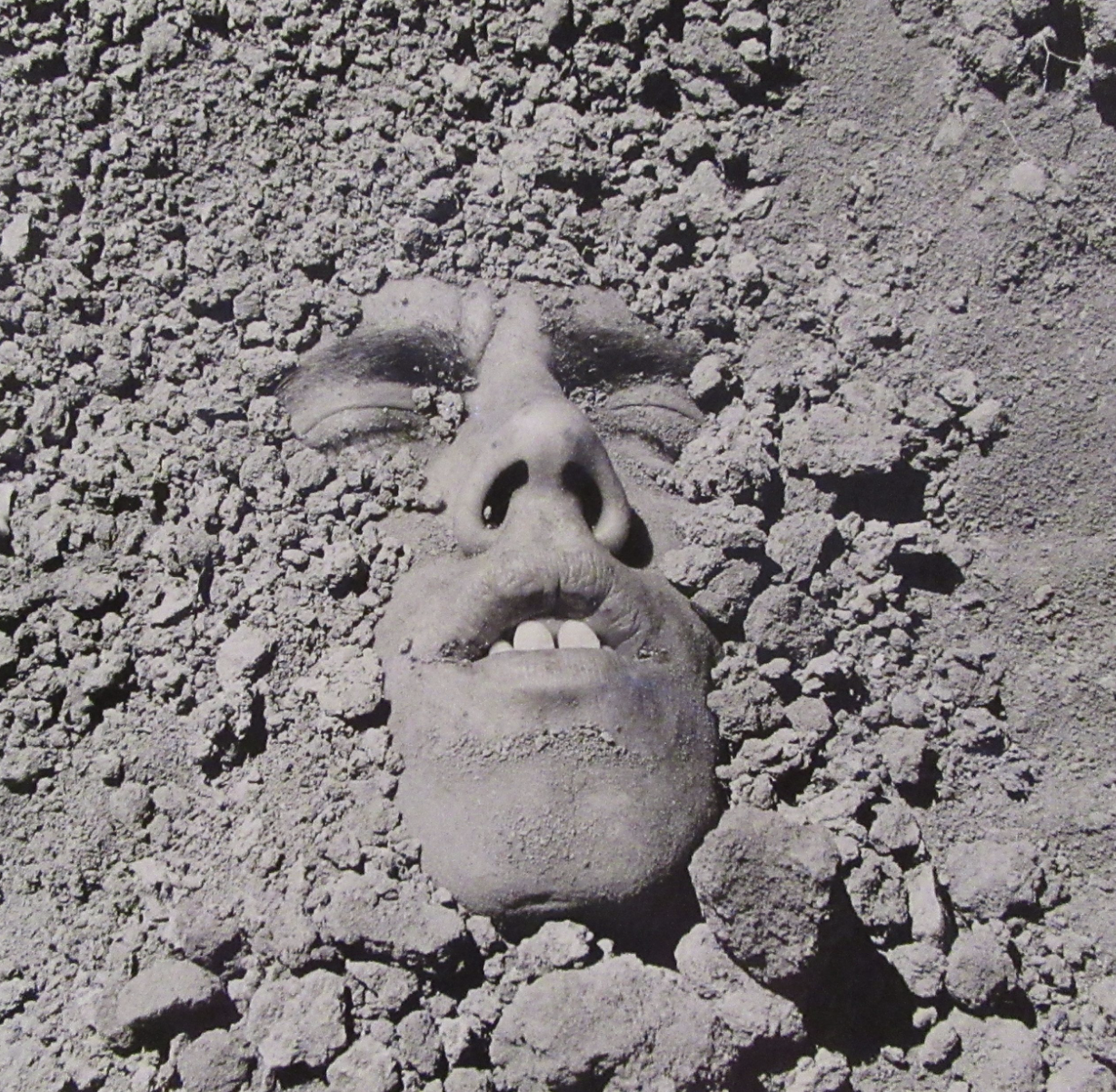
David Wojnarowicz (1954–1992) was an American artist, writer, filmmaker, photographer, and AIDS activist whose work became one of the most powerful artistic indictments of censorship, government neglect, and social injustice in the late twentieth century. Raised amid poverty and abuse before spending time homeless and hustling on the streets of New York, Wojnarowicz transformed his experiences on society's margins into a fiercely original body of work that blended painting, photography, collage, film, performance, and autobiographical writing. A central figure of New York's East Village art scene in the 1980s, he believed art should confront power rather than comfort it. For followers of Crimes of Art, Wojnarowicz occupies a unique place where art, censorship, and the law collide. His work challenged institutions ranging from the National Endowment for the Arts to conservative political organizations during the height of America's culture wars. In 1990, he successfully sued the American Family Association after it distributed altered excerpts of his work to portray him as obscene, winning a landmark case that affirmed artists could fight back against the deliberate misrepresentation of their work. His art was inseparable from activism. Following his HIV diagnosis in 1988 and the death of his mentor and partner, photographer Peter Hujar, Wojnarowicz produced emotionally charged works condemning the U.S. government's indifference to the AIDS epidemic. Images of burning maps, falling buffalo, houses in flames, stitched mouths, and fragmented bodies became symbols of a society abandoning its most vulnerable citizens. His memoir 'Close to the Knives' remains one of the defining literary accounts of the AIDS crisis and artistic resistance. Even after his death from AIDS-related illness in 1992 at the age of thirty-seven, controversy continued to follow his work. In 2010, the Smithsonian Institution removed his short film 'A Fire in My Belly' from an exhibition after political pressure from conservative groups over a brief scene depicting ants crawling across a crucifix. The incident reignited a national debate over artistic freedom, censorship, religion, and public funding for the arts, cementing Wojnarowicz's legacy as an artist whose work continued to challenge authority long after his death. Today, David Wojnarowicz is recognized as one of the most influential American artists of his generation. His work can be found in the collections of the Museum of Modern Art, the Whitney Museum of American Art, and major institutions worldwide. More than three decades after his death, his uncompromising vision continues to inspire artists, activists, and anyone interested in the uneasy relationship between creativity, power, and the law.

Richard Prince
Richard Prince (born 1949) is one of the most influential—and controversial—artists of the appropriation art movement. Since the late 1970s, he has built a career by rephotographing advertisements, magazine images, social media posts, and other existing works, challenging traditional ideas of originality, authorship, and copyright. His most significant legal battle came in Cariou v. Prince (2013), when photographer Patrick Cariou sued Prince for using dozens of his photographs without permission in the Canal Zone series. In a landmark decision, the U.S. Court of Appeals ruled that most of Prince's works were sufficiently "transformative" to qualify as fair use, fundamentally reshaping American copyright law for contemporary artists. While celebrated by many as a victory for artistic freedom, the case remains deeply divisive, with critics arguing it weakened protections for photographers and creators. Prince has continued to court controversy, most notably with his New Portraits series, in which he enlarged Instagram posts, added his own comments, and sold the resulting works for hundreds of thousands of dollars—once again igniting debates over appropriation, ownership, and where inspiration ends and infringement begins.
Giovanni Bastianini
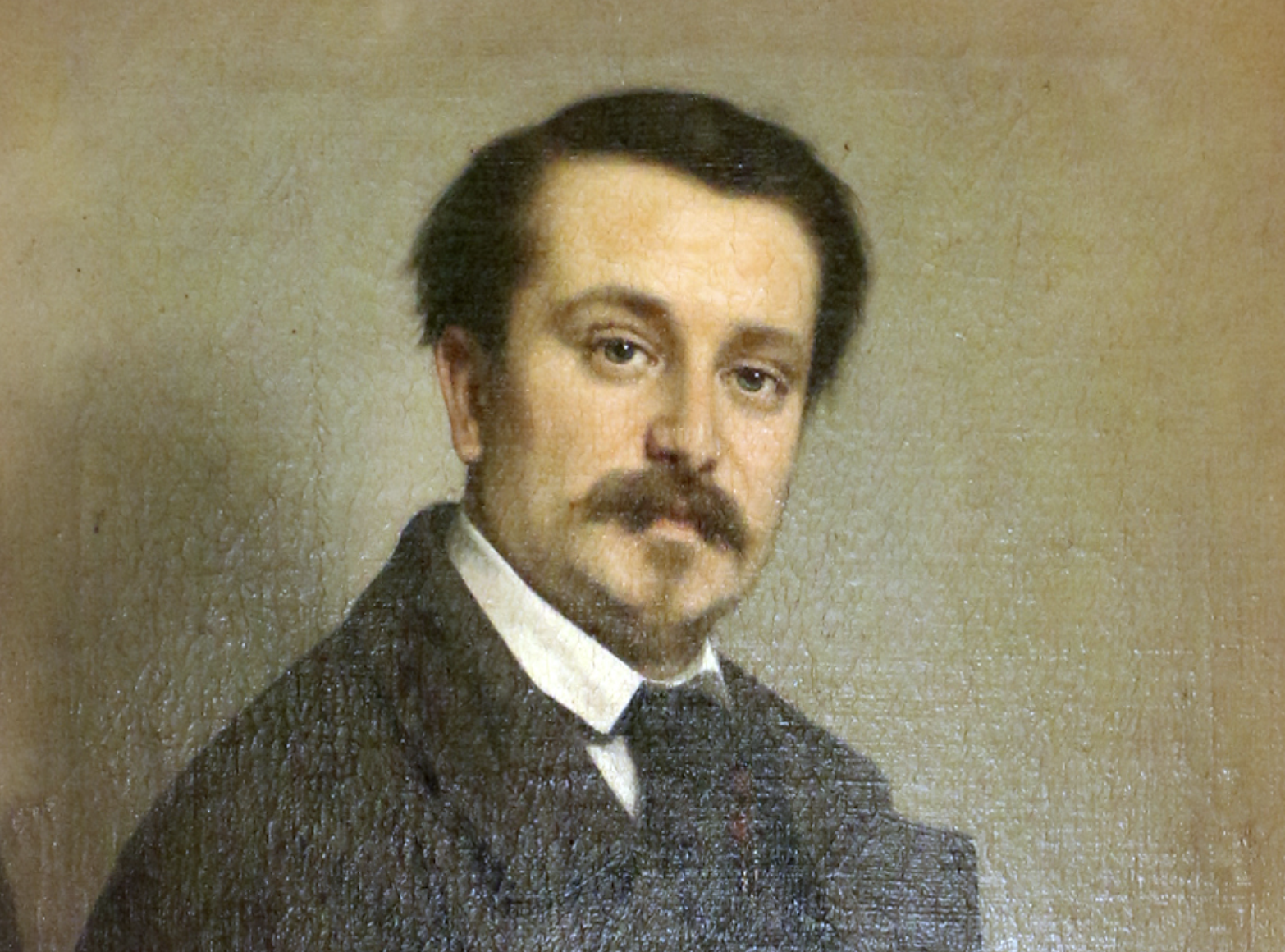
Italian sculptor whose Renaissance-style busts were sold as authentic 15th-century works, one entering the Louvre before the deception unravelled in a famous 1860s controversy over whether such skill could be called mere forgery.
Voina
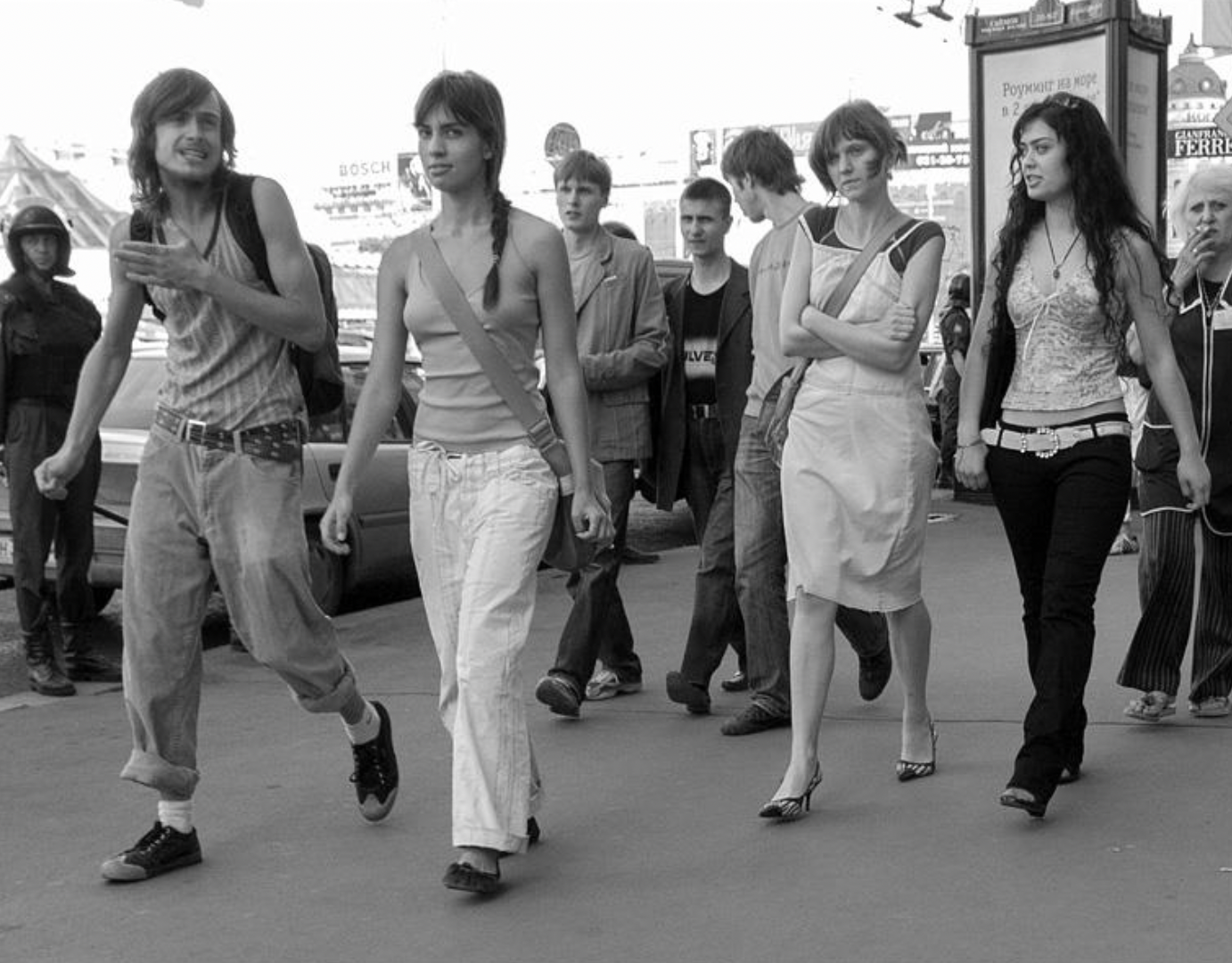
Few contemporary art groups have generated as much controversy—or as many criminal charges—as Voina ("War"), the Russian performance art collective founded in 2007. Part political activists, part conceptual artists, and part provocateurs, the group rejected galleries, museums, and the commercial art world in favor of disruptive public performances that challenged the authority of the Russian state. Voina believed that the artwork wasn't an object—it was the event itself. Their performances ranged from surreal pranks to acts of vandalism, often ending with arrests and international headlines. Among their most famous actions was Dick Captured by the FSB (2010), in which they painted a 65-meter phallus on a drawbridge in St. Petersburg. When the bridge opened, the image stood erect, pointing directly at the headquarters of Russia's Federal Security Service (FSB). The work became an instant symbol of artistic defiance and, remarkably, later won Russia's state-sponsored Innovation Prize for contemporary art. Other performances were even more confrontational. Members overturned police cars, staged mock executions, interrupted court proceedings with punk concerts, welded shut the doors of an elite restaurant, and organized provocative demonstrations criticizing corruption, police brutality, censorship, and political repression. More than a dozen criminal cases were eventually brought against members of the collective. The group's history also intersected with another famous activist collective. Nadezhda Tolokonnikova and Pyotr Verzilov were early members of Voina before splitting from the group in 2009. Two years later, Tolokonnikova co-founded Pussy Riot, whose anti-Putin protest inside Moscow's Cathedral of Christ the Saviour attracted worldwide attention. Their performances intentionally erased the boundary between art, activism, and crime, forcing audiences to confront uncomfortable questions about power, authority, and free expression. Voina demonstrated that in the twenty-first century, one of the most powerful canvases wasn't a museum wall—it was the street itself.

The Sculpture Everyone Insisted Wasn't a Christmas Tree
Paul McCarthy's inflatable 'Tree' — widely compared to a sex toy — sparked outrage, an assault on the artist, and finally the cutting of its support cables, collapsing the work.