Results for “nea”

The Theft of the Cellini Salt Cellar
Benvenuto Cellini's golden Saliera — the only surviving gold sculpture by the Renaissance master — was stolen from Vienna in 2003 and recovered three years later, buried in a lead box in an Austrian forest.

The Bührle Collection Robbery
In one of Europe's largest art robberies, armed men walked into the Bührle museum in Zurich in 2008 and took four Impressionist and Post-Impressionist masterpieces. Most were recovered within years.

The Christ Church Picture Gallery Theft
In 2020 thieves broke into the Christ Church Picture Gallery in Oxford and took three Old Master paintings by Annibale Carracci, Salvator Rosa, and Anthony van Dyck. Two remain missing, one came back!

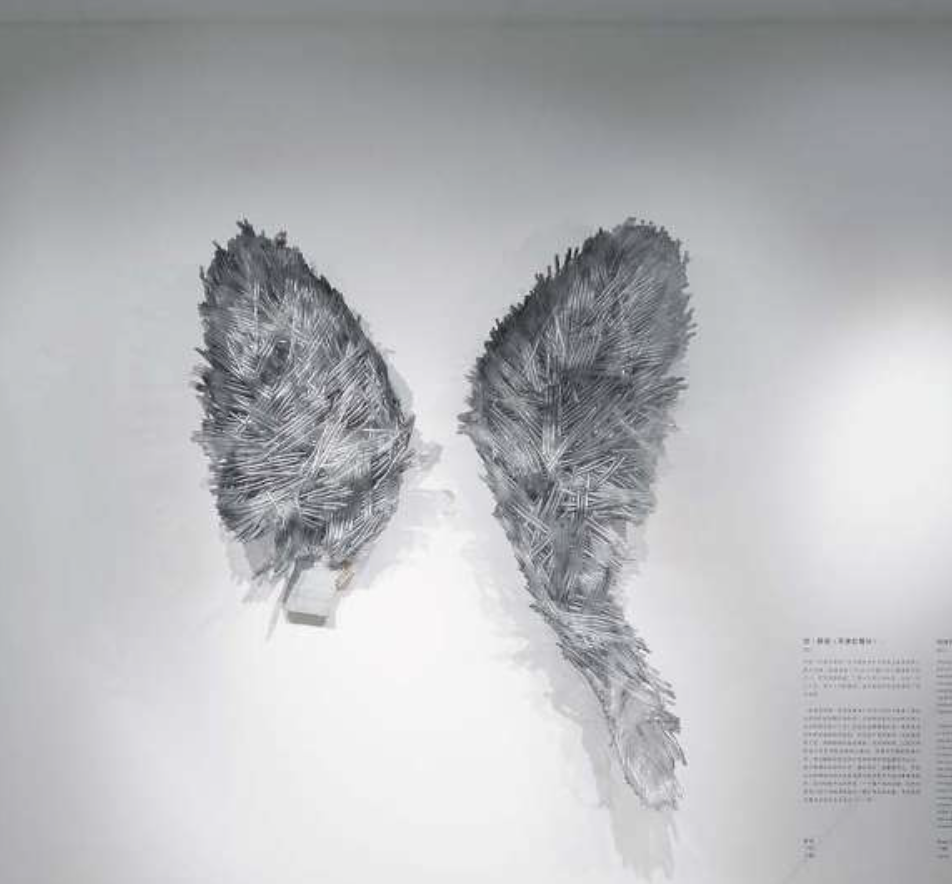
The NEA Four and the Culture Wars
After performance artists — among them Karen Finley — had NEA grants vetoed as too explicit, the ensuing fight produced 'NEA v. Finley', a Supreme Court case at the heart of debates over public funding and artistic freedom.
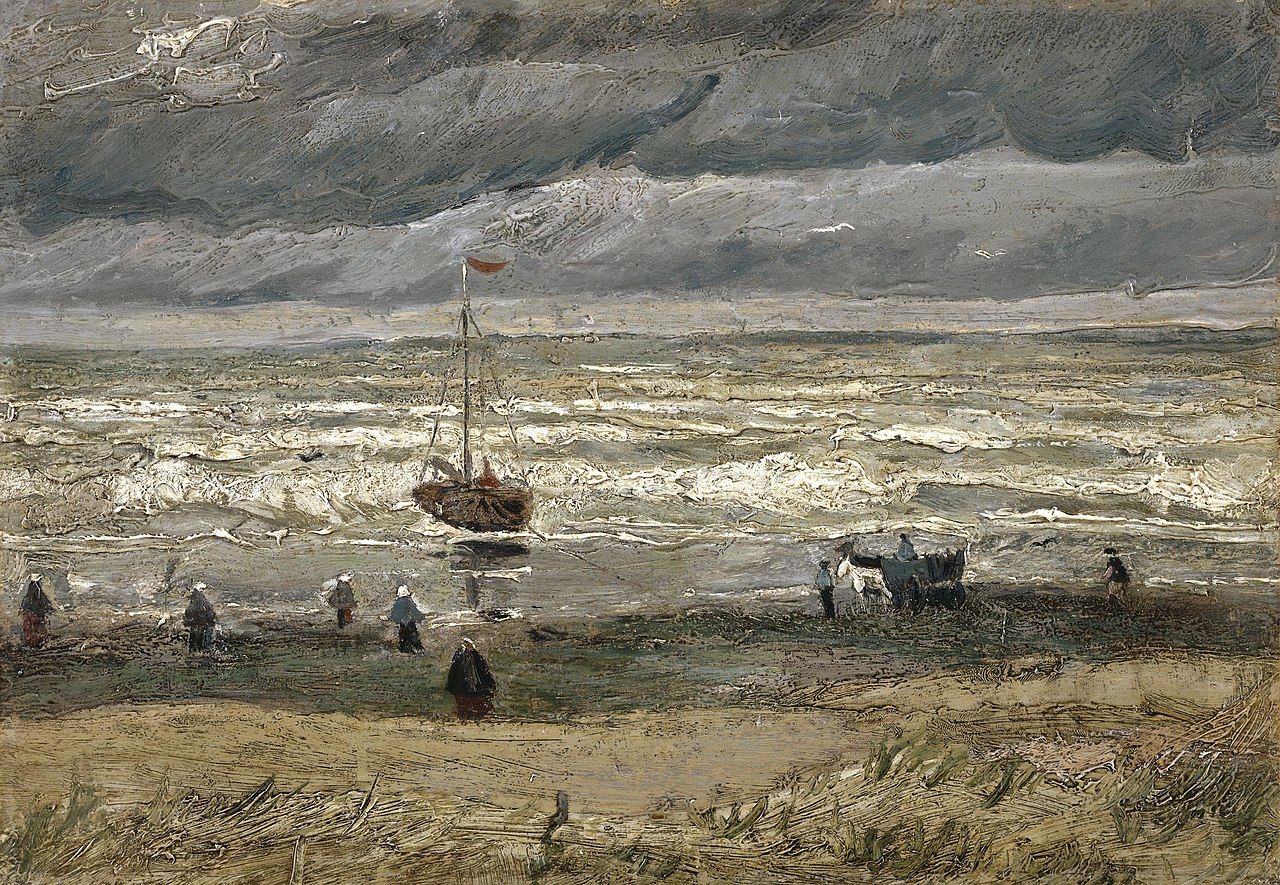
The Van Gogh Museum Robbery
Thieves used a ladder to enter the Van Gogh Museum in 2002 and made off with two paintings. They resurfaced fourteen years later in the hands of a Naples crime family.

The Dulwich Rembrandt Theft (1966)
Rembrandt's small portrait 'Jacob de Gheyn III' was stolen from Dulwich in 1966 — the first of four thefts that earned it the nickname 'the Takeaway Rembrandt'. Each time, it came back.

The Euphronios Krater Returned to Italy
In 1972 the Metropolitan Museum of Art paid a record $1 million for a dazzling sixth-century BC Greek vase painted by Euphronios. Decades later it was proven to have been looted from an Etruscan tomb near Cerveteri — and in 2008 the Met returned it to Italy.
The Medici Archive Investigation
In 1995, investigators raided a warehouse in the Geneva Freeport and uncovered the archive of dealer Giacomo Medici — thousands of Polaroids of freshly looted objects that became a Rosetta Stone for the antiquities trade and drove restitutions from museums around the world.

The 1911 Theft of the Mona Lisa
On the morning of 21 August 1911, the Mona Lisa vanished from the walls of the Louvre. For twenty-eight months it was gone — and in its absence it became an icon.

The Whitworth Gallery Theft
Works by Van Gogh, Picasso and Gauguin taken from Manchester's Whitworth in 2003 were found days later behind a nearby public toilet, with a note claiming the point was to expose lax security.

Vincenzo Peruggia
An Italian handyman and former Louvre employee who, in 1911, walked out of the museum with the Mona Lisa concealed beneath his workman's smock. He kept the painting in his Paris apartment for over two years, claiming a patriotic desire to return it to Italy. His attempt to sell it to a Florentine dealer led to his arrest and to the theft that made the Mona Lisa the most famous painting in the world.

Stéphane Breitwieser
Stéphane Breitwieser (born 1971) is widely regarded as the most prolific art thief in modern history. Between 1994 and 2001, the Frenchman stole more than 300 works of art from approximately 200 museums, galleries, churches, and castles across Europe, amassing an estimated collection worth between $1.4 and $2 billion. Unlike nearly every other notorious art thief, Breitwieser wasn't motivated by money. He never worked for organized crime, never accepted commissions from wealthy collectors, and almost never sold what he stole. Instead, he stole simply because he wanted to live surrounded by great art. Breitwieser and his girlfriend, Anne-Catherine Kleinklaus, targeted small museums with minimal security. While she acted as a lookout, he quietly removed paintings, sculptures, clocks, ivory carvings, and other treasures before calmly walking out the front door. His methods were remarkably simple: no weapons, no violence, no smashed display cases — just confidence, patience, and an eye for vulnerable institutions. After each theft, Breitwieser brought the works to his mother's attic in Mulhouse, France, where he transformed the space into a secret private museum. He spent hours admiring the collection, arranging and rearranging masterpieces by artists including Brueghel, Cranach, Watteau, and Boucher. His obsession was with possession, not profit. His extraordinary run ended in 2001 after he stole a medieval hunting horn from the Richard Wagner Museum in Switzerland. A museum employee noticed the theft almost immediately, and police arrested him before he could escape. As investigators closed in on the hidden collection, Breitwieser's mother, fearing a police search, destroyed many of the stolen works — cutting paintings, smashing sculptures, and disposing of priceless objects in canals and garbage bins. The destruction of these irreplaceable artworks remains one of the greatest cultural losses associated with the case. Breitwieser's story is chronicled in Michael Finkel's bestselling book 'The Art Thief', which explores the psychology of a man who saw himself less as a criminal than as a passionate collector. His crimes continue to spark debate among criminologists, museum professionals, and art historians: was he an obsessive aesthete, a compulsive thief, or simply a criminal who happened to have exquisite taste? For followers of Crimes of Art, Breitwieser represents a rare kind of art criminal. He didn't steal for wealth or notoriety — he stole for beauty. His story challenges conventional ideas about motive, ownership, and the lengths to which one person will go to possess the world's greatest works of art.
Karen Finley
American performance artist and one of the 'NEA Four' whose grants were vetoed as too explicit, prompting the landmark Supreme Court case 'NEA v. Finley' at the heart of debates over public funding and artistic freedom.
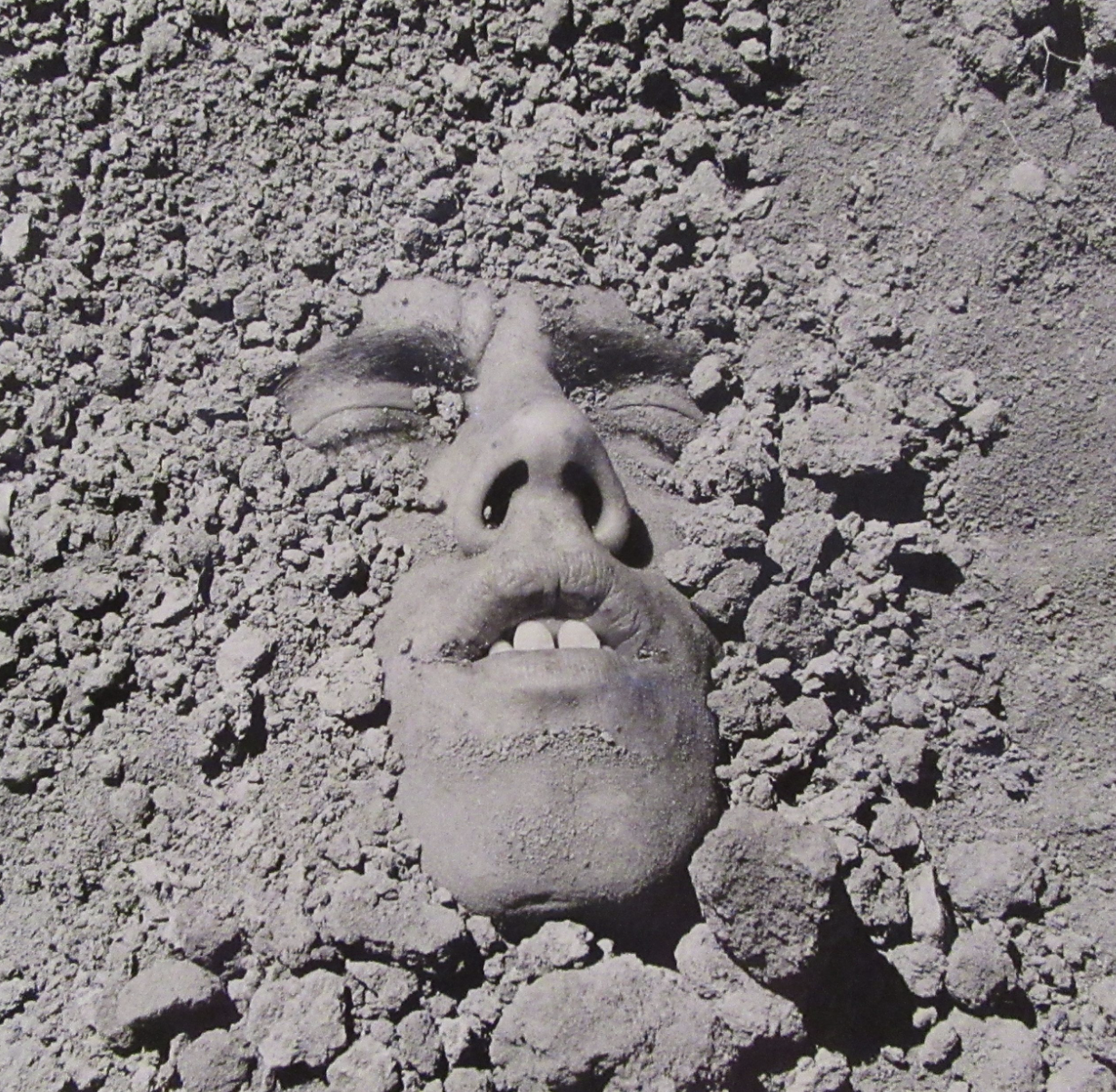
David Wojnarowicz
David Wojnarowicz (1954–1992) was an American artist, writer, filmmaker, photographer, and AIDS activist whose work became one of the most powerful artistic indictments of censorship, government neglect, and social injustice in the late twentieth century. Raised amid poverty and abuse before spending time homeless and hustling on the streets of New York, Wojnarowicz transformed his experiences on society's margins into a fiercely original body of work that blended painting, photography, collage, film, performance, and autobiographical writing. A central figure of New York's East Village art scene in the 1980s, he believed art should confront power rather than comfort it. For followers of Crimes of Art, Wojnarowicz occupies a unique place where art, censorship, and the law collide. His work challenged institutions ranging from the National Endowment for the Arts to conservative political organizations during the height of America's culture wars. In 1990, he successfully sued the American Family Association after it distributed altered excerpts of his work to portray him as obscene, winning a landmark case that affirmed artists could fight back against the deliberate misrepresentation of their work. His art was inseparable from activism. Following his HIV diagnosis in 1988 and the death of his mentor and partner, photographer Peter Hujar, Wojnarowicz produced emotionally charged works condemning the U.S. government's indifference to the AIDS epidemic. Images of burning maps, falling buffalo, houses in flames, stitched mouths, and fragmented bodies became symbols of a society abandoning its most vulnerable citizens. His memoir 'Close to the Knives' remains one of the defining literary accounts of the AIDS crisis and artistic resistance. Even after his death from AIDS-related illness in 1992 at the age of thirty-seven, controversy continued to follow his work. In 2010, the Smithsonian Institution removed his short film 'A Fire in My Belly' from an exhibition after political pressure from conservative groups over a brief scene depicting ants crawling across a crucifix. The incident reignited a national debate over artistic freedom, censorship, religion, and public funding for the arts, cementing Wojnarowicz's legacy as an artist whose work continued to challenge authority long after his death. Today, David Wojnarowicz is recognized as one of the most influential American artists of his generation. His work can be found in the collections of the Museum of Modern Art, the Whitney Museum of American Art, and major institutions worldwide. More than three decades after his death, his uncompromising vision continues to inspire artists, activists, and anyone interested in the uneasy relationship between creativity, power, and the law.
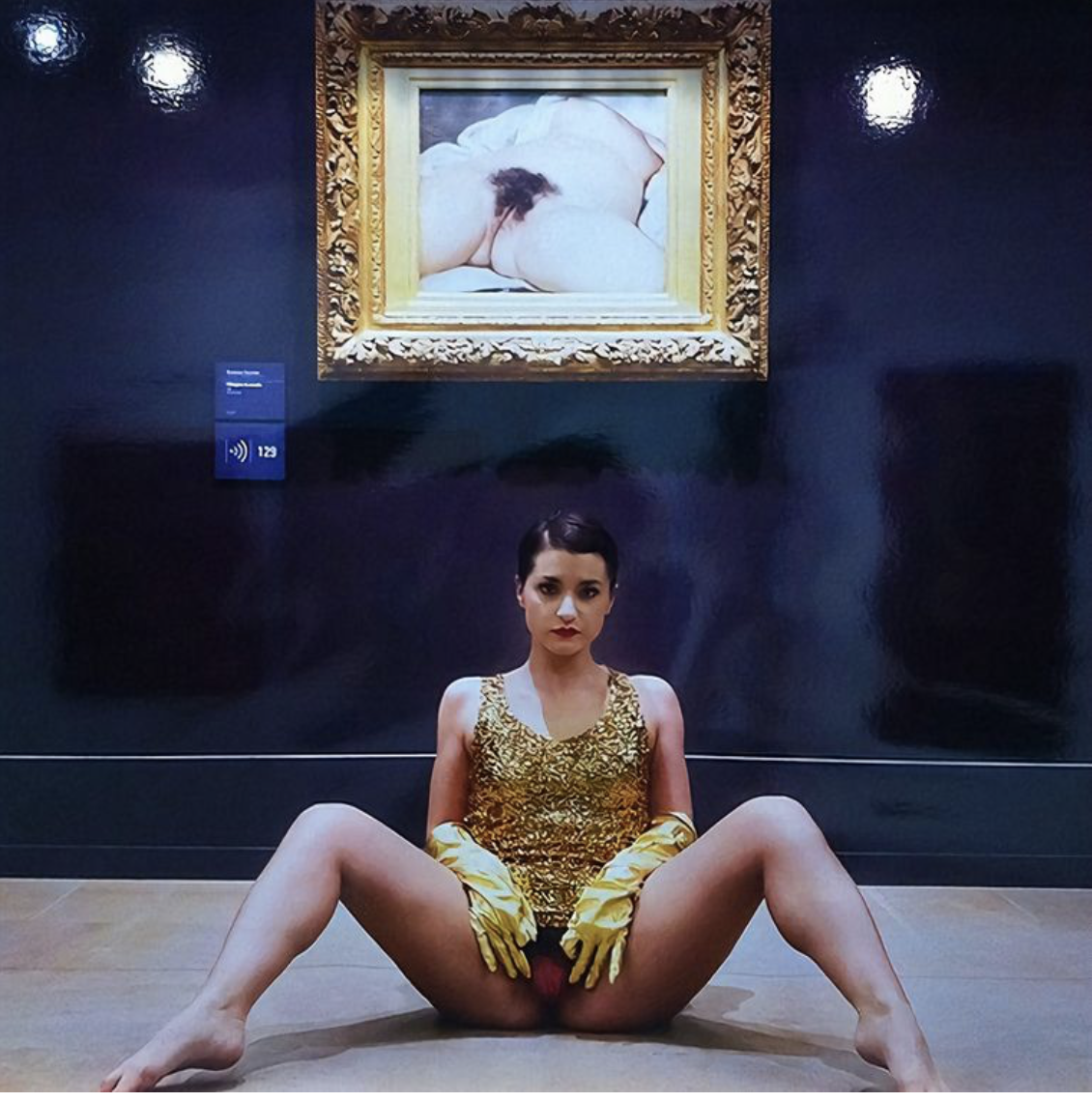
Deborah De Robertis
A Luxembourgish performance artist who stages unauthorised interventions in front of canonical artworks — most famously exposing herself before Courbet's 'The Origin of the World' at the Musée d'Orsay and beneath the Mona Lisa at the Louvre. Her work turns the museum into a stage and the viewer's gaze back on itself, and has repeatedly drawn police complaints, arrests, and charges of sexual exhibitionism — making her a lightning rod in debates over the female body, censorship, and who is permitted to act inside the museum. https://www.youtube.com/watch?v=r0Sr7CblcVQ
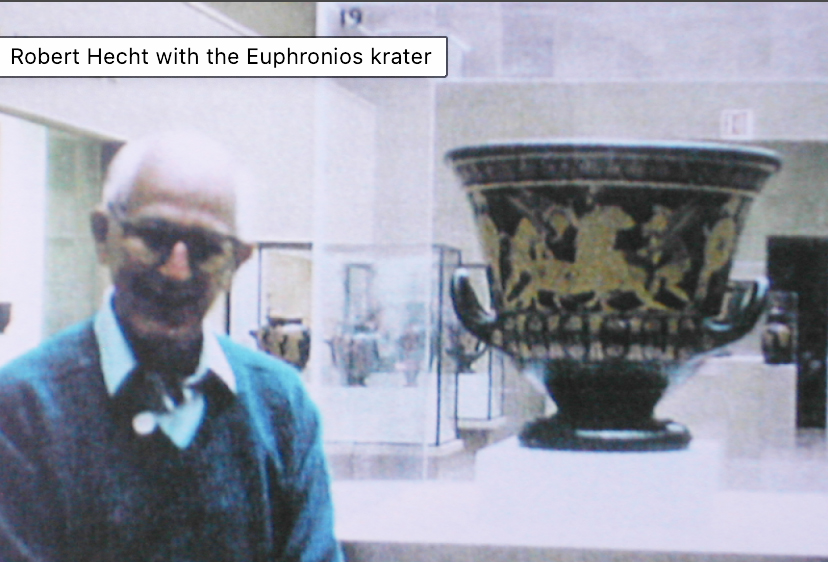
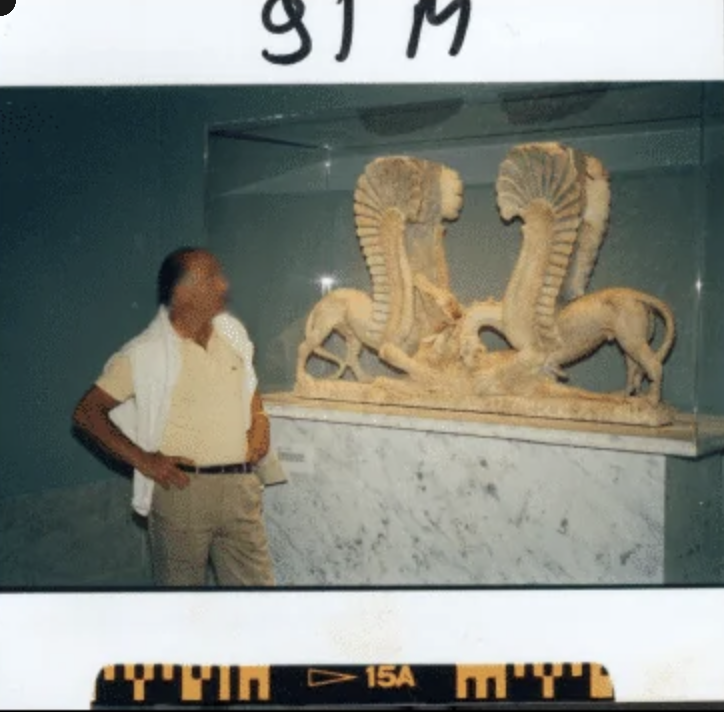
Robert Hecht
American antiquities dealer long suspected of being a linchpin of the illicit trade between Mediterranean tomb-robbers and the world's great museums. He sold the Euphronios krater to the Metropolitan Museum of Art in 1972 and was later tried in Italy alongside Giacomo Medici and Getty curator Marion True; the case against him lapsed on the statute of limitations before a verdict. He died in 2012. (image: Hecht and the Euphronios krater he sold to the Met.)
John Re
According to the FBI, Re claimed he had uncovered a hidden cache of Pollock paintings while cleaning out the East Hampton home of a deceased woodworker and antique restorer. The discovery, he suggested, had somehow remained unknown to scholars, museums, and Pollock experts for decades. If true, it would have been one of the greatest finds in modern art history. Instead, prosecutors say it became one of the largest online art fraud schemes involving Jackson Pollock. Between 2005 and 2013, Re allegedly sold more than 60 fake Pollocks through eBay and private negotiations, collecting nearly $1.9 million from hopeful buyers. To make the paintings appear more desirable, investigators say he even used shill bidders to drive up auction prices. The scheme began to unravel when collectors did what every buyer of a "lost masterpiece" eventually should—ask an expert. One painting contained materials that didn't even exist during Pollock's lifetime. The International Foundation for Art Research (IFAR) later examined 45 of the paintings and concluded they were all counterfeit. Their report noted that the works were actually too similar to one another. Ironically, the consistency that made them look convincing was exactly what gave them away. Pollock's authentic drip paintings are famously unpredictable; the fakes looked like they had all come from the same hand (and specifically not Pollack's). Another collector received an even simpler authenticity test. While examining one painting, a dealer tried to wipe away a small smudge of dirt with a damp finger. The paint came off. Despite mounting evidence, prosecutors say Re continued insisting the works were genuine, describing one in an email as "a very strong Pollock" complete with age cracks and decades of basement storage. In another message, he proclaimed he had discovered "the greatest contemporary art find in history." The FBI disagreed. Federal investigators ultimately charged Re with wire fraud, alleging the basement treasure was little more than a carefully crafted fiction supported by fake provenance, persuasive salesmanship, and the enduring hope that the next unbelievable discovery might just be real. In the art world, extraordinary discoveries do happen. The trick is remembering that extraordinary stories usually require extraordinary proof. Perhaps the strangest footnote is what Re bought with some of the money. According to the Department of Justice, one fraudulent Pollock sale helped finance the purchase of a submarine called the U.S.S. Deep Quest. As part of the criminal proceedings, federal authorities obtained a restraining order preventing him from selling the submarine while forfeiture issues were resolved. It's not often an art fraud case ends with the government seizing a submarine.
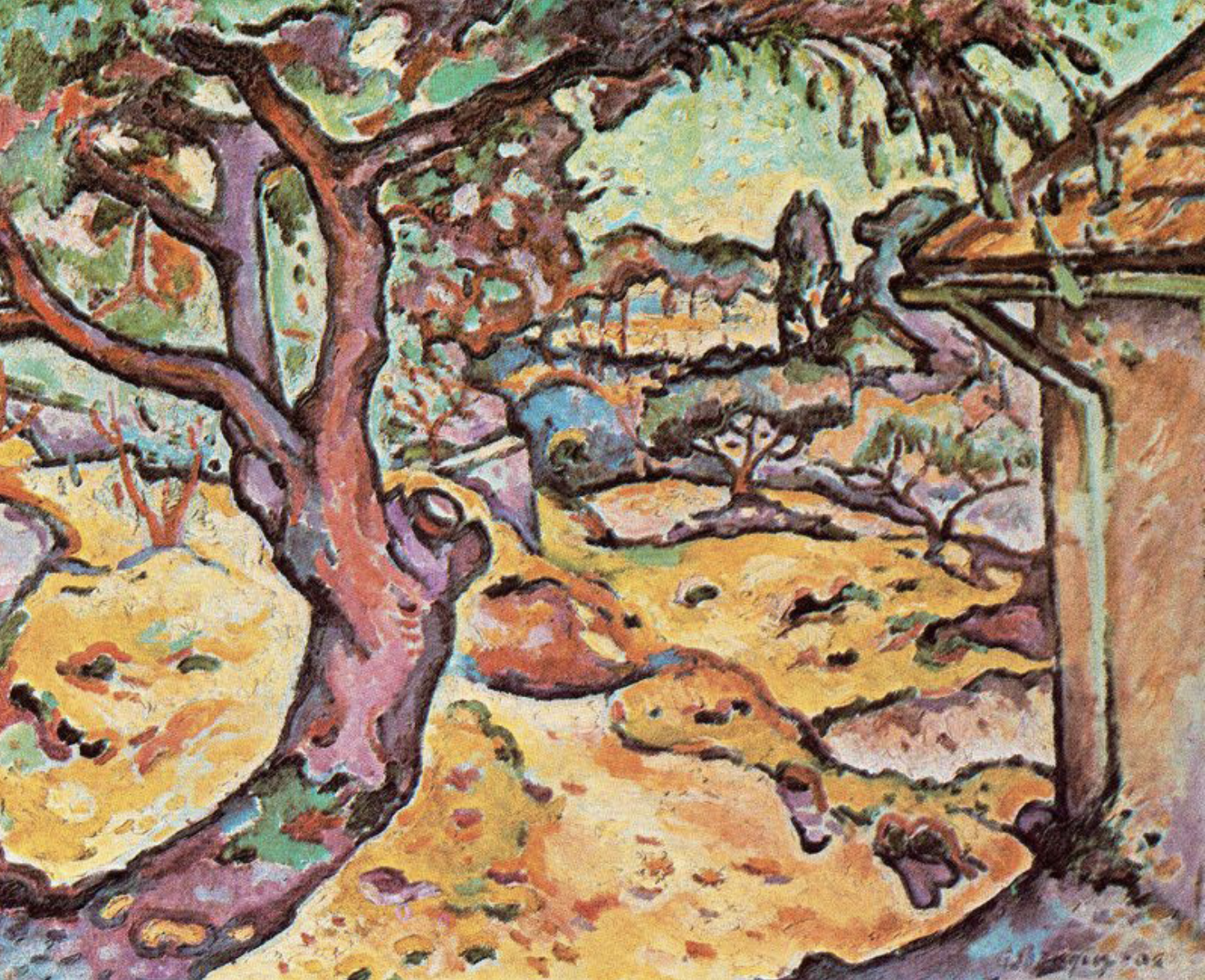
Olive Tree near l'Estaque
A Braque landscape among the five masterpieces lost in the 2010 Paris Modern theft.
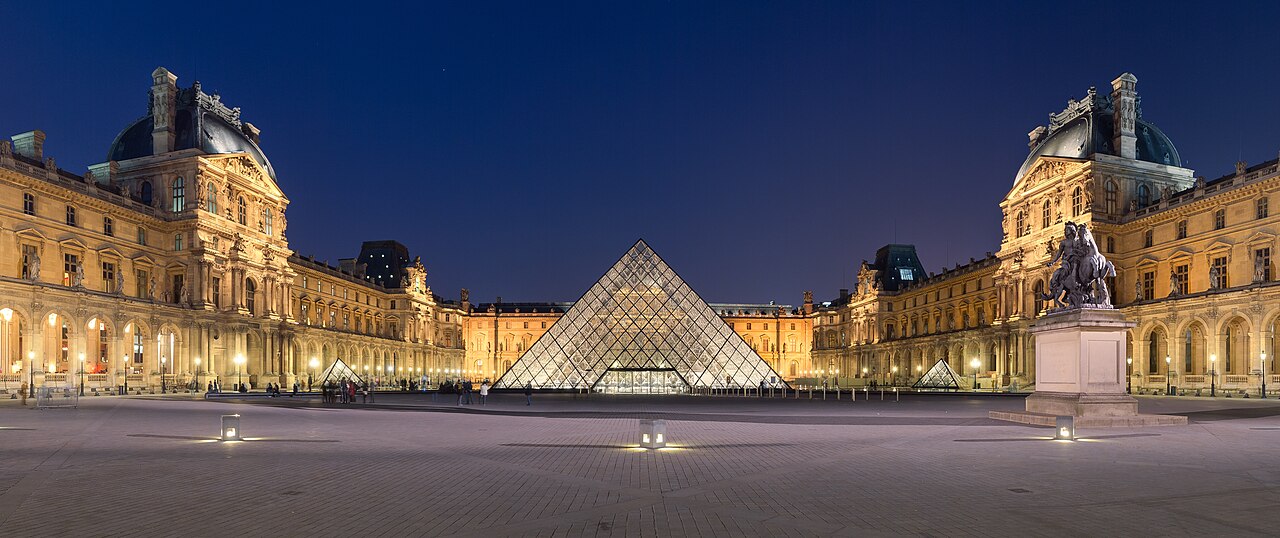
Louvre Heist Update: Mastermind Reportedly Told Crew They “Could Have Taken More”
Newly released suspect statements describe a post-heist “performance review” from an unidentified organizer known only as “Jo” — who thought the crew left valuable pieces behind.

Father Daughter Forger Family's 2mil hobby
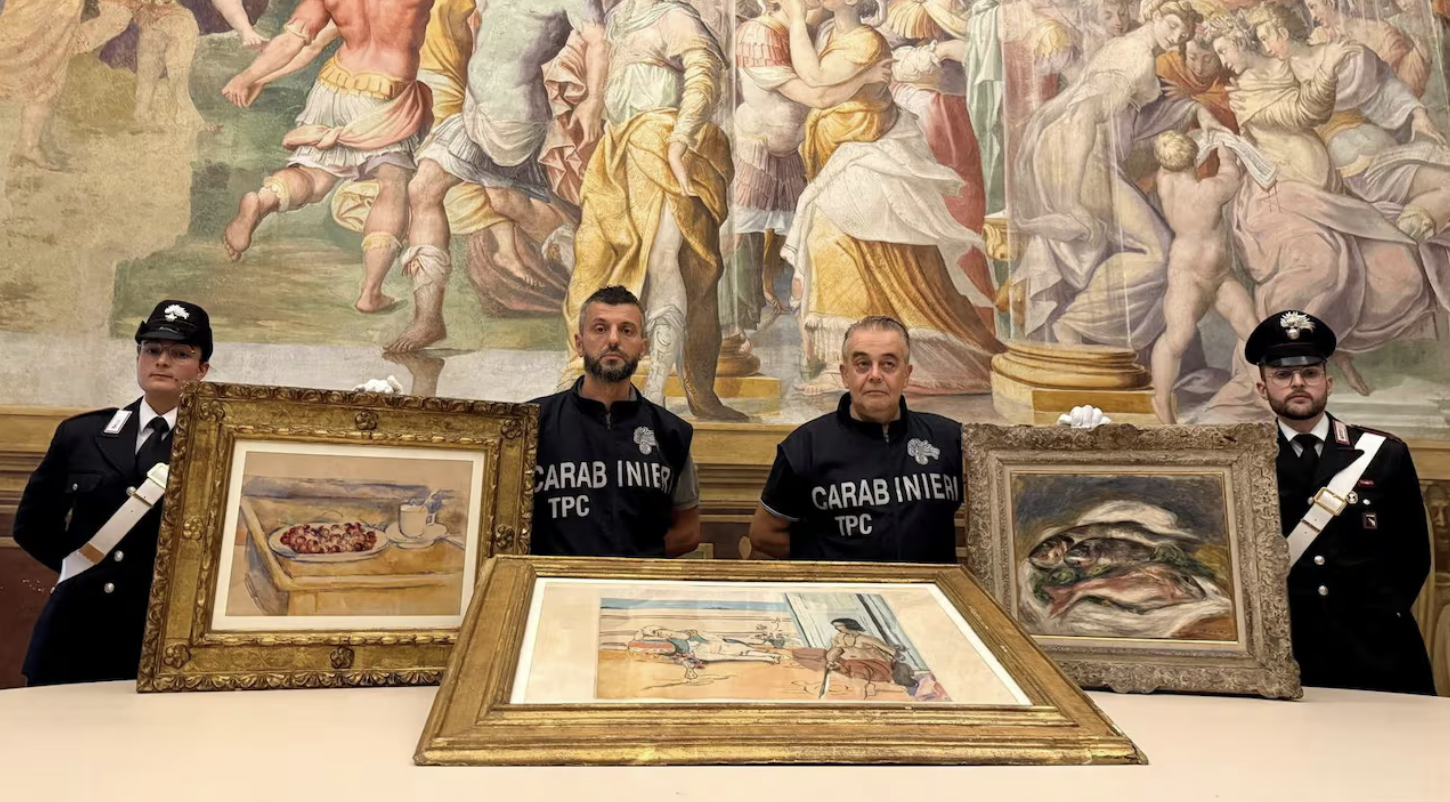
Parma-geddon Averted: The Carabinieri Bring Three Masterpieces Home
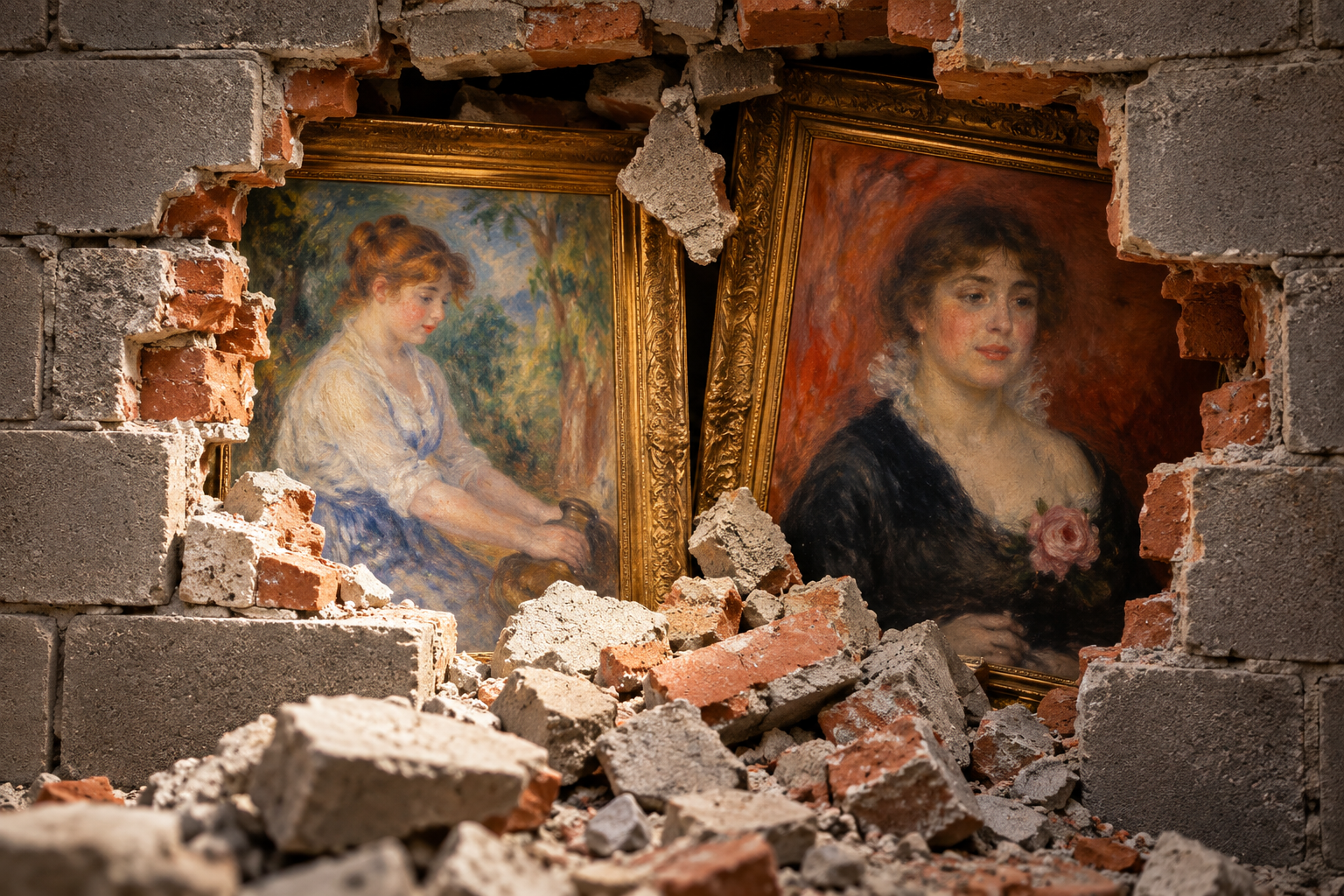
Renoir's Recovered!: Bricked-Up Beauties & Bungling Burglars
Two stolen Renoirs, a cinderblock wall, and a trail of DNA. French police have recovered $4.7 million worth of Paintings. The works (and the thieves’ getaway plan) had a few holes in them.
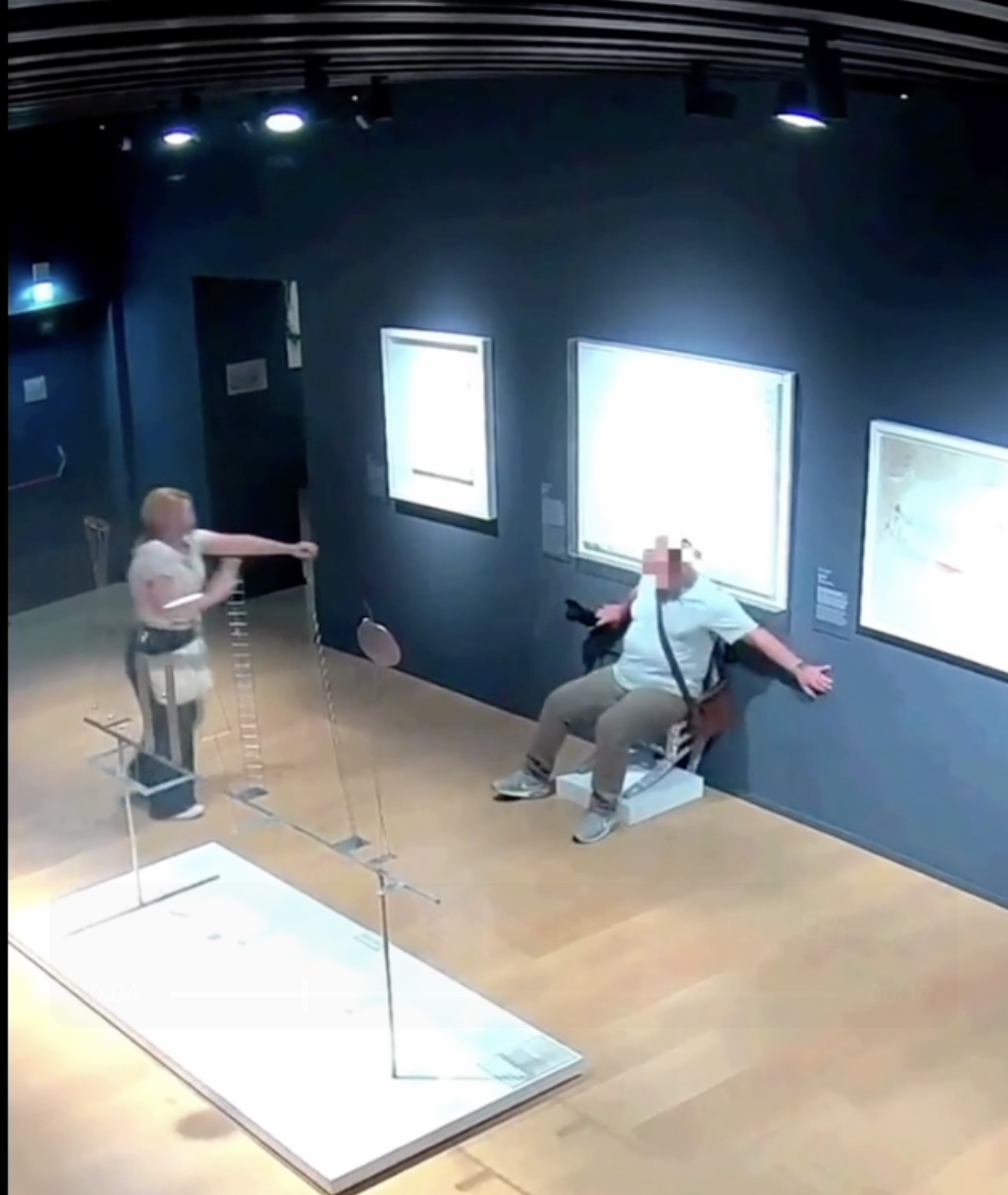
The Tourist Who Sat on the Crystal Chair
A visitor lowered himself onto Nicola Bolla's Swarovski-crystal-encrusted 'Van Gogh' chair to strike a pose. The chair, which was art and not furniture, promptly gave way beneath him.

The Carmen Tisch Incident
In a single visit, an intoxicated Carmen Tisch allegedly punched, scratched, and slid her butt against a Clyfford Still painting valued in the tens of millions — and, prosecutors said, may have urinated on it (though she reportedly missed).
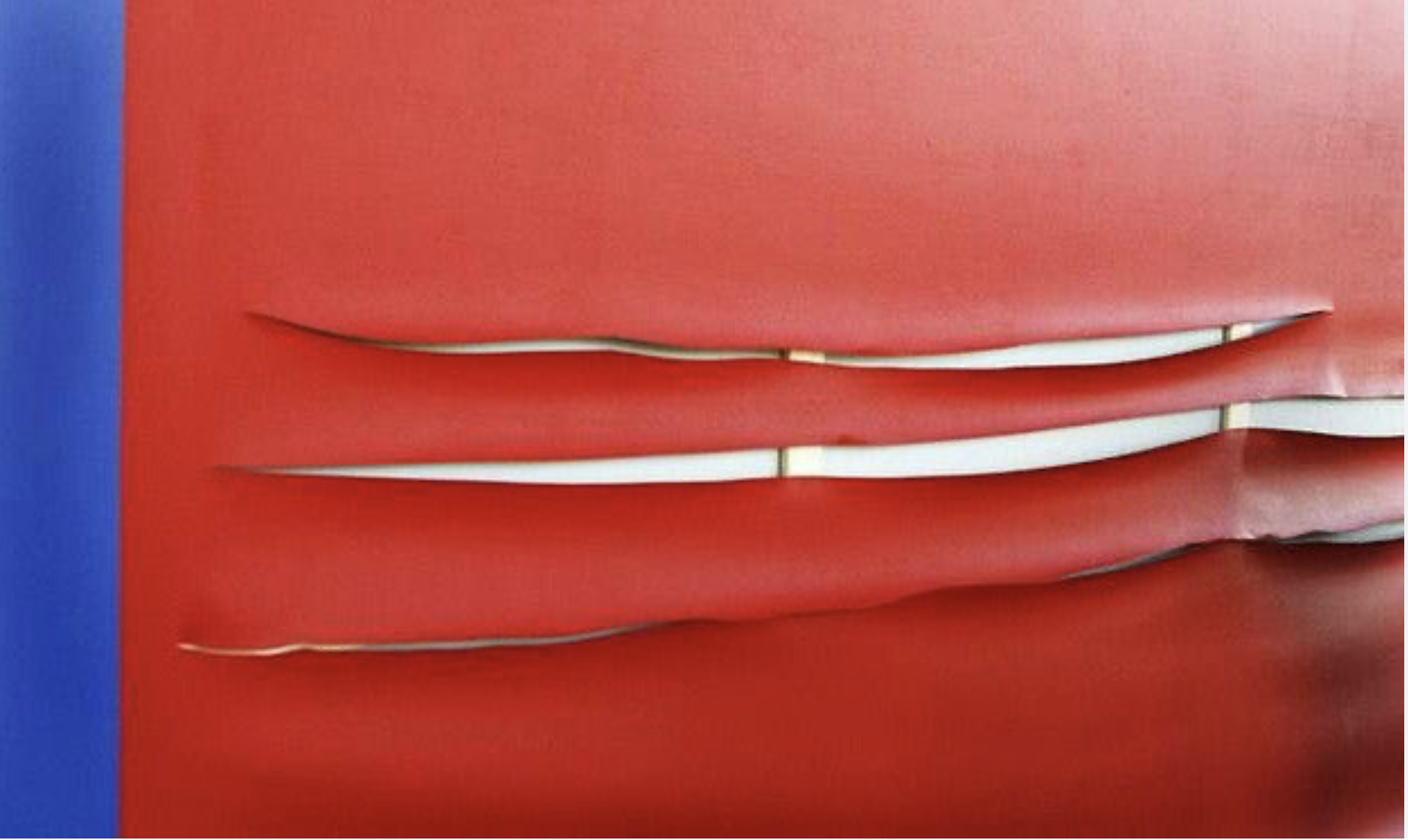
Who's Afraid of a Red, Yellow and Boxcutter
Dutch painter Gerard Jan van Bladeren slashed Barnett Newman's monumental 'Who's Afraid of Red, Yellow and Blue III' dozens of times — and its controversial restoration was later attacked as more damaging than the knife.

Serial Vandal Meets the Renaissance
In April 1988 a serial vandal Hans-Joachim Bolhmann hurled sulfuric acid at Albrecht Dürer's 'Mater Dolorosa', a central panel of the Seven Sorrows Polyptych, permanently damaging parts of the 500-year-old work.

Two Thousand Years, One Bad Afternoon
A man climbed the barriers and jumped nearly six metres into an excavation pit at Xi'an, pushing and pulling the ancient clay soldiers and damaging at least two before guards subdued him.
The Mona Lisa Eats Soup
Two activists from Riposte Alimentaire hurled pumpkin soup at the Mona Lisa's protective glass, demanding a 'healthy and sustainable food system'. The bulletproof glazing shrugged it off.
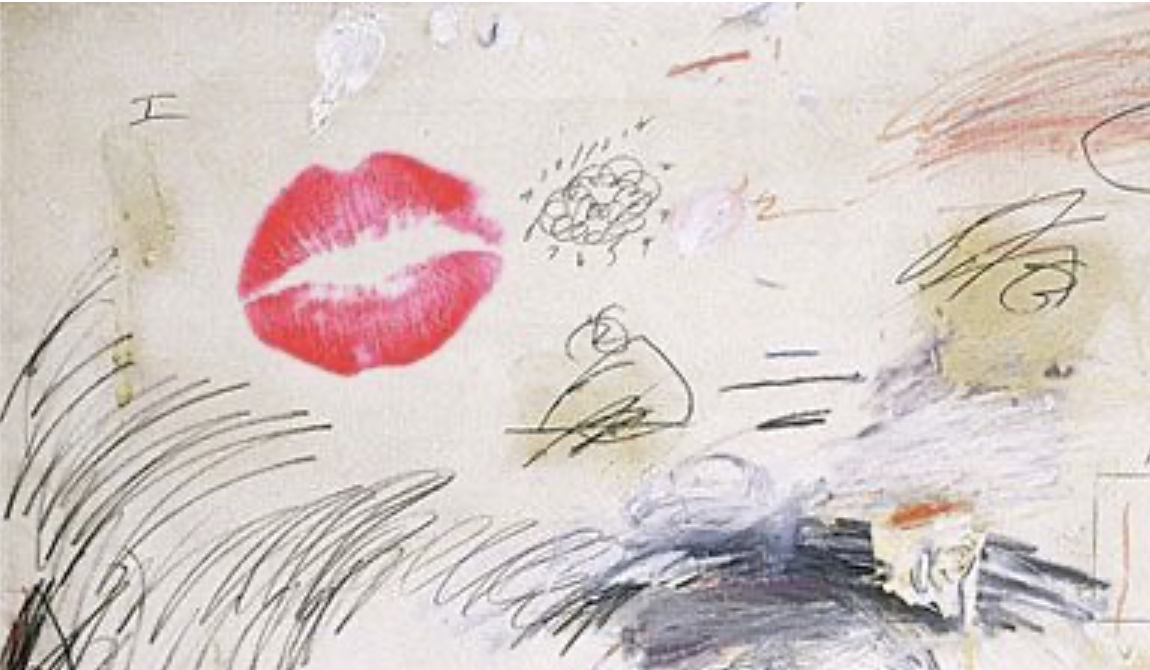
She Kiss the Art and She Liked it
Artist Rindy Sam kissed Cy Twombly's near-white 'Phaedrus', leaving a lipstick mark that required conservation. She called it an act of love; the court called it damage.
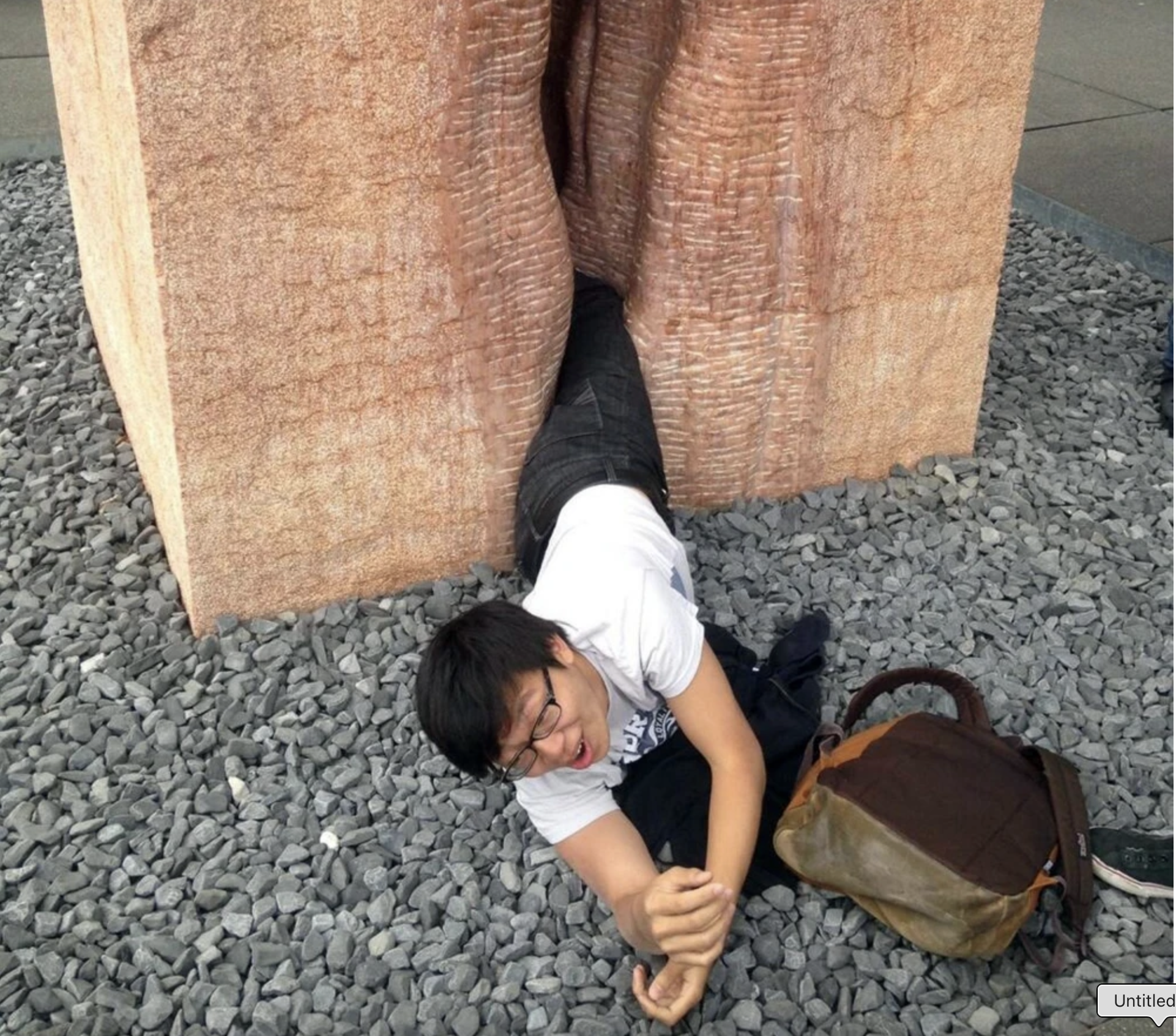
The Student Who Got Stuck in a Giant Vagina
A 20-year-old exchange student climbed inside Fernando de la Jara's monumental stone sculpture 'Pi-Chacan' for a dare photo and became wedged — requiring 22 firefighters to free him.