The Medici Archive Investigation
A Geneva warehouse, thousands of Polaroids, and the map of the illicit antiquities trade
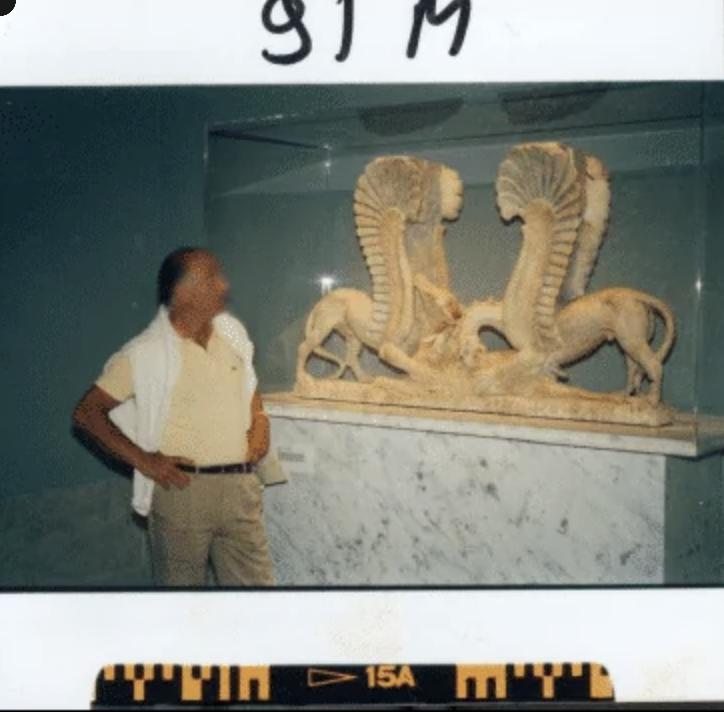
Image: Wikimedia Commons (public domain)
In 1995, investigators raided a warehouse in the Geneva Freeport and uncovered the archive of dealer Giacomo Medici — thousands of Polaroids of freshly looted objects that became a Rosetta Stone for the antiquities trade and drove restitutions from museums around the world.
The break came not from a stolen masterpiece but from a filing system. In September 1995, acting on leads from the Carabinieri and Swiss authorities, investigators entered a corridor of rooms in the Geneva Freeport rented by the Italian dealer Giacomo Medici. Inside they found antiquities — and, more importantly, thousands of photographs.
Medici, it turned out, had documented his own trade. The Polaroids showed objects encrusted with dirt, broken, and half-cleaned: the tell-tale state of things freshly ripped from tombs. By matching these images against pieces displayed in the world's great museums, investigators could prove that celebrated 'old collection' antiquities had in fact been looted only years earlier.
The archive became the single most important tool in the history of antiquities policing. It mapped a supply chain that ran from Italian and Mediterranean tomb-robbers, through middlemen and dealers such as Medici and Robert Hecht, to respected auction houses, private collectors, and museums including the Metropolitan Museum of Art and the J. Paul Getty Museum.
Medici was convicted in Rome in 2004 of dealing in looted antiquities and sentenced to prison and a substantial fine. The fallout reshaped the field: the Getty returned dozens of objects, the Met surrendered the Euphronios krater, and the case against curator Marion True made international headlines.
The Medici archive proved a quiet truth of art crime — that the paperwork, the photographs, and the provenance trail often bring down a network that no single dramatic recovery ever could.