Results for “provenance”

The Beltracchi Forgery Ring
Rather than copy existing paintings, Wolfgang Beltracchi invented new 'lost' works by twentieth-century masters and gave them a fake history. A single anachronistic pigment brought the whole edifice down.
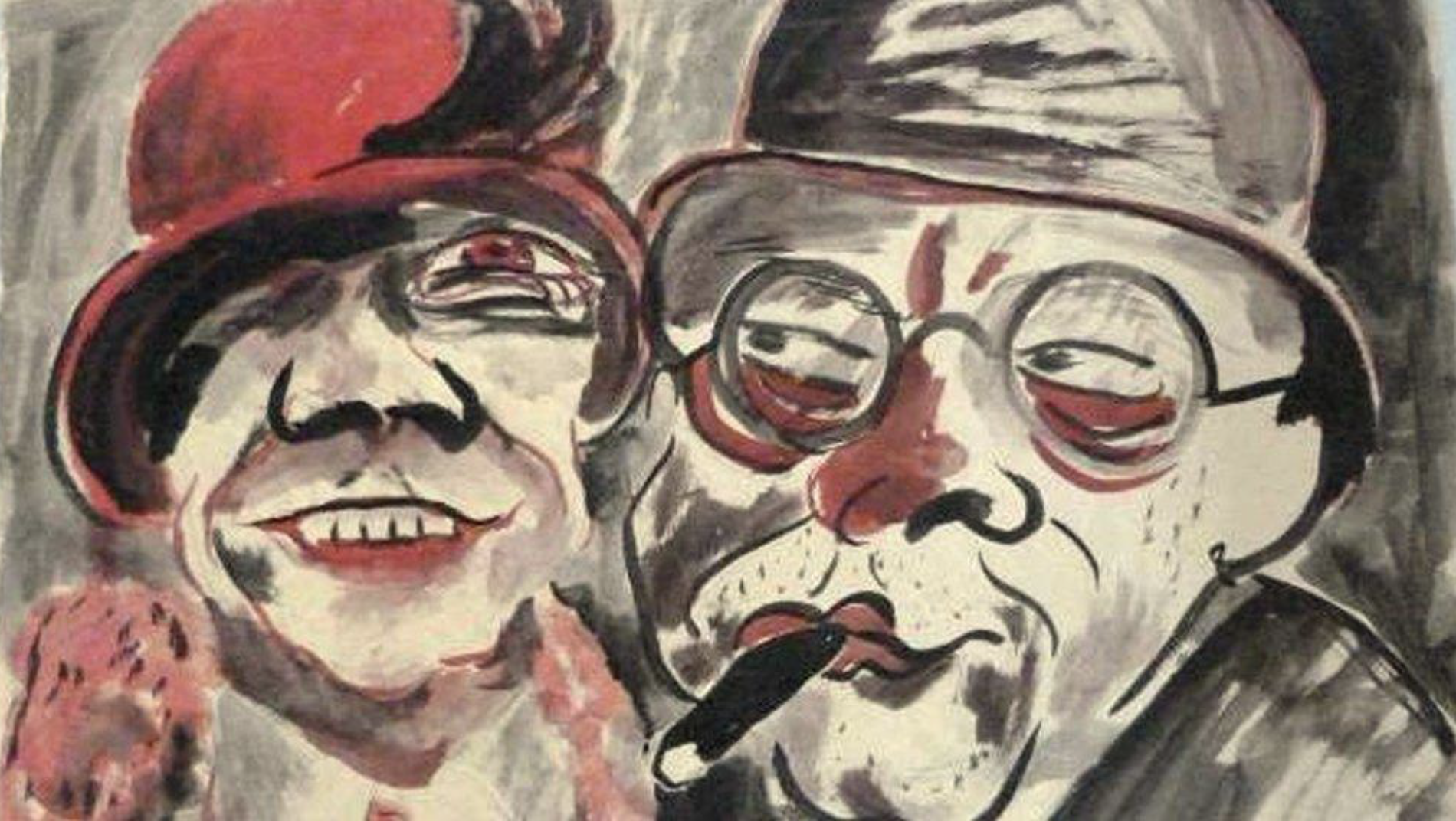
The Gurlitt Hoard
A routine tax inquiry uncovered some 1,500 artworks hidden in a Munich apartment — many looted or sold under duress during the Nazi era. The discovery reignited the global reckoning over restitution.

The Euphronios Krater Returned to Italy
In 1972 the Metropolitan Museum of Art paid a record $1 million for a dazzling sixth-century BC Greek vase painted by Euphronios. Decades later it was proven to have been looted from an Etruscan tomb near Cerveteri — and in 2008 the Met returned it to Italy.
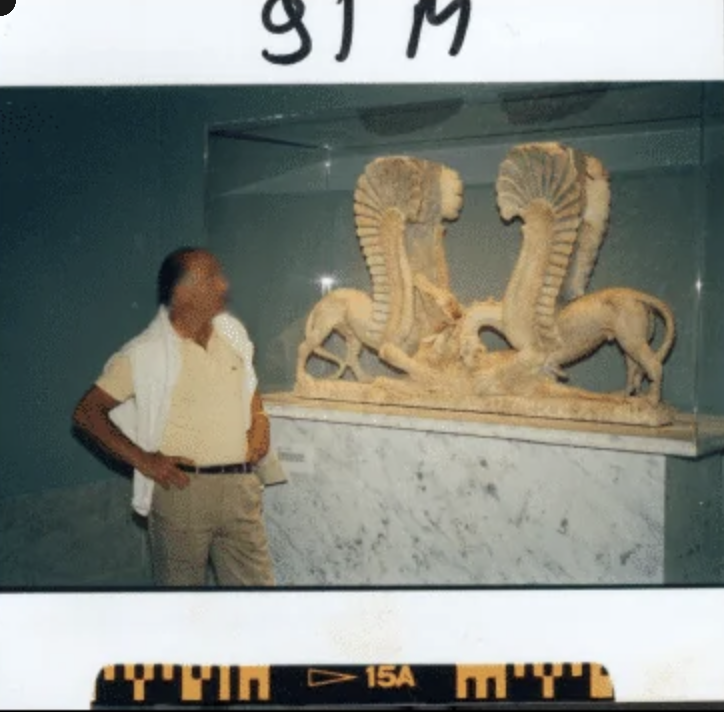
The Medici Archive Investigation
In 1995, investigators raided a warehouse in the Geneva Freeport and uncovered the archive of dealer Giacomo Medici — thousands of Polaroids of freshly looted objects that became a Rosetta Stone for the antiquities trade and drove restitutions from museums around the world.

The Getty Museum Repatriation Cases
The J. Paul Getty Museum, the wealthiest art institution in the world, was forced to return around 40 looted antiquities to Italy and Greece after investigators traced them to illicit excavations — and to put its own curator on trial.

France Returns Looted Syrian Antiquities
As Syria's civil war fuelled a flood of looted antiquities onto the market, France intercepted and returned a group of trafficked objects — part of a wider fight against the 'blood antiquities' financing conflict.
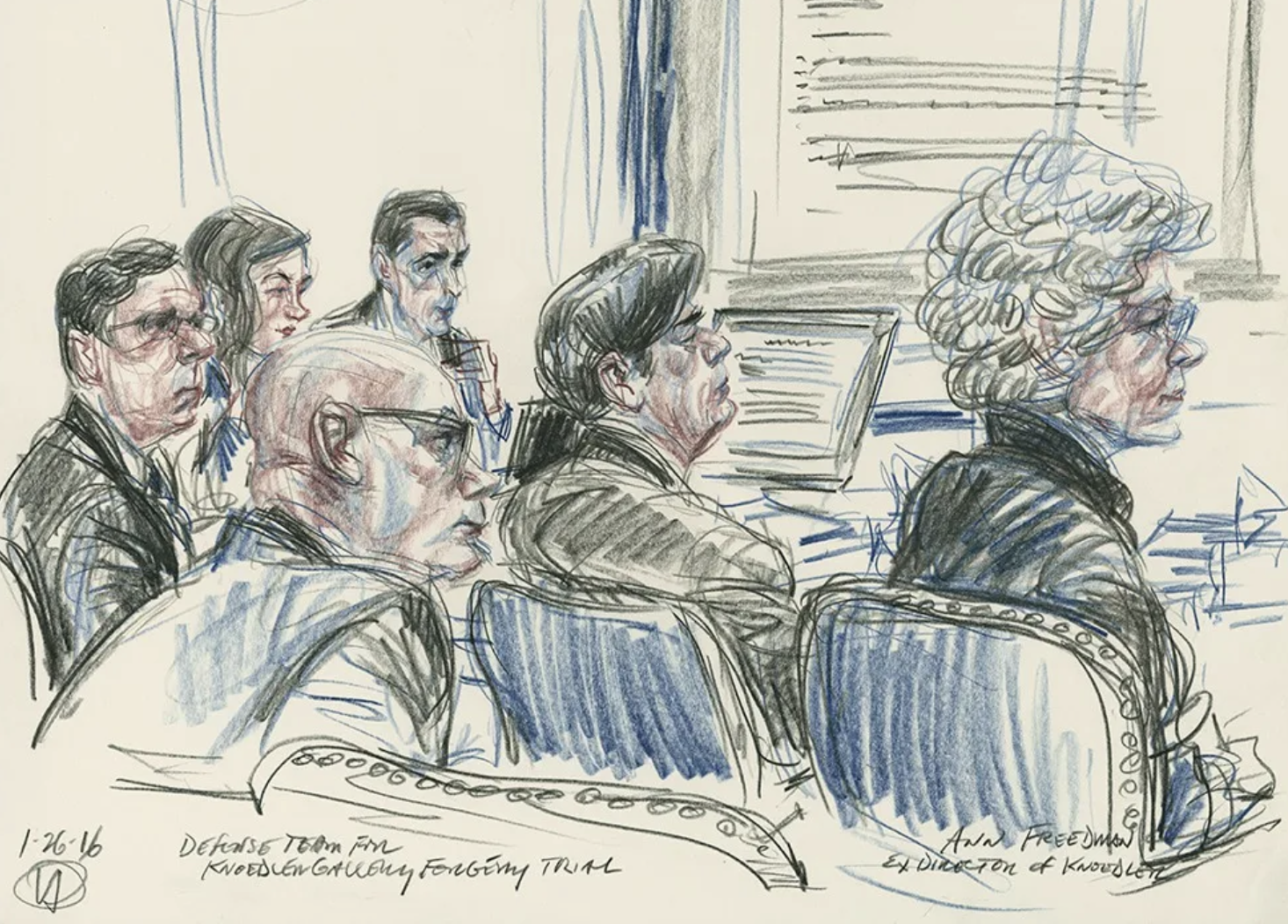
The Knoedler Gallery Forgery Scandal
For over 15 years, the venerable Knoedler gallery sold some 40 forged Abstract Expressionist paintings — fake Rothkos, Pollocks, and de Koonings painted in a Queens garage — for around $80 million, before the fraud collapsed the 165-year-old institution.
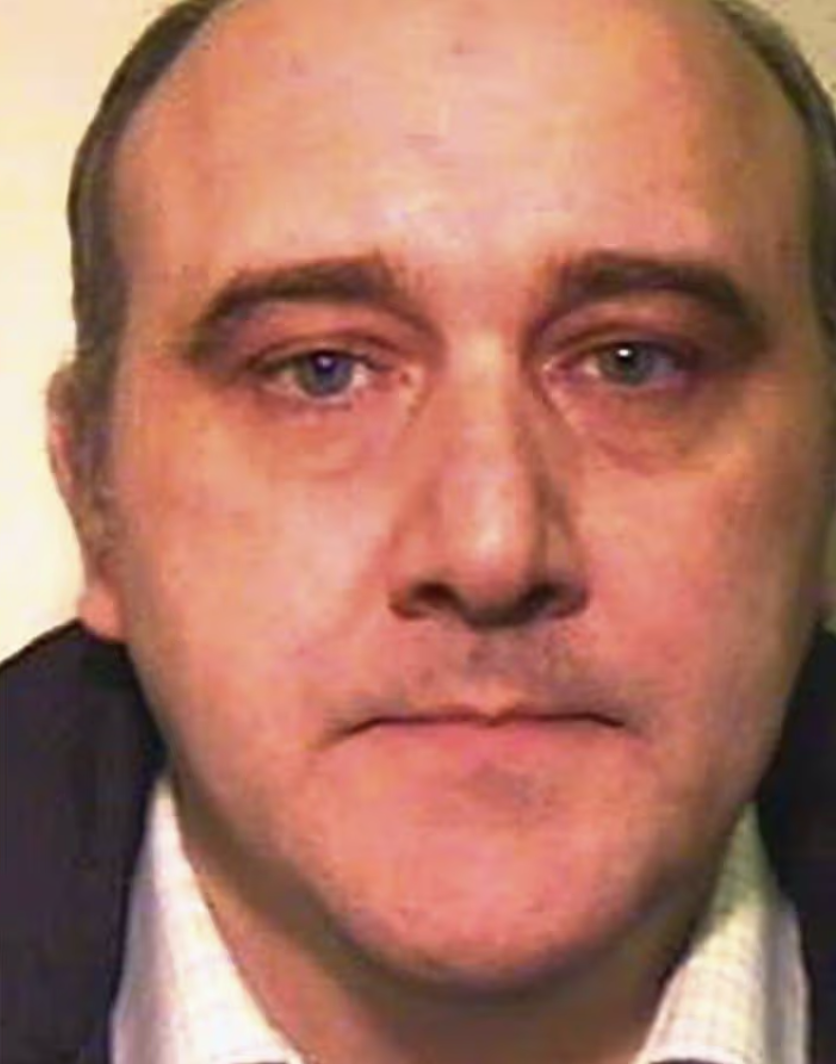
The Greenhalgh 'Garden Shed' Forgeries
From a garden shed behind a Bolton council house, Shaun Greenhalgh and his elderly parents forged artworks spanning 5,000 years — most famously the 'Amarna Princess', which Bolton Museum bought for £440,000 as a 3,300-year-old Egyptian masterpiece.

Wolfgang Beltracchi
Beltracchi produced hundreds of paintings 'in the style of' early-modern masters such as Max Ernst and Heinrich Campendonk, inventing a fictitious collection and forging provenance to authenticate them. His downfall came from an anachronistic tube of titanium white. His case forced the art market to confront the fragility of connoisseurship and provenance.

John Myatt
A British painter whose 'genuine fakes' fueled what Scotland Yard called the biggest art fraud of the twentieth century, in partnership with con man John Drewe, who corrupted archives to fabricate provenance. Myatt now sells legitimate 'genuine fakes' openly.
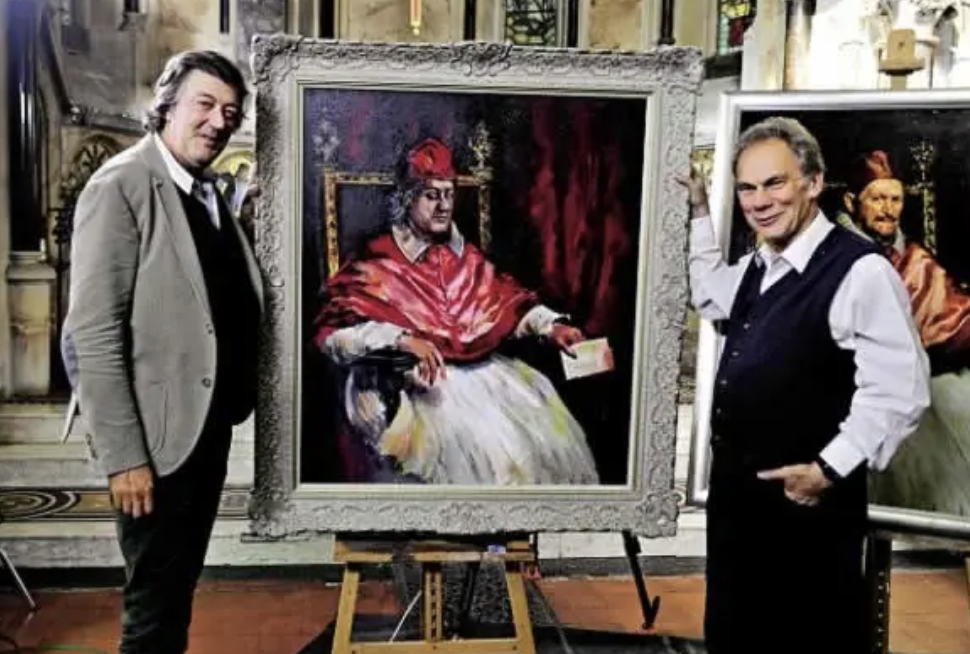
John Drewe
British con man behind one of the most damaging art frauds in history. Rather than forge paintings himself, he forged their provenance — infiltrating archives at the Tate and Victoria and Albert Museum to insert fake documents that authenticated works painted by John Myatt. He was convicted in 1999; many of the falsified records remain undetected.
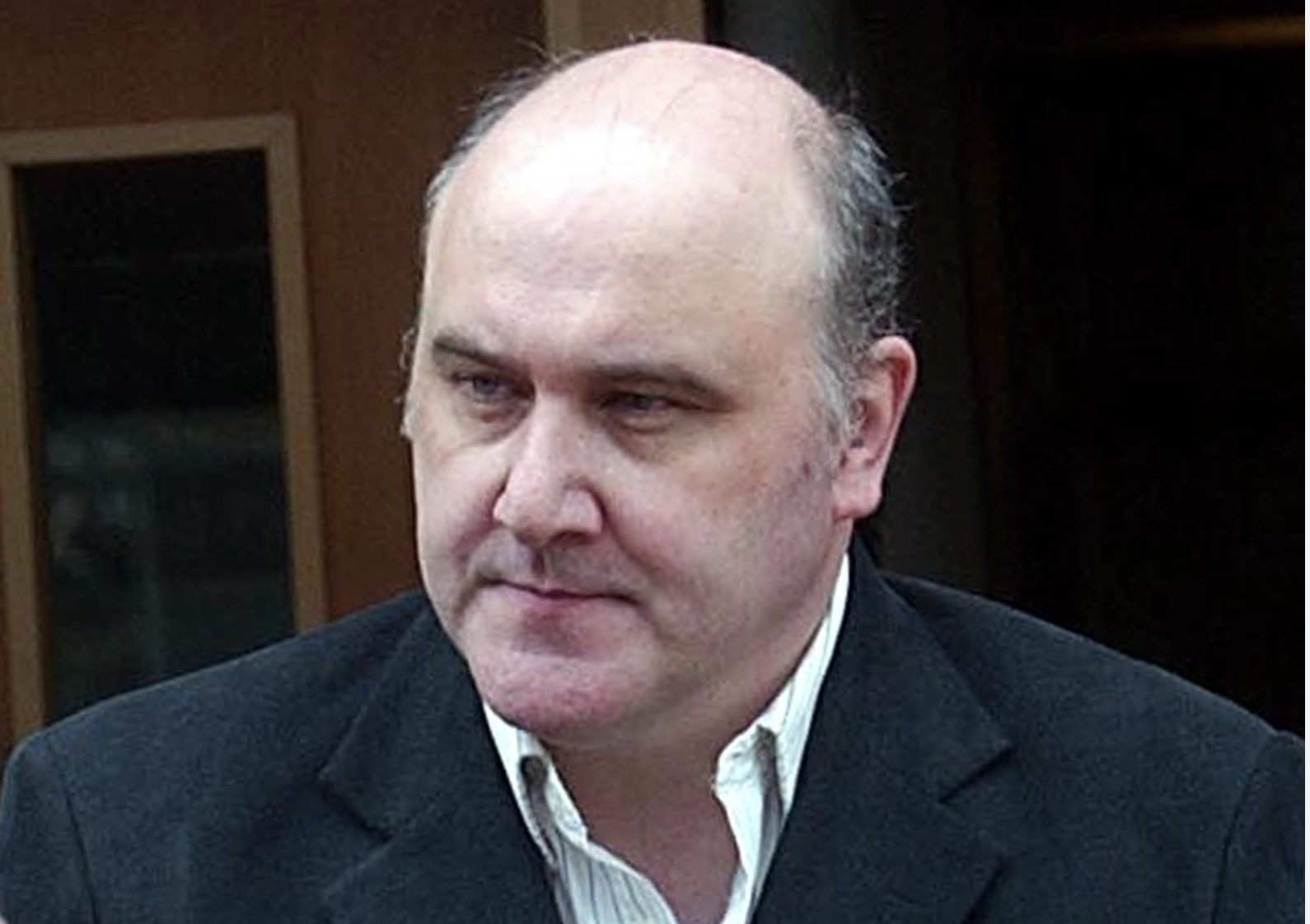
Shaun Greenhalgh
British forger at the centre of the 'Garden Shed' or Greenhalgh family fraud, who from a council house in Bolton produced fakes spanning 5,000 years — most famously the 'Amarna Princess' bought by Bolton Museum. Working with his elderly parents George and Olive, who handled sales and provenance, he was jailed in 2007.

José Carlos Bergantiños Díaz
Spanish dealer who, with his partner Glafira Rosales and brother Jesús Ángel, orchestrated the Knoedler forgery scheme — sourcing Pei-Shen Qian's fakes and inventing a mysterious anonymous collector, 'Mr. X', as their provenance.
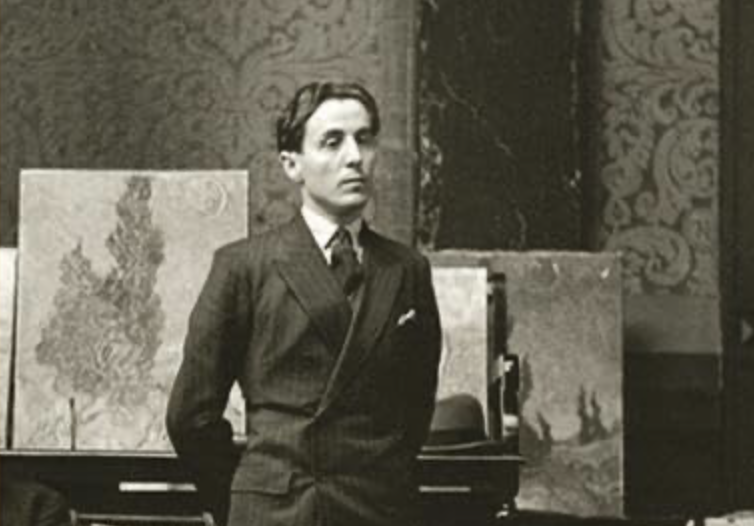
Otto Wacker
German dealer at the centre of a landmark 1932 trial after he sold some 30 fake Van Goghs, complete with invented provenance. The case forced early scientific and connoisseurial scrutiny of Van Gogh's oeuvre and remains a touchstone in the history of authentication.
John Re
According to the FBI, Re claimed he had uncovered a hidden cache of Pollock paintings while cleaning out the East Hampton home of a deceased woodworker and antique restorer. The discovery, he suggested, had somehow remained unknown to scholars, museums, and Pollock experts for decades. If true, it would have been one of the greatest finds in modern art history. Instead, prosecutors say it became one of the largest online art fraud schemes involving Jackson Pollock. Between 2005 and 2013, Re allegedly sold more than 60 fake Pollocks through eBay and private negotiations, collecting nearly $1.9 million from hopeful buyers. To make the paintings appear more desirable, investigators say he even used shill bidders to drive up auction prices. The scheme began to unravel when collectors did what every buyer of a "lost masterpiece" eventually should—ask an expert. One painting contained materials that didn't even exist during Pollock's lifetime. The International Foundation for Art Research (IFAR) later examined 45 of the paintings and concluded they were all counterfeit. Their report noted that the works were actually too similar to one another. Ironically, the consistency that made them look convincing was exactly what gave them away. Pollock's authentic drip paintings are famously unpredictable; the fakes looked like they had all come from the same hand (and specifically not Pollack's). Another collector received an even simpler authenticity test. While examining one painting, a dealer tried to wipe away a small smudge of dirt with a damp finger. The paint came off. Despite mounting evidence, prosecutors say Re continued insisting the works were genuine, describing one in an email as "a very strong Pollock" complete with age cracks and decades of basement storage. In another message, he proclaimed he had discovered "the greatest contemporary art find in history." The FBI disagreed. Federal investigators ultimately charged Re with wire fraud, alleging the basement treasure was little more than a carefully crafted fiction supported by fake provenance, persuasive salesmanship, and the enduring hope that the next unbelievable discovery might just be real. In the art world, extraordinary discoveries do happen. The trick is remembering that extraordinary stories usually require extraordinary proof. Perhaps the strangest footnote is what Re bought with some of the money. According to the Department of Justice, one fraudulent Pollock sale helped finance the purchase of a submarine called the U.S.S. Deep Quest. As part of the criminal proceedings, federal authorities obtained a restraining order preventing him from selling the submarine while forfeiture issues were resolved. It's not often an art fraud case ends with the government seizing a submarine.
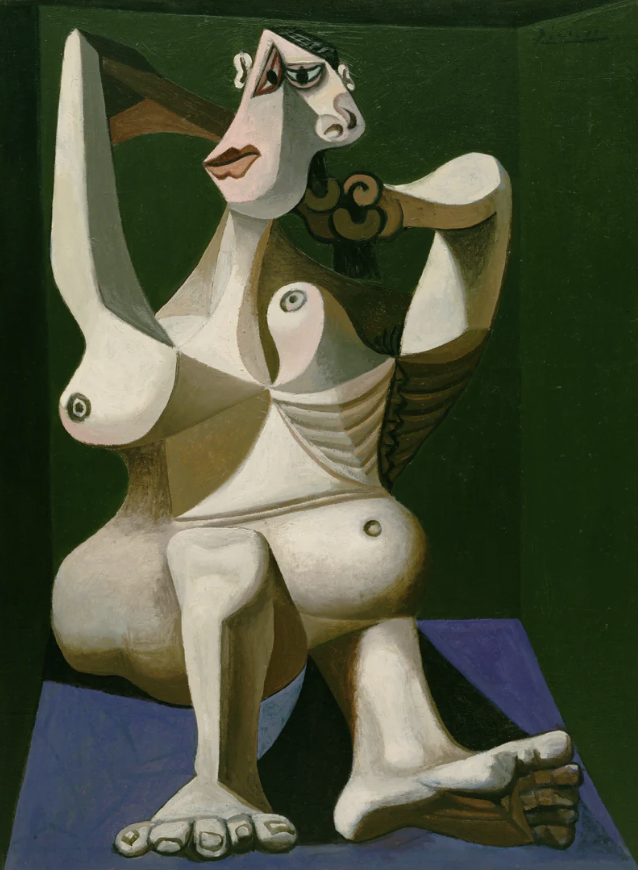
Woman Dressing Her Hair
A wartime Picasso whose ownership and provenance have been the subject of competing claims and legal disputes.

The Metropolitan Museum of Art
Encyclopedic and immense, the Met has in recent decades faced sustained scrutiny over the provenance of antiquities in its collection, returning looted objects to Italy, Greece, Cambodia, and beyond.
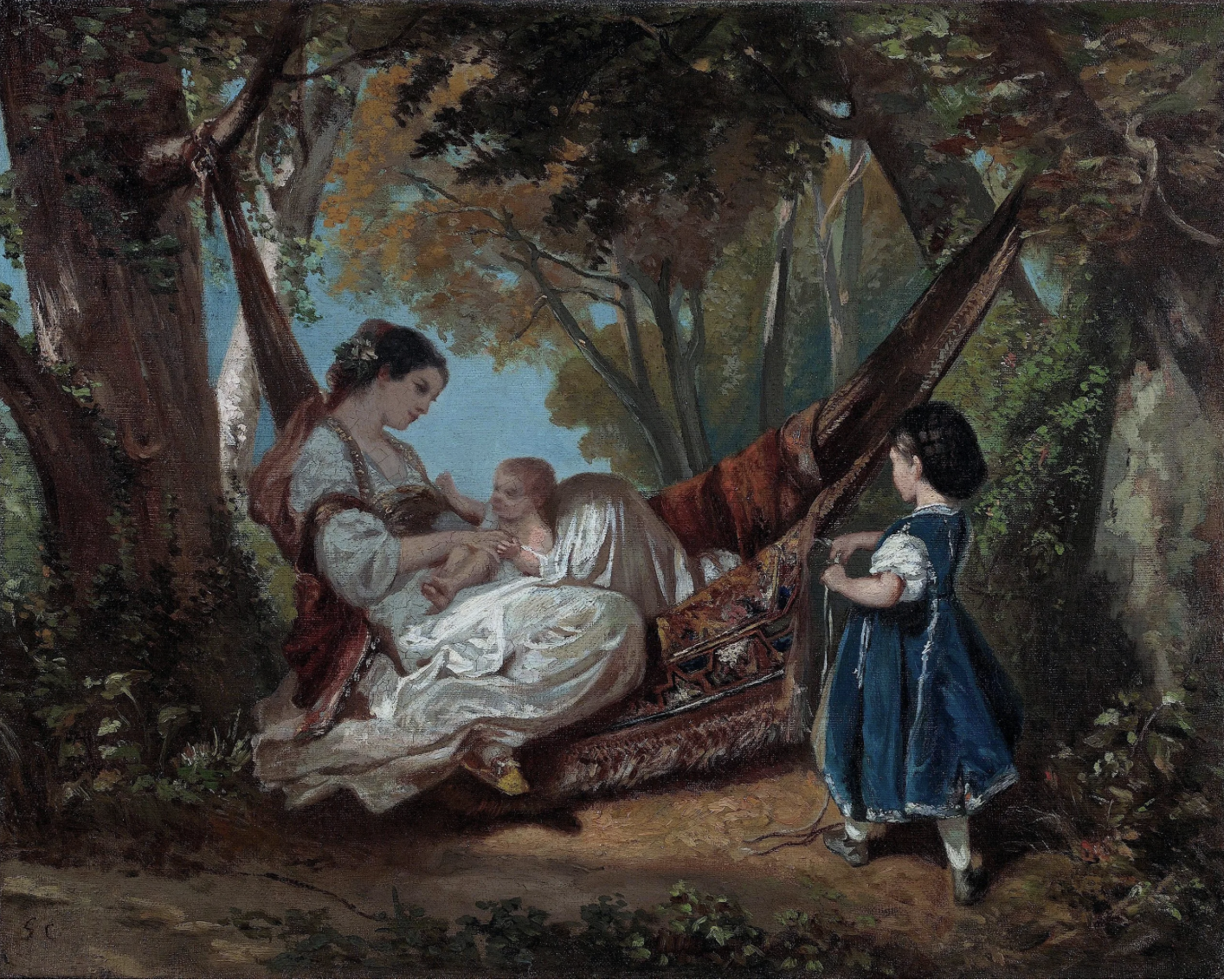
Double Crossed Corbet
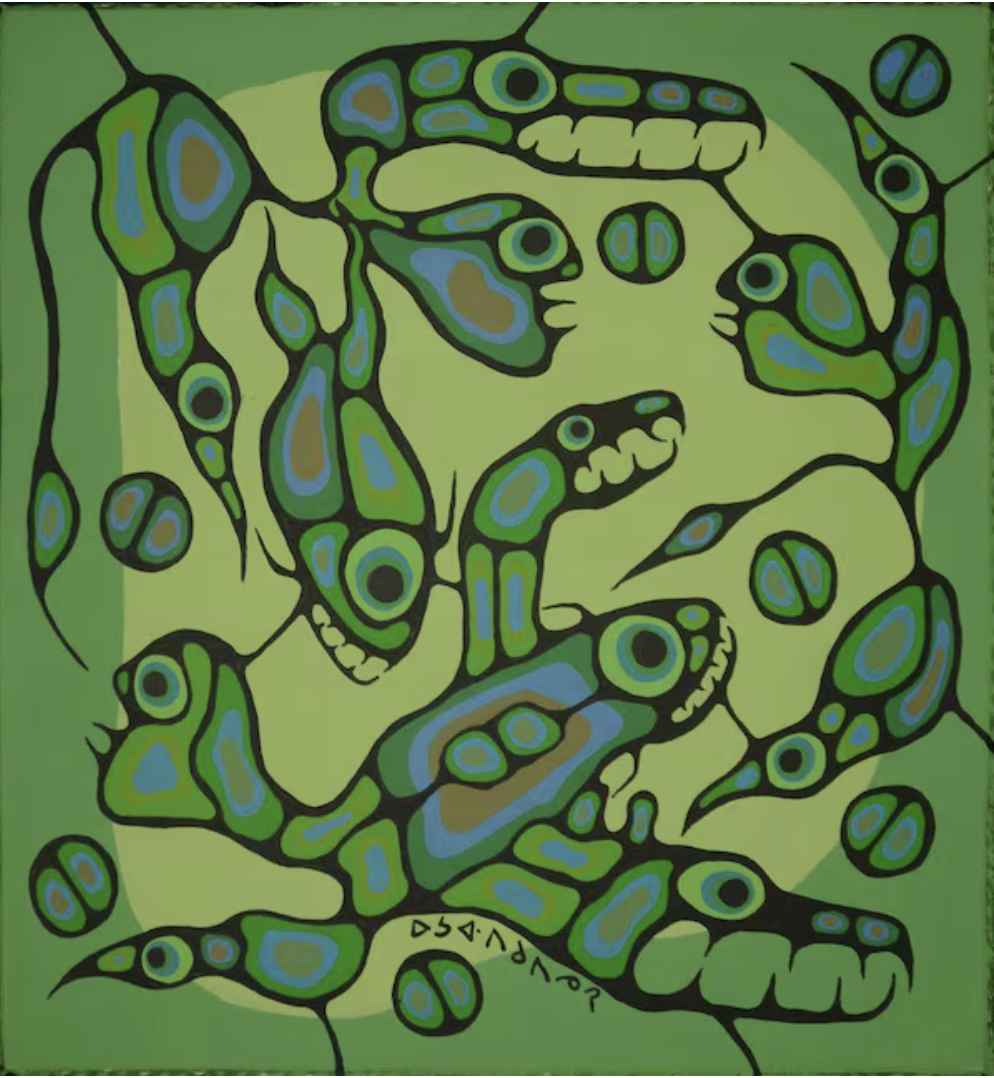
The Fakes Fight Back!
More than 50 counterfeit Norval Morrisseau paintings have been permanently removed from the market—but experts say thousands are still out there.