Results for “antiquities”

The Egyptian Museum Looting, Cairo
During the 2011 revolution, intruders entered Cairo's Egyptian Museum, damaging and stealing artefacts — including objects associated with Tutankhamun. Some were later recovered.

The Euphronios Krater Returned to Italy
In 1972 the Metropolitan Museum of Art paid a record $1 million for a dazzling sixth-century BC Greek vase painted by Euphronios. Decades later it was proven to have been looted from an Etruscan tomb near Cerveteri — and in 2008 the Met returned it to Italy.
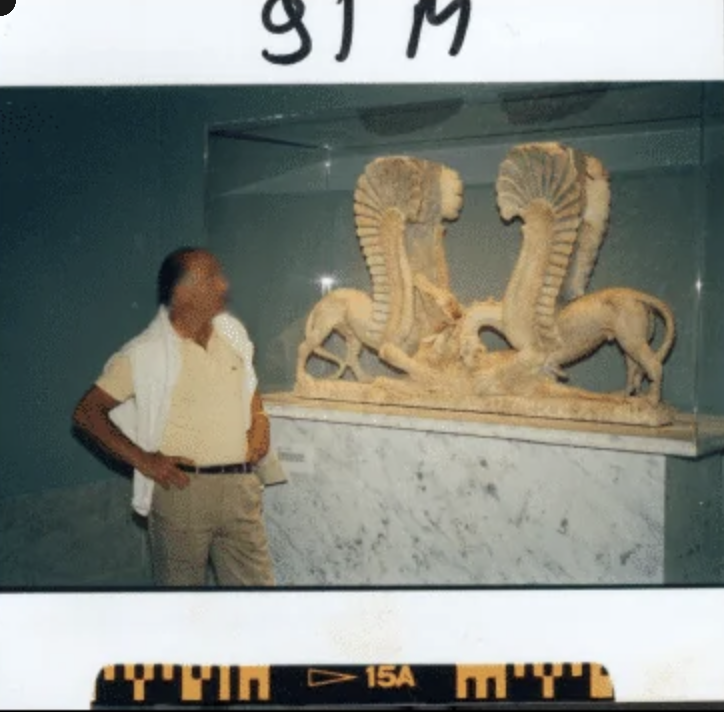
The Medici Archive Investigation
In 1995, investigators raided a warehouse in the Geneva Freeport and uncovered the archive of dealer Giacomo Medici — thousands of Polaroids of freshly looted objects that became a Rosetta Stone for the antiquities trade and drove restitutions from museums around the world.

The National Museum of Iraq Looting
In the chaos following the 2003 invasion, the National Museum of Iraq was looted of thousands of objects spanning the dawn of civilisation. Recovery efforts continue two decades on.

The Mosul Museum Destruction
In 2015 ISIS filmed itself destroying Assyrian and Hatrene sculptures in the Mosul Museum, while smaller, portable antiquities were trafficked to fund the group. Much was lost forever.

The Getty Museum Repatriation Cases
The J. Paul Getty Museum, the wealthiest art institution in the world, was forced to return around 40 looted antiquities to Italy and Greece after investigators traced them to illicit excavations — and to put its own curator on trial.

France Returns Looted Syrian Antiquities
As Syria's civil war fuelled a flood of looted antiquities onto the market, France intercepted and returned a group of trafficked objects — part of a wider fight against the 'blood antiquities' financing conflict.
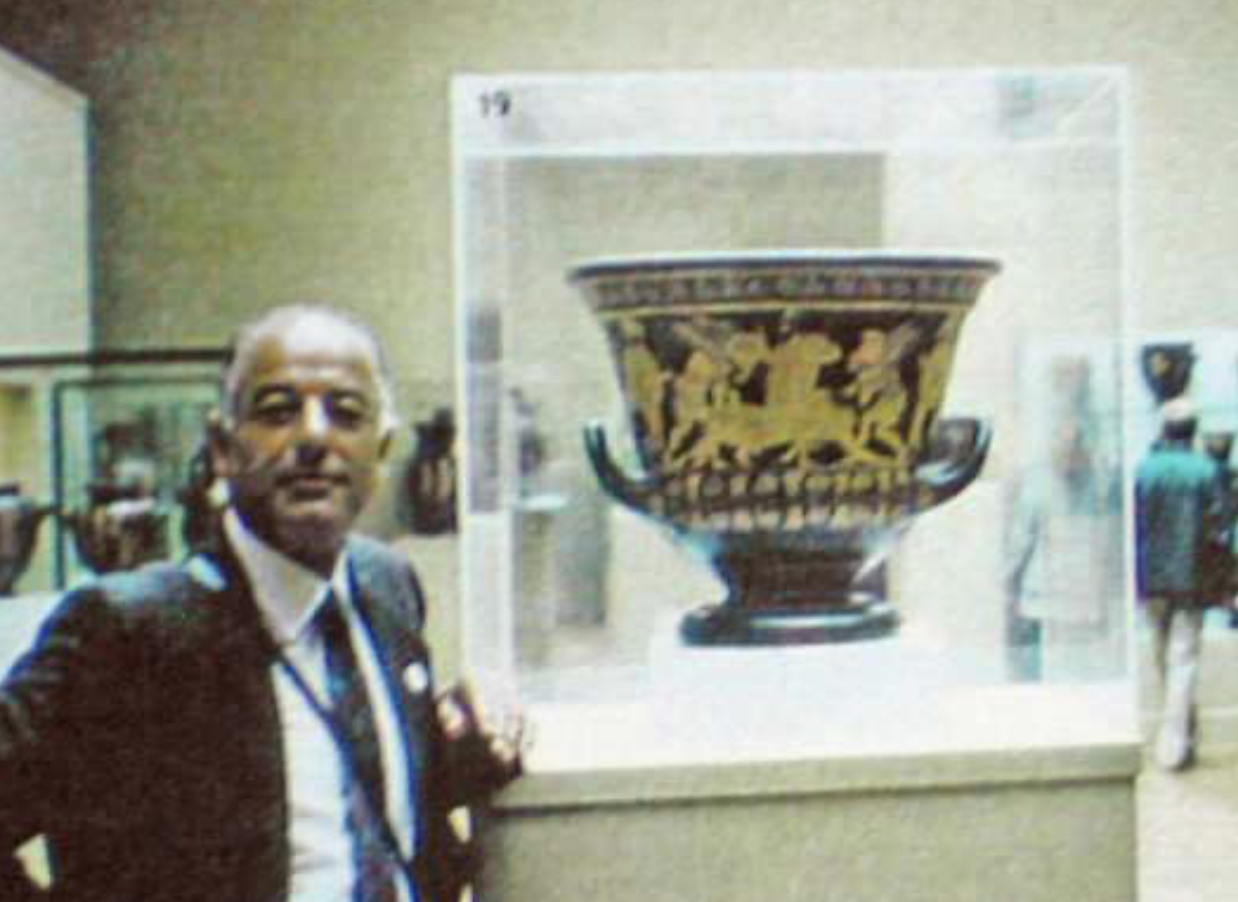
Giacomo Medici
Italian antiquities dealer at the centre of the largest looted-antiquities network ever exposed. A 1995 raid on his rooms in the Geneva Freeport uncovered thousands of Polaroids documenting freshly looted objects — the 'Medici archive' that let investigators trace treasures to museums including the Getty and the Metropolitan Museum of Art. Convicted in Rome in 2004 of dealing in looted antiquities, he became the emblem of the illicit trade the Carabinieri spent decades dismantling. (Illustrative image: a red-figure krater of the type he trafficked.)
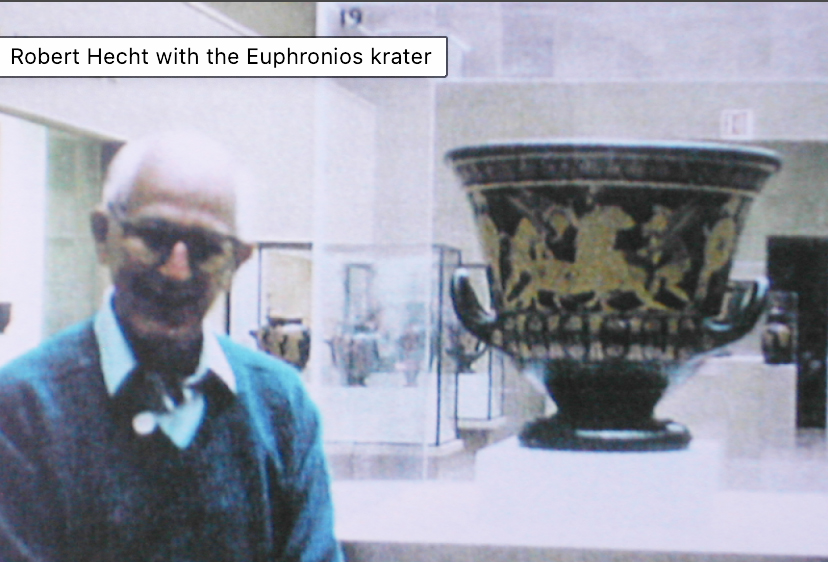
Robert Hecht
American antiquities dealer long suspected of being a linchpin of the illicit trade between Mediterranean tomb-robbers and the world's great museums. He sold the Euphronios krater to the Metropolitan Museum of Art in 1972 and was later tried in Italy alongside Giacomo Medici and Getty curator Marion True; the case against him lapsed on the statute of limitations before a verdict. He died in 2012. (image: Hecht and the Euphronios krater he sold to the Met.)
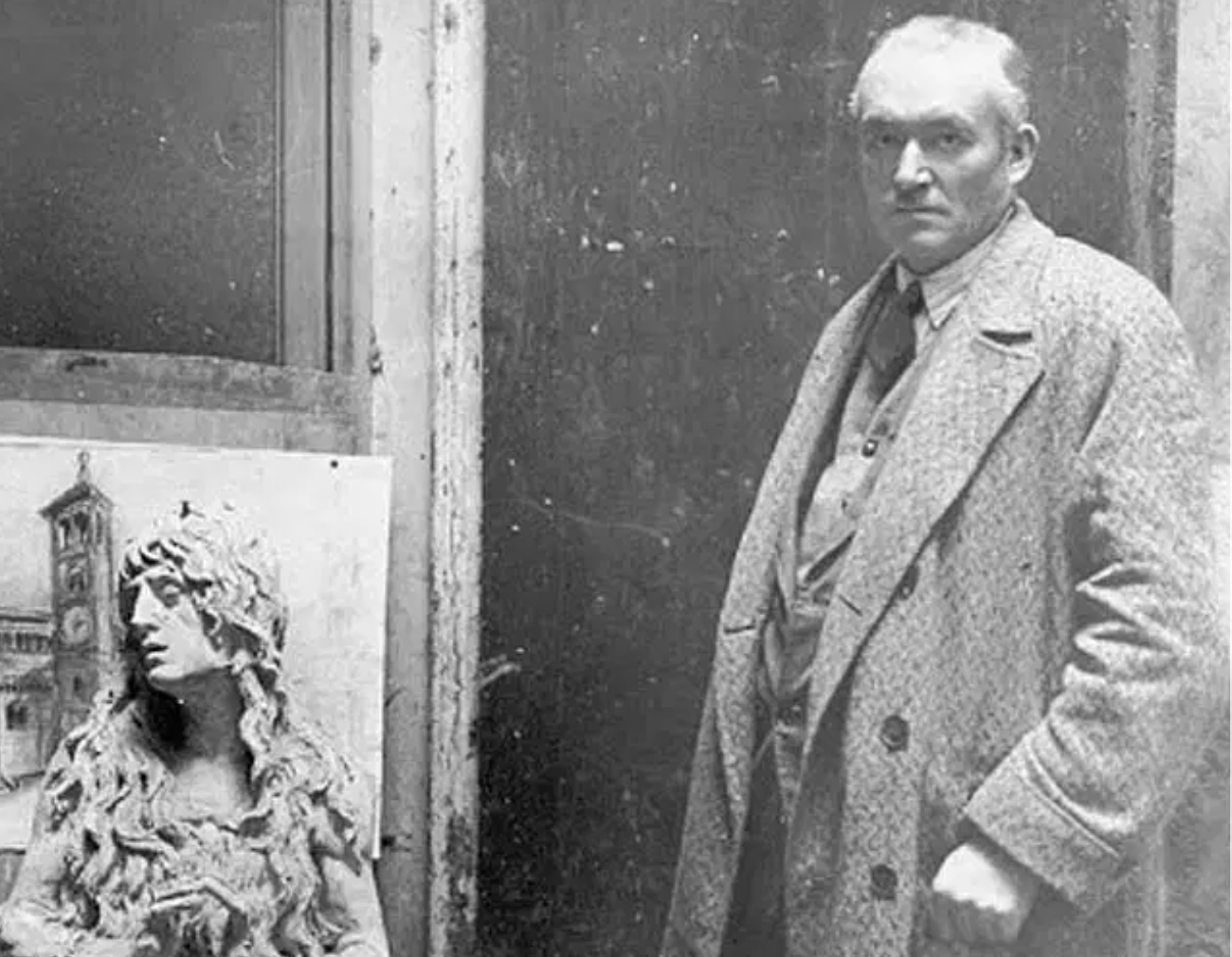
Alceo Dossena
Italian sculptor whose 'ancient' and Renaissance-style works fooled major museums including the Metropolitan Museum of Art and Boston's Museum of Fine Arts. He claimed he never intended fraud — blaming the dealers who aged and sold his sculptures as genuine antiquities.
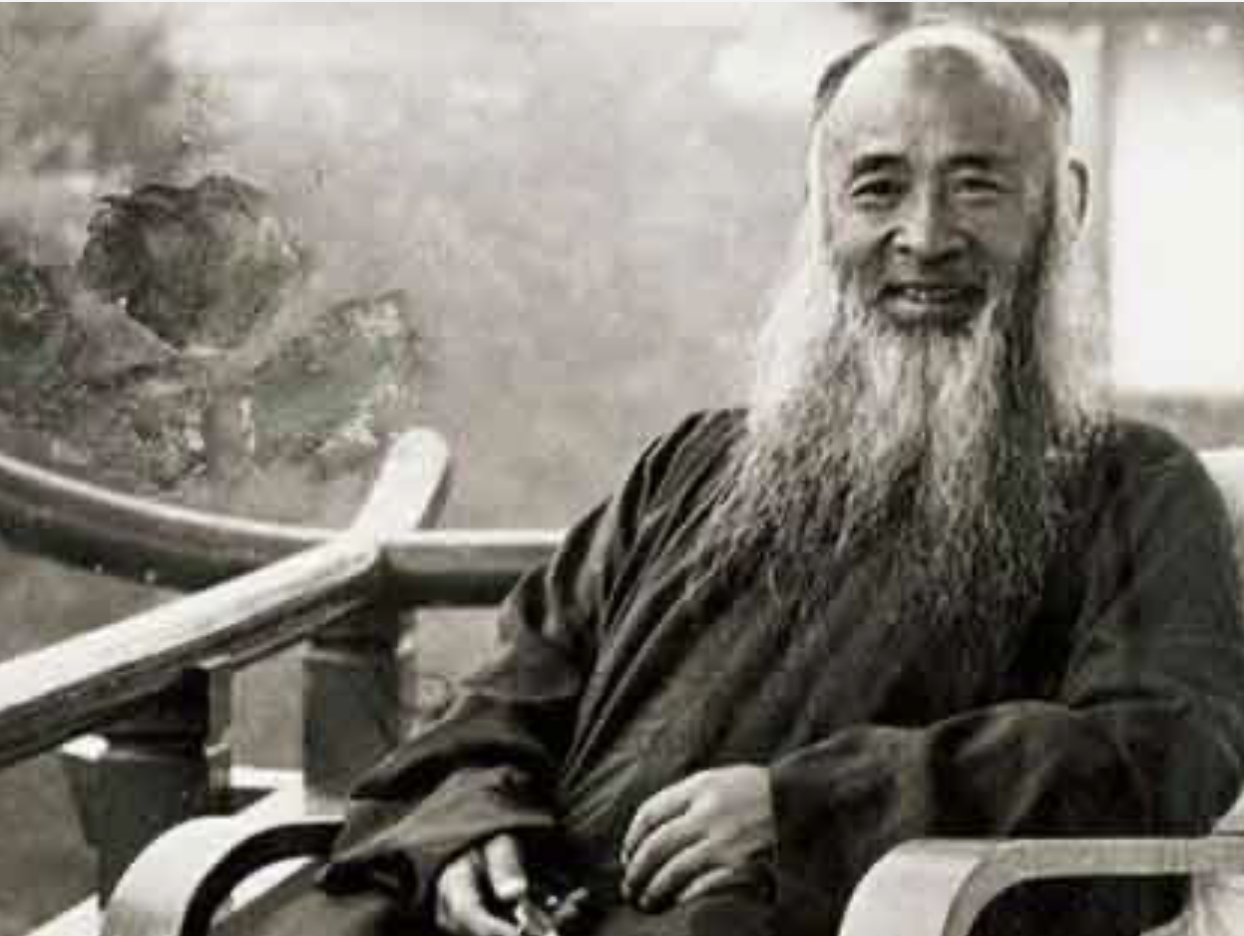
Zhang Daqian
One of the most celebrated Chinese painters of the 20th century, Zhang Daqian was also a masterful forger of classical Chinese painting whose imitations entered major museum collections as genuine antiquities. His dual legacy blurs the line between homage, connoisseurship, and deception.
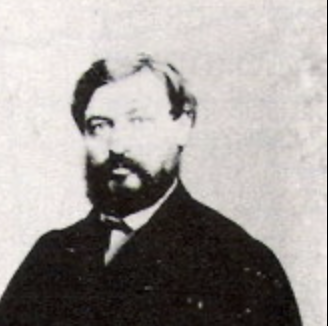
Moses Wilhelm Shapira
Jerusalem antiquities dealer who in 1883 offered the British Museum ancient leather scrolls of Deuteronomy. Denounced as forgeries, the scandal drove him to suicide — yet modern scholars have reopened the debate over whether the 'Shapira Strips' may have been genuine after all.

The Metropolitan Museum of Art
Encyclopedic and immense, the Met has in recent decades faced sustained scrutiny over the provenance of antiquities in its collection, returning looted objects to Italy, Greece, Cambodia, and beyond.

Mosul Museum
Iraq's second-largest museum, whose Assyrian antiquities were smashed on camera by ISIS in 2015.

Two Thousand Years, One Bad Afternoon
A man climbed the barriers and jumped nearly six metres into an excavation pit at Xi'an, pushing and pulling the ancient clay soldiers and damaging at least two before guards subdued him.