Results for “destroyed”

The Caravaggio Nativity, Palermo
In 1969 Caravaggio's 'Nativity with St. Francis and St. Lawrence' was crudely cut from its frame in a Palermo oratory. Long linked to the Sicilian Mafia, it remains one of the world's most-wanted missing paintings.

The Kunsthal Rotterdam Heist
In a two-minute raid in 2012, thieves took seven works — by Picasso, Monet, Matisse, Gauguin and Freud — from the Kunsthal. The mother of one suspect later claimed she burned them.

The Musée d'Art Moderne de Paris Theft
In 2010 a lone burglar removed five paintings — Picasso, Matisse, Braque, Léger, Modigliani — from the Paris Museum of Modern Art. The thief was caught; the paintings never resurfaced.

Stéphane Breitwieser
Stéphane Breitwieser (born 1971) is widely regarded as the most prolific art thief in modern history. Between 1994 and 2001, the Frenchman stole more than 300 works of art from approximately 200 museums, galleries, churches, and castles across Europe, amassing an estimated collection worth between $1.4 and $2 billion. Unlike nearly every other notorious art thief, Breitwieser wasn't motivated by money. He never worked for organized crime, never accepted commissions from wealthy collectors, and almost never sold what he stole. Instead, he stole simply because he wanted to live surrounded by great art. Breitwieser and his girlfriend, Anne-Catherine Kleinklaus, targeted small museums with minimal security. While she acted as a lookout, he quietly removed paintings, sculptures, clocks, ivory carvings, and other treasures before calmly walking out the front door. His methods were remarkably simple: no weapons, no violence, no smashed display cases — just confidence, patience, and an eye for vulnerable institutions. After each theft, Breitwieser brought the works to his mother's attic in Mulhouse, France, where he transformed the space into a secret private museum. He spent hours admiring the collection, arranging and rearranging masterpieces by artists including Brueghel, Cranach, Watteau, and Boucher. His obsession was with possession, not profit. His extraordinary run ended in 2001 after he stole a medieval hunting horn from the Richard Wagner Museum in Switzerland. A museum employee noticed the theft almost immediately, and police arrested him before he could escape. As investigators closed in on the hidden collection, Breitwieser's mother, fearing a police search, destroyed many of the stolen works — cutting paintings, smashing sculptures, and disposing of priceless objects in canals and garbage bins. The destruction of these irreplaceable artworks remains one of the greatest cultural losses associated with the case. Breitwieser's story is chronicled in Michael Finkel's bestselling book 'The Art Thief', which explores the psychology of a man who saw himself less as a criminal than as a passionate collector. His crimes continue to spark debate among criminologists, museum professionals, and art historians: was he an obsessive aesthete, a compulsive thief, or simply a criminal who happened to have exquisite taste? For followers of Crimes of Art, Breitwieser represents a rare kind of art criminal. He didn't steal for wealth or notoriety — he stole for beauty. His story challenges conventional ideas about motive, ownership, and the lengths to which one person will go to possess the world's greatest works of art.

Diego Rivera
Mexican muralist whose 'Man at the Crossroads' at Rockefeller Center was destroyed in 1934 after he refused to remove a portrait of Lenin — one of history's most famous acts of art censorship by a patron.
Waterloo Bridge, London
A companion London bridge canvas taken in the 2012 Kunsthal heist and believed destroyed.
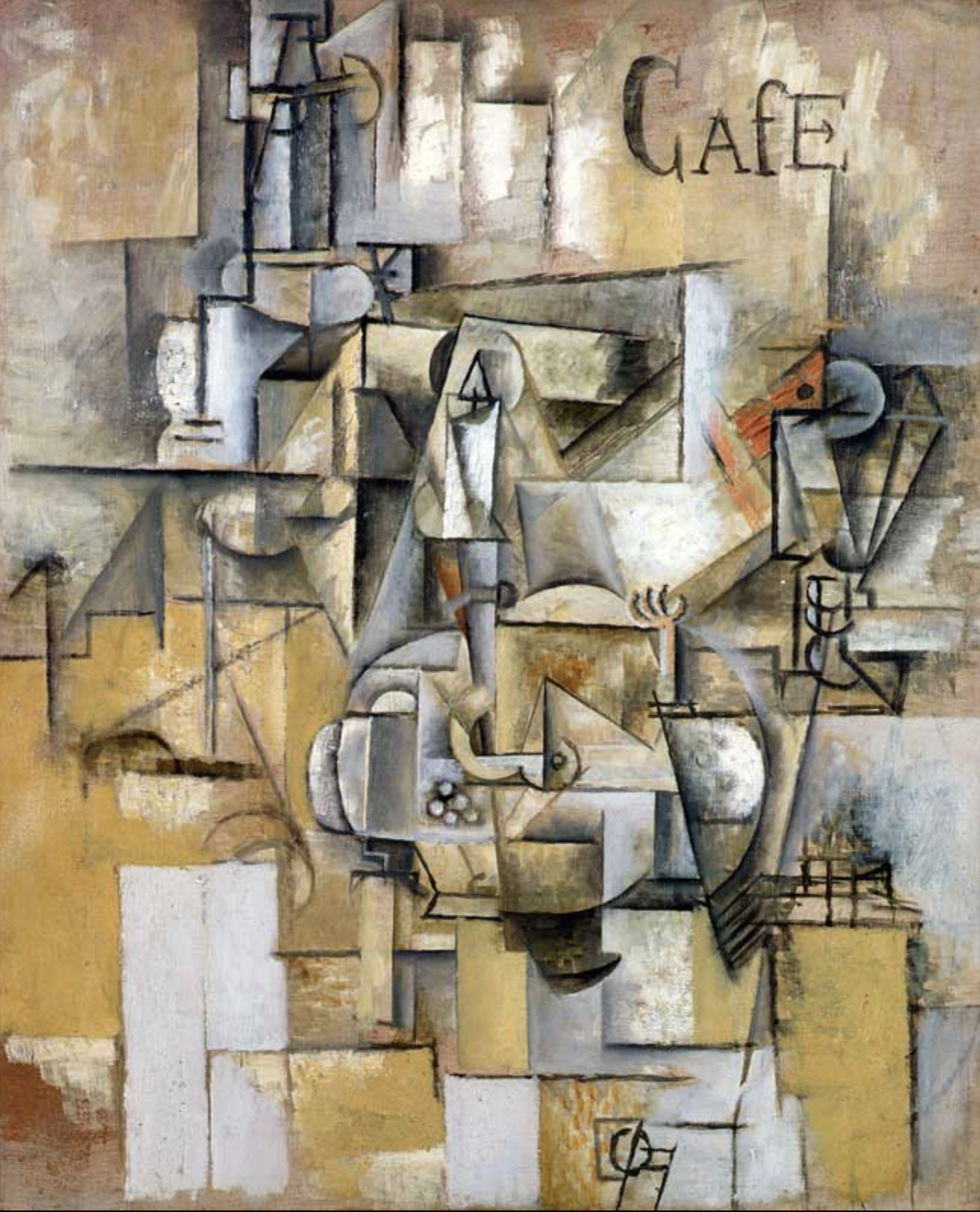
Le Pigeon aux Petits Pois
A Cubist Picasso among the five works taken in the 2010 Musée d'Art Moderne de Paris theft. The thief later claimed the paintings were destroyed.

The Painter on the Road to Tarascon
A self-portrait of Van Gogh walking to work, held in Magdeburg and believed destroyed by fire in Germany during the Second World War. Survives only in reproductions.

Thirty Works Destroyed Overnight
Vandals broke into photographer Kamille Lévêque Jégo's exhibition 'Cyprine Benzin' overnight, destroying more than thirty photographs and videos and covering the walls with crude graffiti.

The Warhol Mistaken for Rubbish
A rare Andy Warhol silkscreen of Queen Beatrix, part of the 'Reigning Queens' series, was most likely thrown out with construction debris during town-hall renovations and destroyed at a waste facility.