Results for “legal”

The Arrest of Egon Schiele
In 1912 Egon Schiele was arrested and jailed in Austria; authorities seized more than a hundred of his erotic drawings as obscene, and a judge reportedly burned one over a candle flame in the courtroom.
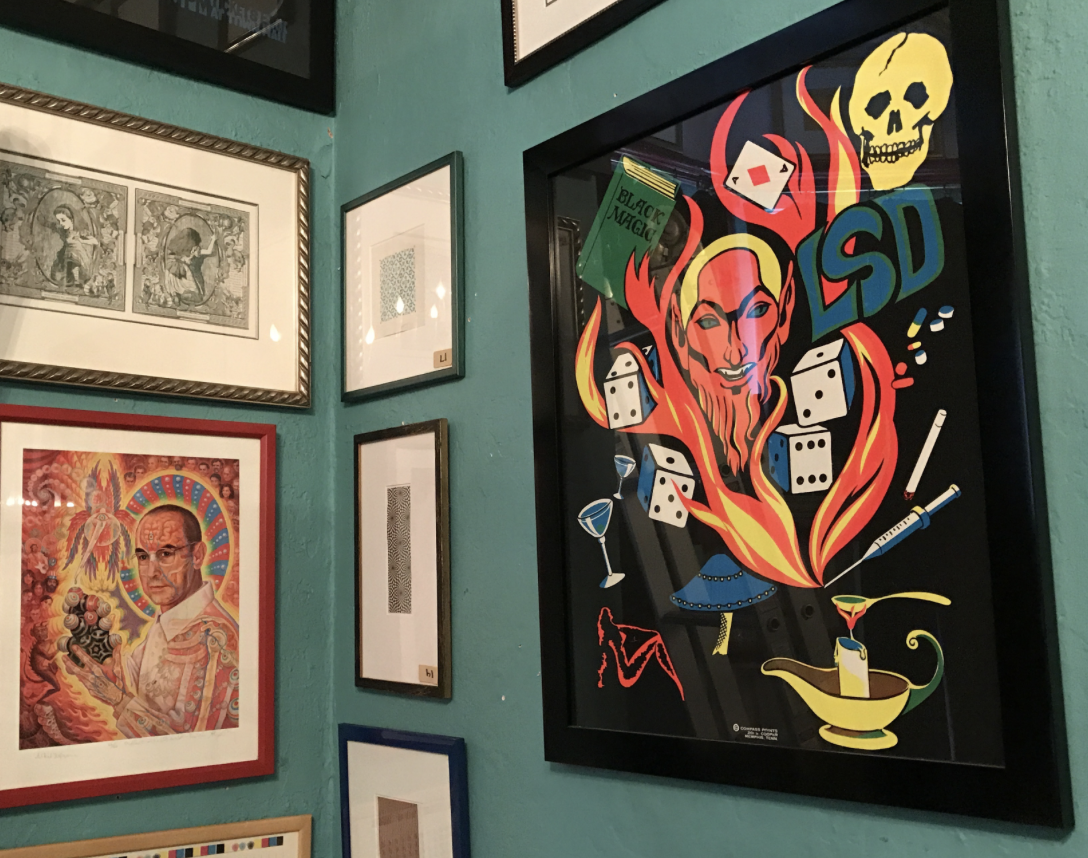
McCloud and the Institute of Illegal Images
Mark McCloud built the world's largest archive of LSD blotter art — and was twice prosecuted by the federal government, which argued the paper itself was a drug. Two juries disagreed.
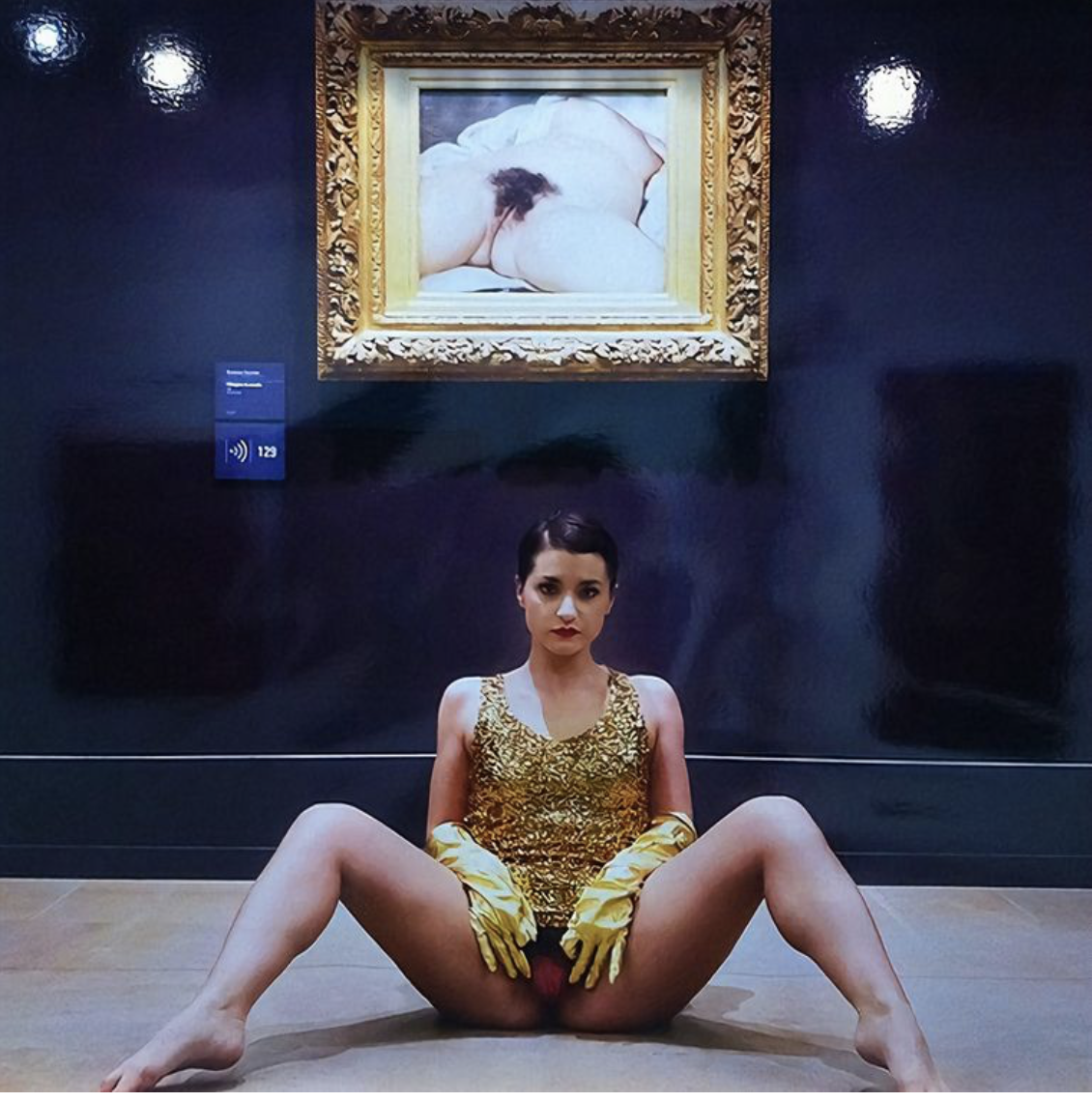
Deborah De Robertis's Museum Interventions
Deborah De Robertis stages unauthorised performances before canonical artworks — Courbet's 'Origin of the World', the Mona Lisa — exposing her body to reflect the museum's gaze back on itself, and drawing repeated police complaints.

The Euphronios Krater Returned to Italy
In 1972 the Metropolitan Museum of Art paid a record $1 million for a dazzling sixth-century BC Greek vase painted by Euphronios. Decades later it was proven to have been looted from an Etruscan tomb near Cerveteri — and in 2008 the Met returned it to Italy.

The Getty Museum Repatriation Cases
The J. Paul Getty Museum, the wealthiest art institution in the world, was forced to return around 40 looted antiquities to Italy and Greece after investigators traced them to illicit excavations — and to put its own curator on trial.
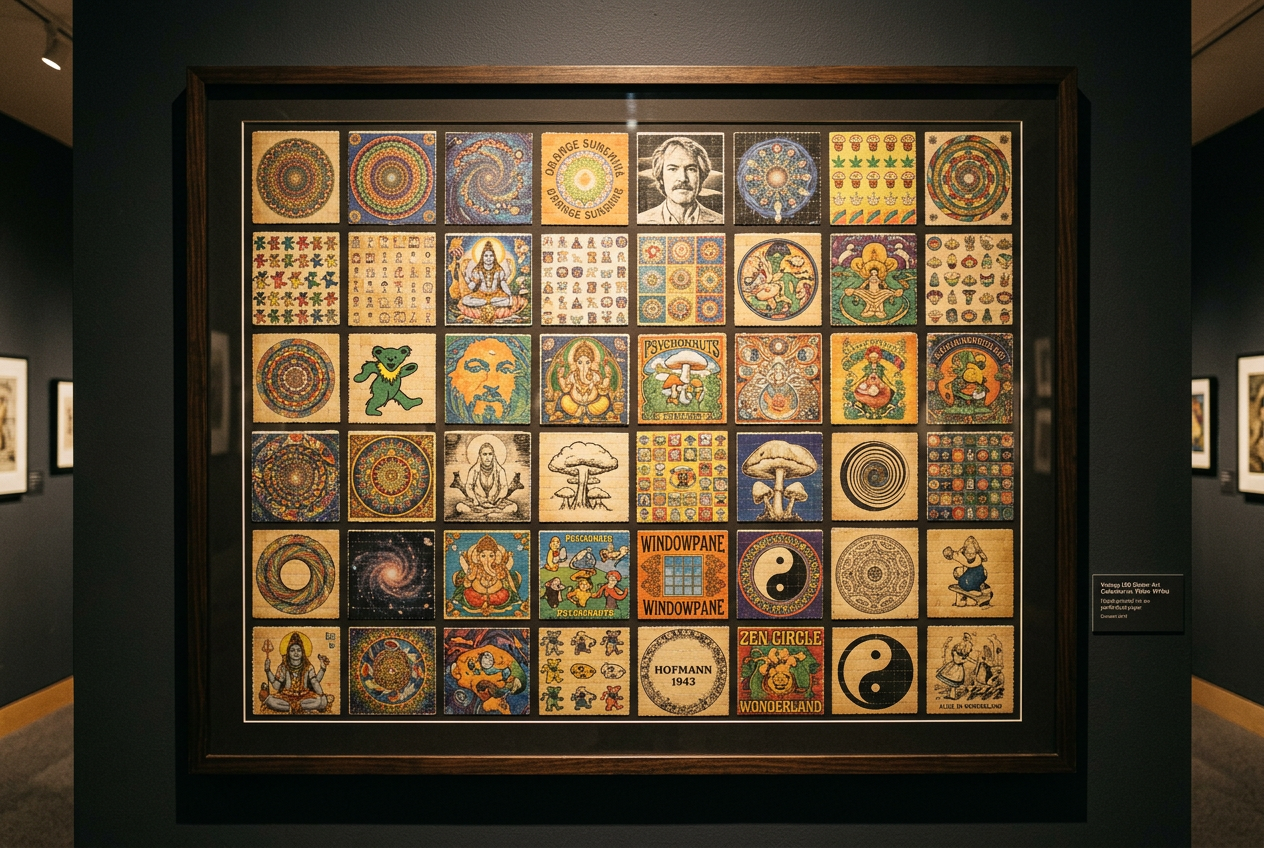
Mark McCloud
Artist, scholar, and keeper of the world's largest collection of LSD blotter art, McCloud runs the Institute of Illegal Images out of his San Francisco home. Federal prosecutors twice charged him with conspiracy to distribute LSD — in 1992 and again after a 2000 raid that seized hundreds of framed blotters and tens of thousands of sheets — arguing the paper was drug paraphernalia. Juries acquitted him both times, accepting that undipped blotter art is a legitimate American folk-art tradition.

Banksy
Anonymous British street artist whose practice sits permanently on the legal edge — trespass, criminal damage, and property disputes — even as his works are removed from walls and sold for millions, raising unresolved questions about who owns illegal art.

Richard Prince
Richard Prince (born 1949) is one of the most influential—and controversial—artists of the appropriation art movement. Since the late 1970s, he has built a career by rephotographing advertisements, magazine images, social media posts, and other existing works, challenging traditional ideas of originality, authorship, and copyright. His most significant legal battle came in Cariou v. Prince (2013), when photographer Patrick Cariou sued Prince for using dozens of his photographs without permission in the Canal Zone series. In a landmark decision, the U.S. Court of Appeals ruled that most of Prince's works were sufficiently "transformative" to qualify as fair use, fundamentally reshaping American copyright law for contemporary artists. While celebrated by many as a victory for artistic freedom, the case remains deeply divisive, with critics arguing it weakened protections for photographers and creators. Prince has continued to court controversy, most notably with his New Portraits series, in which he enlarged Instagram posts, added his own comments, and sold the resulting works for hundreds of thousands of dollars—once again igniting debates over appropriation, ownership, and where inspiration ends and infringement begins.
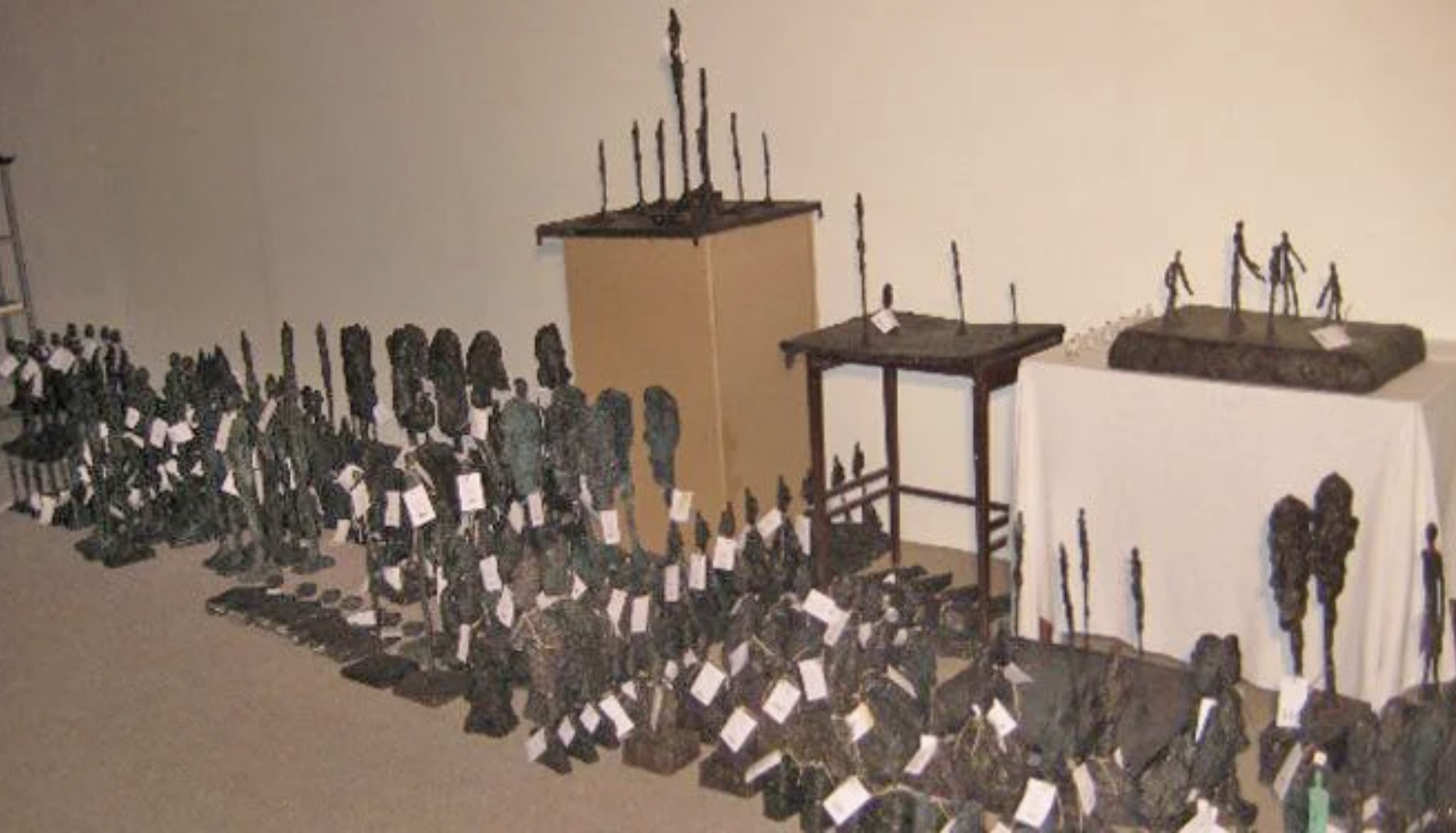
Robert Driessen
Dutch forger who produced roughly a thousand fake Giacometti sculptures as part of a major German-run fraud ring uncovered in 2009. He later openly sold acknowledged 'forgeries' as legal replicas, insisting his skill rivalled the masters he copied.
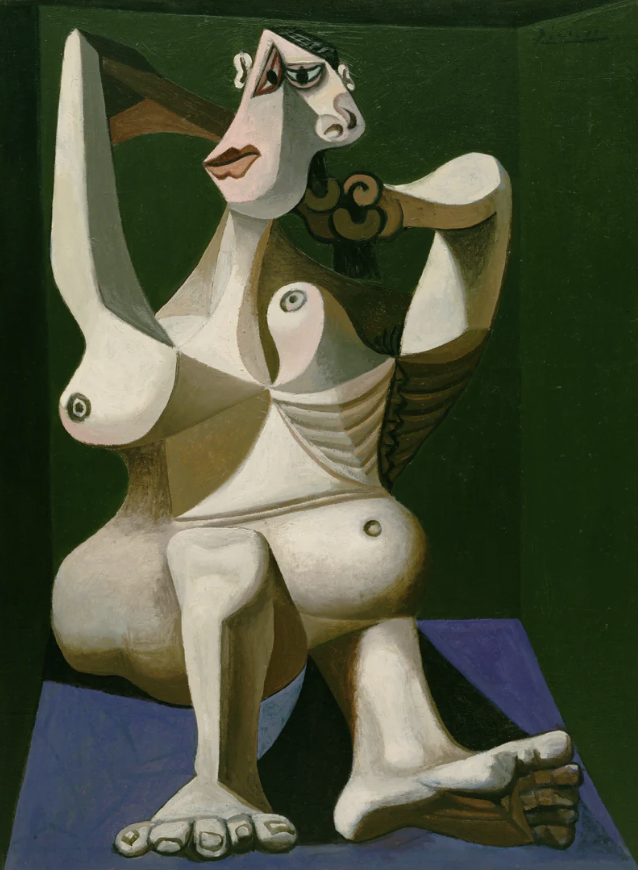
Woman Dressing Her Hair
A wartime Picasso whose ownership and provenance have been the subject of competing claims and legal disputes.
Institute of Illegal Images
Housed in Mark McCloud's Victorian home in San Francisco's Mission District, the Institute of Illegal Images holds the world's largest collection of LSD blotter art — over 33,000 sheets and hundreds of framed pieces. Named for the era when merely possessing the perforated paper could be treated as evidence of a crime, it reframes a psychedelic-era ephemeral form as serious American folk art, and survived two federal prosecutions of its founder. It is open to the public free of charge.
From Condos to Condos