Results for “recovered”

The Caravaggio Nativity, Palermo
In 1969 Caravaggio's 'Nativity with St. Francis and St. Lawrence' was crudely cut from its frame in a Palermo oratory. Long linked to the Sicilian Mafia, it remains one of the world's most-wanted missing paintings.

The Theft of the Cellini Salt Cellar
Benvenuto Cellini's golden Saliera — the only surviving gold sculpture by the Renaissance master — was stolen from Vienna in 2003 and recovered three years later, buried in a lead box in an Austrian forest.
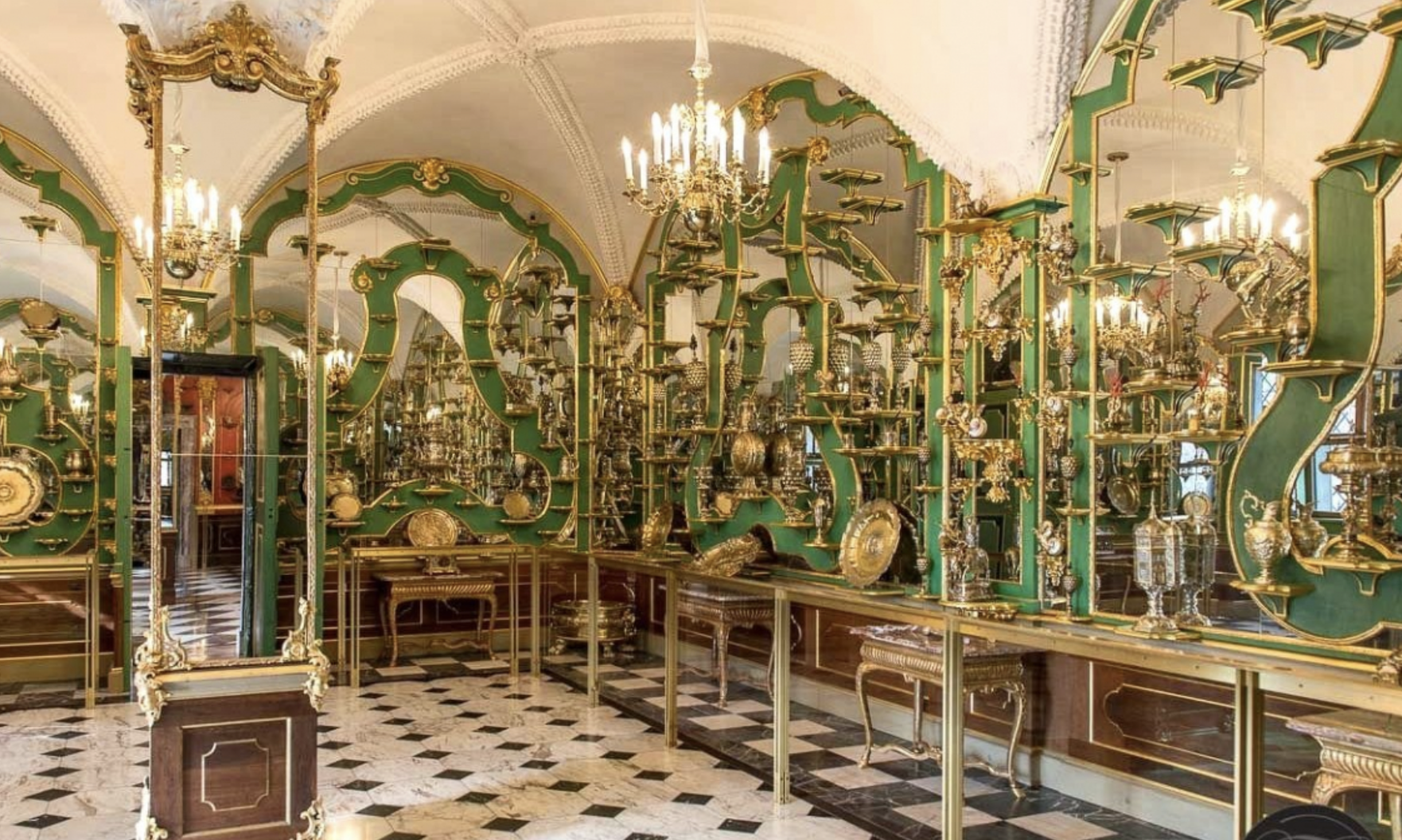
The Dresden Green Vault Heist
In 2019 thieves cut power to a street light, breached a window, and stole a trove of 18th-century diamond jewellery from Dresden's Green Vault. Much of it was recovered in 2022 under a court deal.
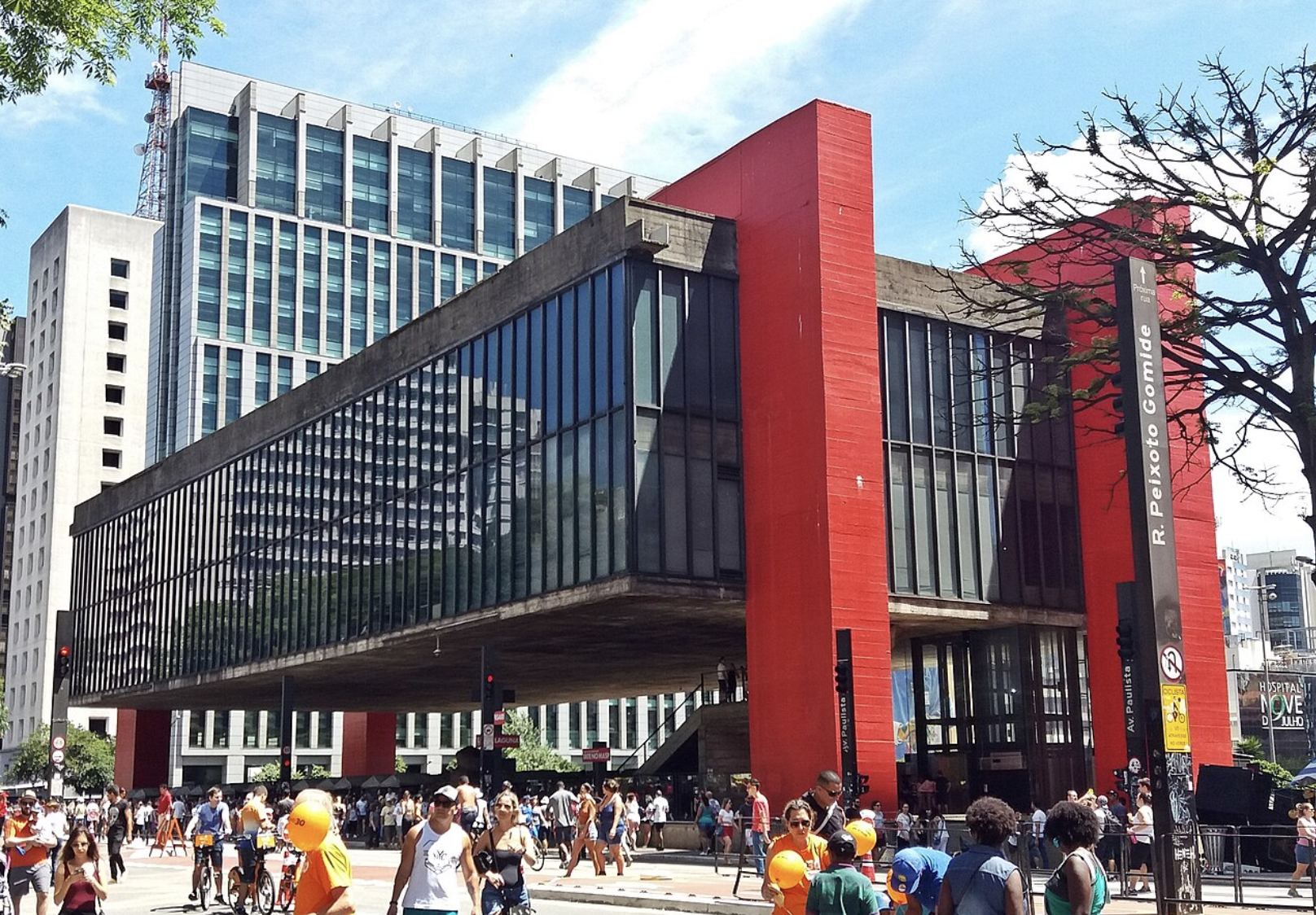
The São Paulo Museum of Art Theft
Thieves used a car jack and crowbar to break into MASP before dawn in 2007 and took Picasso's 'Portrait of Suzanne Bloch' and Portinari's 'O Lavrador de Café'. Both were recovered months later.

The Russborough House Robbery (1974)
In 1974 Rose Dugdale, an English heiress turned IRA militant, led a gang that stole nineteen paintings from the Beit collection to ransom for the release of republican prisoners. All were recovered within days.

The Bührle Collection Robbery
In one of Europe's largest art robberies, armed men walked into the Bührle museum in Zurich in 2008 and took four Impressionist and Post-Impressionist masterpieces. Most were recovered within years.

The Montreal Museum of Fine Arts Robbery
In 1972 thieves entered the Montreal Museum of Fine Arts through a skylight and took eighteen paintings, including a Rembrandt landscape. Almost all remain missing — Canada's largest art theft.

The Christ Church Picture Gallery Theft
In 2020 thieves broke into the Christ Church Picture Gallery in Oxford and took three Old Master paintings by Annibale Carracci, Salvator Rosa, and Anthony van Dyck. Two remain missing, one came back!

The Egyptian Museum Looting, Cairo
During the 2011 revolution, intruders entered Cairo's Egyptian Museum, damaging and stealing artefacts — including objects associated with Tutankhamun. Some were later recovered.
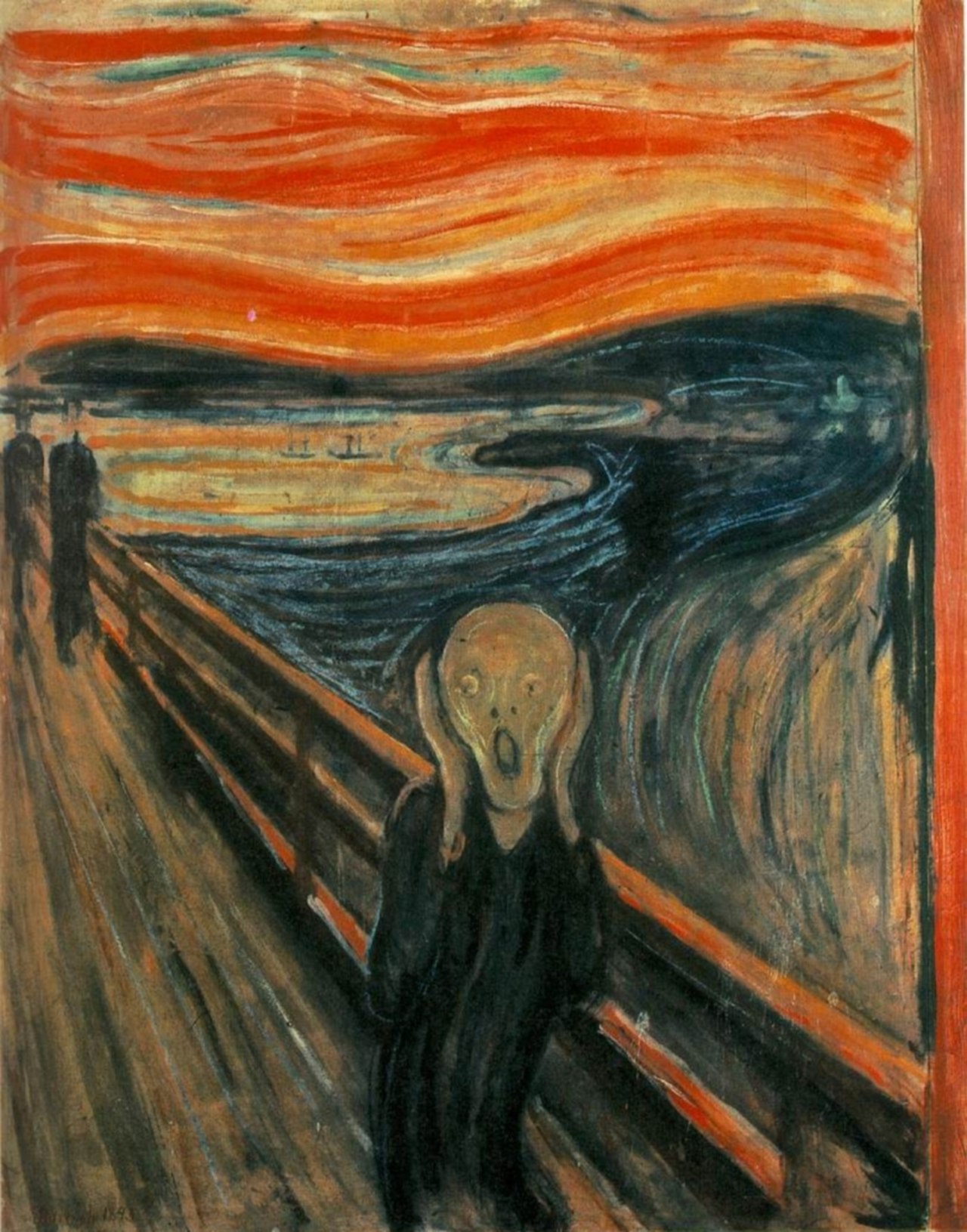
The Theft of The Scream
In 2004 armed men walked into the Munch Museum in broad daylight and pulled The Scream and Madonna from the walls in front of visitors. Both were recovered two years later.
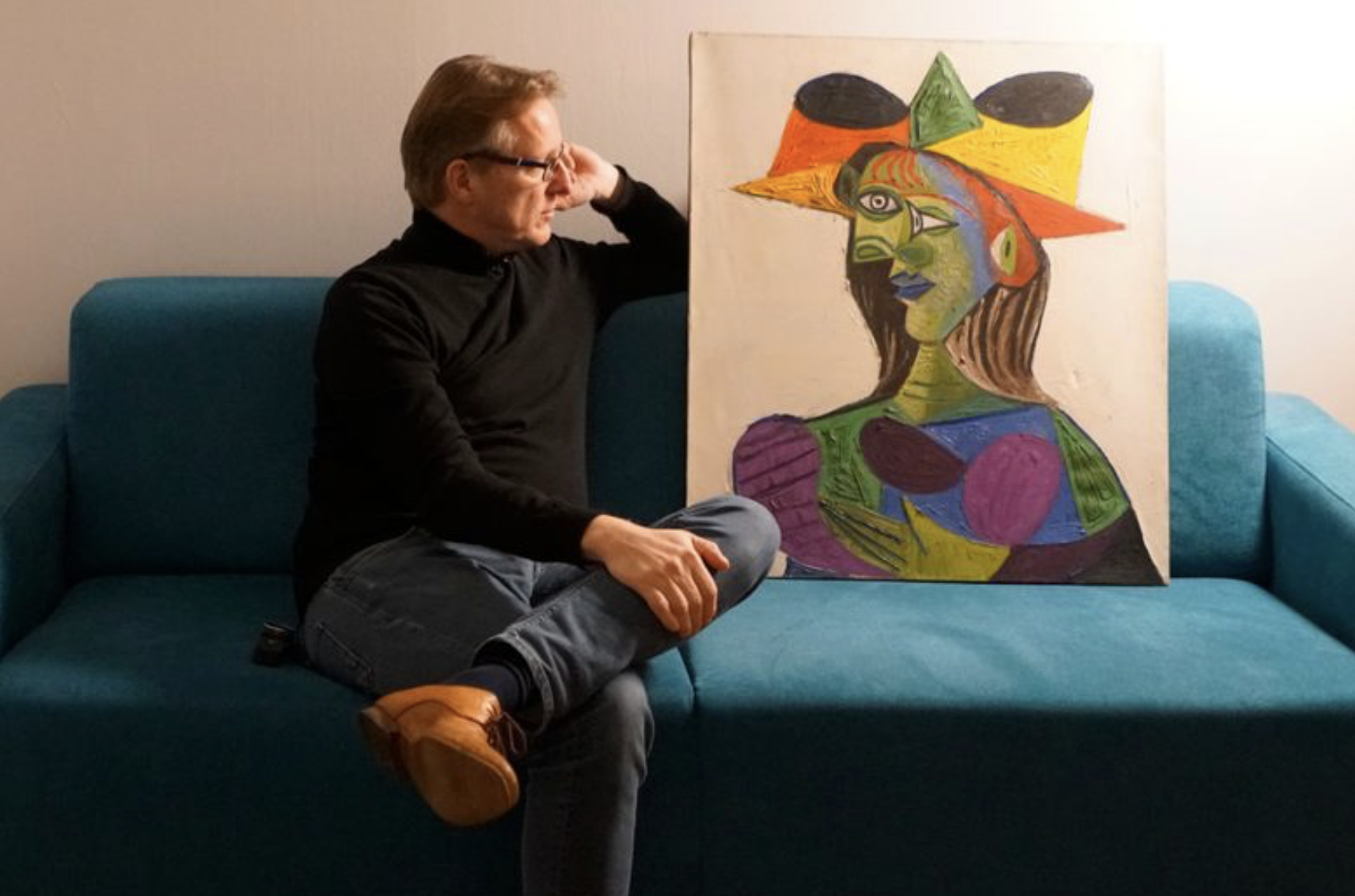
Arthur Brand
Dubbed the 'Indiana Jones of the art world', Arthur Brand is a Dutch art detective who has recovered a remarkable string of stolen and looted works by working the grey zone between the underworld and the market. His finds include the monumental bronze horses sculpted for Hitler's Reich Chancellery ('Hitler's Horses'), a Picasso portrait of Dora Maar missing for two decades, Oscar Wilde's ring, and a Van Gogh spirited away during the pandemic. He operates through informants and patient negotiation rather than force, arguing that most stolen art is never sold but circulates as underworld collateral.
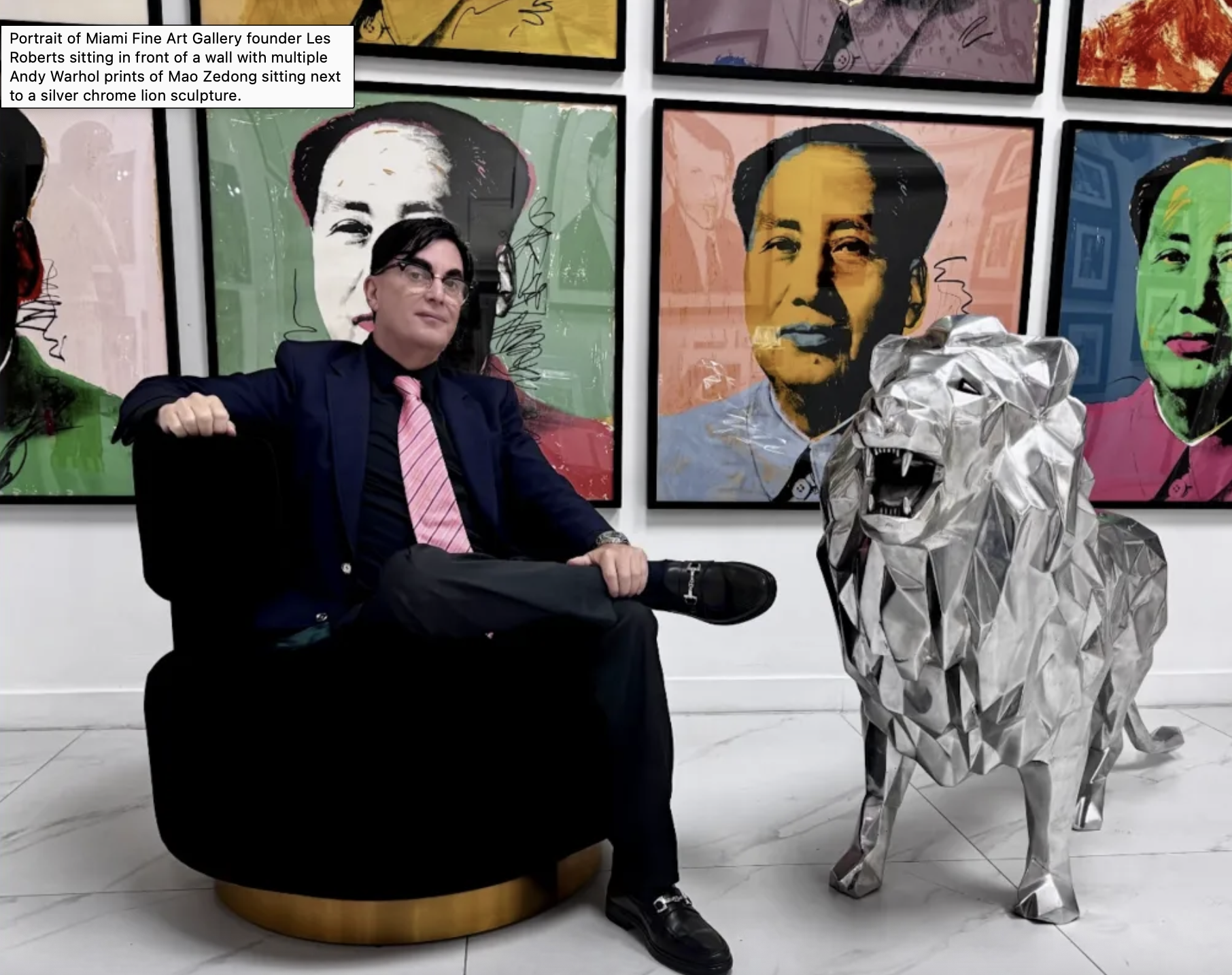
Leslie "Les" Roberts: The Art Dealer Who Just Kept Faking It
A long history of fraud, forged art, and reinvented galleries now intersects with the FBI investigation surrounding Dane Fine Art. For Leslie “Les” Roberts, the art business has apparently never been short on drama. Roberts built a career selling works by some of the biggest names in modern and contemporary art. He also built a remarkably persistent relationship with the criminal justice system. His history includes financial fraud, forged artwork, fake certificates of authenticity, and repeated lawsuits from collectors. His first major fraud case came long before Warhol entered the picture. In his early twenties, Roberts worked as a stockbroker and managed an investment portfolio belonging to his great-uncle. According to The New York Times, Roberts made unauthorized transactions and convinced his uncle that an account worth millions had actually grown enormously when it had instead lost most of its value. He pleaded guilty to mail fraud and conspiracy and was sentenced to 15 years in prison. Years later, Roberts reinvented himself as an art dealer in Miami. His résumé included claims of studying at NYU and interning at Sotheby's; NYU later told Miami New Times that it had no record of Roberts attending the university. The art-world reinvention eventually produced another FBI case. Roberts operated Max in the Grove, presenting himself as a dealer specializing in Peter Max. Former FBI agent Robert Giczy became involved after a collector discovered that 13 of 17 Peter Max works, valued at approximately $635,000, appeared to have been replaced with fakes. Investigators eventually recovered more than 300 forged Max works. According to Giczy, Roberts's children helped produce the counterfeits, while fake certificates of authenticity were manufactured at the gallery. Roberts eventually pleaded guilty to mail fraud and was sentenced in 2015 to 22 months in prison. Then came Andy Warhol. In 2023, Florida collectors Richard and Judy Perlman encountered Roberts at his Miami gallery. According to their lawsuit, he told them he had a relationship with the Andy Warhol Foundation and could acquire works at below-market prices. The Perlmans ultimately say they spent more than $6.7 million on works represented as authentic Warhols. They later alleged that the works were forged. Federal prosecutors separately indicted Roberts in 2025, alleging that he sold forged Warhol works while falsely claiming that he had acquired them directly from the Warhol Foundation and supplied fraudulent invoices and authentication materials. Roberts later pleaded guilty to art-related wire fraud and is awaiting sentencing. And this is where the story connects directly to Dane Fine Art. The Perlmans' new lawsuit alleges that Roberts wasn't operating alone. It names Nathan “Nicky” Isen and his Pennsylvania gallery, Dane Fine Art, as part of an alleged pipeline supplying forged Warhol works. According to the complaint, Dane Fine Art supplied works and documentation that eventually reached Roberts's Miami operation, with the alleged network extending from Pennsylvania to Florida and Peru. Isen categorically denies wrongdoing and any connection to the alleged conspiracy. The timing is particularly interesting. The FBI searched Dane Fine Art in July 2026, describing the operation only as “court-authorized law enforcement activity.” The bureau has not publicly confirmed that the search was connected to the Perlman lawsuit. Isen, meanwhile, has his own history with federal authorities. He pleaded guilty in 2015 to money laundering after selling artwork for cash he understood to be proceeds from drug sales. He subsequently operated his Philadelphia gallery under the Dane Fine Art name. So Roberts and Dane Fine Art aren't simply two names that happen to appear in the same lawsuit. The current allegations describe something more interesting: a supply chain. One dealer allegedly provides the inventory, another provides the storefront and collectors, and authentication paperwork helps turn questionable objects into apparently legitimate works of art. That's what makes the current case worth watching. Roberts has already demonstrated how convincing a fake can become when it is surrounded by the right gallery, the right paperwork, and the right story. Now investigators are looking at whether some of the machinery behind that operation extended to Pennsylvania. For the moment, however, the allegations against Isen and Dane Fine Art remain just that—allegations. No charges have been announced against Isen in connection with the FBI searches, and he has denied wrongdoing. Still, there is something almost perfectly circular about the story: a dealer with a long history of art fraud allegedly finds another dealer willing to supply the merchandise, and the FBI eventually comes knocking on the supplier's door. Hot Tip: If you're art dealer looks too much Like WWE's Paul Bearer...RUN!
The Scream
An icon of existential dread, Munch produced several versions. The Munch Museum's version was stolen at gunpoint in 2004 and recovered, damaged, two years later.

The Parsonage Garden at Nuenen in Spring
The early Van Gogh stolen from the Singer Laren museum on the artist's birthday in 2020, during the pandemic closure, and recovered in 2023.

A Summer's Day (Jour d'été)
An Impressionist idyll by Berthe Morisot, among the works swept up in art thefts of the 1970s and later recovered.
The Cellini Salt Cellar (Saliera)
The only surviving gold sculpture by Cellini — the 'Mona Lisa of sculpture' — stolen from Vienna in 2003 and recovered from a forest three years later.
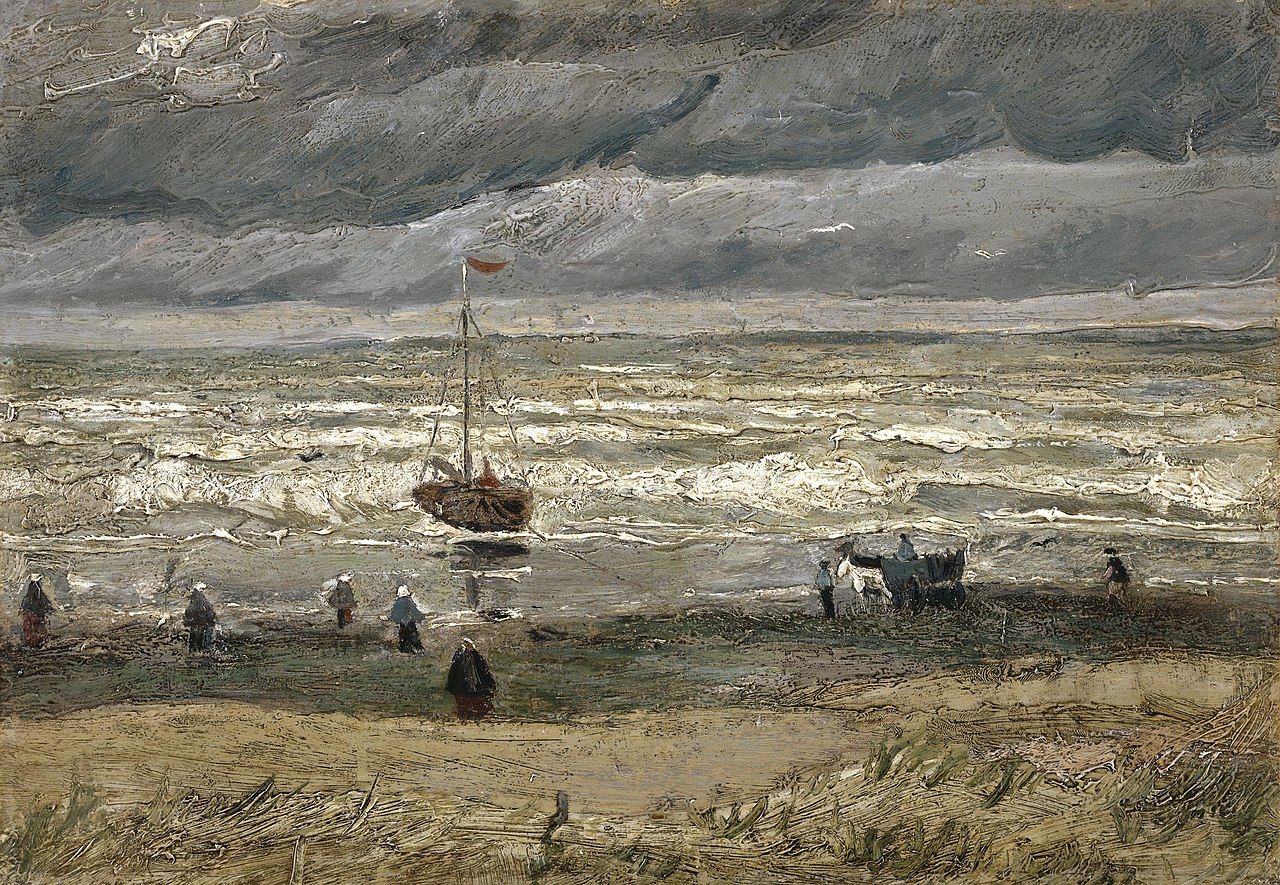
View of the Sea at Scheveningen
An early Van Gogh seascape stolen from the Van Gogh Museum in 2002 and recovered from a Naples crime family in 2016.

Impression, Sunrise
The painting that gave Impressionism its name, stolen at gunpoint from the Marmottan in 1985 and recovered in Corsica in 1990.

Madonna
Munch's sensual, radical vision of the Madonna. Taken alongside The Scream in the 2004 armed robbery of the Munch Museum and recovered, damaged, two years later.

Congregation Leaving the Reformed Church in Nuenen
Painted for Van Gogh's mother, stolen from the Van Gogh Museum in 2002 and recovered in Italy in 2016.

Le Pont d'Argenteuil
A Monet bridge scene associated with thefts from French collections, later recovered.

View of Auvers-sur-Oise
A Cézanne landscape stolen from Oxford's Ashmolean Museum during the millennium fireworks of New Year's Eve 1999. Never recovered.
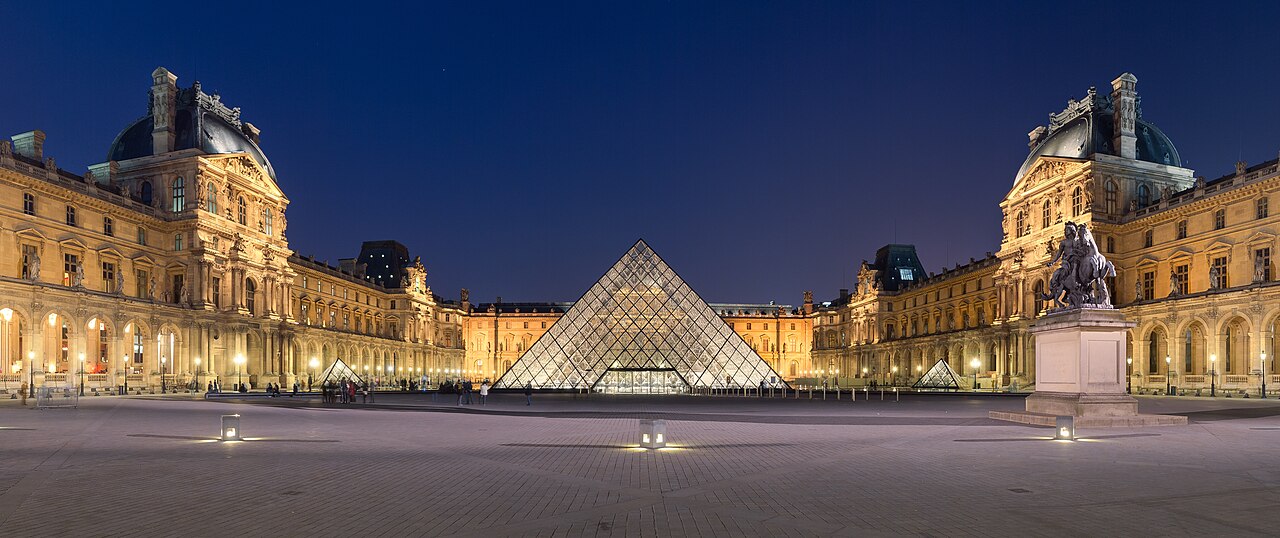
Louvre Heist Update: Mastermind Reportedly Told Crew They “Could Have Taken More”
Newly released suspect statements describe a post-heist “performance review” from an unidentified organizer known only as “Jo” — who thought the crew left valuable pieces behind.
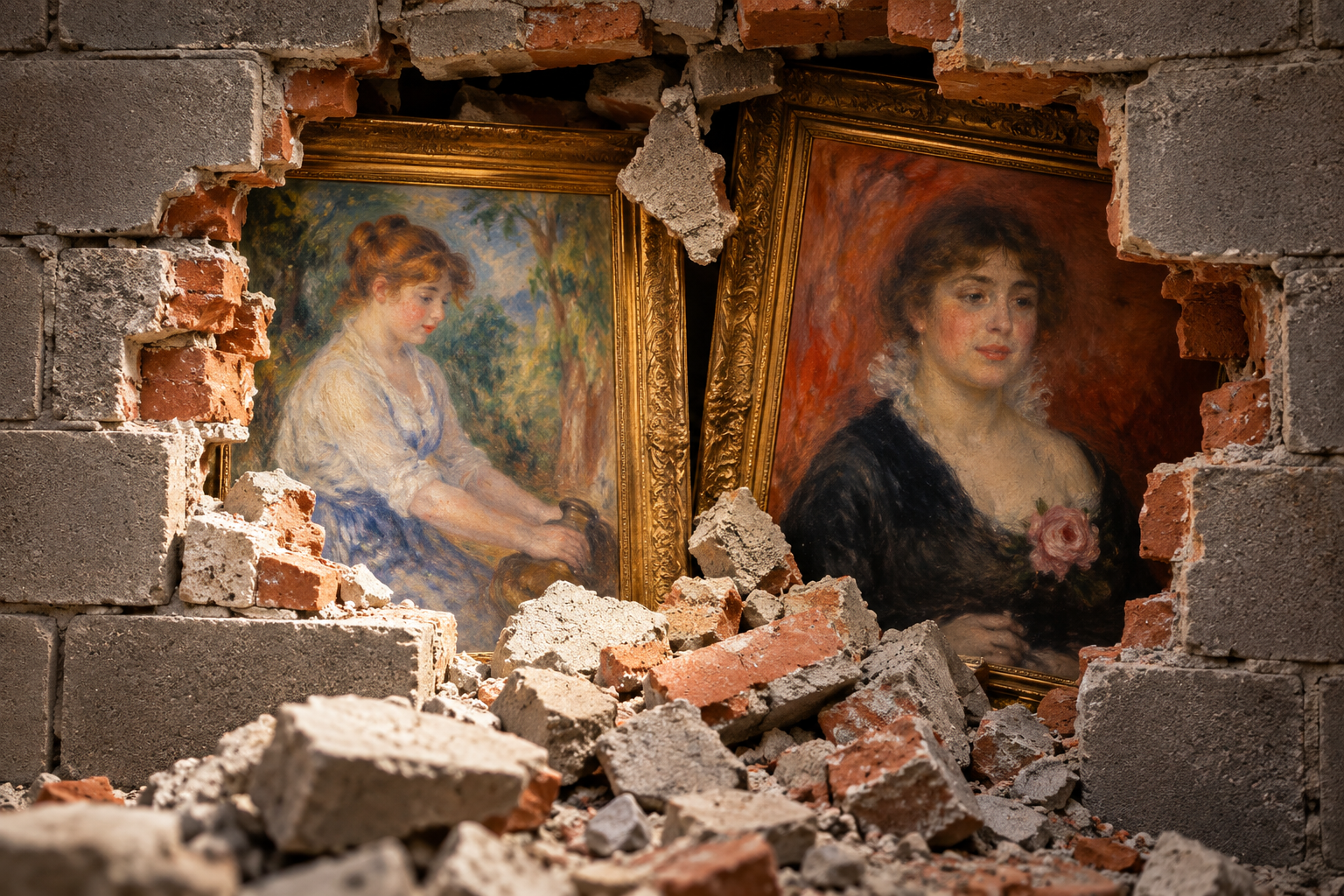
Renoir's Recovered!: Bricked-Up Beauties & Bungling Burglars
Two stolen Renoirs, a cinderblock wall, and a trail of DNA. French police have recovered $4.7 million worth of Paintings. The works (and the thieves’ getaway plan) had a few holes in them.