Results for “sculpture”

The Theft of the Cellini Salt Cellar
Benvenuto Cellini's golden Saliera — the only surviving gold sculpture by the Renaissance master — was stolen from Vienna in 2003 and recovered three years later, buried in a lead box in an Austrian forest.

The National Museum of Iraq Looting
In the chaos following the 2003 invasion, the National Museum of Iraq was looted of thousands of objects spanning the dawn of civilisation. Recovery efforts continue two decades on.

The Mosul Museum Destruction
In 2015 ISIS filmed itself destroying Assyrian and Hatrene sculptures in the Mosul Museum, while smaller, portable antiquities were trafficked to fund the group. Much was lost forever.

Switzerland Returns the Benin Bronzes to Nigeria
Looted by a British punitive expedition in 1897 and scattered across Western museums, the Benin Bronzes have become the defining test of colonial-era restitution — with Switzerland and others now returning them to Nigeria.
The Greenhalgh 'Garden Shed' Forgeries
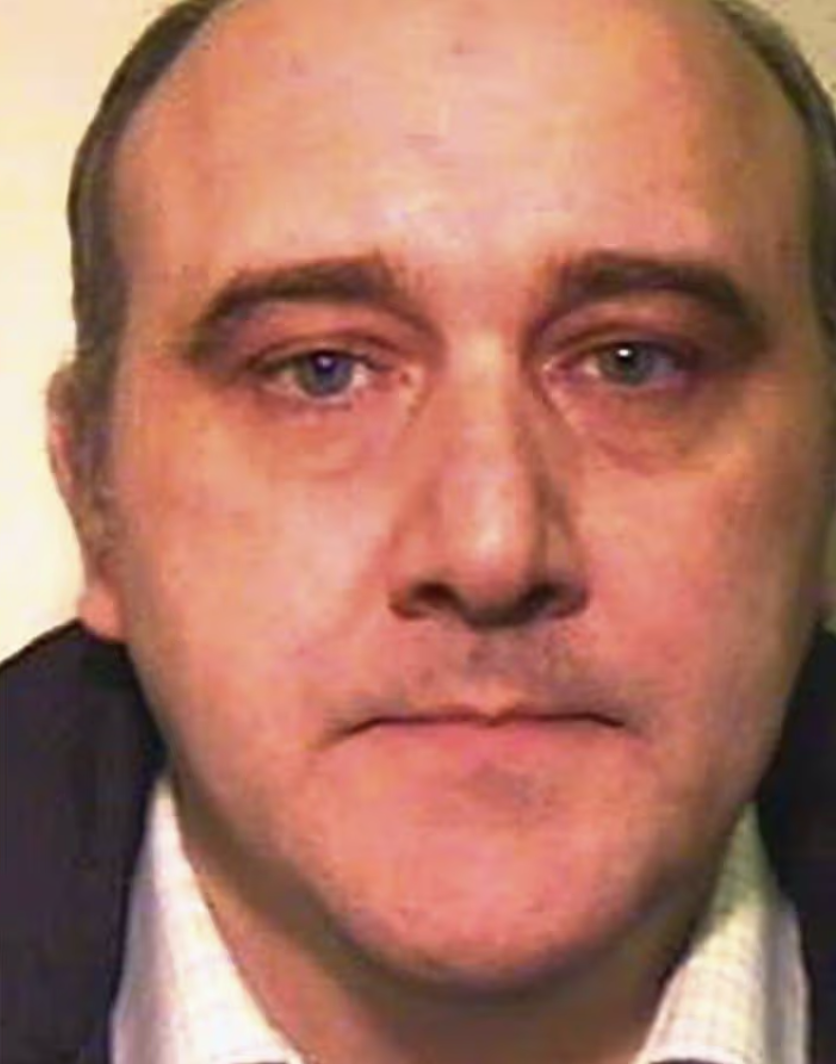
From a garden shed behind a Bolton council house, Shaun Greenhalgh and his elderly parents forged artworks spanning 5,000 years — most famously the 'Amarna Princess', which Bolton Museum bought for £440,000 as a 3,300-year-old Egyptian masterpiece.

The Stephen Shih Rodin Theft
On Thanksgiving Day 1988, Stephen Shih walked into Philadelphia's Rodin Museum with a handgun, handcuffed three guards, fired a warning shot, and strolled out with Rodin's 'Mask of the Man with the Broken Nose'. It was recovered four months later near a basement furnace.
Tony Labat
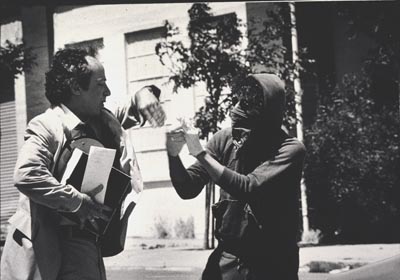
A Cuban-born, San Francisco-based artist working across performance, video, sculpture and installation, Labat has spent his career probing media, criminality, and the body politic. He emerged from the politically charged California performance scene of the 1970s — alongside figures like Chris Burden, Suzanne Lacy, and ASCO — that pushed art out of the gallery and into public life. His 1978 collaboration with Mike Osterhout, 'Kidnap Attempt', staged the attempted abduction of a public official as political performance, deliberately collapsing the boundary between an artwork and a real crime.

Stéphane Breitwieser
Stéphane Breitwieser (born 1971) is widely regarded as the most prolific art thief in modern history. Between 1994 and 2001, the Frenchman stole more than 300 works of art from approximately 200 museums, galleries, churches, and castles across Europe, amassing an estimated collection worth between $1.4 and $2 billion. Unlike nearly every other notorious art thief, Breitwieser wasn't motivated by money. He never worked for organized crime, never accepted commissions from wealthy collectors, and almost never sold what he stole. Instead, he stole simply because he wanted to live surrounded by great art. Breitwieser and his girlfriend, Anne-Catherine Kleinklaus, targeted small museums with minimal security. While she acted as a lookout, he quietly removed paintings, sculptures, clocks, ivory carvings, and other treasures before calmly walking out the front door. His methods were remarkably simple: no weapons, no violence, no smashed display cases — just confidence, patience, and an eye for vulnerable institutions. After each theft, Breitwieser brought the works to his mother's attic in Mulhouse, France, where he transformed the space into a secret private museum. He spent hours admiring the collection, arranging and rearranging masterpieces by artists including Brueghel, Cranach, Watteau, and Boucher. His obsession was with possession, not profit. His extraordinary run ended in 2001 after he stole a medieval hunting horn from the Richard Wagner Museum in Switzerland. A museum employee noticed the theft almost immediately, and police arrested him before he could escape. As investigators closed in on the hidden collection, Breitwieser's mother, fearing a police search, destroyed many of the stolen works — cutting paintings, smashing sculptures, and disposing of priceless objects in canals and garbage bins. The destruction of these irreplaceable artworks remains one of the greatest cultural losses associated with the case. Breitwieser's story is chronicled in Michael Finkel's bestselling book 'The Art Thief', which explores the psychology of a man who saw himself less as a criminal than as a passionate collector. His crimes continue to spark debate among criminologists, museum professionals, and art historians: was he an obsessive aesthete, a compulsive thief, or simply a criminal who happened to have exquisite taste? For followers of Crimes of Art, Breitwieser represents a rare kind of art criminal. He didn't steal for wealth or notoriety — he stole for beauty. His story challenges conventional ideas about motive, ownership, and the lengths to which one person will go to possess the world's greatest works of art.
Robert Driessen
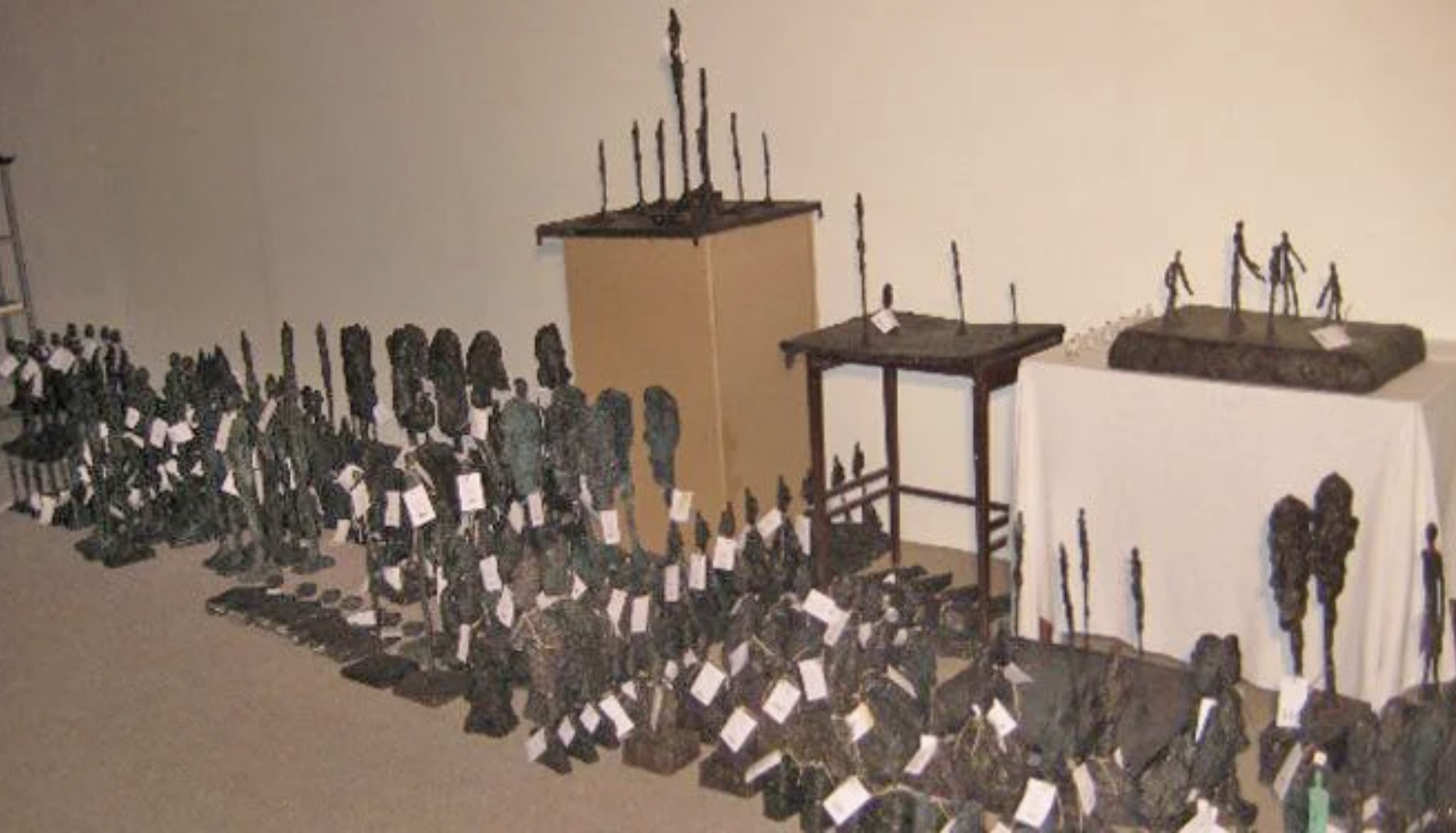
Dutch forger who produced roughly a thousand fake Giacometti sculptures as part of a major German-run fraud ring uncovered in 2009. He later openly sold acknowledged 'forgeries' as legal replicas, insisting his skill rivalled the masters he copied.
Alceo Dossena
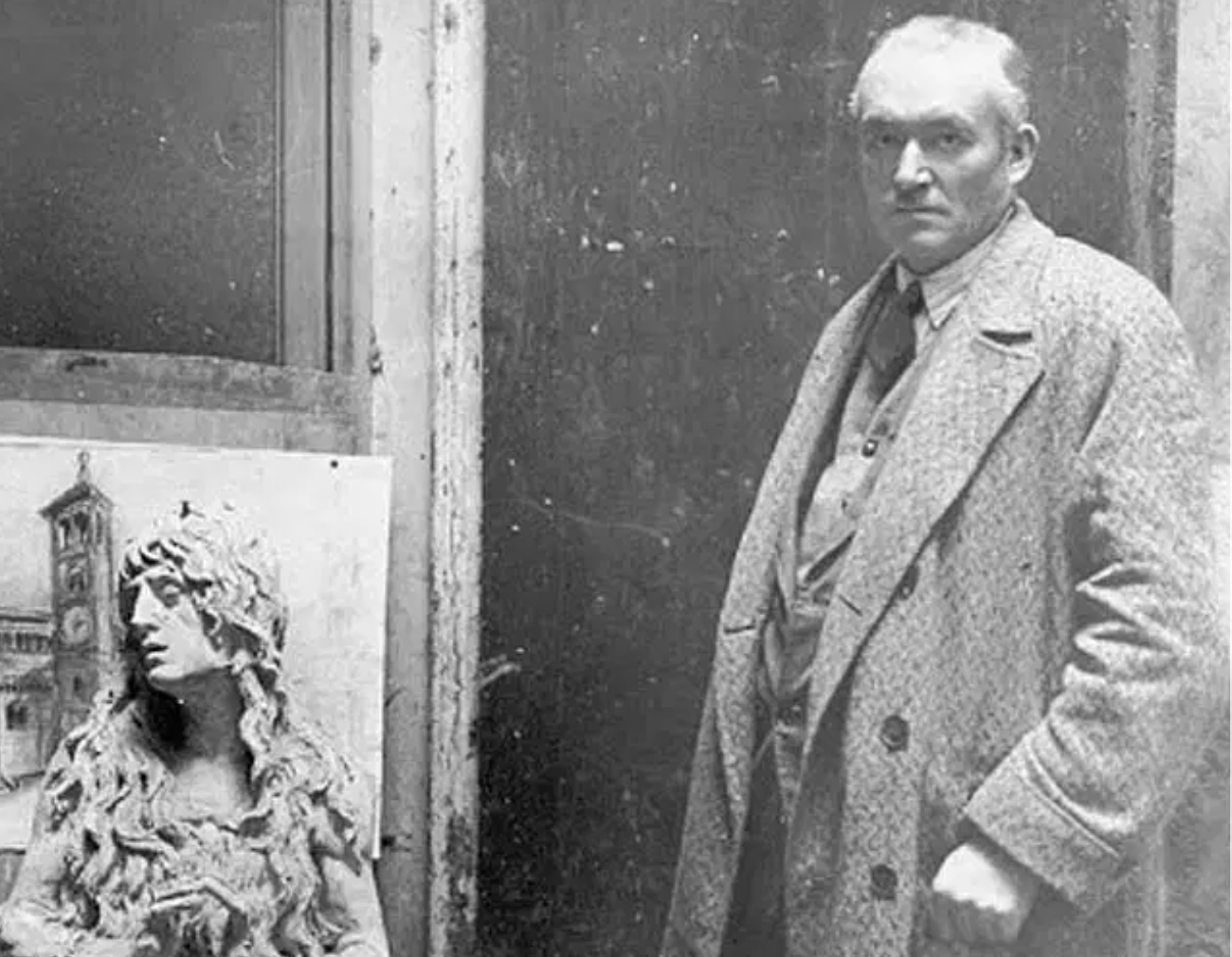
Italian sculptor whose 'ancient' and Renaissance-style works fooled major museums including the Metropolitan Museum of Art and Boston's Museum of Fine Arts. He claimed he never intended fraud — blaming the dealers who aged and sold his sculptures as genuine antiquities.

Guy Hain
A former veterinary salesman turned art dealer, Hain developed an obsession with French bronze sculpture after buying Rodin's The Kiss in the 1960s. Before long, he had gained access to the original molds and production plasters once used by the famed Rudier foundry—the same foundry that had cast many of Auguste Rodin's bronzes during the artist's lifetime. For a forger, it was the equivalent of finding the recipe instead of trying to guess the ingredients. Using the original molds, Hain commissioned newly cast bronzes that were virtually indistinguishable from legitimate examples. He allegedly stamped many of them with the prestigious Alexis Rudier foundry mark before selling them through galleries and auction houses as authentic early casts. Experts struggled to tell the difference because, technically, the sculptures had been made from the same molds as the originals. Rodin was only the beginning. Hain expanded his operation to include works after Camille Claudel, Antoine-Louis Barye, Aristide Maillol, Jean-Baptiste Carpeaux, Pierre-Auguste Renoir, and dozens of other celebrated sculptors. Investigators later estimated he had produced more than 6,000 unauthorized bronzes, effectively flooding the market with sculptures that looked entirely legitimate. French authorities finally intervened in 1992, seizing roughly 20 tons of bronze sculptures from foundries and workshops across France. Hain was convicted of forgery in 1997 and sentenced to four years in prison, though he served only about 18 months. That wasn't the end of the story. After his release, Hain allegedly resumed production, dividing the casting, chasing, and patination among different foundries to make the operation harder to trace. He was arrested again in 2002, and investigators uncovered more than 1,100 additional sculptures representing the work of 98 different French artists. The scandal rattled collectors and auction houses alike. Even respected firms, including Christie's and Sotheby's, had unknowingly sold Hain's bronzes, forcing experts to reexamine decades of sales and raising uncomfortable questions about how many suspect sculptures remain in private collections. Guy Hain's greatest trick wasn't making fake bronzes. It was proving that even when a sculpture comes from the original mold, authenticity isn't always cast in bronze.
The Cellini Salt Cellar (Saliera)
The only surviving gold sculpture by Cellini — the 'Mona Lisa of sculpture' — stolen from Vienna in 2003 and recovered from a forest three years later.
The Tourist Who Sat on the Crystal Chair
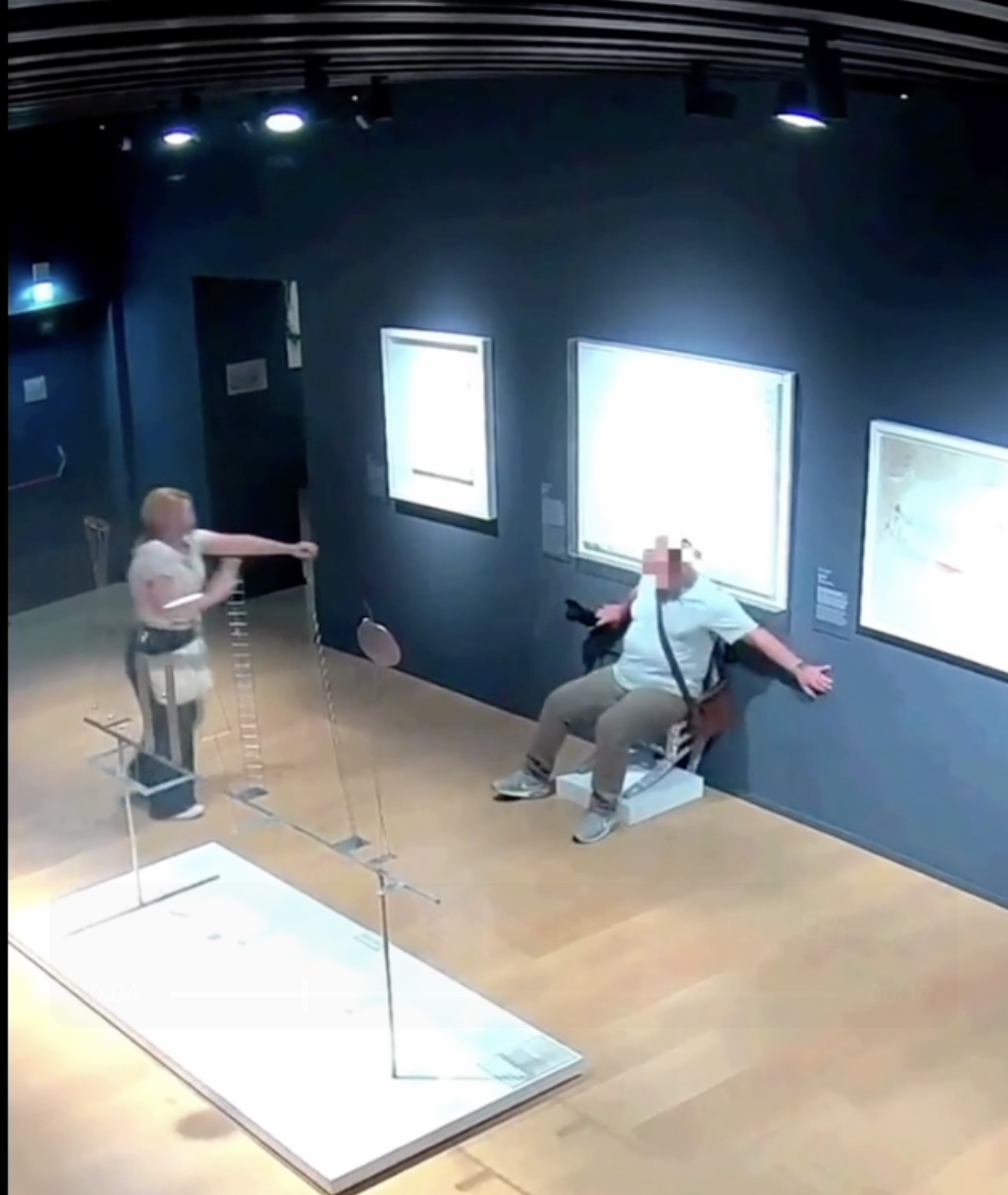
A visitor lowered himself onto Nicola Bolla's Swarovski-crystal-encrusted 'Van Gogh' chair to strike a pose. The chair, which was art and not furniture, promptly gave way beneath him.
The Cleaner Who Binned the Art
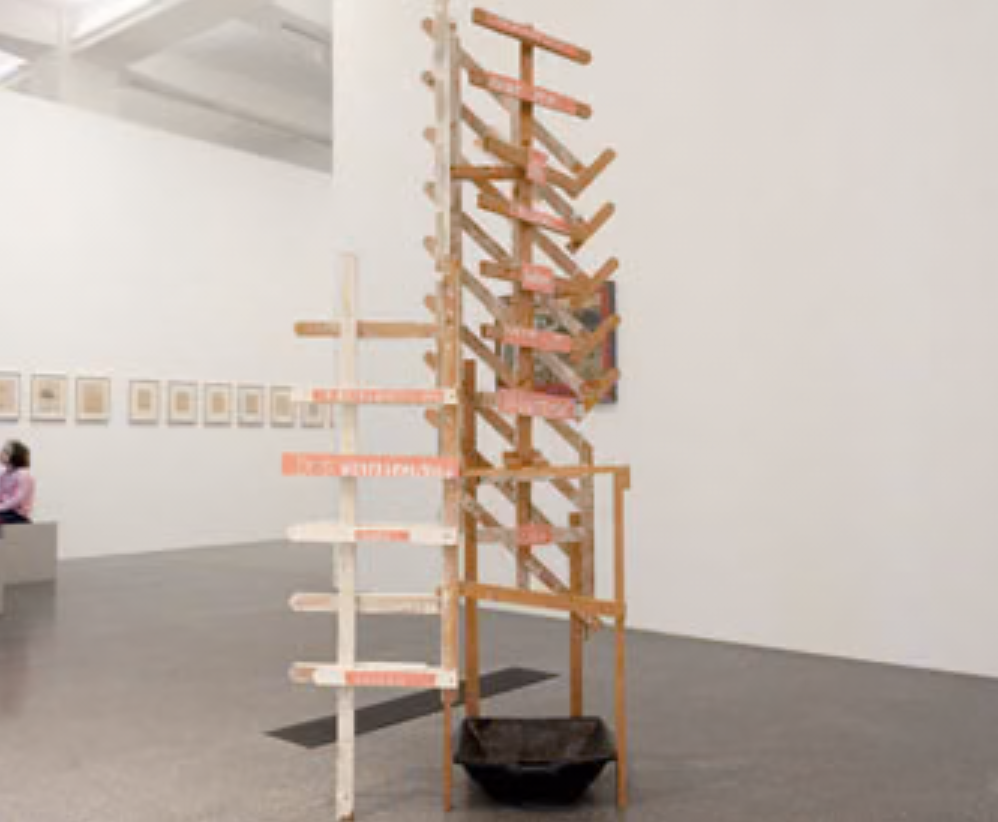
A diligent cleaner scrubbed away a carefully applied patina from a Martin Kippenberger installation, mistaking the artwork for a dirty stain — a recurring hazard of conceptual art.
The $200,000 Selfie Domino
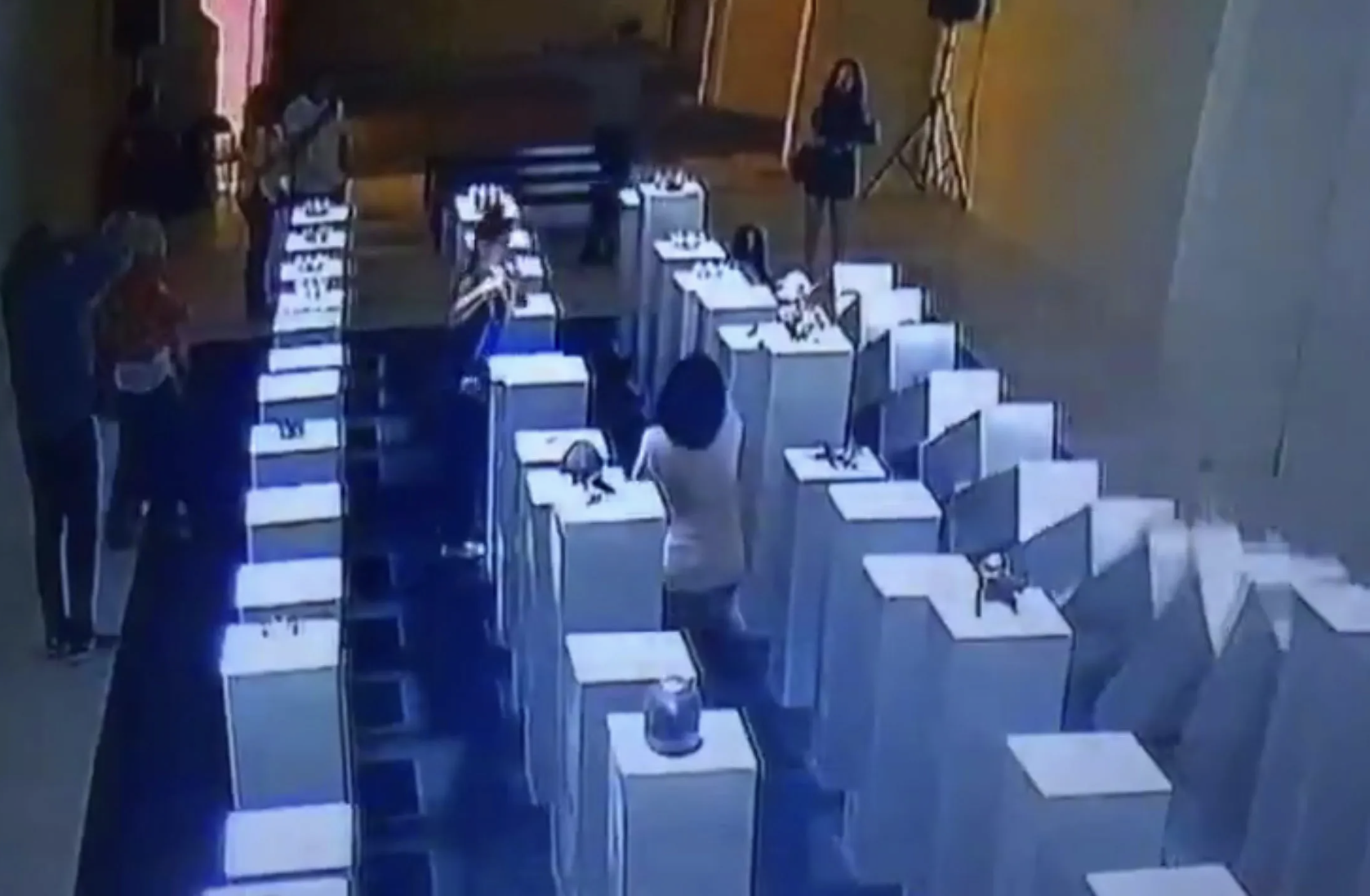
A visitor crouched for a photo beside a row of crown-topped pedestals, lost her balance, and set off a domino collapse down the entire line of sculptures.
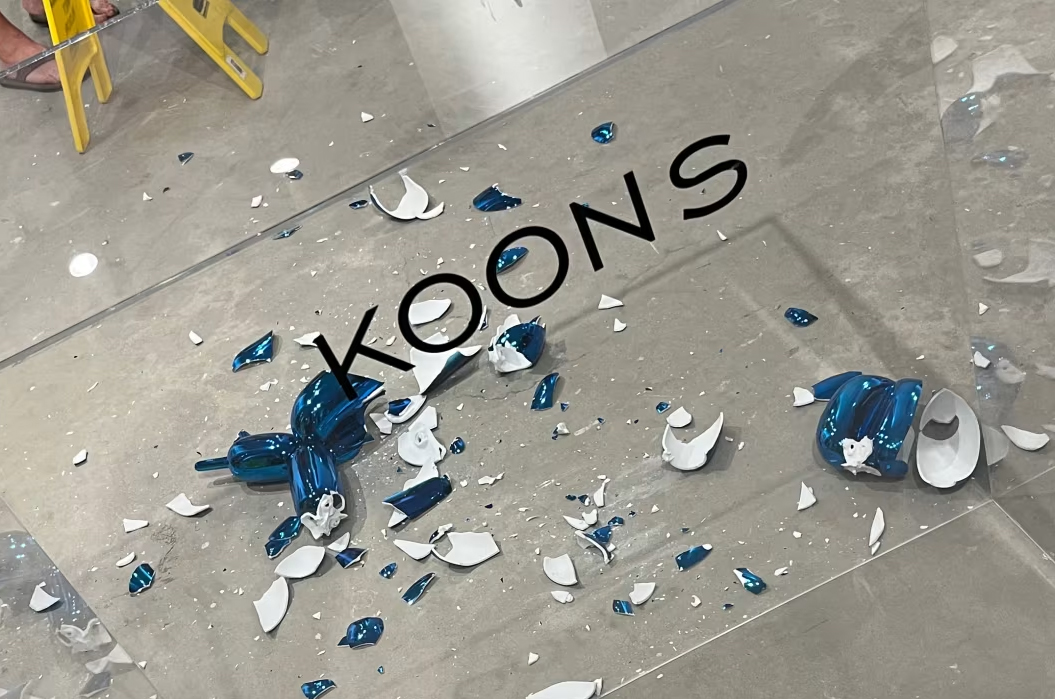
The Shattered Balloon Dog
A collector at a Miami art fair gave Jeff Koons's porcelain 'Balloon Dog (Blue)' an inquisitive tap. It wobbled off its pedestal and shattered into a heap of shards.
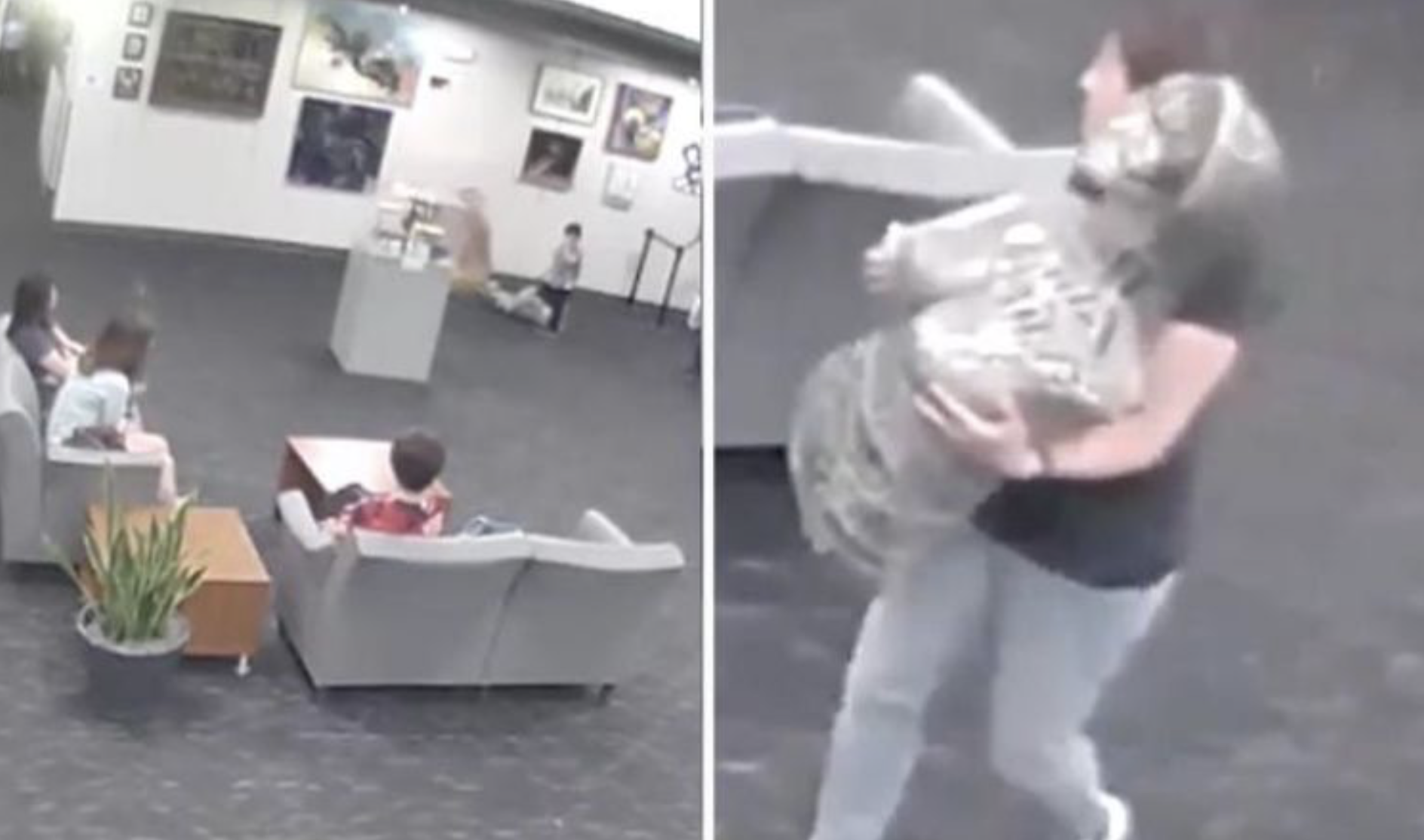
"Kansas City Reach Around" now costs $132,000!
During a wedding reception, a five-year-old boy wrapped his arms around Bill Lyons' six-foot glass sculpture 'Aphrodite di Kansas City'. Seconds later it tipped forward and shattered beyond repair.

The Sculpture Everyone Insisted Wasn't a Christmas Tree
Paul McCarthy's inflatable 'Tree' — widely compared to a sex toy — sparked outrage, an assault on the artist, and finally the cutting of its support cables, collapsing the work.

A Ballerina Meets Climate Protest
A climate activist in a fluorescent vest smeared red and black paint over Degas' 'Little Dancer Aged Fourteen' — but the sculpture sat safely inside a sealed display case.
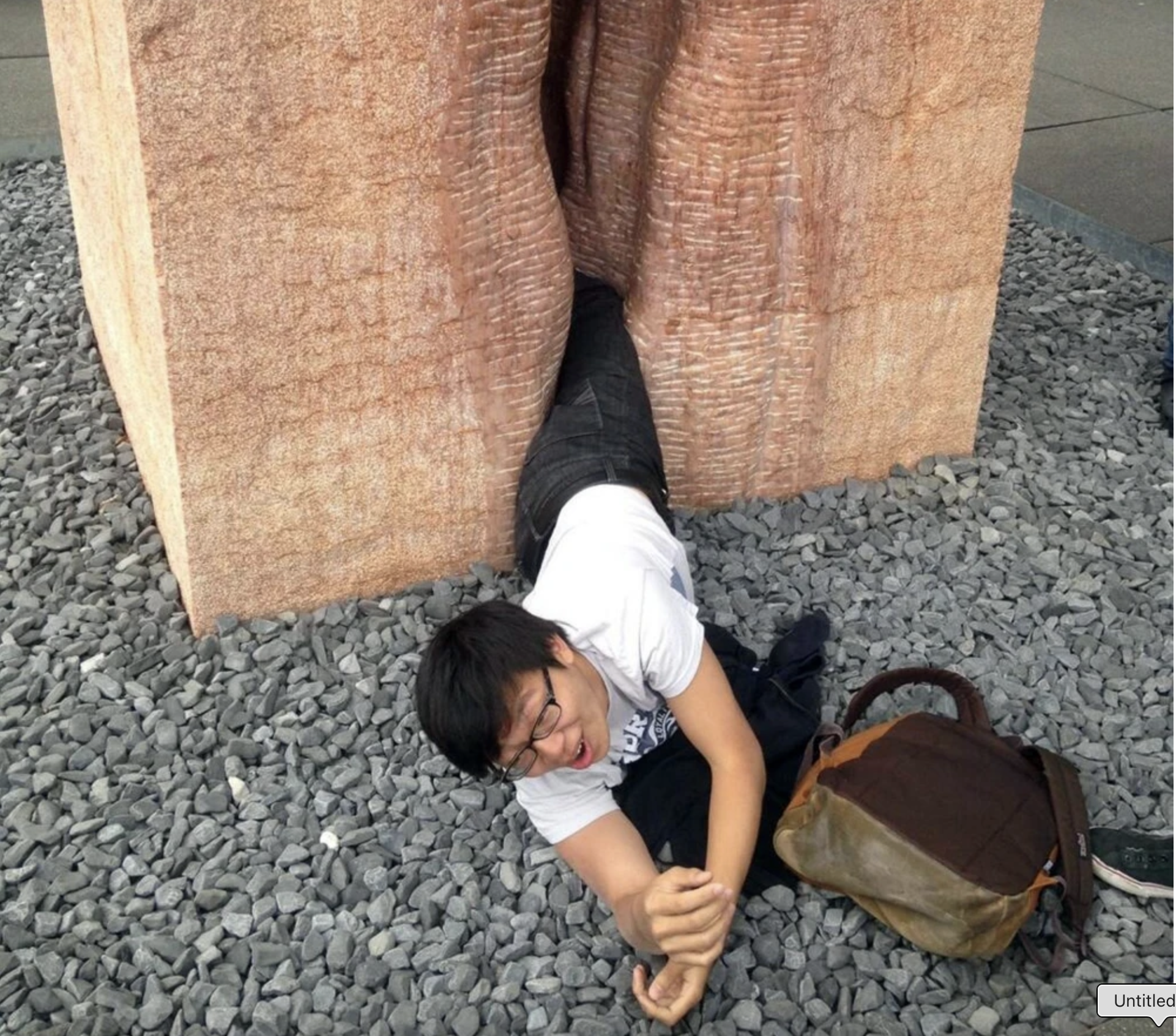
The Student Who Got Stuck in a Giant Vagina
A 20-year-old exchange student climbed inside Fernando de la Jara's monumental stone sculpture 'Pi-Chacan' for a dare photo and became wedged — requiring 22 firefighters to free him.
The Little Brats and The Large Glass