Results for “dealer”
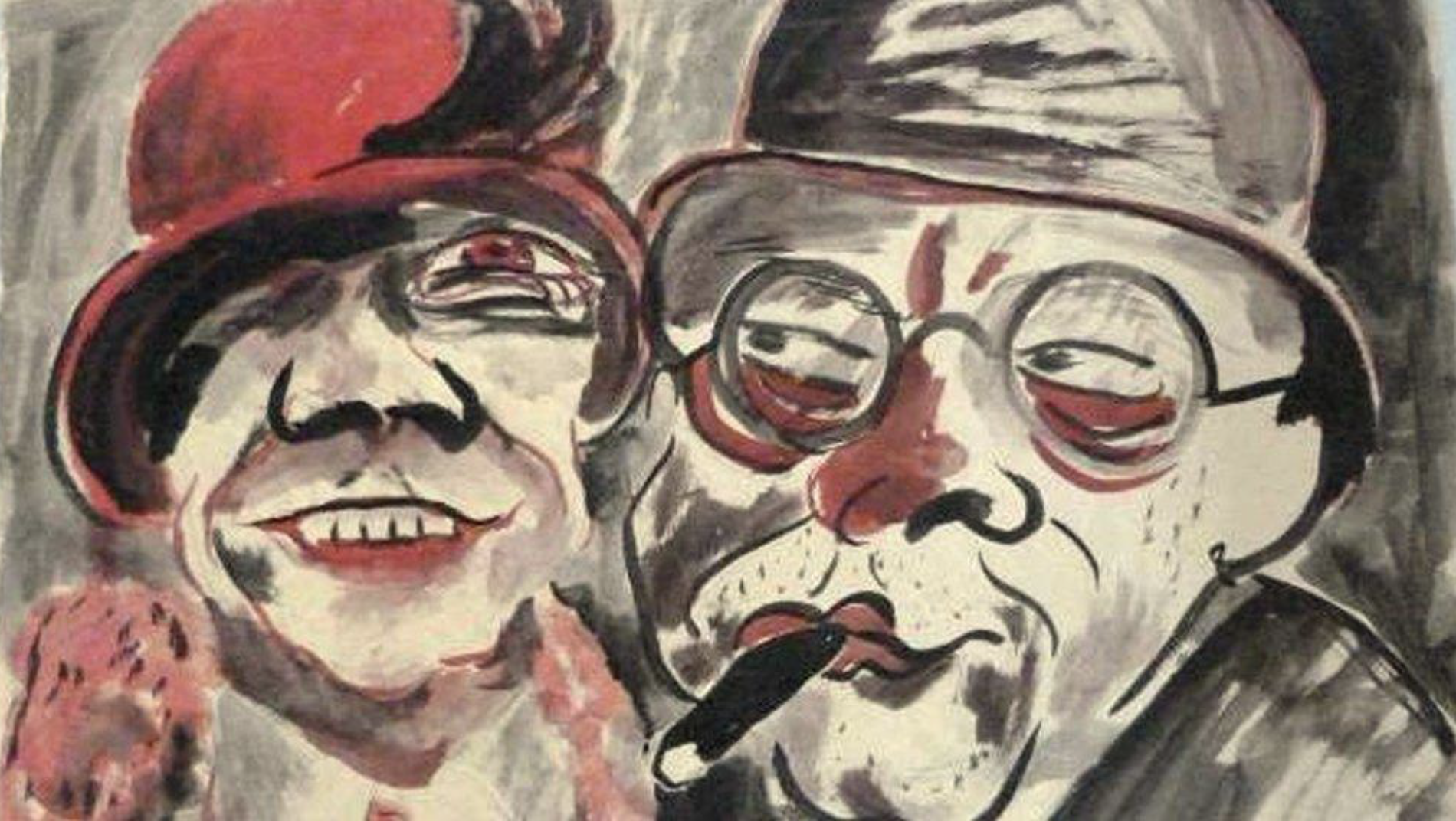
The Gurlitt Hoard
A routine tax inquiry uncovered some 1,500 artworks hidden in a Munich apartment — many looted or sold under duress during the Nazi era. The discovery reignited the global reckoning over restitution.

The Euphronios Krater Returned to Italy
In 1972 the Metropolitan Museum of Art paid a record $1 million for a dazzling sixth-century BC Greek vase painted by Euphronios. Decades later it was proven to have been looted from an Etruscan tomb near Cerveteri — and in 2008 the Met returned it to Italy.
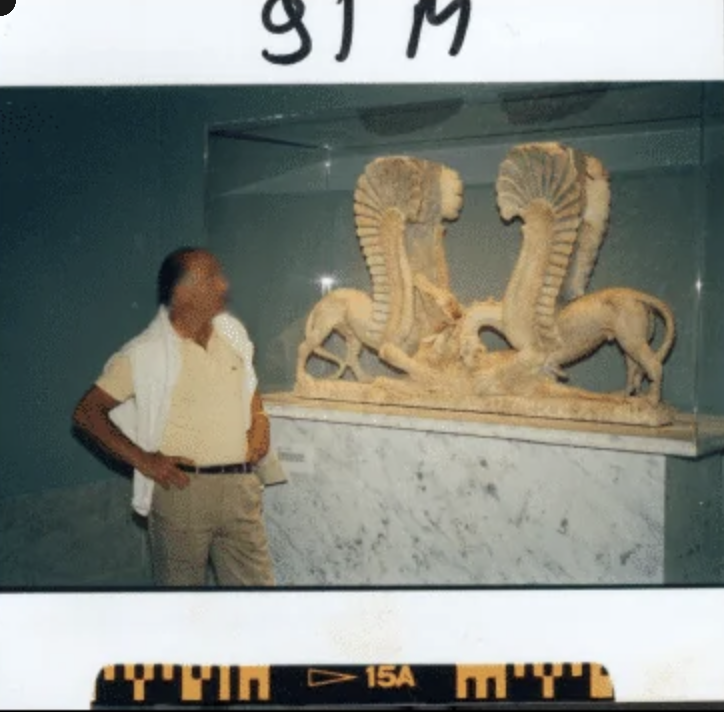
The Medici Archive Investigation
In 1995, investigators raided a warehouse in the Geneva Freeport and uncovered the archive of dealer Giacomo Medici — thousands of Polaroids of freshly looted objects that became a Rosetta Stone for the antiquities trade and drove restitutions from museums around the world.

The 1911 Theft of the Mona Lisa
On the morning of 21 August 1911, the Mona Lisa vanished from the walls of the Louvre. For twenty-eight months it was gone — and in its absence it became an icon.
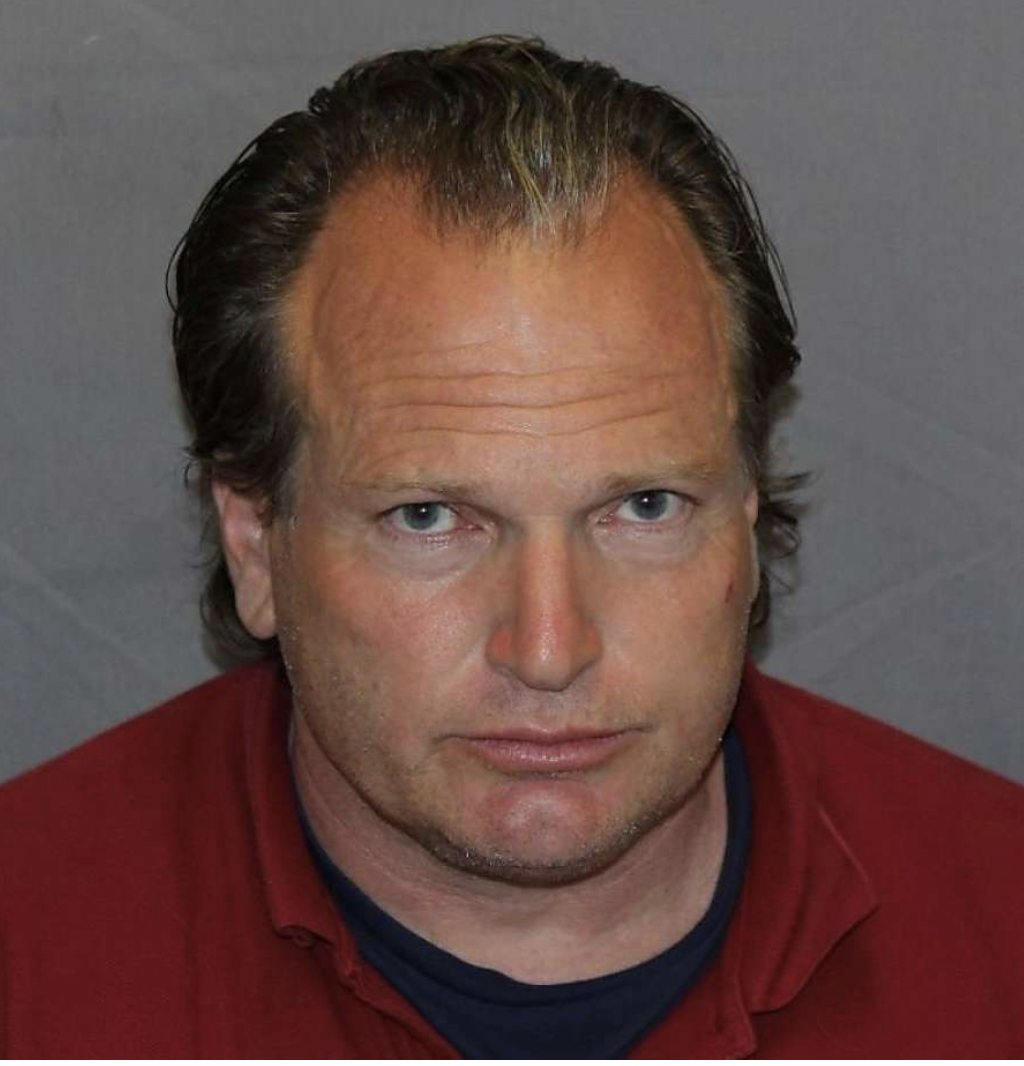
The Brugnara Art Fraud
San Francisco real-estate figure Luke Brugnara accepted $11 million in art — Degas, Picasso, de Kooning, Miró — then declared them gifts and refused to pay. His 2015 fraud trial became a courtroom spectacle.

The Getty Museum Repatriation Cases
The J. Paul Getty Museum, the wealthiest art institution in the world, was forced to return around 40 looted antiquities to Italy and Greece after investigators traced them to illicit excavations — and to put its own curator on trial.

France Returns Looted Syrian Antiquities
As Syria's civil war fuelled a flood of looted antiquities onto the market, France intercepted and returned a group of trafficked objects — part of a wider fight against the 'blood antiquities' financing conflict.
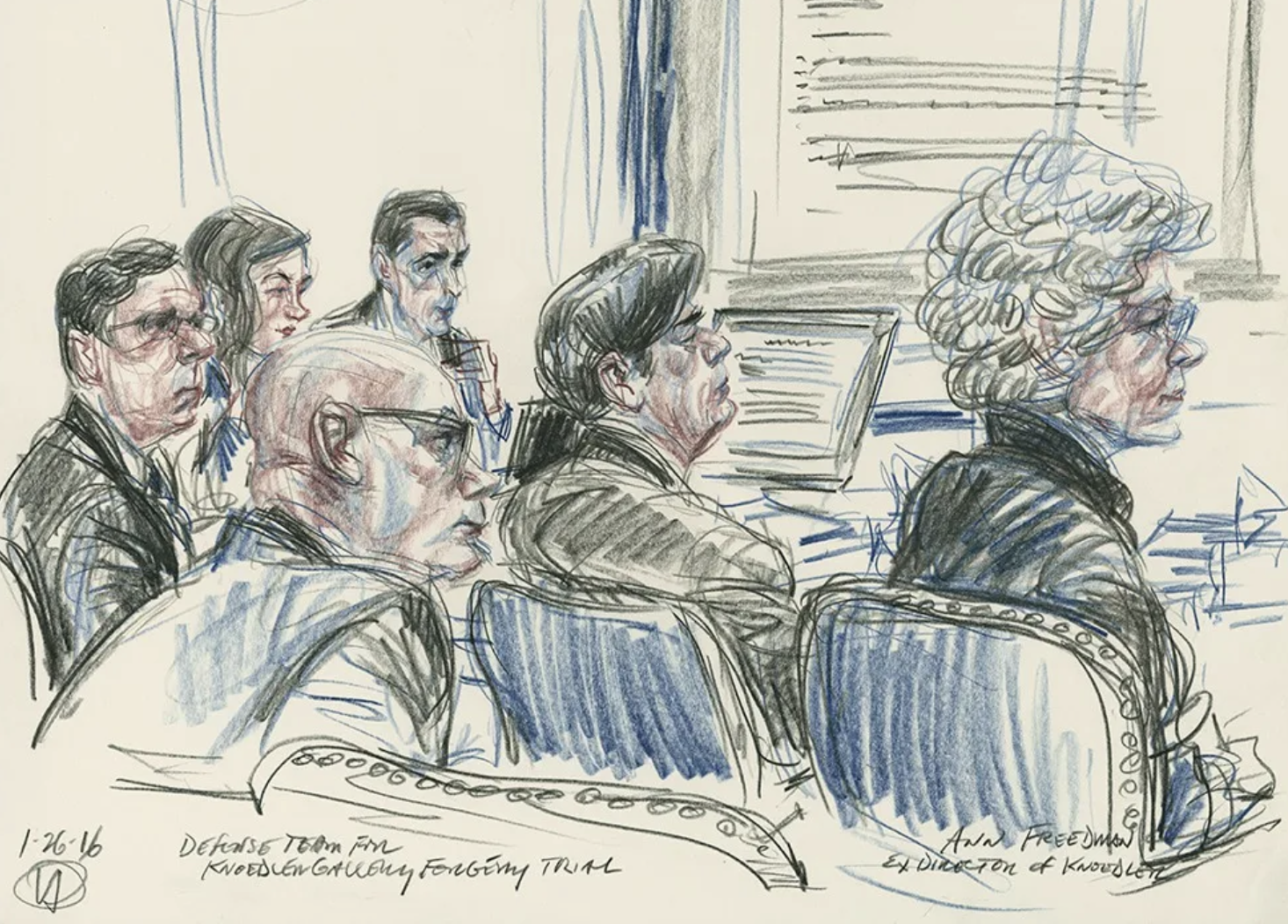
The Knoedler Gallery Forgery Scandal
For over 15 years, the venerable Knoedler gallery sold some 40 forged Abstract Expressionist paintings — fake Rothkos, Pollocks, and de Koonings painted in a Queens garage — for around $80 million, before the fraud collapsed the 165-year-old institution.

The Tiara of Saitaphernes
In 1896 the Louvre triumphantly bought a golden tiara as a priceless Scythian-Greek antiquity. It was in fact made a few years earlier by the Odessa goldsmith Israel Rouchomovsky — and the 1903 exposure became one of the great museum humiliations in history.

Vincenzo Peruggia
An Italian handyman and former Louvre employee who, in 1911, walked out of the museum with the Mona Lisa concealed beneath his workman's smock. He kept the painting in his Paris apartment for over two years, claiming a patriotic desire to return it to Italy. His attempt to sell it to a Florentine dealer led to his arrest and to the theft that made the Mona Lisa the most famous painting in the world.

Cornelius Gurlitt
The reclusive son of Nazi-era art dealer Hildebrand Gurlitt, Cornelius kept a hoard of some 1,500 works — many looted or sold under duress during the Third Reich — hidden in his Munich apartment. Their discovery in 2012 reopened thousands of restitution questions.
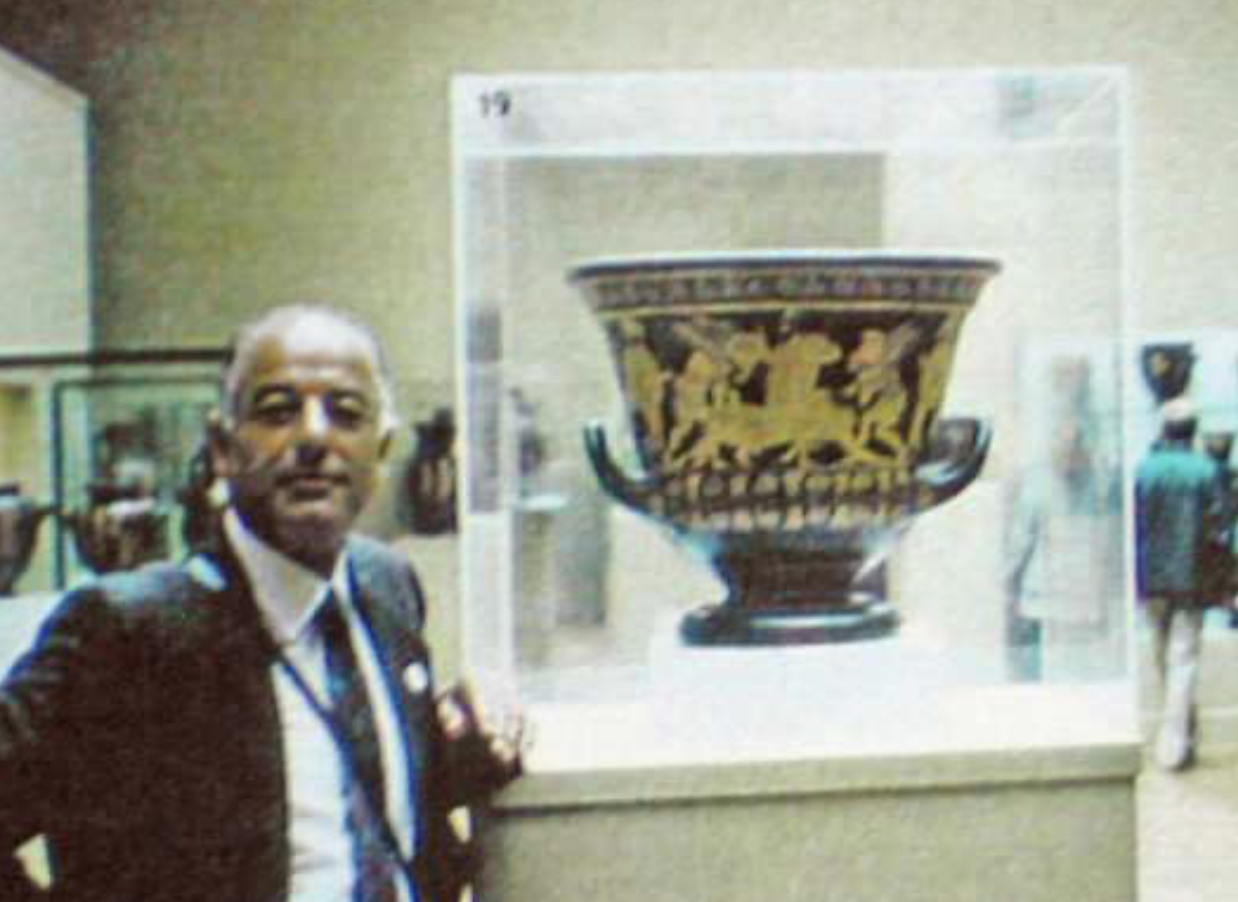
Giacomo Medici
Italian antiquities dealer at the centre of the largest looted-antiquities network ever exposed. A 1995 raid on his rooms in the Geneva Freeport uncovered thousands of Polaroids documenting freshly looted objects — the 'Medici archive' that let investigators trace treasures to museums including the Getty and the Metropolitan Museum of Art. Convicted in Rome in 2004 of dealing in looted antiquities, he became the emblem of the illicit trade the Carabinieri spent decades dismantling. (Illustrative image: a red-figure krater of the type he trafficked.)
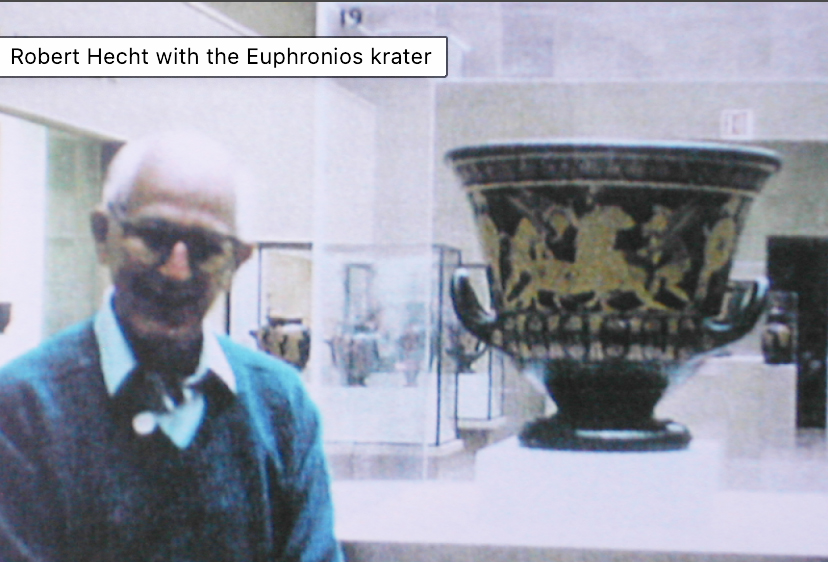
Robert Hecht
American antiquities dealer long suspected of being a linchpin of the illicit trade between Mediterranean tomb-robbers and the world's great museums. He sold the Euphronios krater to the Metropolitan Museum of Art in 1972 and was later tried in Italy alongside Giacomo Medici and Getty curator Marion True; the case against him lapsed on the statute of limitations before a verdict. He died in 2012. (image: Hecht and the Euphronios krater he sold to the Met.)
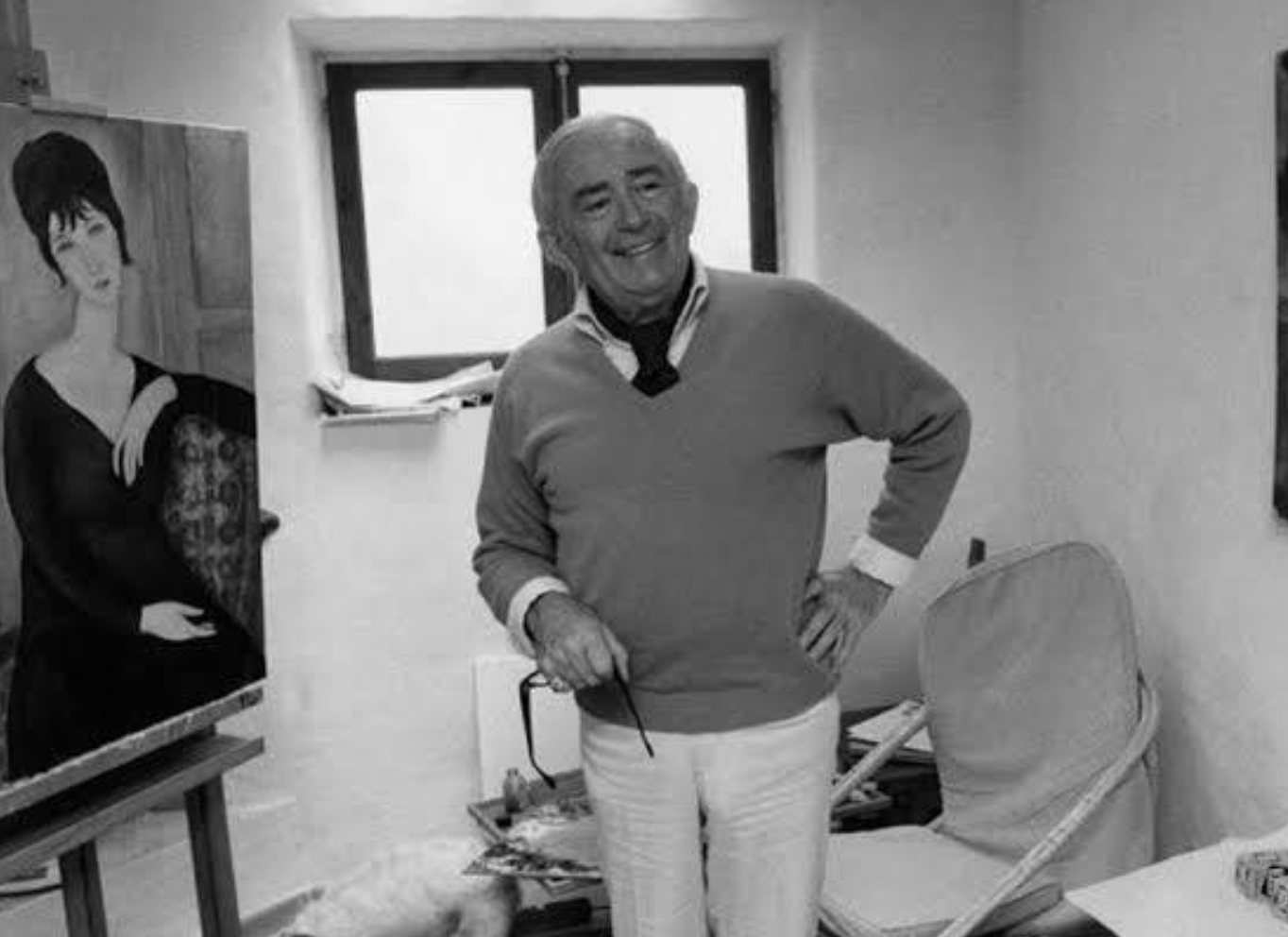
Elmyr de Hory
Hungarian-born painter who became one of the 20th century's most prolific art forgers, producing hundreds of works passed off as Picasso, Matisse, Modigliani, and other modern masters. His story, and the dealers who sold his fakes, was immortalised in Clifford Irving's book 'Fake!' and Orson Welles's film 'F for Fake'. Check out this documentary @ Great Documentaries YouTube: https://www.youtube.com/watch?v=zurHc4itBXg And this Trailer for Orson Welles' "F is For FAKE": https://www.youtube.com/watch?v=qUAwgt2Z-3Y
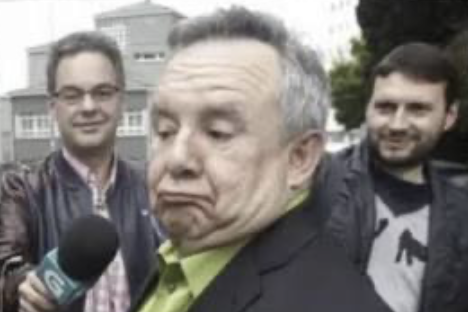
José Carlos Bergantiños Díaz
Spanish dealer who, with his partner Glafira Rosales and brother Jesús Ángel, orchestrated the Knoedler forgery scheme — sourcing Pei-Shen Qian's fakes and inventing a mysterious anonymous collector, 'Mr. X', as their provenance.

Glafira Rosales
Art dealer who supplied the Knoedler Gallery with dozens of forged Abstract Expressionist works painted by Pei-Shen Qian, backed by a fabricated story of a secret collector. She pleaded guilty in 2013 in a fraud totalling around $80 million.
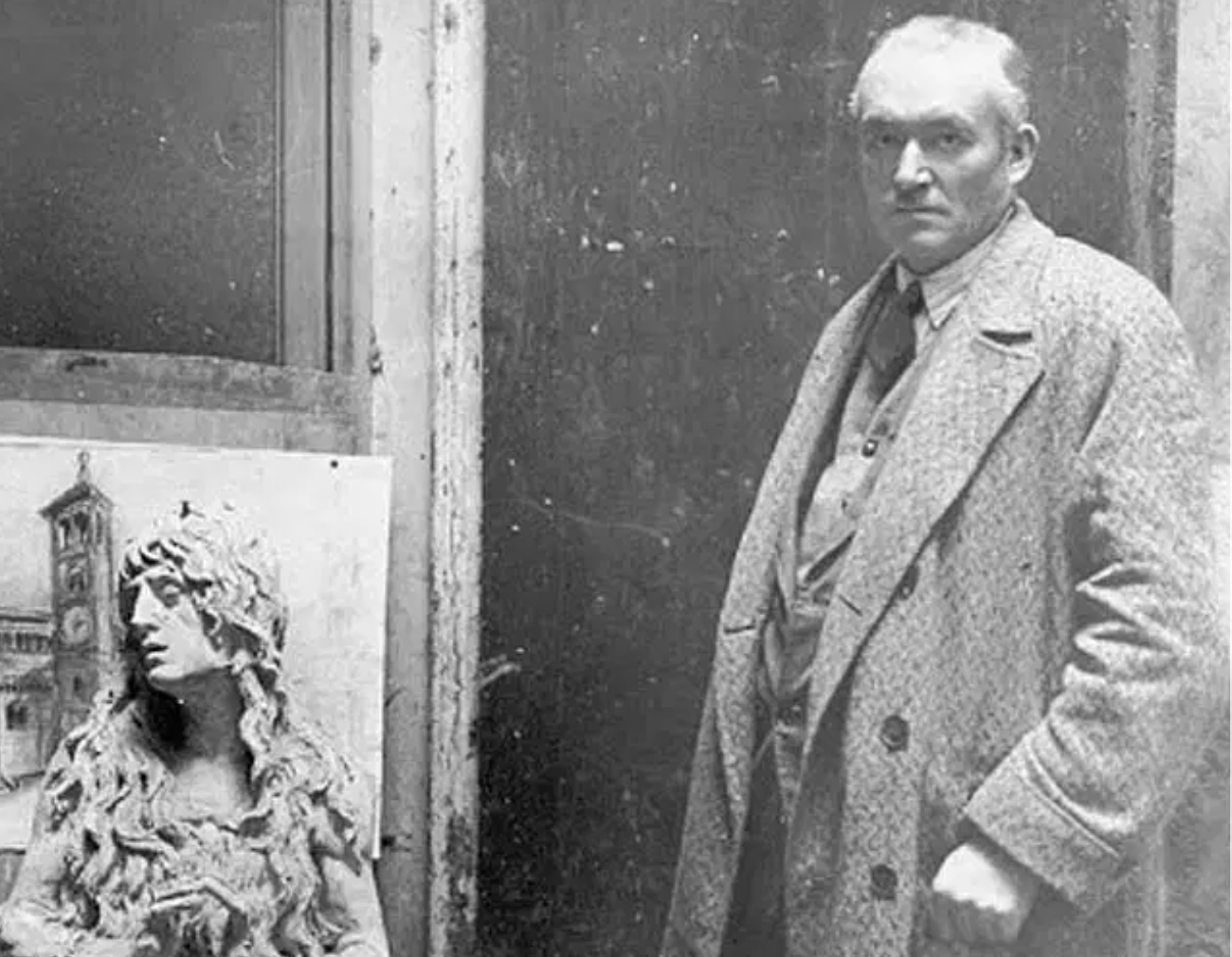
Alceo Dossena
Italian sculptor whose 'ancient' and Renaissance-style works fooled major museums including the Metropolitan Museum of Art and Boston's Museum of Fine Arts. He claimed he never intended fraud — blaming the dealers who aged and sold his sculptures as genuine antiquities.
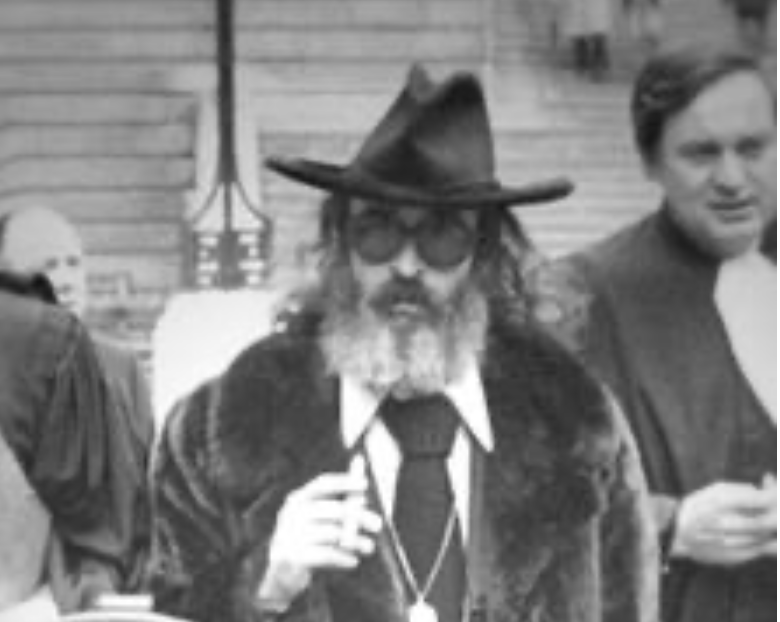
Fernand Legros
Flamboyant art dealer who, with Réal Lessard, sold Elmyr de Hory's forgeries to wealthy collectors around the world, fuelling one of the era's great forgery scandals and a tangle of lawsuits and criminal cases.
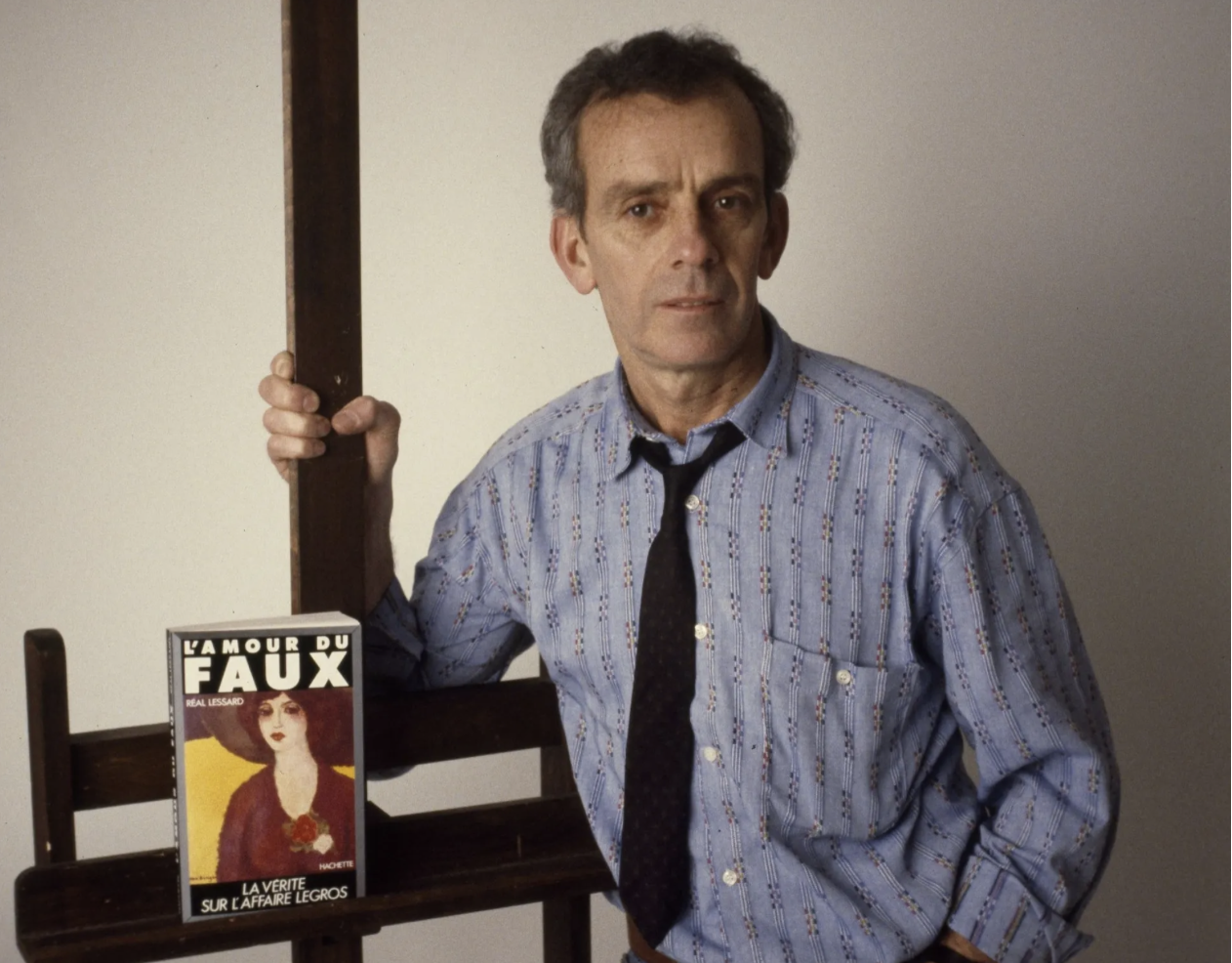
Réal Lessard
Canadian partner of dealer Fernand Legros in the distribution of Elmyr de Hory's fakes. In his memoir 'L'Amour du faux' he controversially claimed that he, not de Hory, painted many of the forgeries.
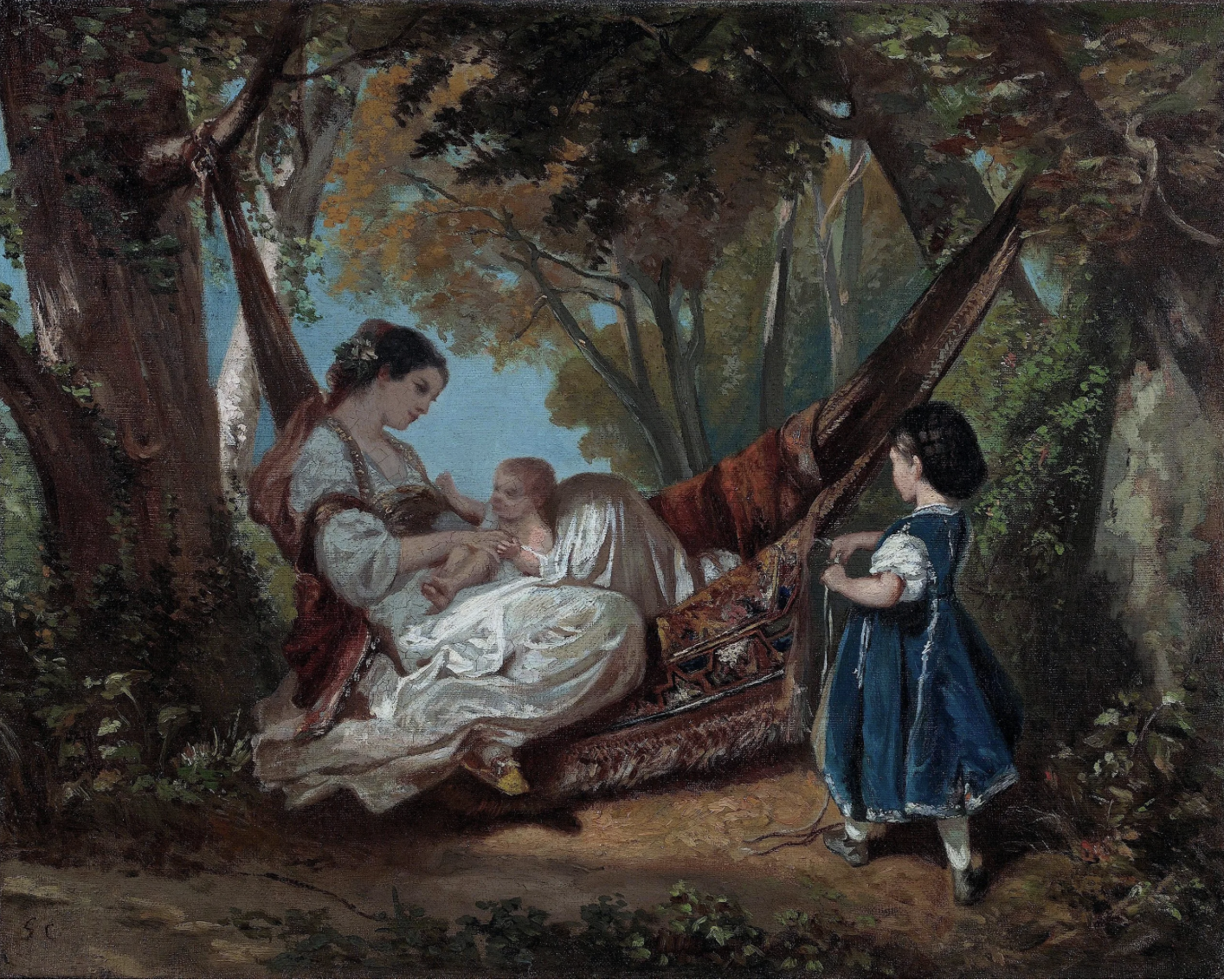
Double Crossed Corbet

Father Daughter Forger Family's 2mil hobby