Results for “europe”
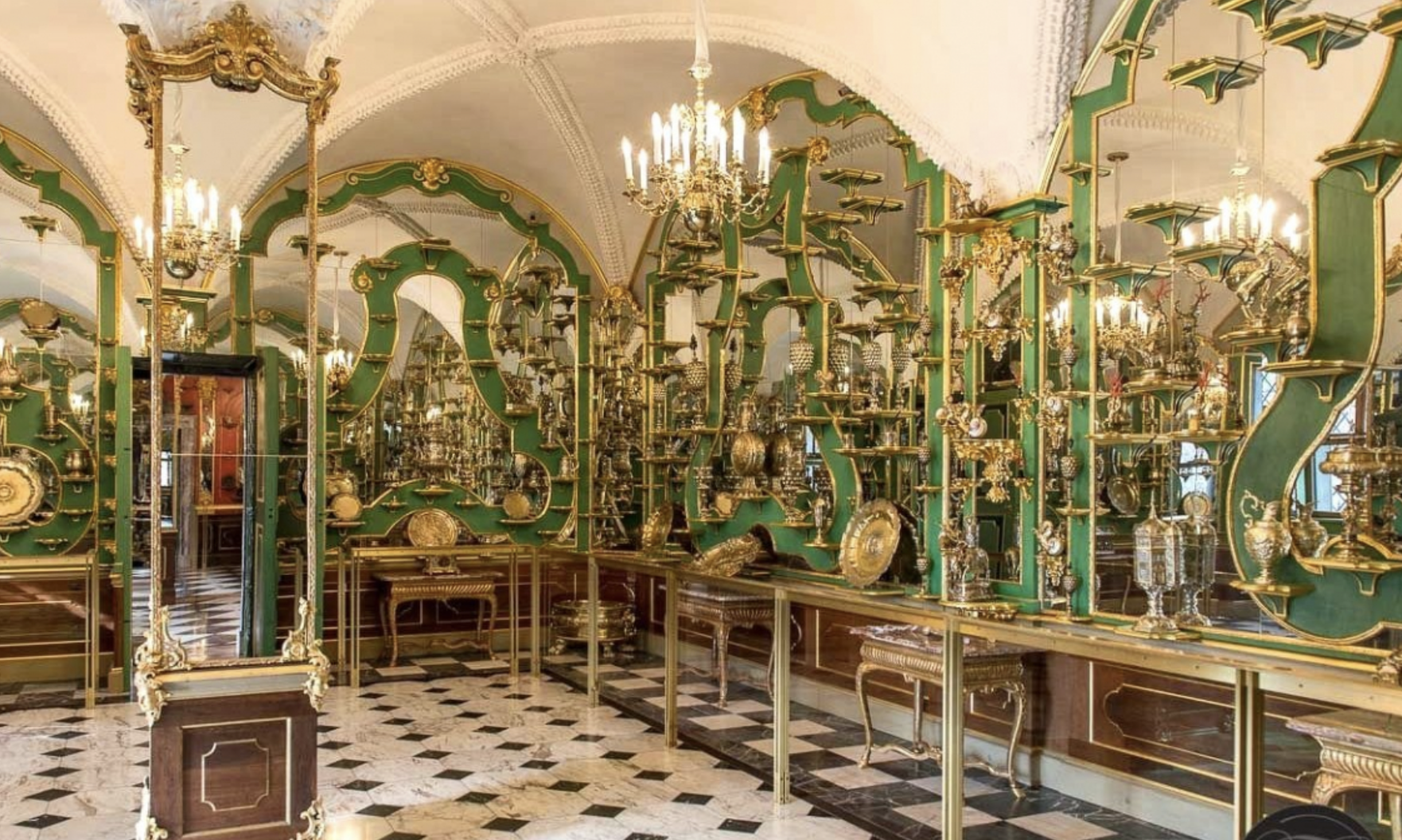
The Dresden Green Vault Heist
In 2019 thieves cut power to a street light, breached a window, and stole a trove of 18th-century diamond jewellery from Dresden's Green Vault. Much of it was recovered in 2022 under a court deal.

The Bührle Collection Robbery
In one of Europe's largest art robberies, armed men walked into the Bührle museum in Zurich in 2008 and took four Impressionist and Post-Impressionist masterpieces. Most were recovered within years.

The Christ Church Picture Gallery Theft
In 2020 thieves broke into the Christ Church Picture Gallery in Oxford and took three Old Master paintings by Annibale Carracci, Salvator Rosa, and Anthony van Dyck. Two remain missing, one came back!

The Kunstmuseum Bern Theft
The Kunstmuseum Bern, Switzerland's oldest art museum, has figured in the record of European gallery thefts. This entry gathers what is documented about the loss.
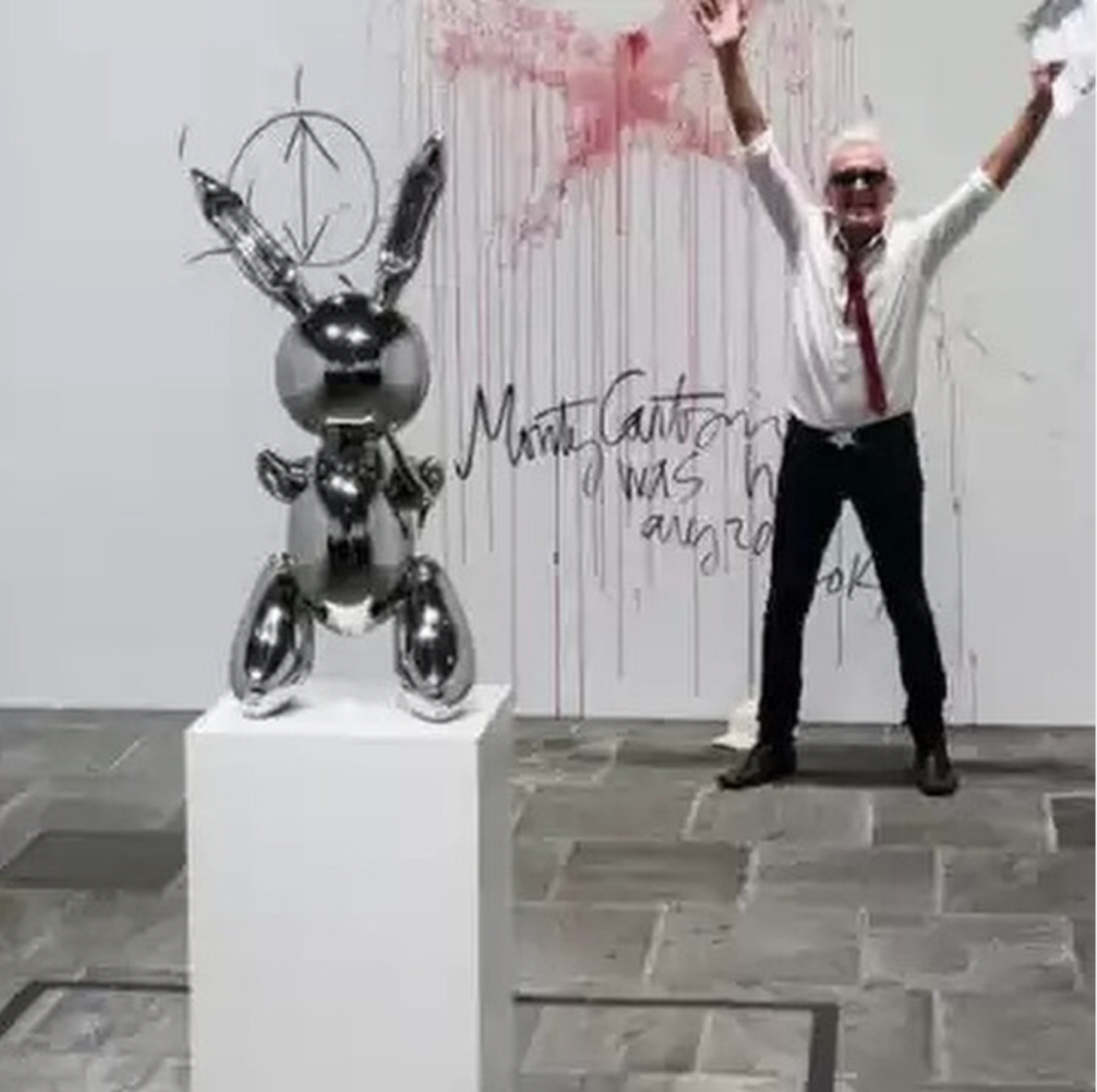
Istvan Kantor's Blood X
For over four decades Istvan Kantor — Monty Cantsin, founder of Neoism — has hurled his own blood in a great X across the walls of major museums, courting arrest as part of the artwork itself.

The Just Judges Mystery
In 1934 one panel of the Ghent Altarpiece was stolen from St Bavo's Cathedral. Ransom notes, a deathbed confession, and endless theories have never produced the painting.

The Russborough House Robbery (1986)
In 1986 the Dublin crime boss Martin Cahill — 'The General' — led a raid on Russborough House, taking eighteen works including a Vermeer and a Goya. They were recovered piecemeal over years.

Switzerland Returns the Benin Bronzes to Nigeria
Looted by a British punitive expedition in 1897 and scattered across Western museums, the Benin Bronzes have become the defining test of colonial-era restitution — with Switzerland and others now returning them to Nigeria.

France Returns Looted Syrian Antiquities
As Syria's civil war fuelled a flood of looted antiquities onto the market, France intercepted and returned a group of trafficked objects — part of a wider fight against the 'blood antiquities' financing conflict.
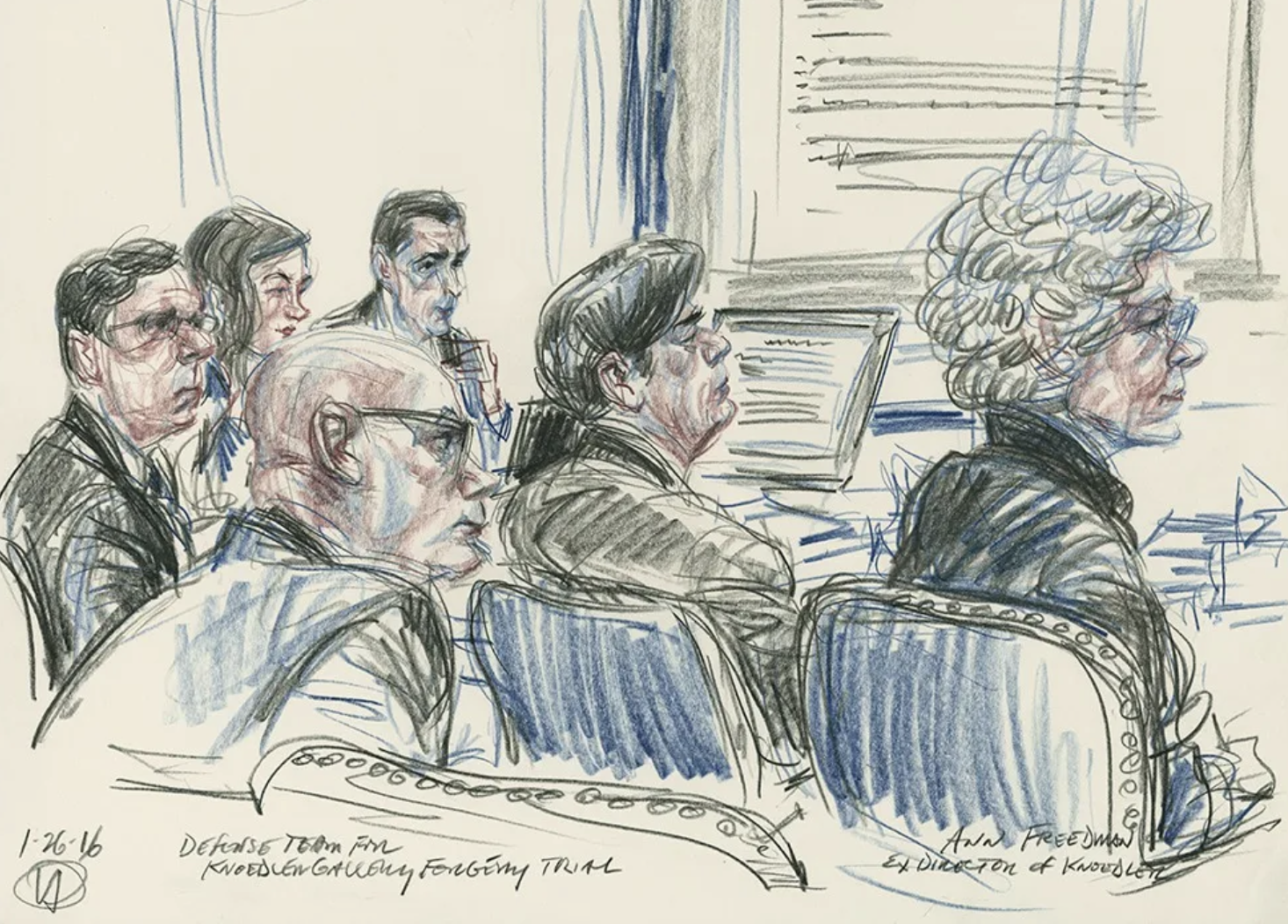
The Knoedler Gallery Forgery Scandal
For over 15 years, the venerable Knoedler gallery sold some 40 forged Abstract Expressionist paintings — fake Rothkos, Pollocks, and de Koonings painted in a Queens garage — for around $80 million, before the fraud collapsed the 165-year-old institution.

Stéphane Breitwieser
Stéphane Breitwieser (born 1971) is widely regarded as the most prolific art thief in modern history. Between 1994 and 2001, the Frenchman stole more than 300 works of art from approximately 200 museums, galleries, churches, and castles across Europe, amassing an estimated collection worth between $1.4 and $2 billion. Unlike nearly every other notorious art thief, Breitwieser wasn't motivated by money. He never worked for organized crime, never accepted commissions from wealthy collectors, and almost never sold what he stole. Instead, he stole simply because he wanted to live surrounded by great art. Breitwieser and his girlfriend, Anne-Catherine Kleinklaus, targeted small museums with minimal security. While she acted as a lookout, he quietly removed paintings, sculptures, clocks, ivory carvings, and other treasures before calmly walking out the front door. His methods were remarkably simple: no weapons, no violence, no smashed display cases — just confidence, patience, and an eye for vulnerable institutions. After each theft, Breitwieser brought the works to his mother's attic in Mulhouse, France, where he transformed the space into a secret private museum. He spent hours admiring the collection, arranging and rearranging masterpieces by artists including Brueghel, Cranach, Watteau, and Boucher. His obsession was with possession, not profit. His extraordinary run ended in 2001 after he stole a medieval hunting horn from the Richard Wagner Museum in Switzerland. A museum employee noticed the theft almost immediately, and police arrested him before he could escape. As investigators closed in on the hidden collection, Breitwieser's mother, fearing a police search, destroyed many of the stolen works — cutting paintings, smashing sculptures, and disposing of priceless objects in canals and garbage bins. The destruction of these irreplaceable artworks remains one of the greatest cultural losses associated with the case. Breitwieser's story is chronicled in Michael Finkel's bestselling book 'The Art Thief', which explores the psychology of a man who saw himself less as a criminal than as a passionate collector. His crimes continue to spark debate among criminologists, museum professionals, and art historians: was he an obsessive aesthete, a compulsive thief, or simply a criminal who happened to have exquisite taste? For followers of Crimes of Art, Breitwieser represents a rare kind of art criminal. He didn't steal for wealth or notoriety — he stole for beauty. His story challenges conventional ideas about motive, ownership, and the lengths to which one person will go to possess the world's greatest works of art.
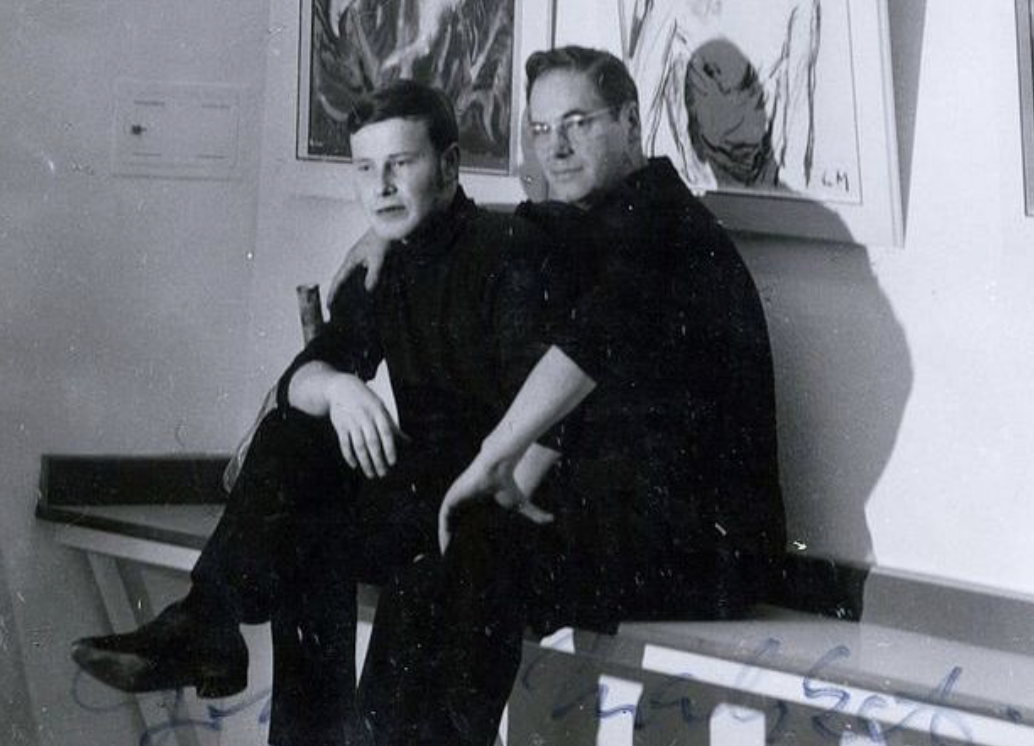
Lothar Malskat
German restorer who, hired to restore medieval frescoes in Lübeck's Marienkirche after WWII, simply painted new 'medieval' murals himself — including turkeys, unknown in medieval Europe. He remarkably reported his own fraud, and the ensuing trial inspired Günter Grass's 'The Rat'.
Geert Jan Jansen
Dutch forger who flooded the European market with fakes attributed to Karel Appel, Picasso, Matisse, and others — reportedly so convincing that Appel himself once authenticated a Jansen forgery. Arrested in France in 1994, he was released on a technicality and now sells signed 'Jansen' works openly.
The Just Judges (Ghent Altarpiece panel)
A lower-left panel of the Ghent Altarpiece, stolen in 1934 and never recovered — the most sought-after missing artwork in Europe. A painted copy stands in its place.

Green Vault (Grünes Gewölbe)
One of Europe's oldest treasure chambers, inside Dresden's Royal Palace, robbed of royal jewels in 2019.

When Columbus Met Climate Activism
Two activists from Futuro Vegetal threw biodegradable red paint at José Garnelo's 1892 'First Tribute to Christopher Columbus' before unfurling banners protesting Spain's National Day.

The Man Who Punched a Monet
A man punched Claude Monet's 'Argenteuil Basin with a Single Sailboat', tearing a hole through the canvas — later claiming he was protesting the European Union's influence on Ireland.

Fewer Seasons Left to Paint
An activist adhered a printed image of Monet's 'Poppy Field' transformed by a warmer climate onto its protective glazing, then glued a hand to the gallery wall.