Results for “portrait”
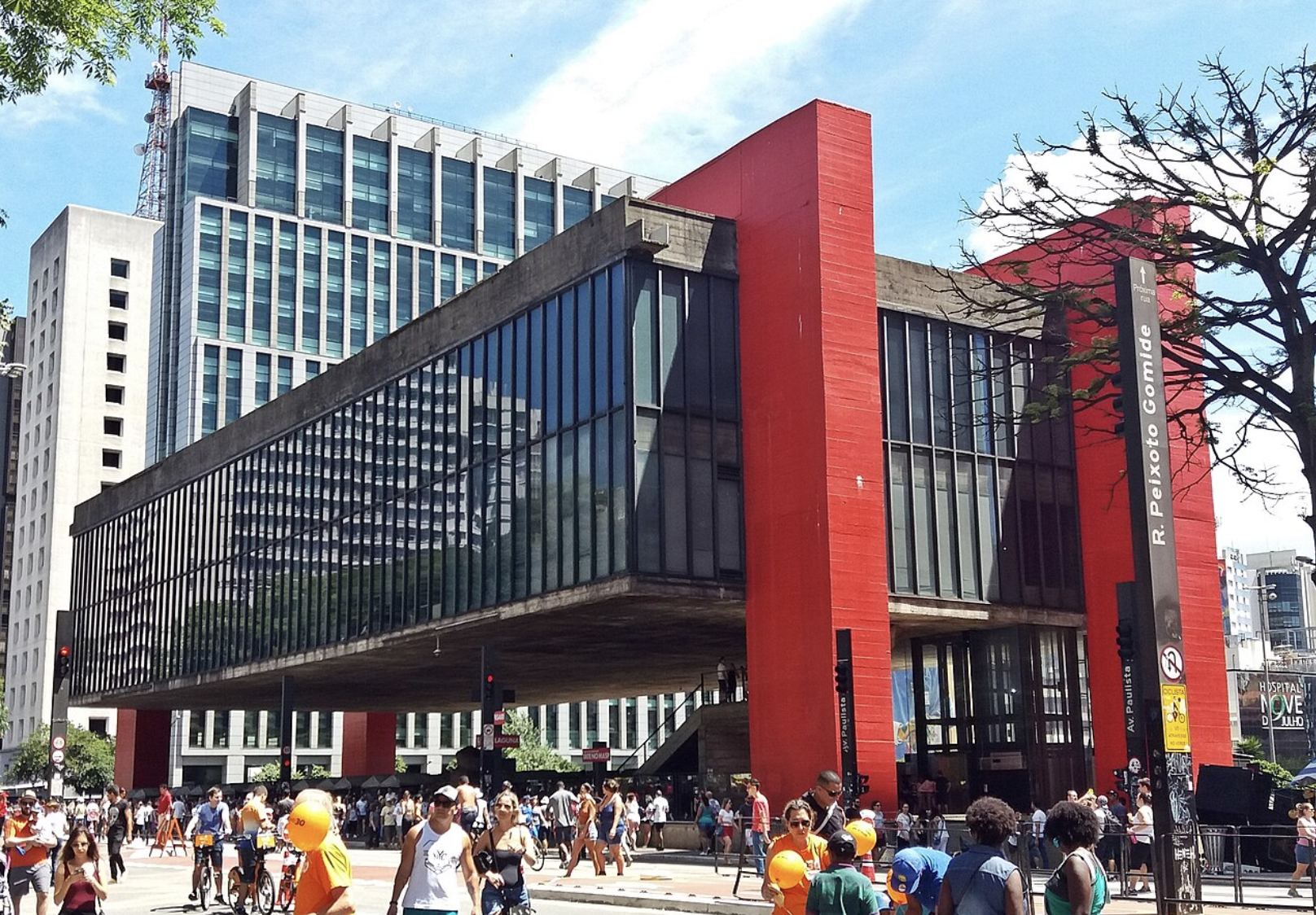
The São Paulo Museum of Art Theft
Thieves used a car jack and crowbar to break into MASP before dawn in 2007 and took Picasso's 'Portrait of Suzanne Bloch' and Portinari's 'O Lavrador de Café'. Both were recovered months later.

The Dulwich Rembrandt Theft (1966)
Rembrandt's small portrait 'Jacob de Gheyn III' was stolen from Dulwich in 1966 — the first of four thefts that earned it the nickname 'the Takeaway Rembrandt'. Each time, it came back.

The 1911 Theft of the Mona Lisa
On the morning of 21 August 1911, the Mona Lisa vanished from the walls of the Louvre. For twenty-eight months it was gone — and in its absence it became an icon.
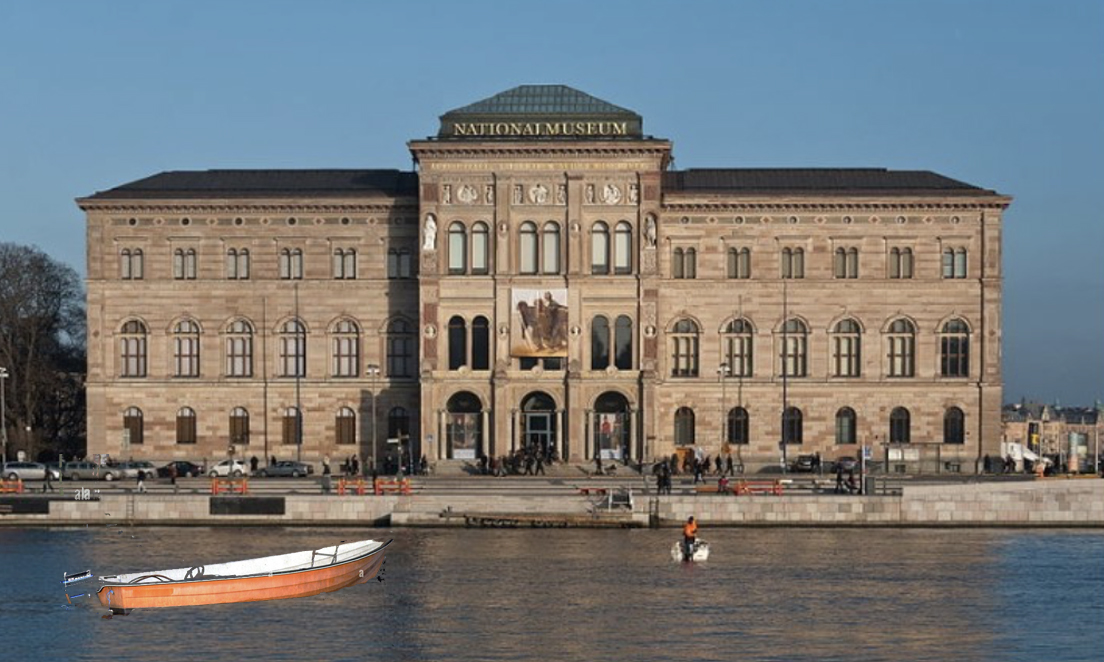
The Nationalmuseum Sweden Robbery
On New Year's Eve 2000, armed men seized a Rembrandt self-portrait and two Renoirs from Stockholm's Nationalmuseum and escaped by boat, using car fires as a diversion. All three were eventually recovered.

Robert Mapplethorpe
American photographer whose refined, provocative images of flowers, portraits, and homoerotic and BDSM subjects made him a defining figure of late-20th-century art. His touring retrospective 'The Perfect Moment' ignited the U.S. culture wars and led to the first criminal obscenity trial of an American museum.
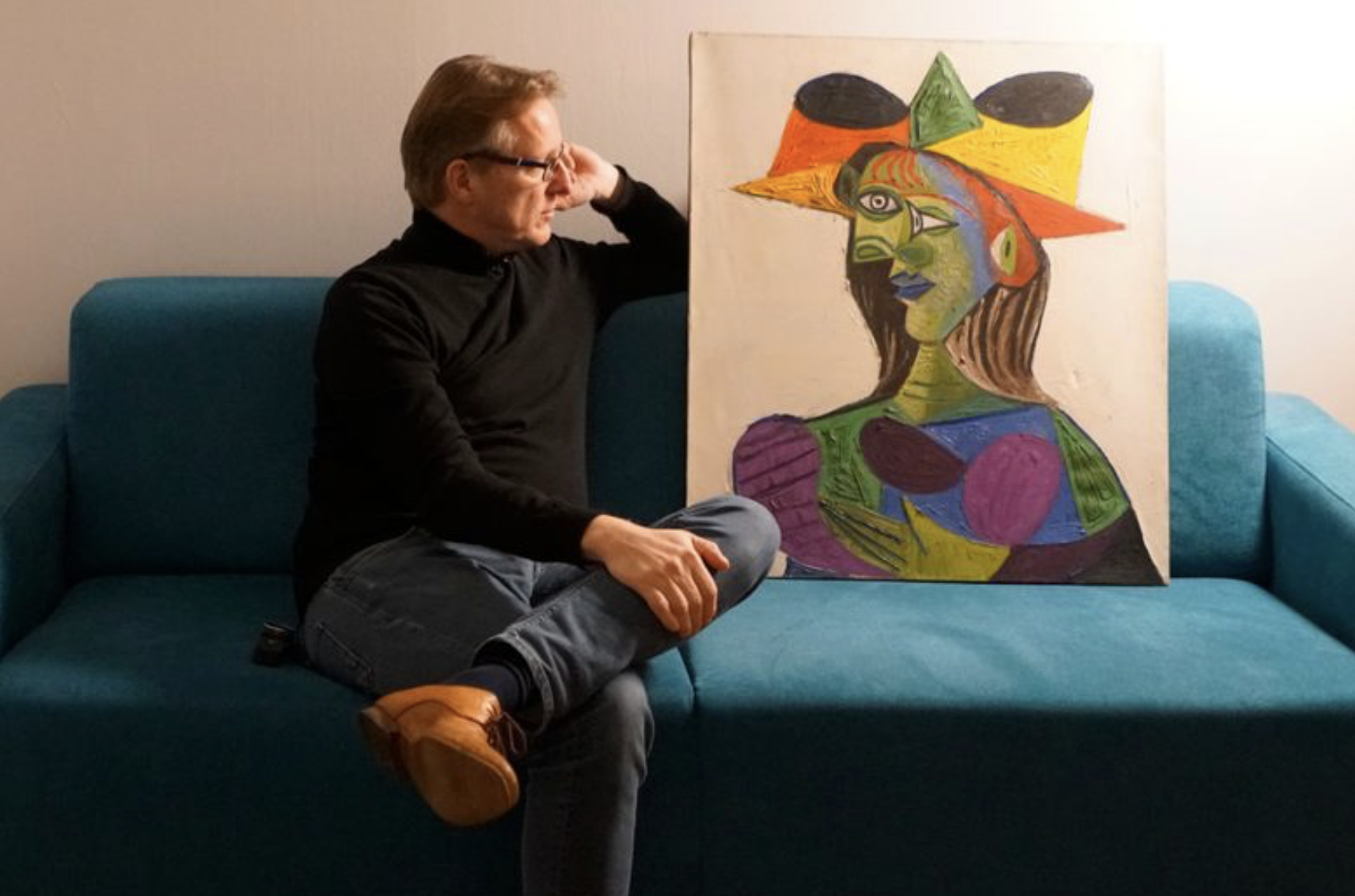
Arthur Brand
Dubbed the 'Indiana Jones of the art world', Arthur Brand is a Dutch art detective who has recovered a remarkable string of stolen and looted works by working the grey zone between the underworld and the market. His finds include the monumental bronze horses sculpted for Hitler's Reich Chancellery ('Hitler's Horses'), a Picasso portrait of Dora Maar missing for two decades, Oscar Wilde's ring, and a Van Gogh spirited away during the pandemic. He operates through informants and patient negotiation rather than force, arguing that most stolen art is never sold but circulates as underworld collateral.

Diego Rivera
Mexican muralist whose 'Man at the Crossroads' at Rockefeller Center was destroyed in 1934 after he refused to remove a portrait of Lenin — one of history's most famous acts of art censorship by a patron.

Richard Prince
Richard Prince (born 1949) is one of the most influential—and controversial—artists of the appropriation art movement. Since the late 1970s, he has built a career by rephotographing advertisements, magazine images, social media posts, and other existing works, challenging traditional ideas of originality, authorship, and copyright. His most significant legal battle came in Cariou v. Prince (2013), when photographer Patrick Cariou sued Prince for using dozens of his photographs without permission in the Canal Zone series. In a landmark decision, the U.S. Court of Appeals ruled that most of Prince's works were sufficiently "transformative" to qualify as fair use, fundamentally reshaping American copyright law for contemporary artists. While celebrated by many as a victory for artistic freedom, the case remains deeply divisive, with critics arguing it weakened protections for photographers and creators. Prince has continued to court controversy, most notably with his New Portraits series, in which he enlarged Instagram posts, added his own comments, and sold the resulting works for hundreds of thousands of dollars—once again igniting debates over appropriation, ownership, and where inspiration ends and infringement begins.
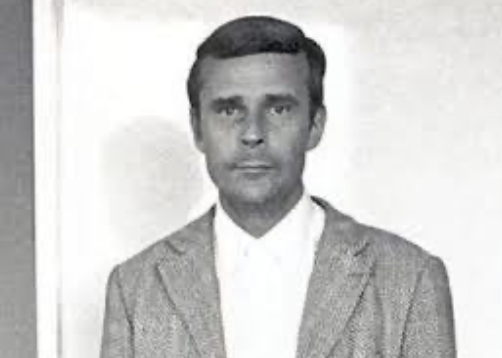
Hans-Joachim Bohlmann
Between 1977 and 2006, the German serial vandal attacked more than 50 paintings, inflicting damage estimated at over 270 million Deutsche Marks (roughly €138 million). Armed not with knives or hammers, but bottles of concentrated sulfuric acid, he permanently scarred works by Rembrandt, Peter Paul Rubens, Albrecht Dürer, Lucas Cranach the Elder, and Paul Klee, becoming one of the most destructive figures in the history of museum crime. Bohlmann's life was marked by severe mental illness from adolescence. After years of psychiatric treatment—including electroshock therapy, heavy medication, and even a controversial lobotomy that failed to improve his condition—his life took a tragic turn in 1977 when his wife died after falling from a window while cleaning their apartment. Bohlmann later claimed her death triggered his attacks on art. Just days after the funeral, he purchased sulfuric acid and began targeting museums. His first museum victim was Paul Klee's Golden Fish at Hamburg's Kunsthalle. Within months, museums across Germany were on edge as he moved from city to city, spraying acid directly onto paintings. He frequently aimed at the faces of portraits, seeking to inflict the greatest possible damage. Among his most devastating attacks were acid assaults on Lucas Cranach the Elder's portraits of Martin Luther and Katharina von Bora, Rubens's Archduke Albrecht, several Rembrandts in Kassel, and in 1988, three masterpieces by Albrecht Dürer at Munich's Alte Pinakothek, causing an estimated €35 million in damage. Arrested repeatedly, Bohlmann served prison sentences and spent years in psychiatric hospitals, but each release was followed by new attacks. Even after authorities prohibited him from purchasing sulfuric acid, he turned to arson before eventually returning to museum vandalism. In a strange twist, Bohlmann participated in art therapy during his confinement, producing roughly 1,500 paintings over nine years. The treatment, however, did little to curb his destructive impulses. His final major attack came in 2006 at Amsterdam's Rijksmuseum, where he doused Bartholomeus van der Helst's monumental Banquet of the Amsterdam Civic Guard in Celebration of the Peace of Münster with lighter fluid and set it ablaze. Fortunately, most of the damage was confined to the painting's varnish layer, allowing conservators to restore the work. Unlike most criminals featured in art history, Bohlmann wasn't driven by money or prestige. He wanted recognition through destruction. Every attack generated headlines, reinforced his notoriety, and forced museums to confront an unsettling reality: one determined individual with a small bottle of acid could inflict damage that centuries of history could never fully repair.
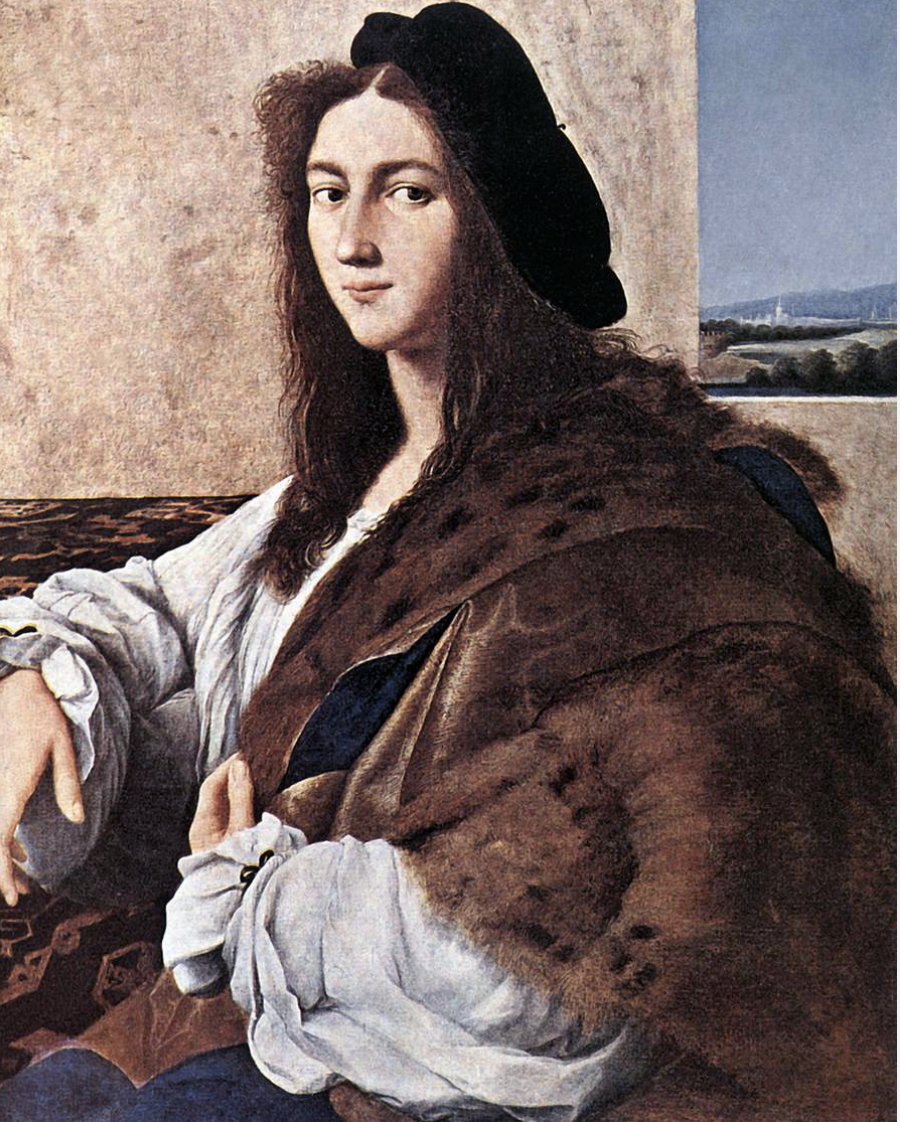
Portrait of a Young Man
Widely considered the most important painting still missing since the Second World War. Looted by the Nazis from Poland's Czartoryski collection and last seen in 1945. Known today mainly from a pre-war photograph.

Woman with a Fan
Modigliani's elegant portrait, the best-known of the five works stolen from the Musée d'Art Moderne de Paris in 2010.

The Blue Boy
Gainsborough's celebrated portrait, whose 1921 sale abroad caused a national outcry in Britain. Now at the Huntington in California.
Mona Lisa
Leonardo's enigmatic portrait, likely of Lisa Gherardini. Its 1911 theft — and the two years it spent missing — turned a well-regarded Renaissance panel into the most recognized painting on earth.

Portrait of the Duke of Wellington
Goya's portrait of the Iron Duke, stolen from London's National Gallery in 1961 by Kempton Bunton in protest at the TV licence fee — an episode later dramatised in film. Returned in 1965.

The Painter on the Road to Tarascon
A self-portrait of Van Gogh walking to work, held in Magdeburg and believed destroyed by fire in Germany during the Second World War. Survives only in reproductions.

The Polish Rider
A Rembrandt (or workshop) equestrian portrait at the Frick Collection — the subject of theft scares and attribution battles, but never successfully stolen.
Portrait of Jacob de Gheyn III
The small Rembrandt portrait from Dulwich known as 'the Takeaway Rembrandt' — stolen four times and recovered every time, earning it the record for most-frequently-stolen artwork.

Self-Portrait (etching)
A postage-stamp-sized Rembrandt self-portrait etching, the smallest of the objects taken in the 1990 Gardner heist.
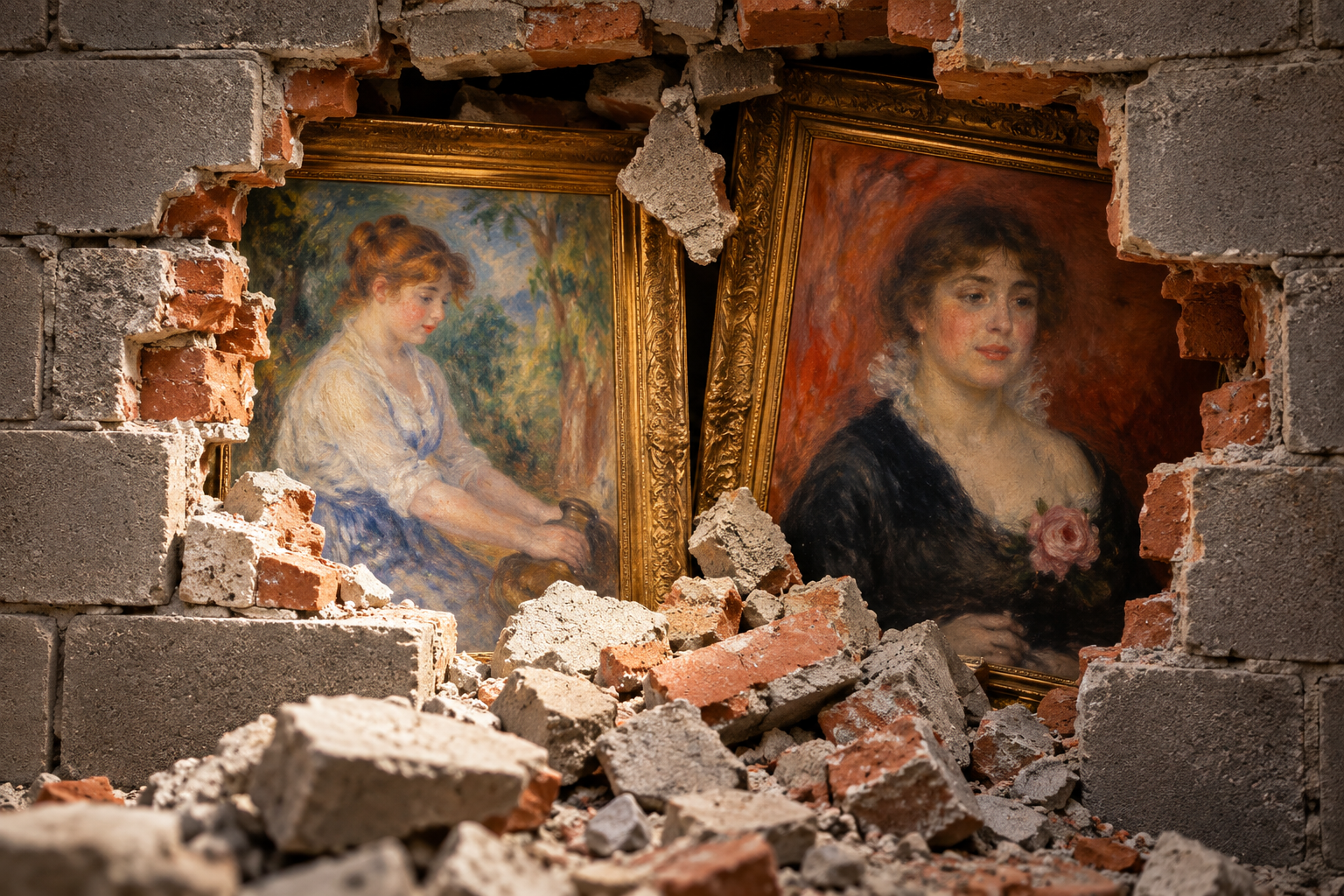
Renoir's Recovered!: Bricked-Up Beauties & Bungling Burglars
Two stolen Renoirs, a cinderblock wall, and a trail of DNA. French police have recovered $4.7 million worth of Paintings. The works (and the thieves’ getaway plan) had a few holes in them.
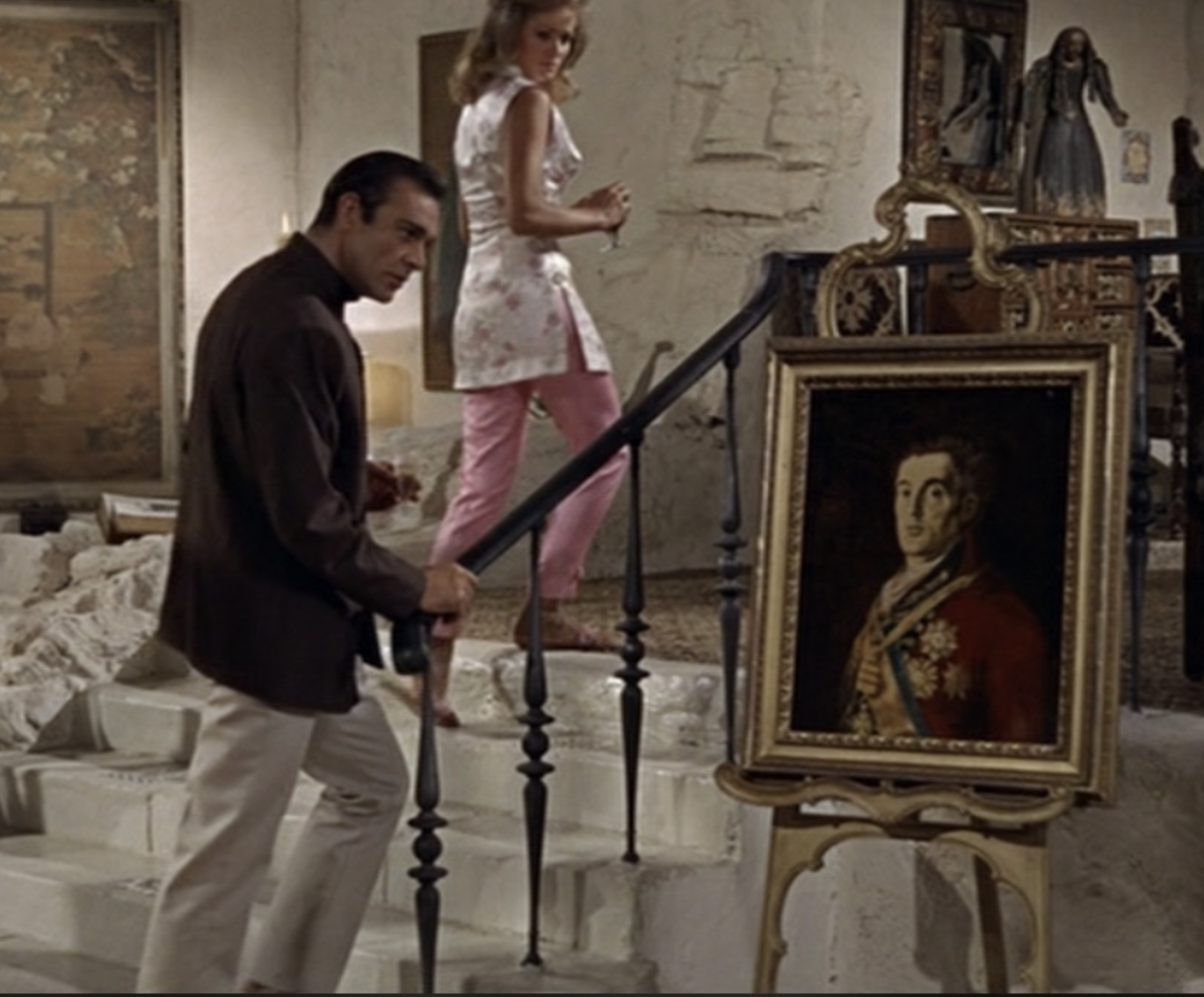
So You Stole a Masterpiece. Now What?

The Princess, the Madonna, and a Wild Water Fight
A 19-year-old man allegedly hurled water at two centuries-old paintings — Ingres' 'The Princesse de Broglie' and Girolamo dai Libri's 'Madonna and Child with Saints' — and tore tapestries from the walls during a bizarre outburst at the Met.

No Cheese, Gromit
Weeks after King Charles III's official portrait was unveiled, two activists pasted an image of Wallace over the King's face and a speech bubble reading 'No cheese, Gromit. Look at all this cruelty on RSPCA farms!'