Results for “france”

The Marmottan Monet Theft
In 1985 armed robbers took nine works from the Marmottan, including Monet's 'Impression, Sunrise' — the painting that gave Impressionism its name. All were recovered five years later in Corsica.
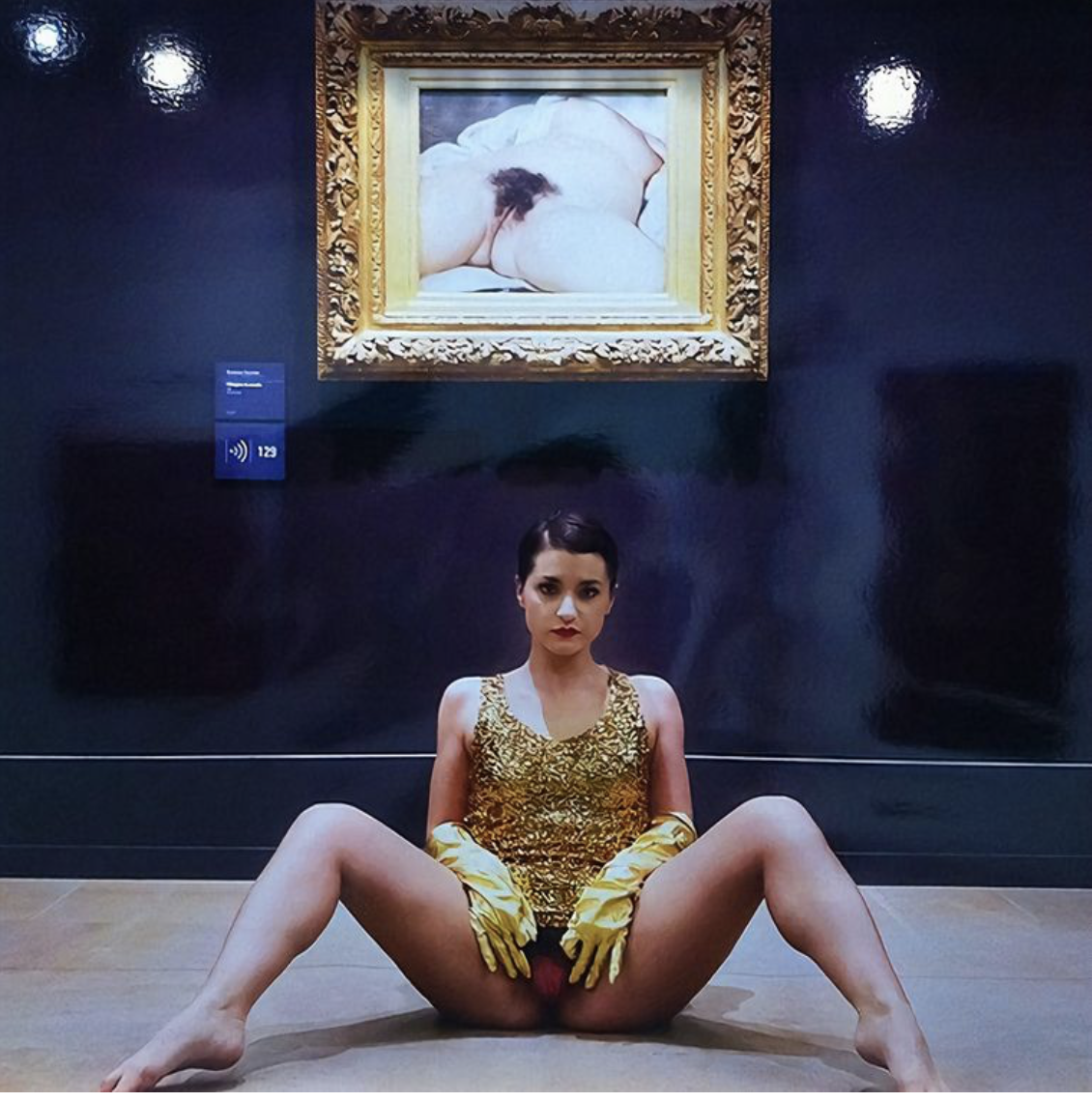
Deborah De Robertis's Museum Interventions
Deborah De Robertis stages unauthorised performances before canonical artworks — Courbet's 'Origin of the World', the Mona Lisa — exposing her body to reflect the museum's gaze back on itself, and drawing repeated police complaints.

The 1911 Theft of the Mona Lisa
On the morning of 21 August 1911, the Mona Lisa vanished from the walls of the Louvre. For twenty-eight months it was gone — and in its absence it became an icon.

Piss Christ and the Culture Wars
Andres Serrano's 'Piss Christ' — a crucifix immersed in the artist's urine — ignited a firestorm over public arts funding, drawing denunciations from the U.S. Senate, vandalism, and death threats that continue decades later.

The 2025 Louvre Crown Jewels Heist
On 19 October 2025, four men disguised as construction workers used a boom lift to enter the Louvre's Galerie d'Apollon, smashed the display cases of the French Crown Jewels, and escaped in under ten minutes with eight historic objects worth an estimated €88 million. Most remain missing.

The Musée d'Art Moderne de Paris Theft
In 2010 a lone burglar removed five paintings — Picasso, Matisse, Braque, Léger, Modigliani — from the Paris Museum of Modern Art. The thief was caught; the paintings never resurfaced.

France Returns Looted Syrian Antiquities
As Syria's civil war fuelled a flood of looted antiquities onto the market, France intercepted and returned a group of trafficked objects — part of a wider fight against the 'blood antiquities' financing conflict.

The Tiara of Saitaphernes
In 1896 the Louvre triumphantly bought a golden tiara as a priceless Scythian-Greek antiquity. It was in fact made a few years earlier by the Odessa goldsmith Israel Rouchomovsky — and the 1903 exposure became one of the great museum humiliations in history.

Stéphane Breitwieser
Stéphane Breitwieser (born 1971) is widely regarded as the most prolific art thief in modern history. Between 1994 and 2001, the Frenchman stole more than 300 works of art from approximately 200 museums, galleries, churches, and castles across Europe, amassing an estimated collection worth between $1.4 and $2 billion. Unlike nearly every other notorious art thief, Breitwieser wasn't motivated by money. He never worked for organized crime, never accepted commissions from wealthy collectors, and almost never sold what he stole. Instead, he stole simply because he wanted to live surrounded by great art. Breitwieser and his girlfriend, Anne-Catherine Kleinklaus, targeted small museums with minimal security. While she acted as a lookout, he quietly removed paintings, sculptures, clocks, ivory carvings, and other treasures before calmly walking out the front door. His methods were remarkably simple: no weapons, no violence, no smashed display cases — just confidence, patience, and an eye for vulnerable institutions. After each theft, Breitwieser brought the works to his mother's attic in Mulhouse, France, where he transformed the space into a secret private museum. He spent hours admiring the collection, arranging and rearranging masterpieces by artists including Brueghel, Cranach, Watteau, and Boucher. His obsession was with possession, not profit. His extraordinary run ended in 2001 after he stole a medieval hunting horn from the Richard Wagner Museum in Switzerland. A museum employee noticed the theft almost immediately, and police arrested him before he could escape. As investigators closed in on the hidden collection, Breitwieser's mother, fearing a police search, destroyed many of the stolen works — cutting paintings, smashing sculptures, and disposing of priceless objects in canals and garbage bins. The destruction of these irreplaceable artworks remains one of the greatest cultural losses associated with the case. Breitwieser's story is chronicled in Michael Finkel's bestselling book 'The Art Thief', which explores the psychology of a man who saw himself less as a criminal than as a passionate collector. His crimes continue to spark debate among criminologists, museum professionals, and art historians: was he an obsessive aesthete, a compulsive thief, or simply a criminal who happened to have exquisite taste? For followers of Crimes of Art, Breitwieser represents a rare kind of art criminal. He didn't steal for wealth or notoriety — he stole for beauty. His story challenges conventional ideas about motive, ownership, and the lengths to which one person will go to possess the world's greatest works of art.
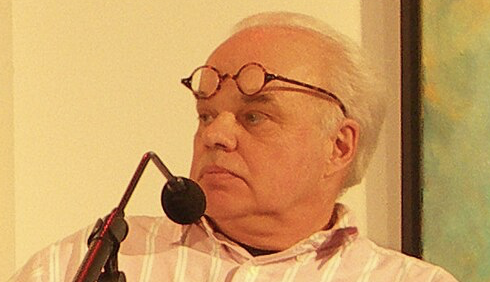
Geert Jan Jansen
Dutch forger who flooded the European market with fakes attributed to Karel Appel, Picasso, Matisse, and others — reportedly so convincing that Appel himself once authenticated a Jansen forgery. Arrested in France in 1994, he was released on a technicality and now sells signed 'Jansen' works openly.

Guy Hain
A former veterinary salesman turned art dealer, Hain developed an obsession with French bronze sculpture after buying Rodin's The Kiss in the 1960s. Before long, he had gained access to the original molds and production plasters once used by the famed Rudier foundry—the same foundry that had cast many of Auguste Rodin's bronzes during the artist's lifetime. For a forger, it was the equivalent of finding the recipe instead of trying to guess the ingredients. Using the original molds, Hain commissioned newly cast bronzes that were virtually indistinguishable from legitimate examples. He allegedly stamped many of them with the prestigious Alexis Rudier foundry mark before selling them through galleries and auction houses as authentic early casts. Experts struggled to tell the difference because, technically, the sculptures had been made from the same molds as the originals. Rodin was only the beginning. Hain expanded his operation to include works after Camille Claudel, Antoine-Louis Barye, Aristide Maillol, Jean-Baptiste Carpeaux, Pierre-Auguste Renoir, and dozens of other celebrated sculptors. Investigators later estimated he had produced more than 6,000 unauthorized bronzes, effectively flooding the market with sculptures that looked entirely legitimate. French authorities finally intervened in 1992, seizing roughly 20 tons of bronze sculptures from foundries and workshops across France. Hain was convicted of forgery in 1997 and sentenced to four years in prison, though he served only about 18 months. That wasn't the end of the story. After his release, Hain allegedly resumed production, dividing the casting, chasing, and patination among different foundries to make the operation harder to trace. He was arrested again in 2002, and investigators uncovered more than 1,100 additional sculptures representing the work of 98 different French artists. The scandal rattled collectors and auction houses alike. Even respected firms, including Christie's and Sotheby's, had unknowingly sold Hain's bronzes, forcing experts to reexamine decades of sales and raising uncomfortable questions about how many suspect sculptures remain in private collections. Guy Hain's greatest trick wasn't making fake bronzes. It was proving that even when a sculpture comes from the original mold, authenticity isn't always cast in bronze.
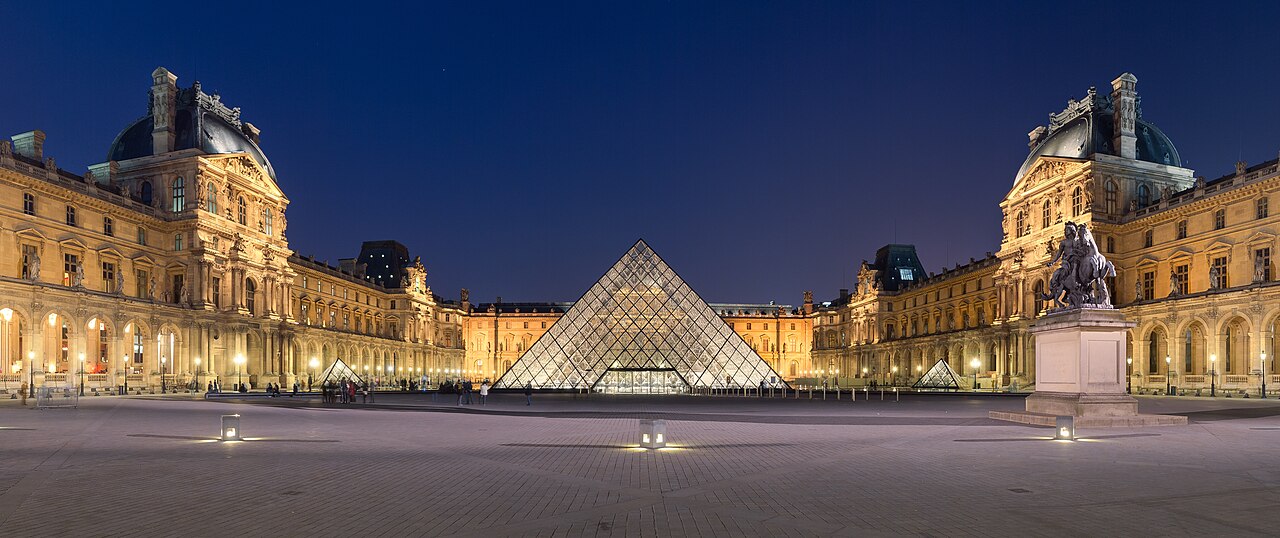
The Louvre
The world's most visited museum, the Louvre has been both a target and a fortress of cultural heritage. Its 1911 loss of the Mona Lisa transformed the painting into a global icon and reshaped museum security forever.

Musée Marmottan Monet
Holder of the world's largest Monet collection, robbed at gunpoint in 1985 of the painting that named Impressionism.
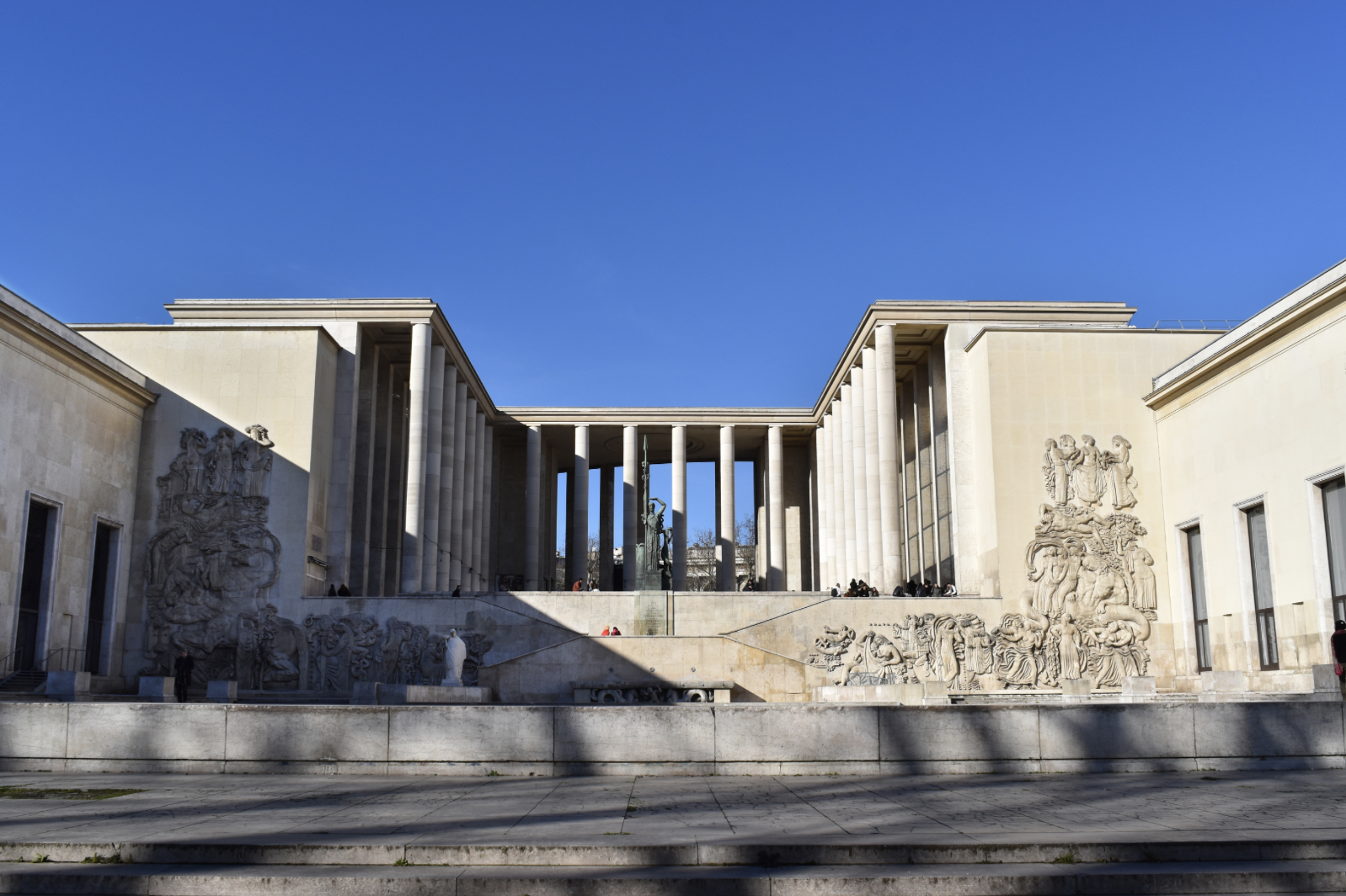
Musée d'Art Moderne de Paris
The Paris modern-art museum robbed of five masterpieces by a lone 'Spiderman' burglar in 2010.

Musée d'Orsay
The great Paris museum of Impressionism, and a repeated stage for Deborah De Robertis's provocative interventions.

Thirty Works Destroyed Overnight
Vandals broke into photographer Kamille Lévêque Jégo's exhibition 'Cyprine Benzin' overnight, destroying more than thirty photographs and videos and covering the walls with crude graffiti.

When Vandalism Became Performance Art
During a Jacques Lacan exhibition, artist Deborah De Robertis and collaborators wrote 'ME TOO' in red marker across Courbet's 'The Origin of the World' and targeted works by Louise Bourgeois and others.
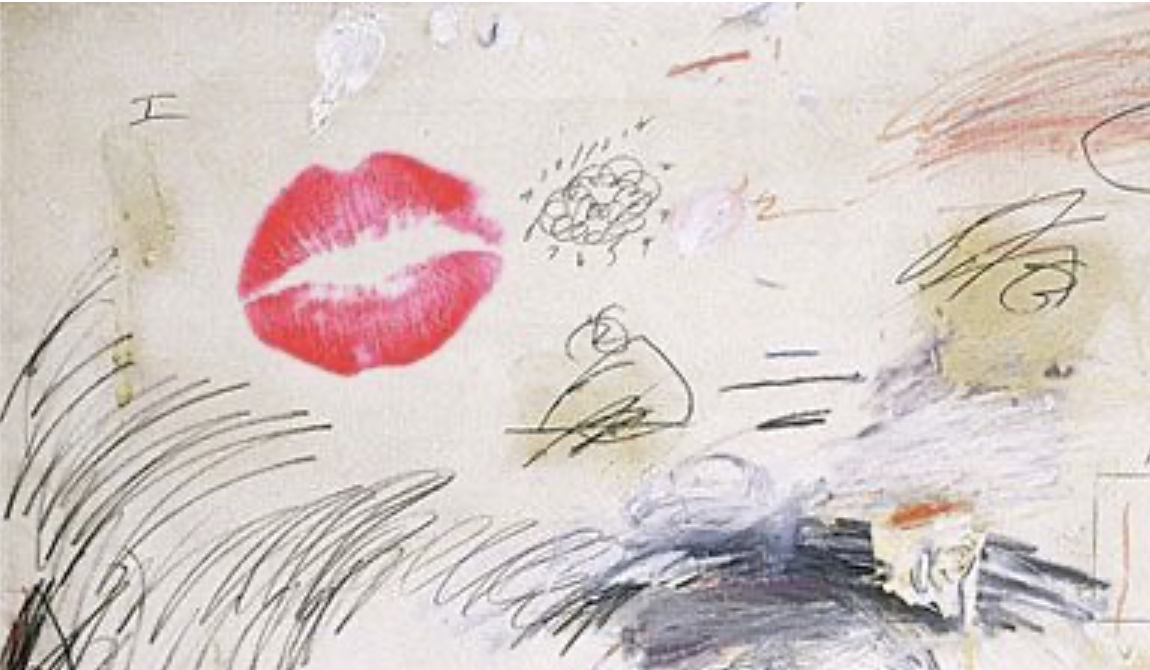
She Kiss the Art and She Liked it
Artist Rindy Sam kissed Cy Twombly's near-white 'Phaedrus', leaving a lipstick mark that required conservation. She called it an act of love; the court called it damage.