Results for “lost”

The Beltracchi Forgery Ring
Rather than copy existing paintings, Wolfgang Beltracchi invented new 'lost' works by twentieth-century masters and gave them a fake history. A single anachronistic pigment brought the whole edifice down.

Van Meegeren's Vermeer Forgeries
Han van Meegeren painted 'lost' Vermeers so convincing that they entered major collections — and one reached Hermann Göring. Accused of selling a national treasure to the enemy, he confessed to the greater crime of forgery.
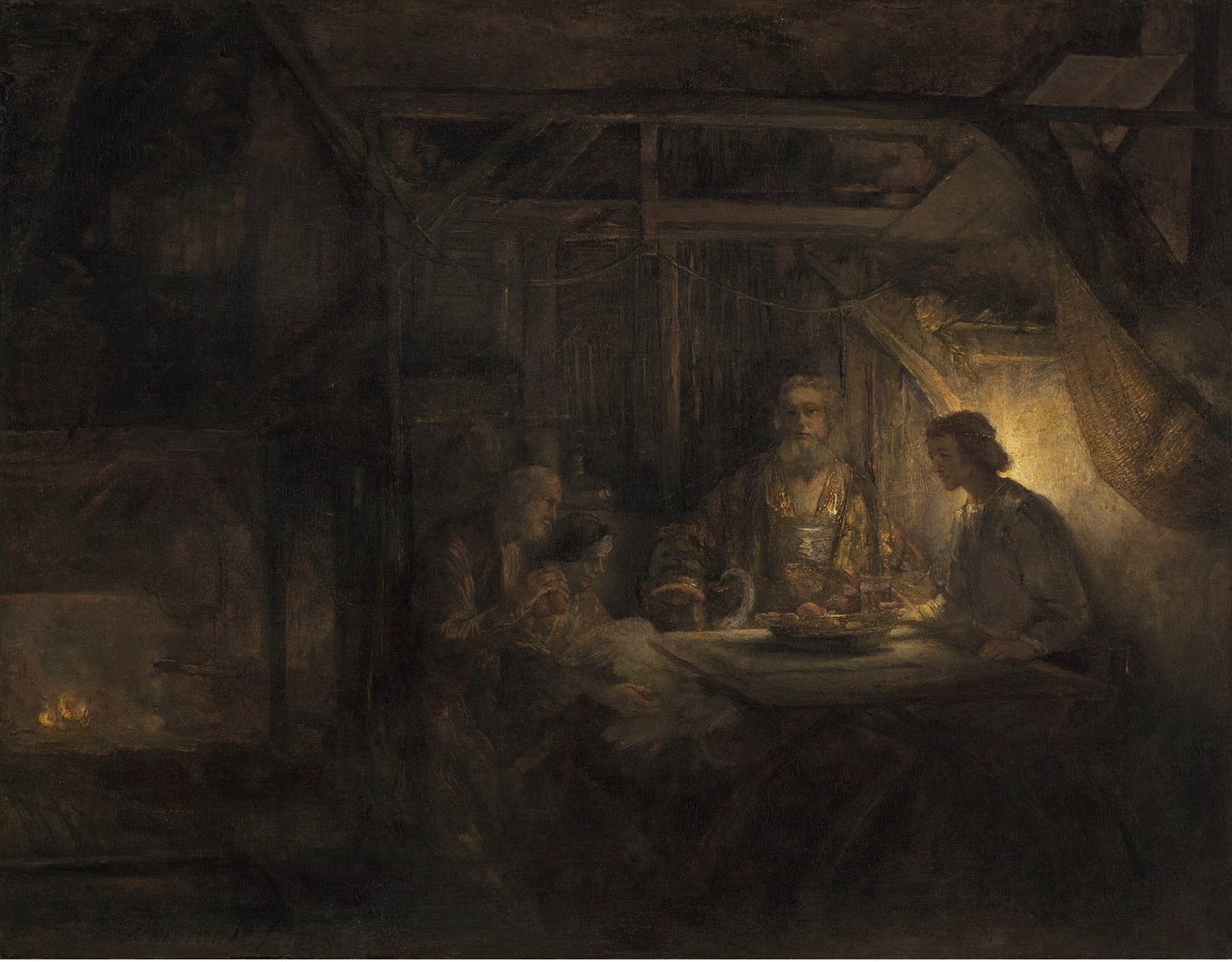
The Dulwich Picture Gallery Theft (1961)
England's oldest public picture gallery lost a group of Old Master paintings to thieves in 1961. The works were recovered, an early sign of the gallery's recurring vulnerability.

The National Museum of Iraq Looting
In the chaos following the 2003 invasion, the National Museum of Iraq was looted of thousands of objects spanning the dawn of civilisation. Recovery efforts continue two decades on.

The Mosul Museum Destruction
In 2015 ISIS filmed itself destroying Assyrian and Hatrene sculptures in the Mosul Museum, while smaller, portable antiquities were trafficked to fund the group. Much was lost forever.
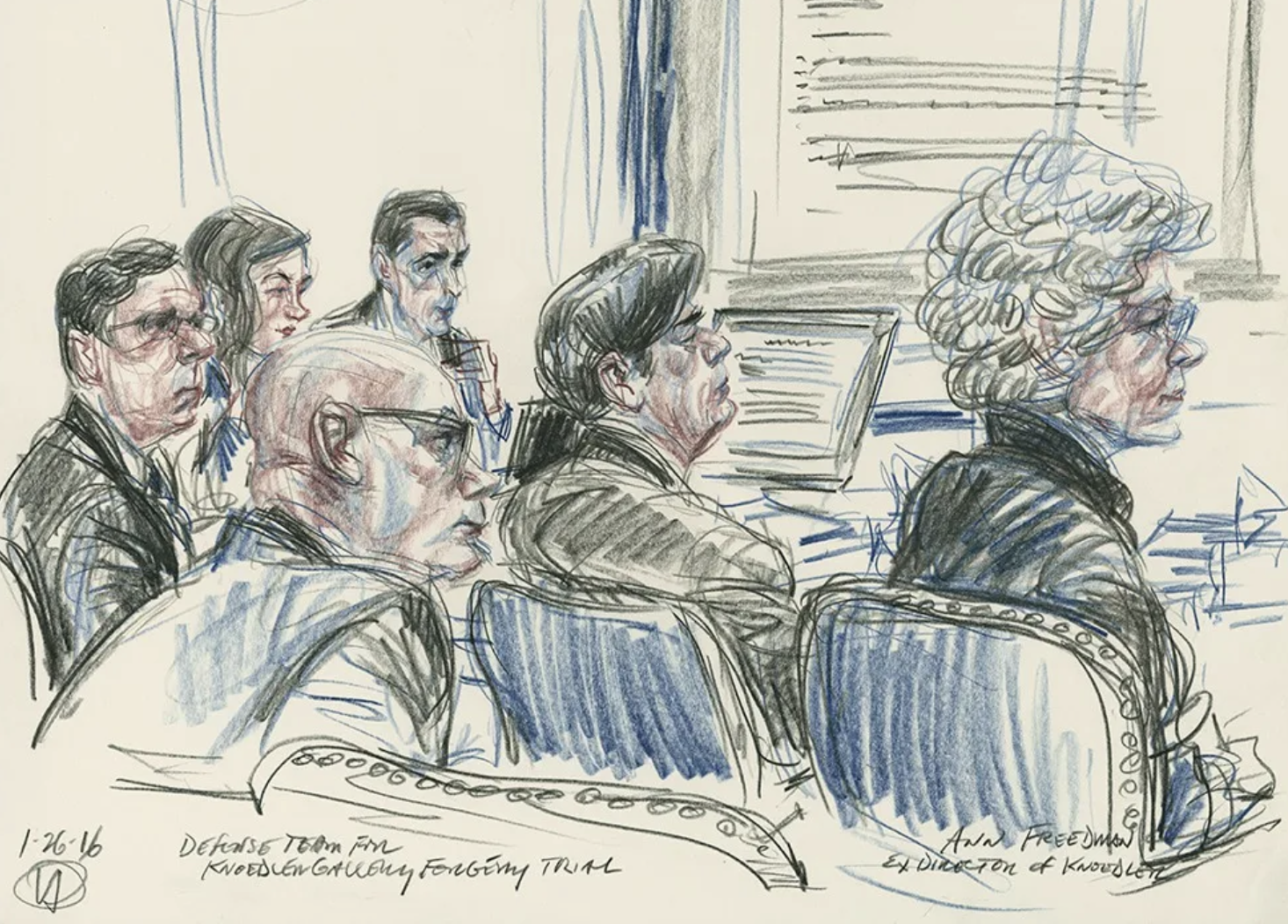
The Knoedler Gallery Forgery Scandal
For over 15 years, the venerable Knoedler gallery sold some 40 forged Abstract Expressionist paintings — fake Rothkos, Pollocks, and de Koonings painted in a Queens garage — for around $80 million, before the fraud collapsed the 165-year-old institution.
John Re
According to the FBI, Re claimed he had uncovered a hidden cache of Pollock paintings while cleaning out the East Hampton home of a deceased woodworker and antique restorer. The discovery, he suggested, had somehow remained unknown to scholars, museums, and Pollock experts for decades. If true, it would have been one of the greatest finds in modern art history. Instead, prosecutors say it became one of the largest online art fraud schemes involving Jackson Pollock. Between 2005 and 2013, Re allegedly sold more than 60 fake Pollocks through eBay and private negotiations, collecting nearly $1.9 million from hopeful buyers. To make the paintings appear more desirable, investigators say he even used shill bidders to drive up auction prices. The scheme began to unravel when collectors did what every buyer of a "lost masterpiece" eventually should—ask an expert. One painting contained materials that didn't even exist during Pollock's lifetime. The International Foundation for Art Research (IFAR) later examined 45 of the paintings and concluded they were all counterfeit. Their report noted that the works were actually too similar to one another. Ironically, the consistency that made them look convincing was exactly what gave them away. Pollock's authentic drip paintings are famously unpredictable; the fakes looked like they had all come from the same hand (and specifically not Pollack's). Another collector received an even simpler authenticity test. While examining one painting, a dealer tried to wipe away a small smudge of dirt with a damp finger. The paint came off. Despite mounting evidence, prosecutors say Re continued insisting the works were genuine, describing one in an email as "a very strong Pollock" complete with age cracks and decades of basement storage. In another message, he proclaimed he had discovered "the greatest contemporary art find in history." The FBI disagreed. Federal investigators ultimately charged Re with wire fraud, alleging the basement treasure was little more than a carefully crafted fiction supported by fake provenance, persuasive salesmanship, and the enduring hope that the next unbelievable discovery might just be real. In the art world, extraordinary discoveries do happen. The trick is remembering that extraordinary stories usually require extraordinary proof. Perhaps the strangest footnote is what Re bought with some of the money. According to the Department of Justice, one fraudulent Pollock sale helped finance the purchase of a submarine called the U.S.S. Deep Quest. As part of the criminal proceedings, federal authorities obtained a restraining order preventing him from selling the submarine while forfeiture issues were resolved. It's not often an art fraud case ends with the government seizing a submarine.
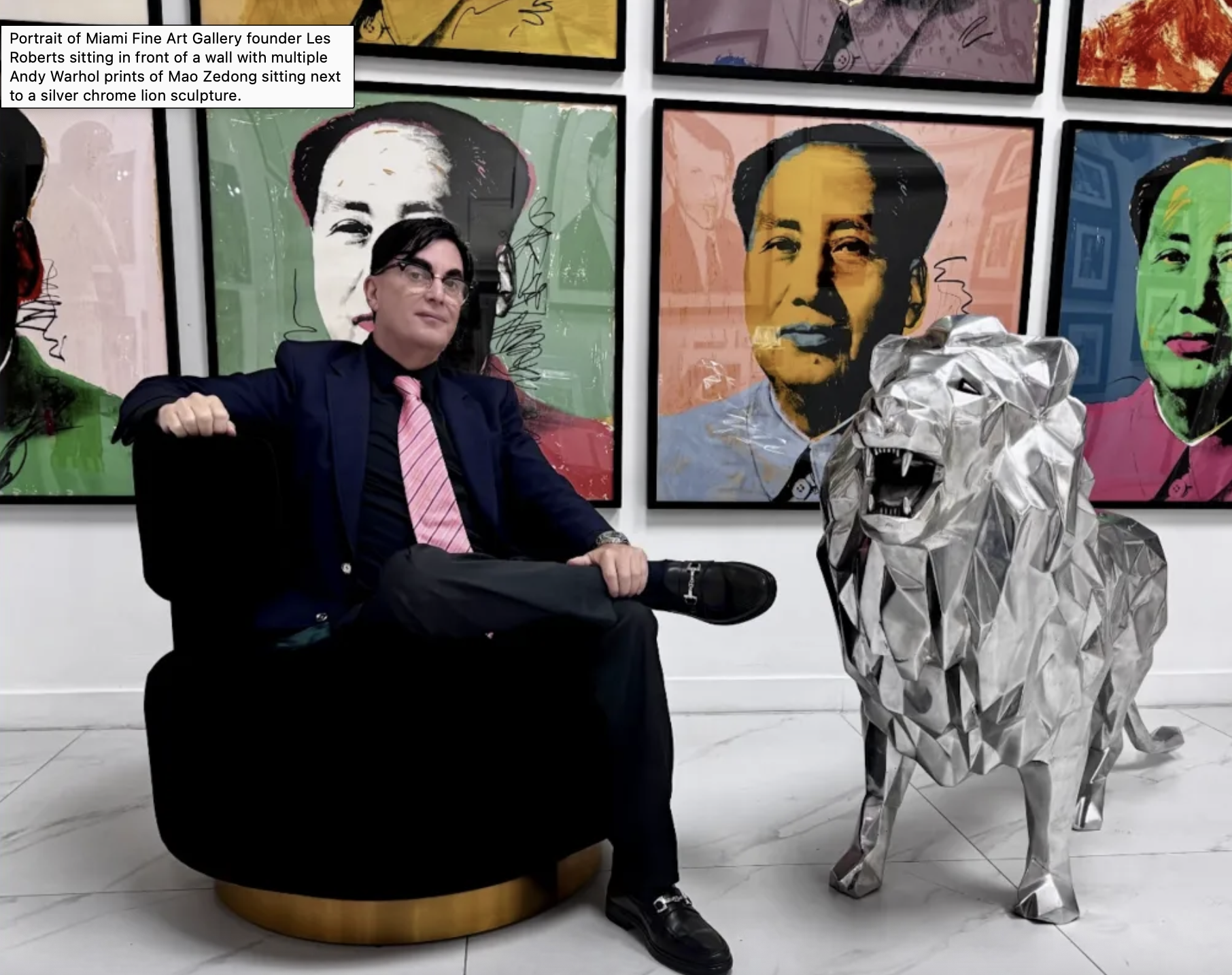
Leslie "Les" Roberts: The Art Dealer Who Just Kept Faking It
A long history of fraud, forged art, and reinvented galleries now intersects with the FBI investigation surrounding Dane Fine Art. For Leslie “Les” Roberts, the art business has apparently never been short on drama. Roberts built a career selling works by some of the biggest names in modern and contemporary art. He also built a remarkably persistent relationship with the criminal justice system. His history includes financial fraud, forged artwork, fake certificates of authenticity, and repeated lawsuits from collectors. His first major fraud case came long before Warhol entered the picture. In his early twenties, Roberts worked as a stockbroker and managed an investment portfolio belonging to his great-uncle. According to The New York Times, Roberts made unauthorized transactions and convinced his uncle that an account worth millions had actually grown enormously when it had instead lost most of its value. He pleaded guilty to mail fraud and conspiracy and was sentenced to 15 years in prison. Years later, Roberts reinvented himself as an art dealer in Miami. His résumé included claims of studying at NYU and interning at Sotheby's; NYU later told Miami New Times that it had no record of Roberts attending the university. The art-world reinvention eventually produced another FBI case. Roberts operated Max in the Grove, presenting himself as a dealer specializing in Peter Max. Former FBI agent Robert Giczy became involved after a collector discovered that 13 of 17 Peter Max works, valued at approximately $635,000, appeared to have been replaced with fakes. Investigators eventually recovered more than 300 forged Max works. According to Giczy, Roberts's children helped produce the counterfeits, while fake certificates of authenticity were manufactured at the gallery. Roberts eventually pleaded guilty to mail fraud and was sentenced in 2015 to 22 months in prison. Then came Andy Warhol. In 2023, Florida collectors Richard and Judy Perlman encountered Roberts at his Miami gallery. According to their lawsuit, he told them he had a relationship with the Andy Warhol Foundation and could acquire works at below-market prices. The Perlmans ultimately say they spent more than $6.7 million on works represented as authentic Warhols. They later alleged that the works were forged. Federal prosecutors separately indicted Roberts in 2025, alleging that he sold forged Warhol works while falsely claiming that he had acquired them directly from the Warhol Foundation and supplied fraudulent invoices and authentication materials. Roberts later pleaded guilty to art-related wire fraud and is awaiting sentencing. And this is where the story connects directly to Dane Fine Art. The Perlmans' new lawsuit alleges that Roberts wasn't operating alone. It names Nathan “Nicky” Isen and his Pennsylvania gallery, Dane Fine Art, as part of an alleged pipeline supplying forged Warhol works. According to the complaint, Dane Fine Art supplied works and documentation that eventually reached Roberts's Miami operation, with the alleged network extending from Pennsylvania to Florida and Peru. Isen categorically denies wrongdoing and any connection to the alleged conspiracy. The timing is particularly interesting. The FBI searched Dane Fine Art in July 2026, describing the operation only as “court-authorized law enforcement activity.” The bureau has not publicly confirmed that the search was connected to the Perlman lawsuit. Isen, meanwhile, has his own history with federal authorities. He pleaded guilty in 2015 to money laundering after selling artwork for cash he understood to be proceeds from drug sales. He subsequently operated his Philadelphia gallery under the Dane Fine Art name. So Roberts and Dane Fine Art aren't simply two names that happen to appear in the same lawsuit. The current allegations describe something more interesting: a supply chain. One dealer allegedly provides the inventory, another provides the storefront and collectors, and authentication paperwork helps turn questionable objects into apparently legitimate works of art. That's what makes the current case worth watching. Roberts has already demonstrated how convincing a fake can become when it is surrounded by the right gallery, the right paperwork, and the right story. Now investigators are looking at whether some of the machinery behind that operation extended to Pennsylvania. For the moment, however, the allegations against Isen and Dane Fine Art remain just that—allegations. No charges have been announced against Isen in connection with the FBI searches, and he has denied wrongdoing. Still, there is something almost perfectly circular about the story: a dealer with a long history of art fraud allegedly finds another dealer willing to supply the merchandise, and the FBI eventually comes knocking on the supplier's door. Hot Tip: If you're art dealer looks too much Like WWE's Paul Bearer...RUN!
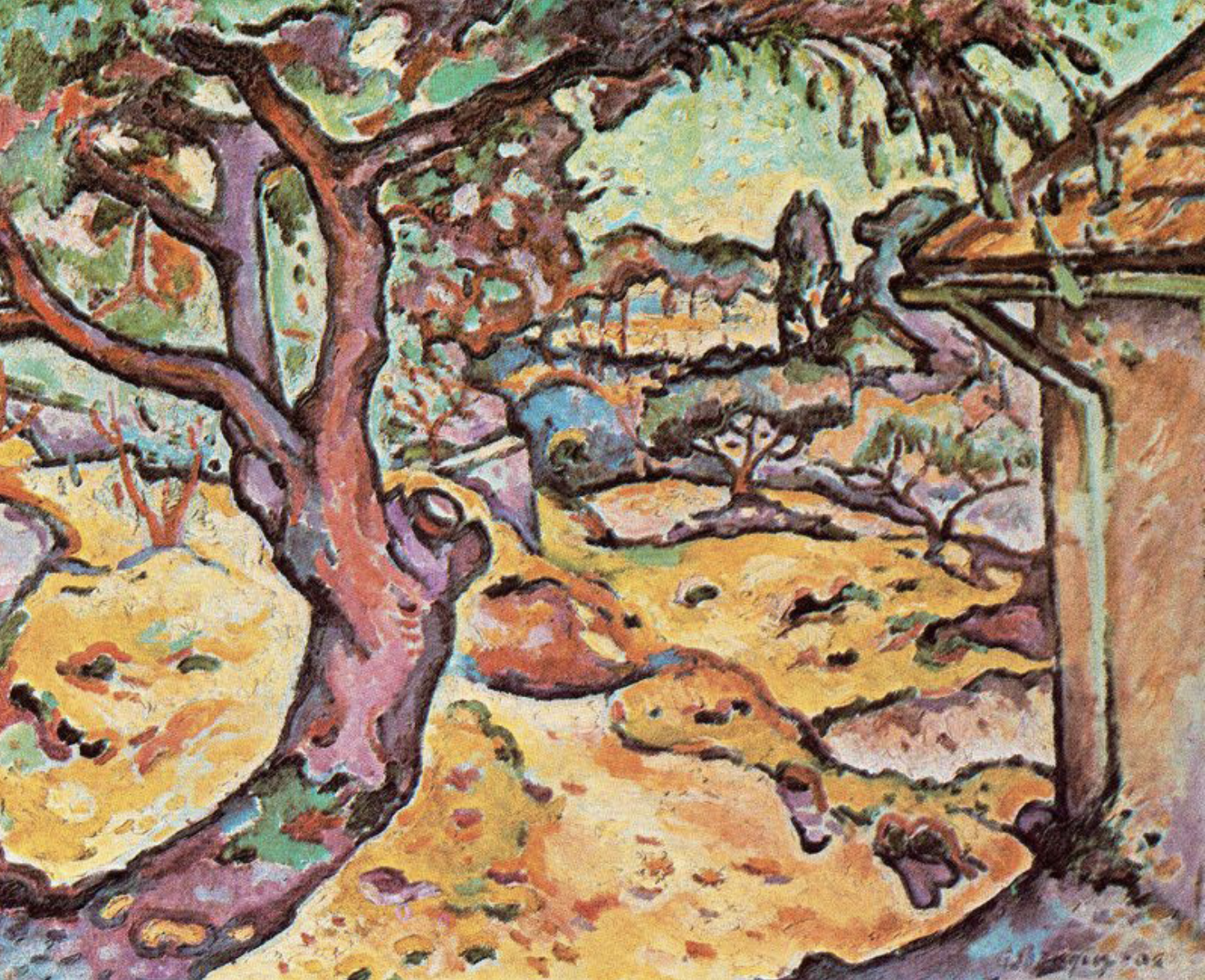
Olive Tree near l'Estaque
A Braque landscape among the five masterpieces lost in the 2010 Paris Modern theft.

The Taking of Christ
A lost Caravaggio hanging unrecognised for decades in a Dublin Jesuit residence, misattributed to a follower, until its dramatic rediscovery and authentication in 1993.

Oratory of San Lorenzo
The Palermo oratory from which Caravaggio's 'Nativity' was cut from its frame in 1969 and lost forever.
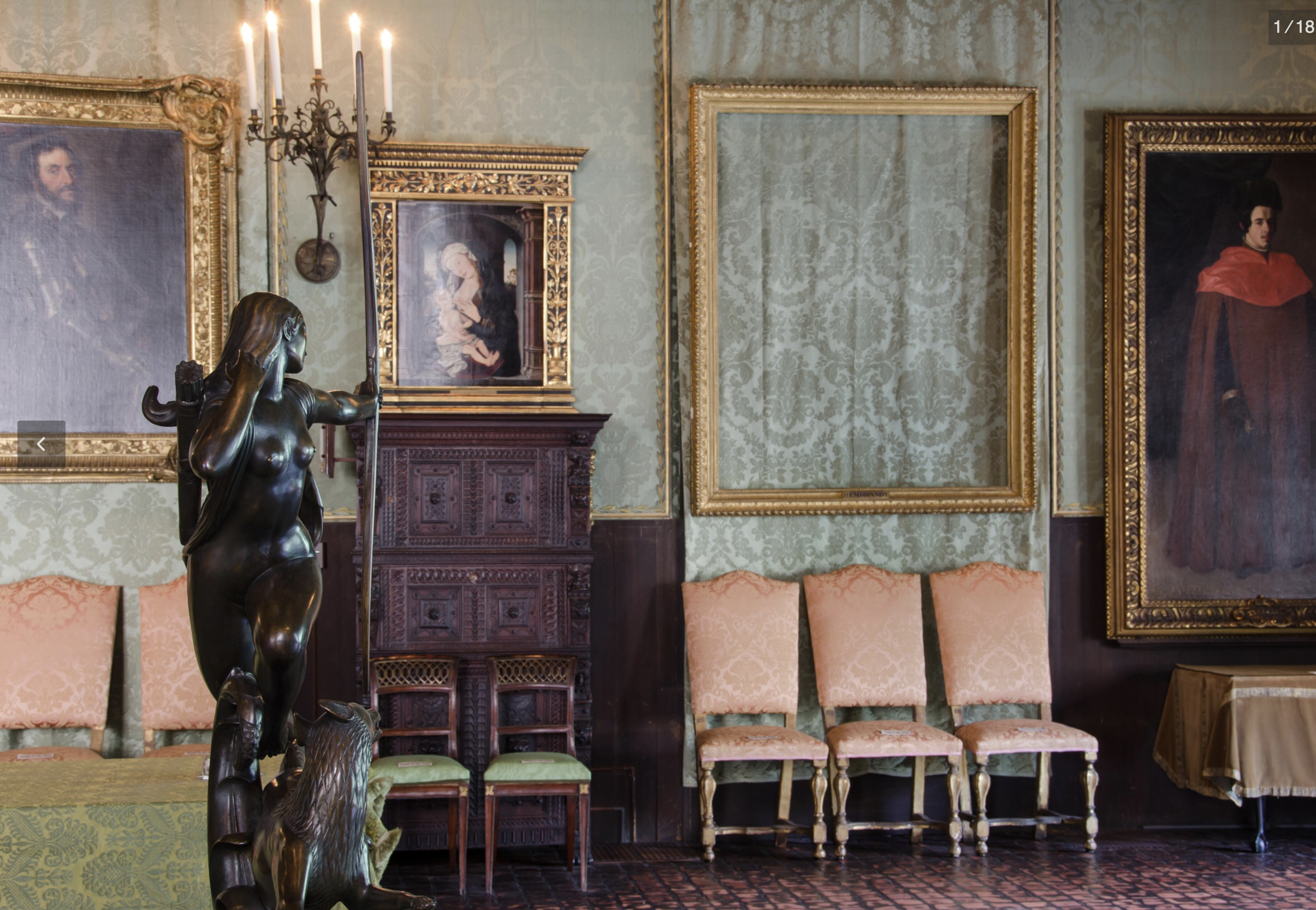
Three Decades On, the Gardner Reward Still Stands at $10 Million
The museum reaffirms its offer as investigators mark another anniversary of the unsolved 1990 heist.
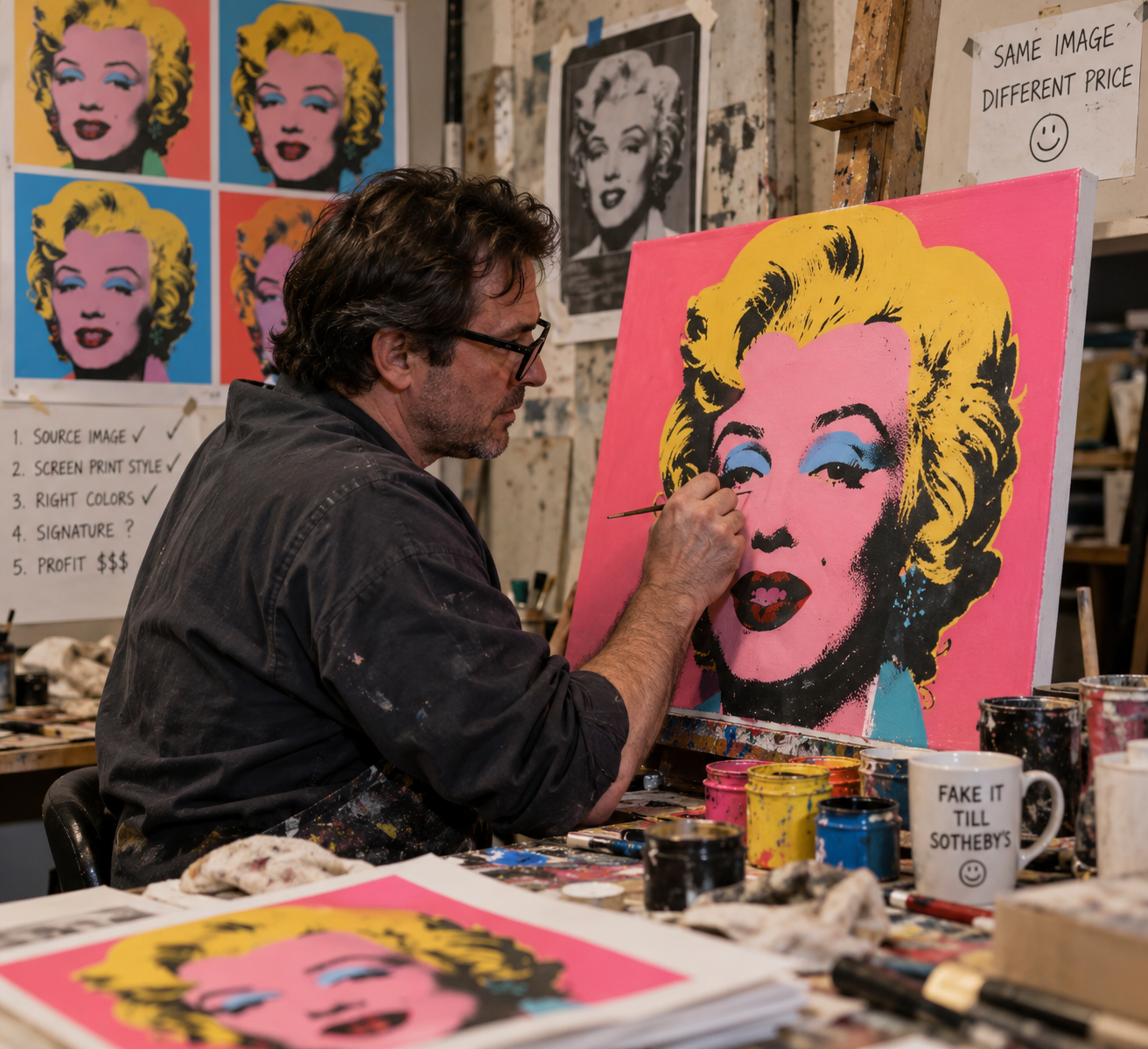
Warhol Collectors Get Bitten By The Dane!
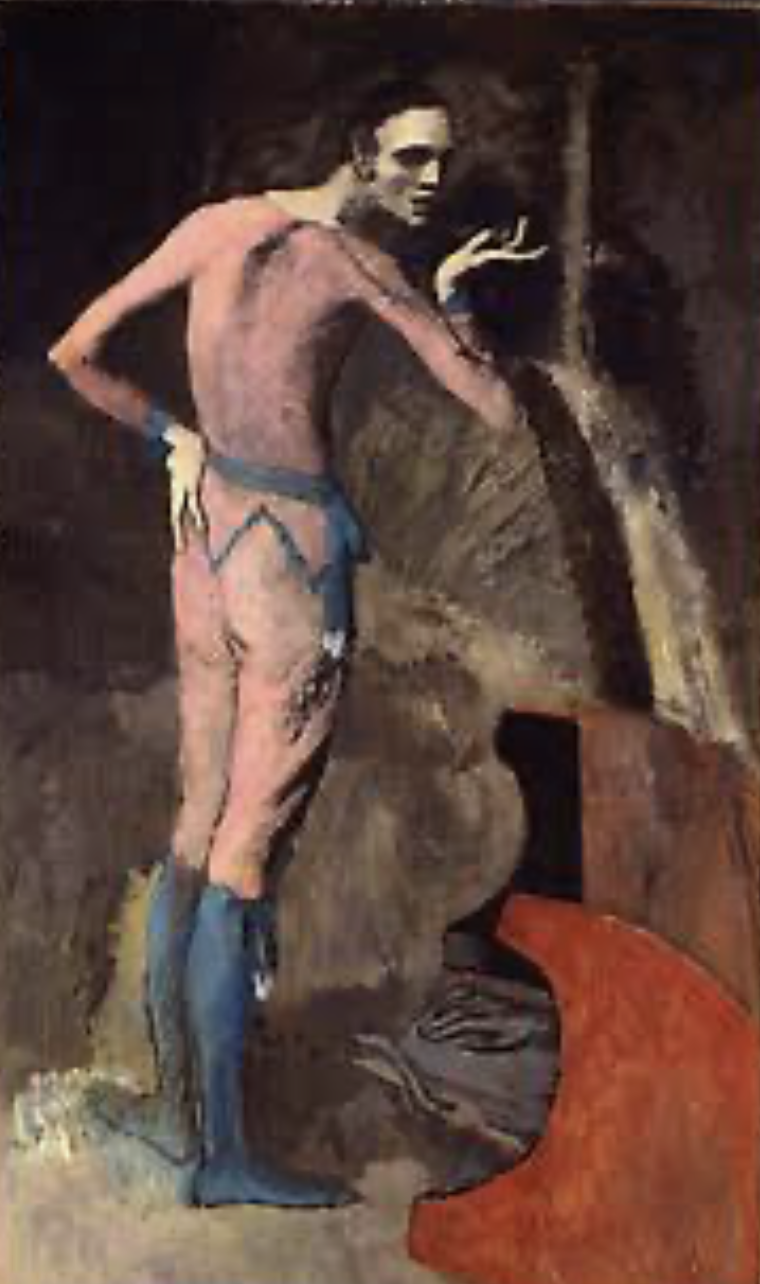
The Visitor Who Fell Into a Picasso
During an adult education class at the Met, a woman lost her balance and fell directly into Picasso's 'The Actor', opening a six-inch tear in the lower canvas.
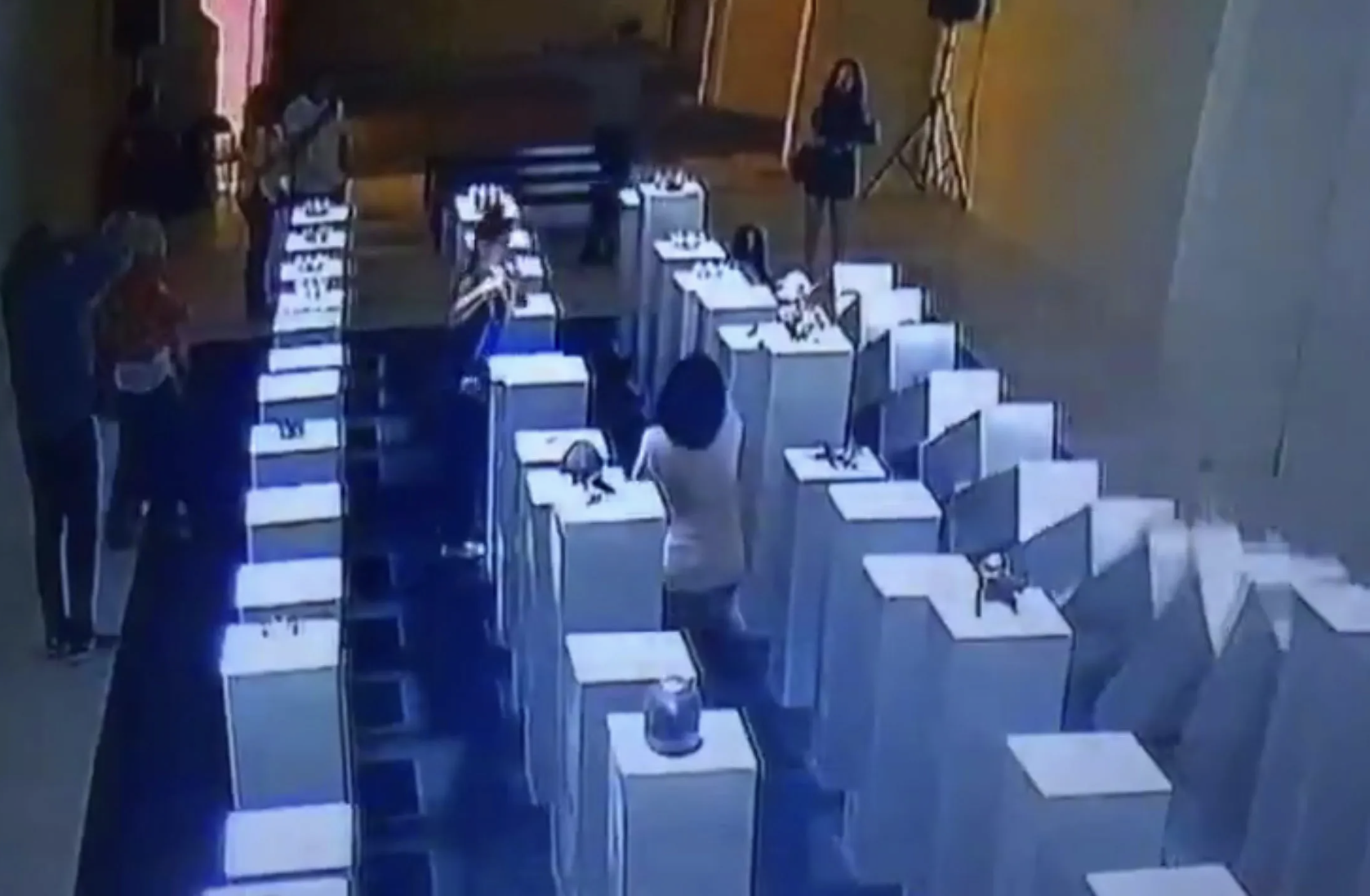
The $200,000 Selfie Domino
A visitor crouched for a photo beside a row of crown-topped pedestals, lost her balance, and set off a domino collapse down the entire line of sculptures.

The Warhol Mistaken for Rubbish
A rare Andy Warhol silkscreen of Queen Beatrix, part of the 'Reigning Queens' series, was most likely thrown out with construction debris during town-hall renovations and destroyed at a waste facility.

Moretto's Double Disaster
A visitor lost her footing and punched a hand clean through a double-sided sixteenth-century processional banner by the Renaissance master Moretto — damaging both painted faces at once.

Chocolate, Politics, and a Rothko
Days after Vladimir Umanets defaced a Rothko at Tate Modern, performance artist Jubilee Brown scrawled his name across another Rothko, 'Black on Maroon', using paint mixed with chocolate.

One Selfie, Three Priceless Vases
A visitor backing into a display pedestal to take a selfie toppled a stand holding three delicate Qing dynasty ceramic vessels. All three shattered.