Results for “museums”
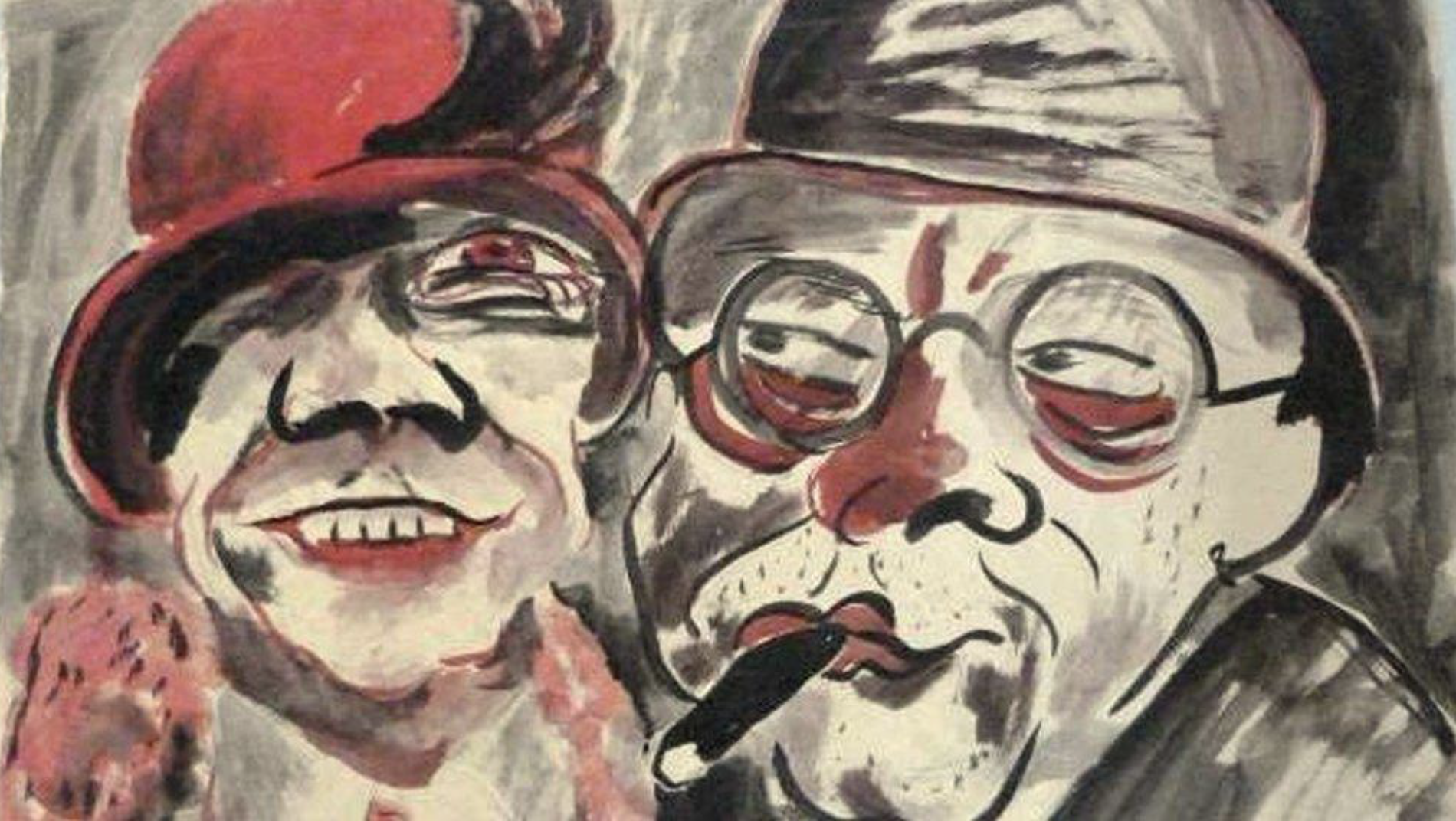
The Gurlitt Hoard
A routine tax inquiry uncovered some 1,500 artworks hidden in a Munich apartment — many looted or sold under duress during the Nazi era. The discovery reignited the global reckoning over restitution.

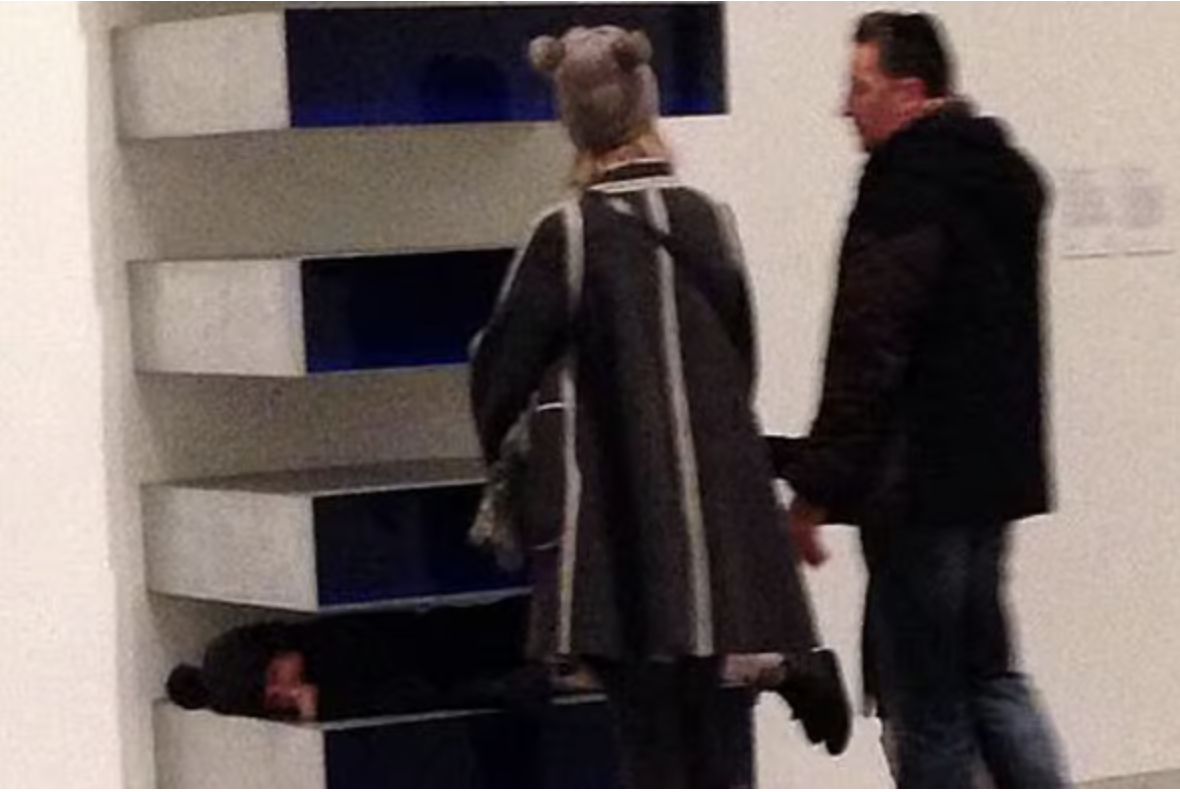
The Kunstmuseum Bern Theft
The Kunstmuseum Bern, Switzerland's oldest art museum, has figured in the record of European gallery thefts. This entry gathers what is documented about the loss.

The Euphronios Krater Returned to Italy
In 1972 the Metropolitan Museum of Art paid a record $1 million for a dazzling sixth-century BC Greek vase painted by Euphronios. Decades later it was proven to have been looted from an Etruscan tomb near Cerveteri — and in 2008 the Met returned it to Italy.
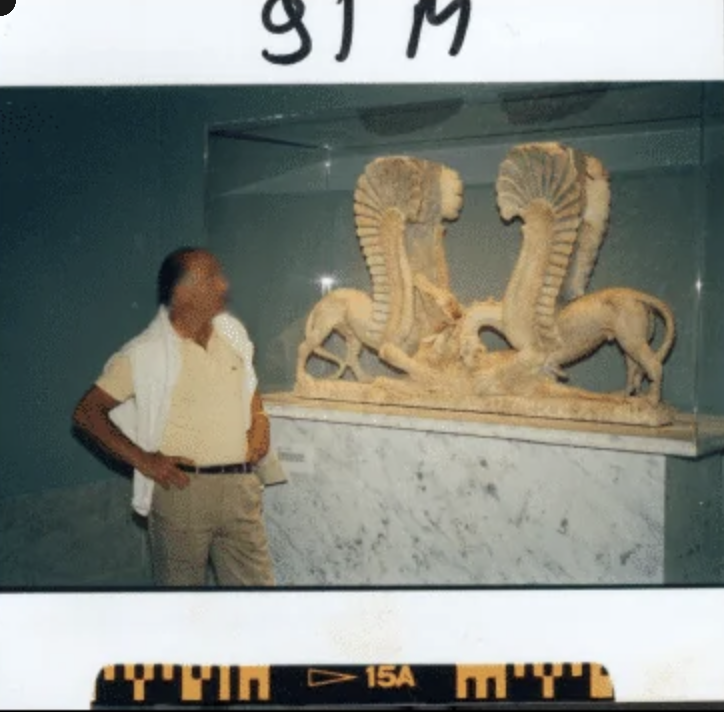
The Medici Archive Investigation
In 1995, investigators raided a warehouse in the Geneva Freeport and uncovered the archive of dealer Giacomo Medici — thousands of Polaroids of freshly looted objects that became a Rosetta Stone for the antiquities trade and drove restitutions from museums around the world.

The 1911 Theft of the Mona Lisa
On the morning of 21 August 1911, the Mona Lisa vanished from the walls of the Louvre. For twenty-eight months it was gone — and in its absence it became an icon.
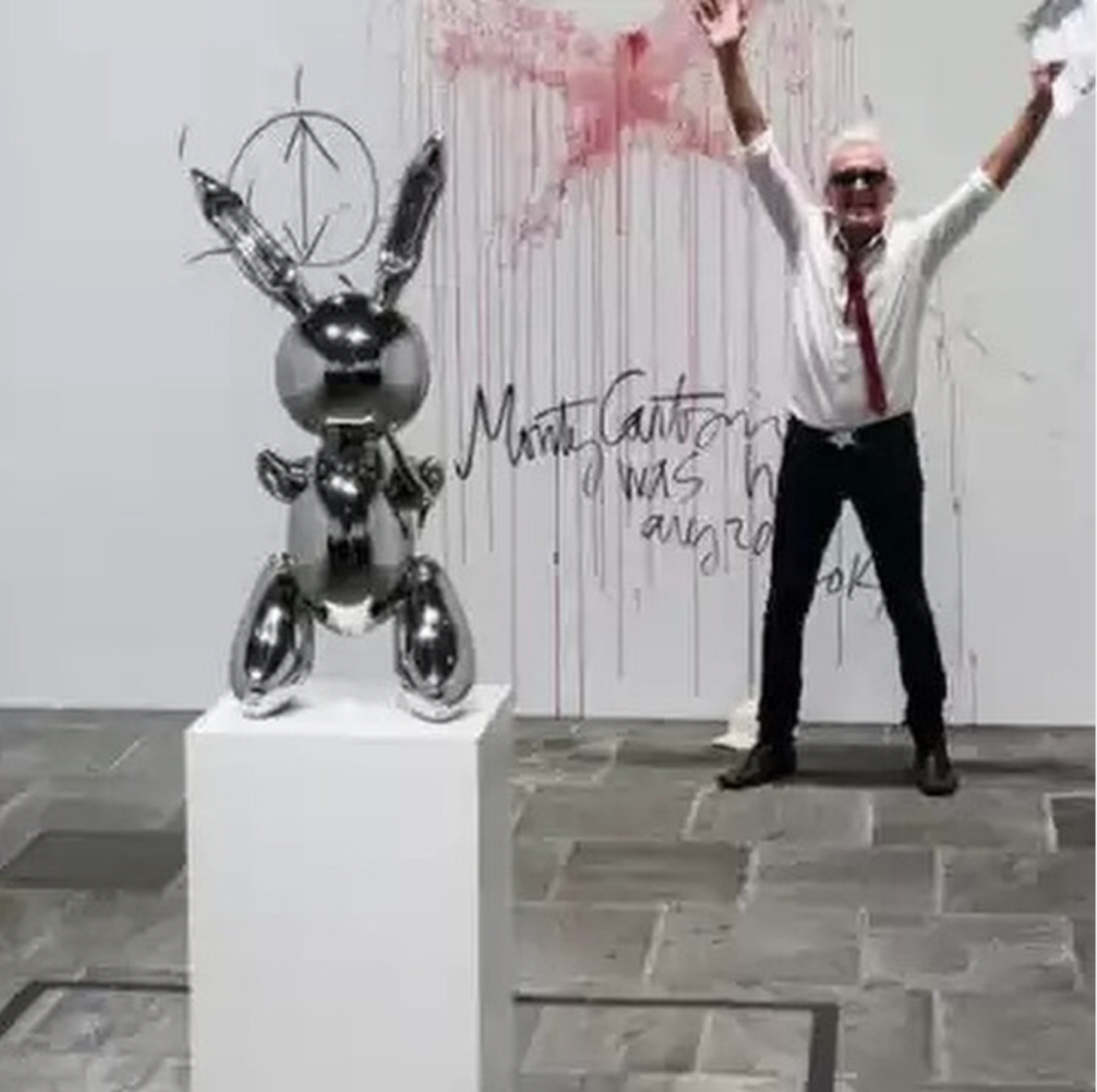
Istvan Kantor's Blood X
For over four decades Istvan Kantor — Monty Cantsin, founder of Neoism — has hurled his own blood in a great X across the walls of major museums, courting arrest as part of the artwork itself.

The 2025 Louvre Crown Jewels Heist
On 19 October 2025, four men disguised as construction workers used a boom lift to enter the Louvre's Galerie d'Apollon, smashed the display cases of the French Crown Jewels, and escaped in under ten minutes with eight historic objects worth an estimated €88 million. Most remain missing.

Switzerland Returns the Benin Bronzes to Nigeria
Looted by a British punitive expedition in 1897 and scattered across Western museums, the Benin Bronzes have become the defining test of colonial-era restitution — with Switzerland and others now returning them to Nigeria.
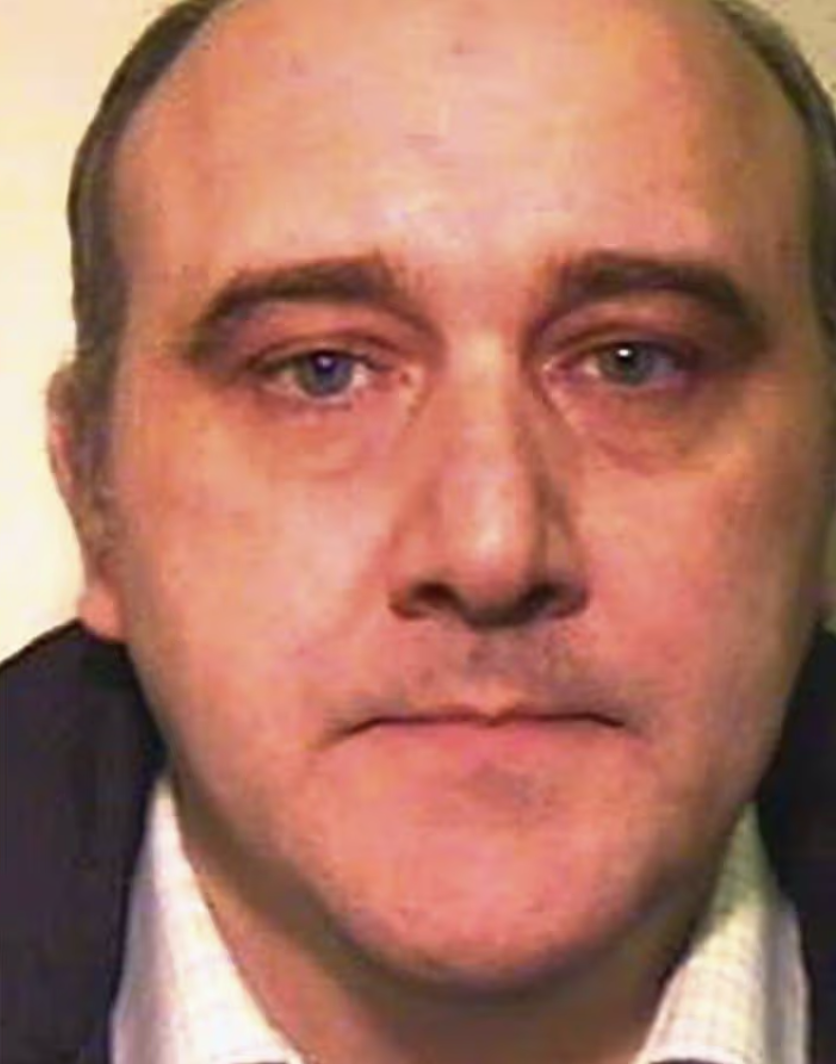
The Greenhalgh 'Garden Shed' Forgeries
From a garden shed behind a Bolton council house, Shaun Greenhalgh and his elderly parents forged artworks spanning 5,000 years — most famously the 'Amarna Princess', which Bolton Museum bought for £440,000 as a 3,300-year-old Egyptian masterpiece.

The Tiara of Saitaphernes
In 1896 the Louvre triumphantly bought a golden tiara as a priceless Scythian-Greek antiquity. It was in fact made a few years earlier by the Odessa goldsmith Israel Rouchomovsky — and the 1903 exposure became one of the great museum humiliations in history.

Stéphane Breitwieser
Stéphane Breitwieser (born 1971) is widely regarded as the most prolific art thief in modern history. Between 1994 and 2001, the Frenchman stole more than 300 works of art from approximately 200 museums, galleries, churches, and castles across Europe, amassing an estimated collection worth between $1.4 and $2 billion. Unlike nearly every other notorious art thief, Breitwieser wasn't motivated by money. He never worked for organized crime, never accepted commissions from wealthy collectors, and almost never sold what he stole. Instead, he stole simply because he wanted to live surrounded by great art. Breitwieser and his girlfriend, Anne-Catherine Kleinklaus, targeted small museums with minimal security. While she acted as a lookout, he quietly removed paintings, sculptures, clocks, ivory carvings, and other treasures before calmly walking out the front door. His methods were remarkably simple: no weapons, no violence, no smashed display cases — just confidence, patience, and an eye for vulnerable institutions. After each theft, Breitwieser brought the works to his mother's attic in Mulhouse, France, where he transformed the space into a secret private museum. He spent hours admiring the collection, arranging and rearranging masterpieces by artists including Brueghel, Cranach, Watteau, and Boucher. His obsession was with possession, not profit. His extraordinary run ended in 2001 after he stole a medieval hunting horn from the Richard Wagner Museum in Switzerland. A museum employee noticed the theft almost immediately, and police arrested him before he could escape. As investigators closed in on the hidden collection, Breitwieser's mother, fearing a police search, destroyed many of the stolen works — cutting paintings, smashing sculptures, and disposing of priceless objects in canals and garbage bins. The destruction of these irreplaceable artworks remains one of the greatest cultural losses associated with the case. Breitwieser's story is chronicled in Michael Finkel's bestselling book 'The Art Thief', which explores the psychology of a man who saw himself less as a criminal than as a passionate collector. His crimes continue to spark debate among criminologists, museum professionals, and art historians: was he an obsessive aesthete, a compulsive thief, or simply a criminal who happened to have exquisite taste? For followers of Crimes of Art, Breitwieser represents a rare kind of art criminal. He didn't steal for wealth or notoriety — he stole for beauty. His story challenges conventional ideas about motive, ownership, and the lengths to which one person will go to possess the world's greatest works of art.
Istvan Kantor (Monty Cantsin)
Founder of the anti-art movement Neoism and adopter of the shared alias Monty Cantsin, Kantor is best known for his 'Blood Campaign' — drawing his own blood and hurling it in a great X onto the walls of museums. His 1988 intervention beside two Picassos at New York's Museum of Modern Art drew a felony charge and a (disputed) $10 million damage claim, and got him banned from MoMA — a distinction he wears with pride. He has staged similar blood-X actions at the Whitney and Berlin's Hamburger Bahnhof. Kantor on Neoism: https://www.youtube.com/watch?v=FT-PoSxooTo buy his book!: https://autonomedia.org/product/the-book-of-neoism-the-revelations-to-amen-assembled-by-istvan-kantor/
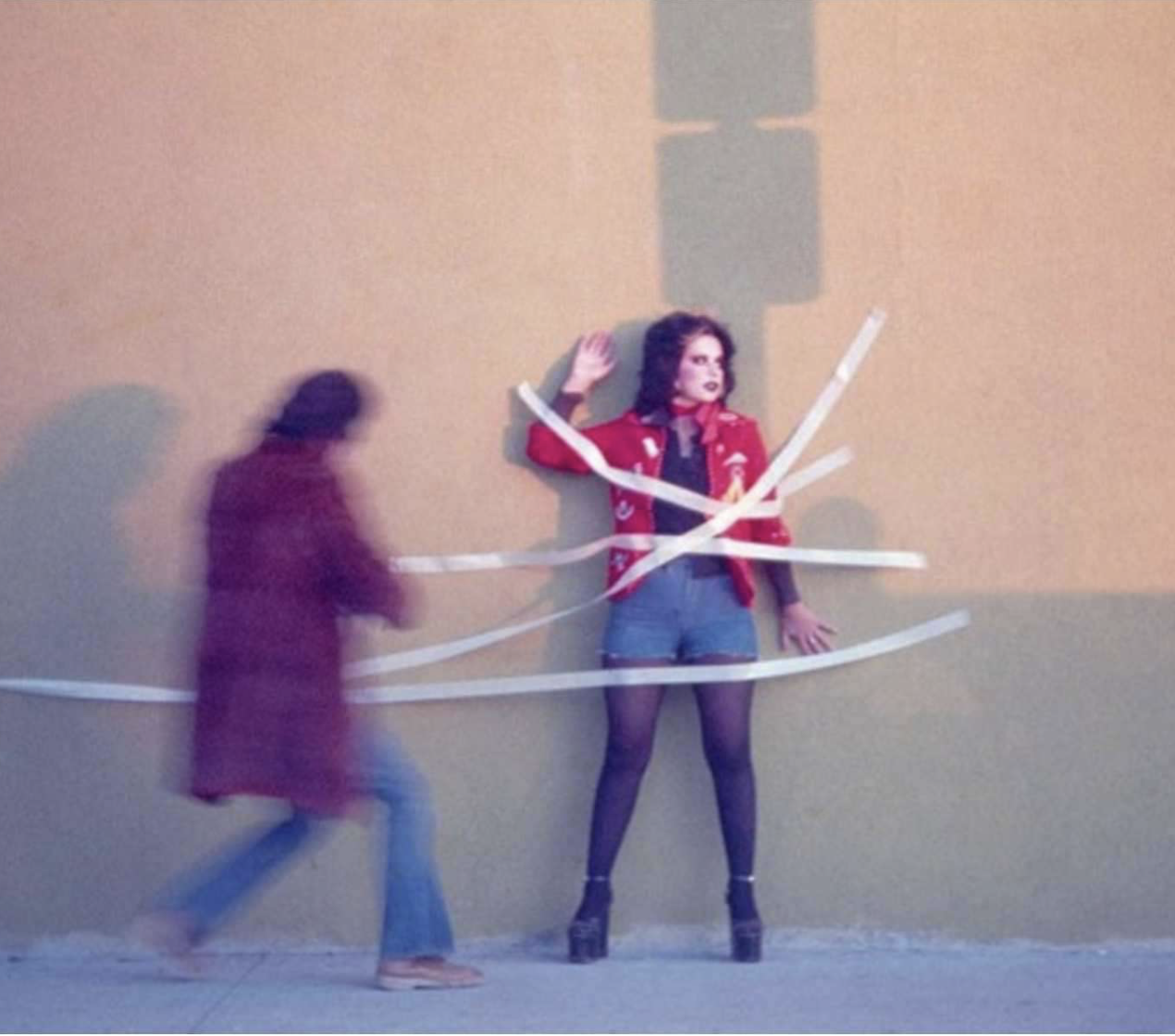
Asco
Founded in East Los Angeles in 1972, Asco — Spanish for 'disgust' or 'nausea' — was a groundbreaking Chicano art collective whose core members included Harry Gamboa Jr., Gronk, Willie F. Herrón III, and Patssi Valdez. Emerging from the aftermath of the Chicano Moratorium and amid widespread police violence, racism, and the Vietnam War, the group rejected both mainstream art institutions and the limitations of traditional political muralism. Instead, they embraced performance, conceptual art, photography, film, and public intervention to challenge stereotypes and redefine what Chicano art could be. Asco became famous for provocative works that blurred the line between art and activism. In their legendary 'Spray Paint LACMA' (1972), members tagged their names on a bridge at the Los Angeles County Museum of Art after being told that Chicanos didn't make 'fine art'. Their 'No Movies' series staged elaborate stills from fictional films, satirizing Hollywood's exclusion and stereotyping of Latinos, while performances such as 'Walking Mural' and 'Instant Mural' transformed the streets of East L.A. into living galleries. Although largely ignored by major museums during their active years (1972–1987), Asco's influence has grown dramatically. Their work has since been exhibited by major institutions, including LACMA, and they are now recognized as pioneers of conceptual art, performance, and institutional critique. In 2025, the documentary 'ASCO: Without Permission' brought renewed attention to the group's remarkable legacy and lasting impact on generations of artists.
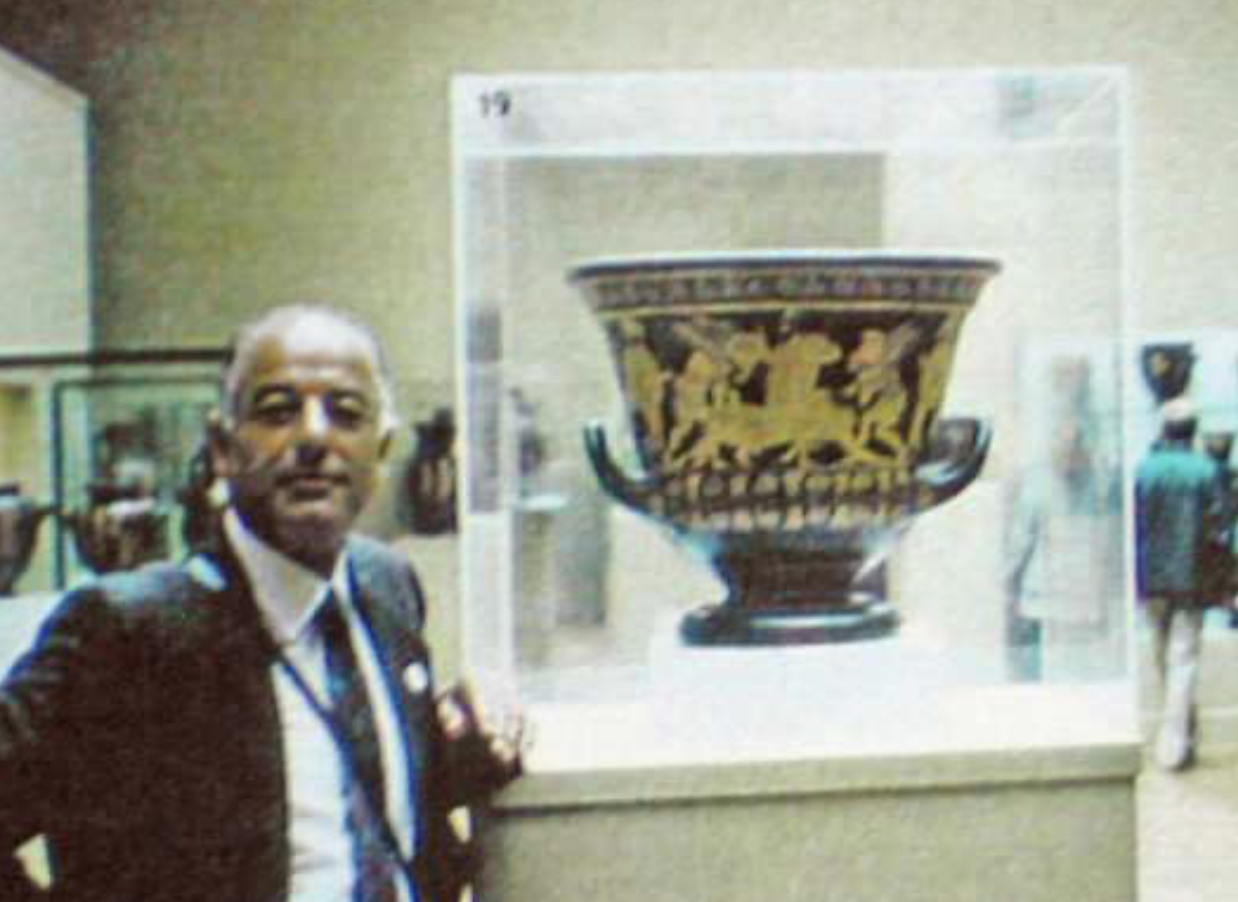
Giacomo Medici
Italian antiquities dealer at the centre of the largest looted-antiquities network ever exposed. A 1995 raid on his rooms in the Geneva Freeport uncovered thousands of Polaroids documenting freshly looted objects — the 'Medici archive' that let investigators trace treasures to museums including the Getty and the Metropolitan Museum of Art. Convicted in Rome in 2004 of dealing in looted antiquities, he became the emblem of the illicit trade the Carabinieri spent decades dismantling. (Illustrative image: a red-figure krater of the type he trafficked.)
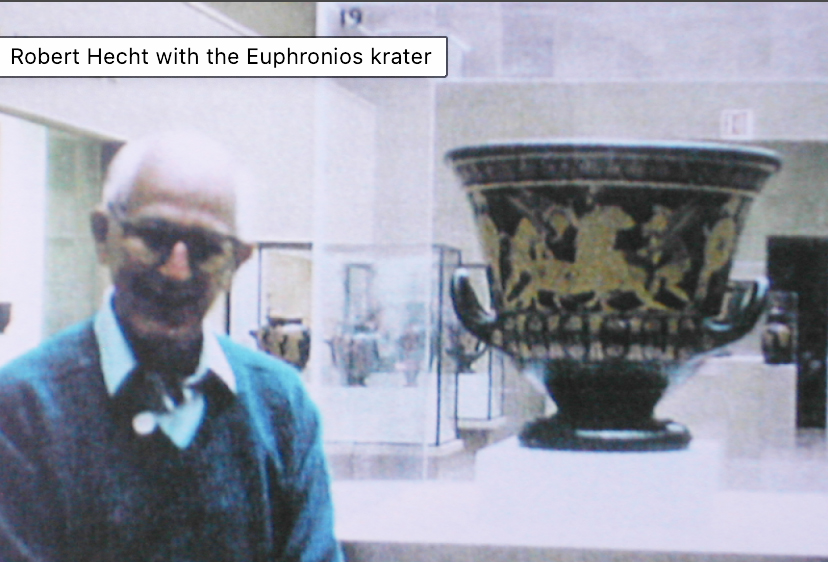
Robert Hecht
American antiquities dealer long suspected of being a linchpin of the illicit trade between Mediterranean tomb-robbers and the world's great museums. He sold the Euphronios krater to the Metropolitan Museum of Art in 1972 and was later tried in Italy alongside Giacomo Medici and Getty curator Marion True; the case against him lapsed on the statute of limitations before a verdict. He died in 2012. (image: Hecht and the Euphronios krater he sold to the Met.)
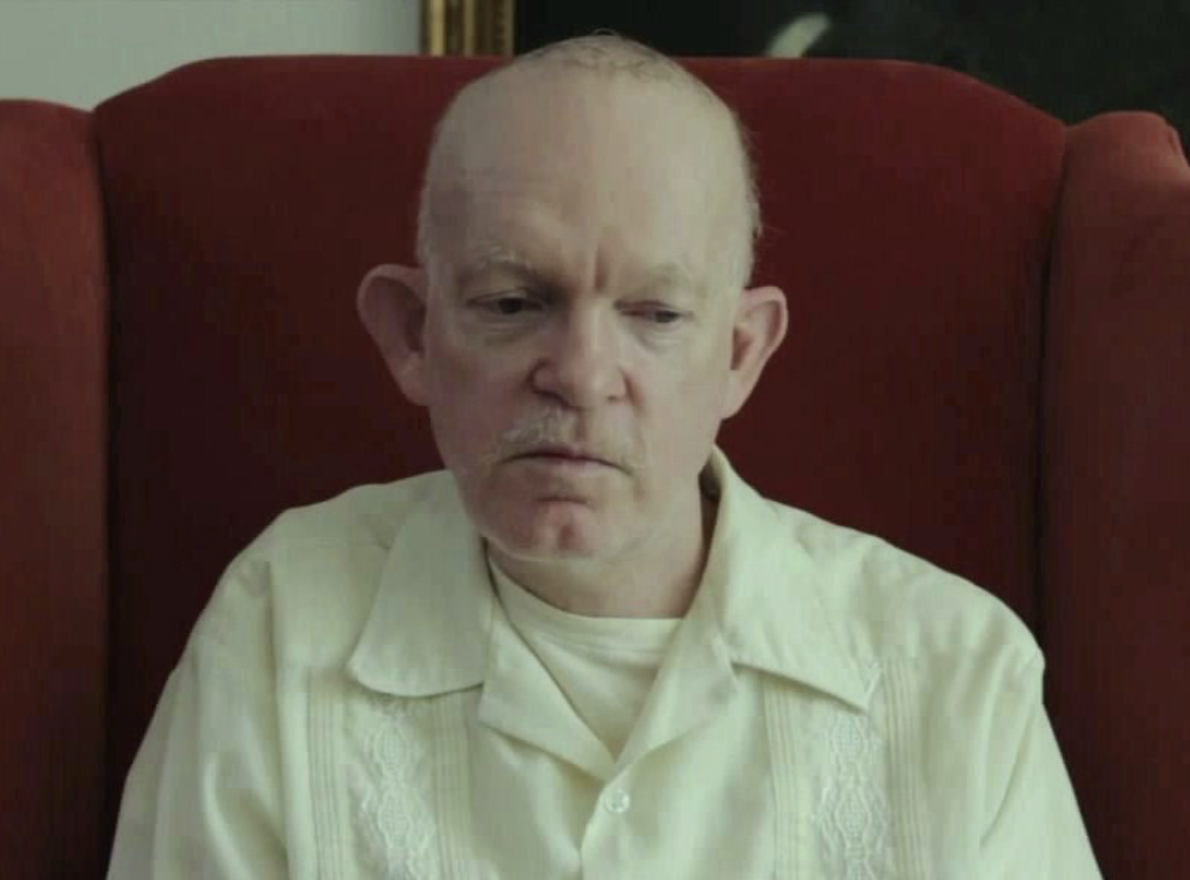
Mark Landis
American forger who, uniquely, never sold his fakes — he donated them to dozens of U.S. museums over three decades, sometimes posing as a priest. Because he took no money, he committed no clear crime, making him one of art forgery's strangest and most confounding figures. https://www.youtube.com/watch?v=zlp_7-YjtHg
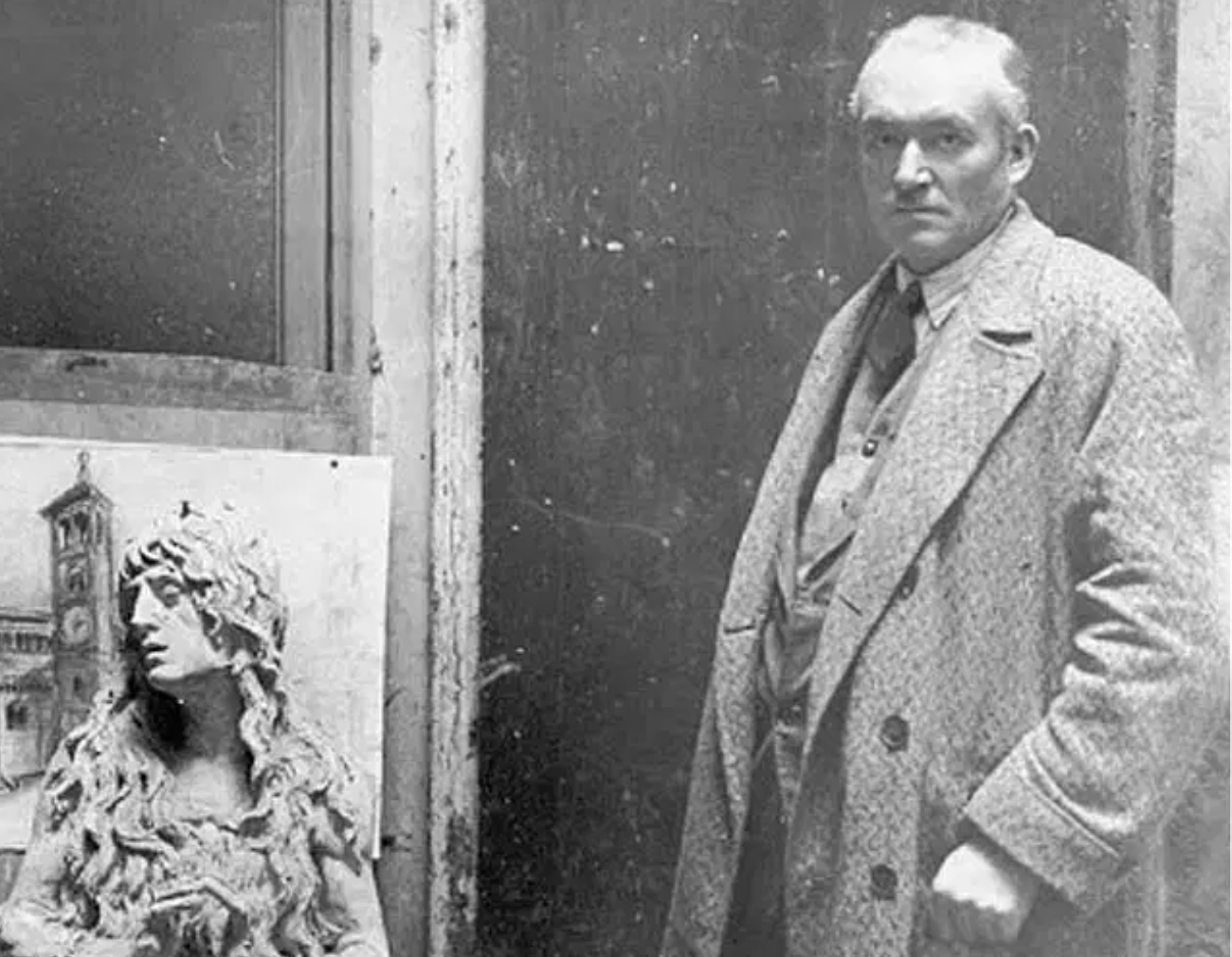
Alceo Dossena
Italian sculptor whose 'ancient' and Renaissance-style works fooled major museums including the Metropolitan Museum of Art and Boston's Museum of Fine Arts. He claimed he never intended fraud — blaming the dealers who aged and sold his sculptures as genuine antiquities.
John Re
According to the FBI, Re claimed he had uncovered a hidden cache of Pollock paintings while cleaning out the East Hampton home of a deceased woodworker and antique restorer. The discovery, he suggested, had somehow remained unknown to scholars, museums, and Pollock experts for decades. If true, it would have been one of the greatest finds in modern art history. Instead, prosecutors say it became one of the largest online art fraud schemes involving Jackson Pollock. Between 2005 and 2013, Re allegedly sold more than 60 fake Pollocks through eBay and private negotiations, collecting nearly $1.9 million from hopeful buyers. To make the paintings appear more desirable, investigators say he even used shill bidders to drive up auction prices. The scheme began to unravel when collectors did what every buyer of a "lost masterpiece" eventually should—ask an expert. One painting contained materials that didn't even exist during Pollock's lifetime. The International Foundation for Art Research (IFAR) later examined 45 of the paintings and concluded they were all counterfeit. Their report noted that the works were actually too similar to one another. Ironically, the consistency that made them look convincing was exactly what gave them away. Pollock's authentic drip paintings are famously unpredictable; the fakes looked like they had all come from the same hand (and specifically not Pollack's). Another collector received an even simpler authenticity test. While examining one painting, a dealer tried to wipe away a small smudge of dirt with a damp finger. The paint came off. Despite mounting evidence, prosecutors say Re continued insisting the works were genuine, describing one in an email as "a very strong Pollock" complete with age cracks and decades of basement storage. In another message, he proclaimed he had discovered "the greatest contemporary art find in history." The FBI disagreed. Federal investigators ultimately charged Re with wire fraud, alleging the basement treasure was little more than a carefully crafted fiction supported by fake provenance, persuasive salesmanship, and the enduring hope that the next unbelievable discovery might just be real. In the art world, extraordinary discoveries do happen. The trick is remembering that extraordinary stories usually require extraordinary proof. Perhaps the strangest footnote is what Re bought with some of the money. According to the Department of Justice, one fraudulent Pollock sale helped finance the purchase of a submarine called the U.S.S. Deep Quest. As part of the criminal proceedings, federal authorities obtained a restraining order preventing him from selling the submarine while forfeiture issues were resolved. It's not often an art fraud case ends with the government seizing a submarine.
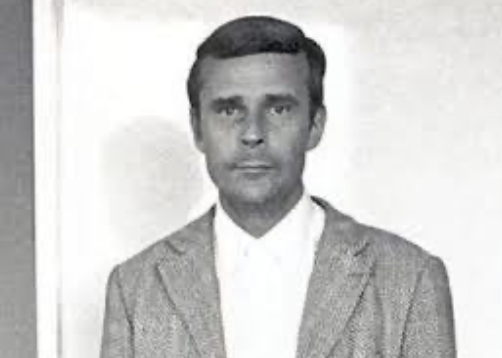
Hans-Joachim Bohlmann
Between 1977 and 2006, the German serial vandal attacked more than 50 paintings, inflicting damage estimated at over 270 million Deutsche Marks (roughly €138 million). Armed not with knives or hammers, but bottles of concentrated sulfuric acid, he permanently scarred works by Rembrandt, Peter Paul Rubens, Albrecht Dürer, Lucas Cranach the Elder, and Paul Klee, becoming one of the most destructive figures in the history of museum crime. Bohlmann's life was marked by severe mental illness from adolescence. After years of psychiatric treatment—including electroshock therapy, heavy medication, and even a controversial lobotomy that failed to improve his condition—his life took a tragic turn in 1977 when his wife died after falling from a window while cleaning their apartment. Bohlmann later claimed her death triggered his attacks on art. Just days after the funeral, he purchased sulfuric acid and began targeting museums. His first museum victim was Paul Klee's Golden Fish at Hamburg's Kunsthalle. Within months, museums across Germany were on edge as he moved from city to city, spraying acid directly onto paintings. He frequently aimed at the faces of portraits, seeking to inflict the greatest possible damage. Among his most devastating attacks were acid assaults on Lucas Cranach the Elder's portraits of Martin Luther and Katharina von Bora, Rubens's Archduke Albrecht, several Rembrandts in Kassel, and in 1988, three masterpieces by Albrecht Dürer at Munich's Alte Pinakothek, causing an estimated €35 million in damage. Arrested repeatedly, Bohlmann served prison sentences and spent years in psychiatric hospitals, but each release was followed by new attacks. Even after authorities prohibited him from purchasing sulfuric acid, he turned to arson before eventually returning to museum vandalism. In a strange twist, Bohlmann participated in art therapy during his confinement, producing roughly 1,500 paintings over nine years. The treatment, however, did little to curb his destructive impulses. His final major attack came in 2006 at Amsterdam's Rijksmuseum, where he doused Bartholomeus van der Helst's monumental Banquet of the Amsterdam Civic Guard in Celebration of the Peace of Münster with lighter fluid and set it ablaze. Fortunately, most of the damage was confined to the painting's varnish layer, allowing conservators to restore the work. Unlike most criminals featured in art history, Bohlmann wasn't driven by money or prestige. He wanted recognition through destruction. Every attack generated headlines, reinforced his notoriety, and forced museums to confront an unsettling reality: one determined individual with a small bottle of acid could inflict damage that centuries of history could never fully repair.
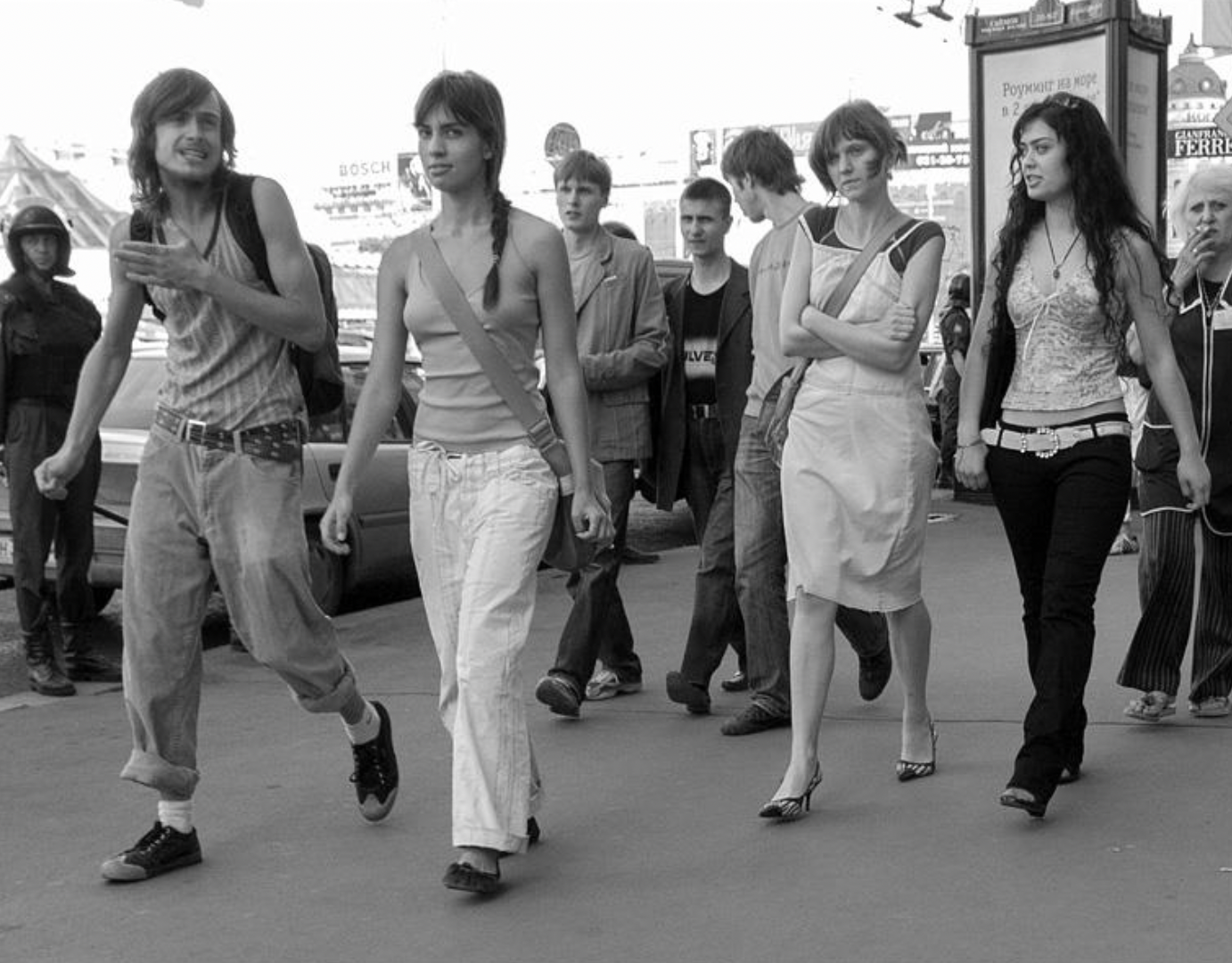
Voina
Few contemporary art groups have generated as much controversy—or as many criminal charges—as Voina ("War"), the Russian performance art collective founded in 2007. Part political activists, part conceptual artists, and part provocateurs, the group rejected galleries, museums, and the commercial art world in favor of disruptive public performances that challenged the authority of the Russian state. Voina believed that the artwork wasn't an object—it was the event itself. Their performances ranged from surreal pranks to acts of vandalism, often ending with arrests and international headlines. Among their most famous actions was Dick Captured by the FSB (2010), in which they painted a 65-meter phallus on a drawbridge in St. Petersburg. When the bridge opened, the image stood erect, pointing directly at the headquarters of Russia's Federal Security Service (FSB). The work became an instant symbol of artistic defiance and, remarkably, later won Russia's state-sponsored Innovation Prize for contemporary art. Other performances were even more confrontational. Members overturned police cars, staged mock executions, interrupted court proceedings with punk concerts, welded shut the doors of an elite restaurant, and organized provocative demonstrations criticizing corruption, police brutality, censorship, and political repression. More than a dozen criminal cases were eventually brought against members of the collective. The group's history also intersected with another famous activist collective. Nadezhda Tolokonnikova and Pyotr Verzilov were early members of Voina before splitting from the group in 2009. Two years later, Tolokonnikova co-founded Pussy Riot, whose anti-Putin protest inside Moscow's Cathedral of Christ the Saviour attracted worldwide attention. Their performances intentionally erased the boundary between art, activism, and crime, forcing audiences to confront uncomfortable questions about power, authority, and free expression. Voina demonstrated that in the twenty-first century, one of the most powerful canvases wasn't a museum wall—it was the street itself.

When Columbus Met Climate Activism
Two activists from Futuro Vegetal threw biodegradable red paint at José Garnelo's 1892 'First Tribute to Christopher Columbus' before unfurling banners protesting Spain's National Day.

Fewer Seasons Left to Paint
An activist adhered a printed image of Monet's 'Poppy Field' transformed by a warmer climate onto its protective glazing, then glued a hand to the gallery wall.

A Ballerina Meets Climate Protest
A climate activist in a fluorescent vest smeared red and black paint over Degas' 'Little Dancer Aged Fourteen' — but the sculpture sat safely inside a sealed display case.

Fingering Fontana
Lucio Fontana became famous for making slashes in canvases — which has not stopped visitors from repeatedly poking their fingers through the cuts to investigate, damaging the works further.
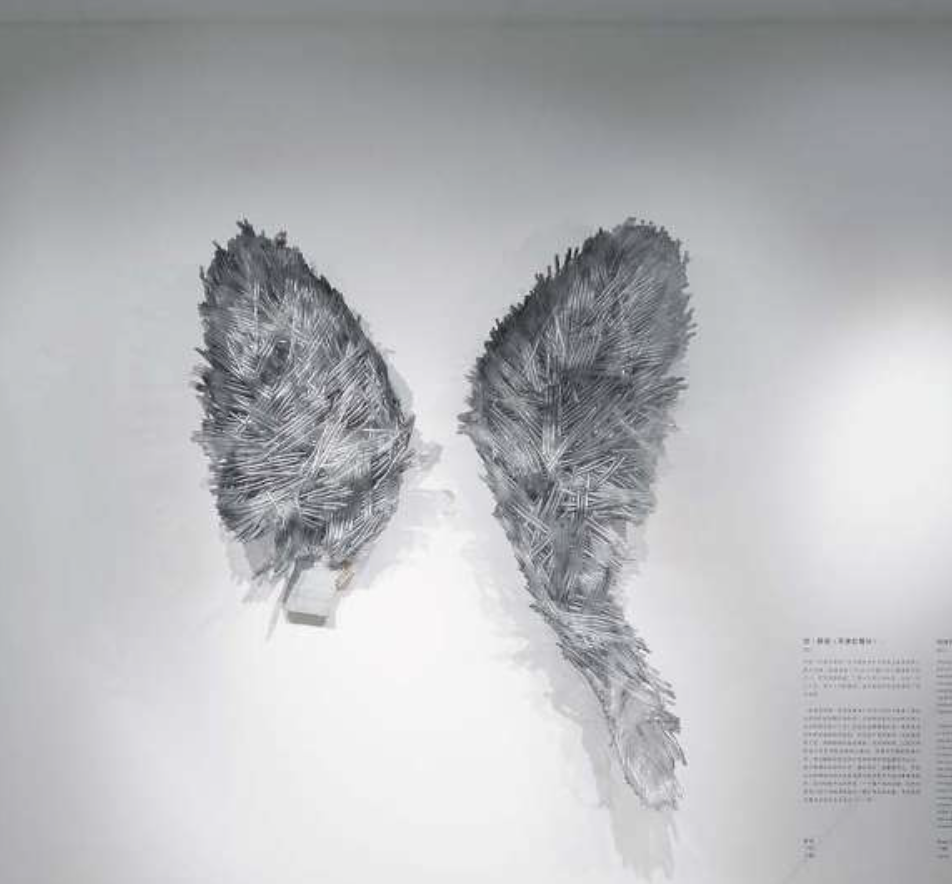
The Little Brats and The Large Glass