Results for “protest”

The Egyptian Museum Looting, Cairo
During the 2011 revolution, intruders entered Cairo's Egyptian Museum, damaging and stealing artefacts — including objects associated with Tutankhamun. Some were later recovered.

The Detention of Ai Weiwei
In 2011 Chinese authorities detained Ai Weiwei without charge for 81 days and later held his passport for years, part of a sustained campaign of censorship, surveillance, and pressure against the country's most prominent dissident artist.
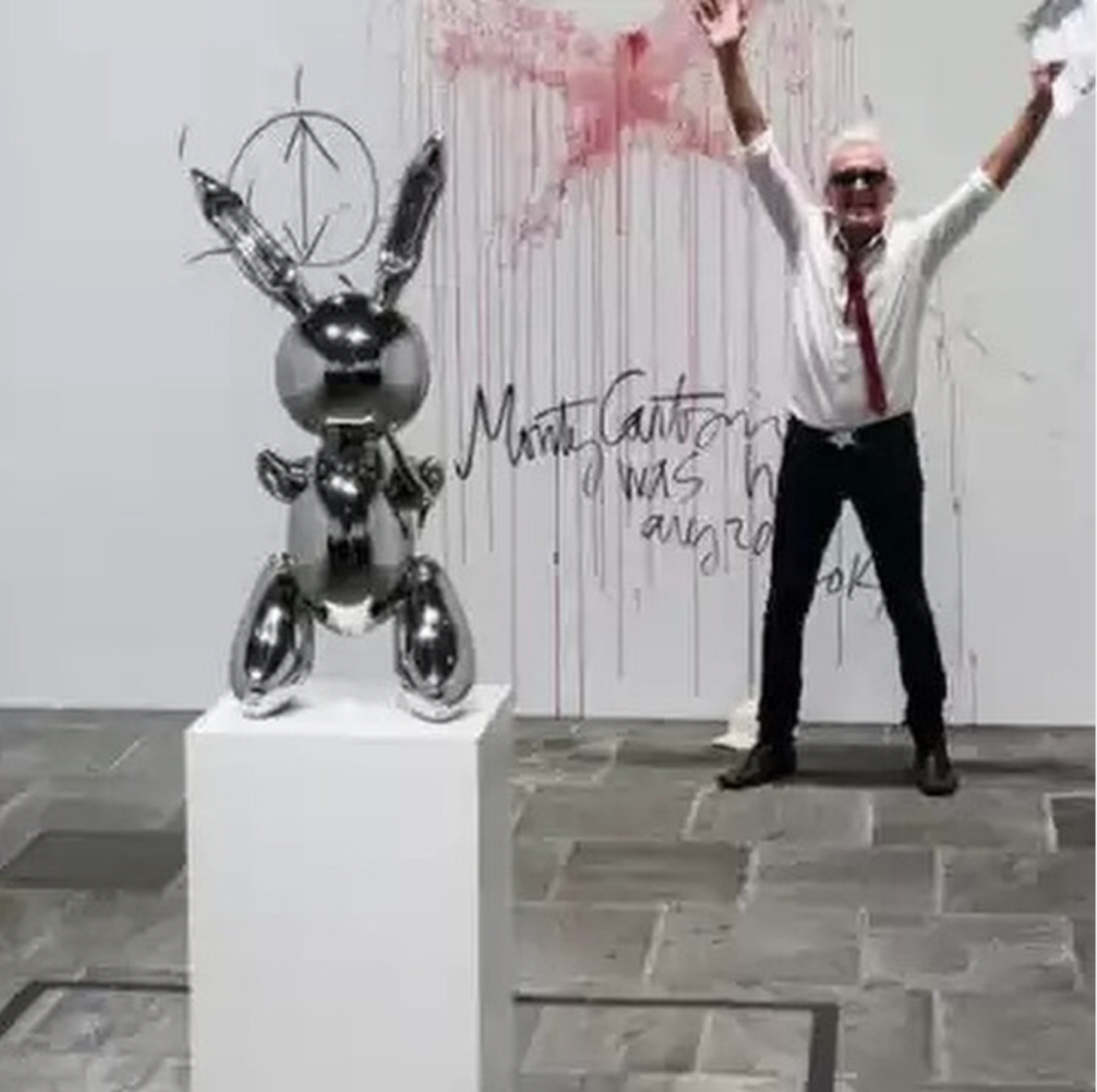
Istvan Kantor's Blood X
For over four decades Istvan Kantor — Monty Cantsin, founder of Neoism — has hurled his own blood in a great X across the walls of major museums, courting arrest as part of the artwork itself.
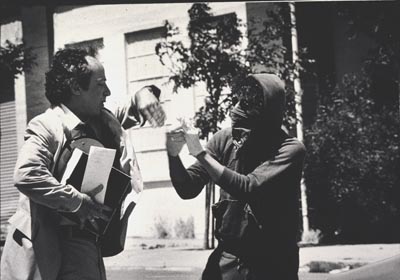
Tony Labat's 'Kidnap Attempt'
In 1978, Tony Labat and Mike Osterhout staged the attempted kidnapping of a public official as a work of political performance art — an intervention in public space that deliberately blurred the line between art, protest, and crime. The action ultimately failed.

Piss Christ and the Culture Wars
Andres Serrano's 'Piss Christ' — a crucifix immersed in the artist's urine — ignited a firestorm over public arts funding, drawing denunciations from the U.S. Senate, vandalism, and death threats that continue decades later.

Pussy Riot: Punk Prayer on Trial
In 2012 members of the feminist collective Pussy Riot performed a 'Punk Prayer' against Vladimir Putin in Moscow's Cathedral of Christ the Saviour. Three were convicted of 'hooliganism motivated by religious hatred' and imprisoned.

Dread Scott and the Flag on the Floor
Dread Scott's 1989 installation invited viewers to stand on a U.S. flag to write in a ledger, provoking national outrage, a Senate vote, and a chain of events leading to the Supreme Court's affirmation that flag desecration is protected speech.
Pussy Riot
Russian feminist protest-art collective whose 2012 'Punk Prayer' in Moscow's Cathedral of Christ the Saviour led to the imprisonment of several members for 'hooliganism' — one of the defining art-censorship cases of the 21st century.
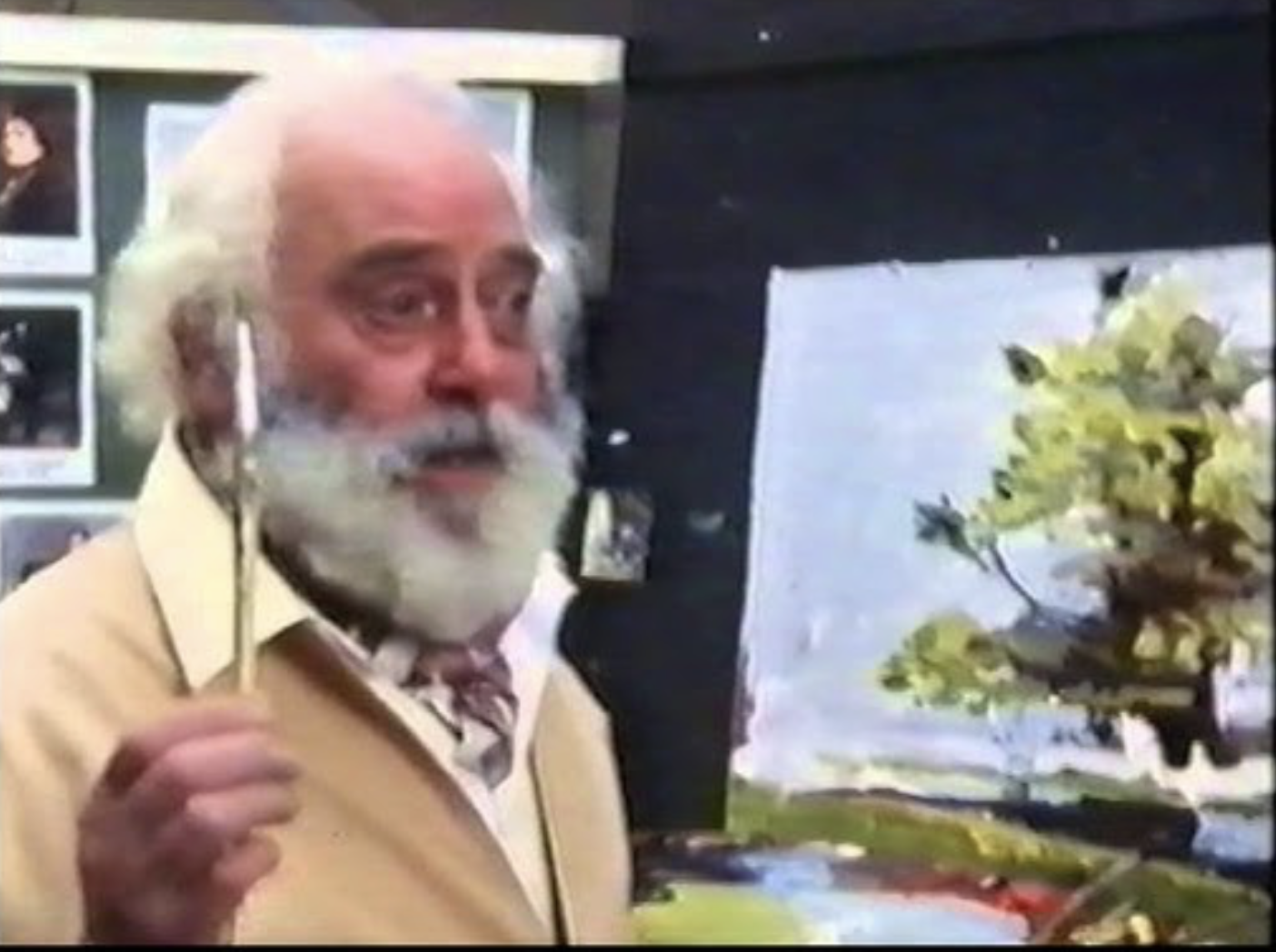
Tom Keating
British art restorer who claimed to have faked more than 2,000 paintings by over 100 artists as a protest against a market that exploited artists. He planted deliberate 'time bombs' — anachronisms and hidden messages — in his fakes, and after his 1977 trial collapsed he became a popular television personality.
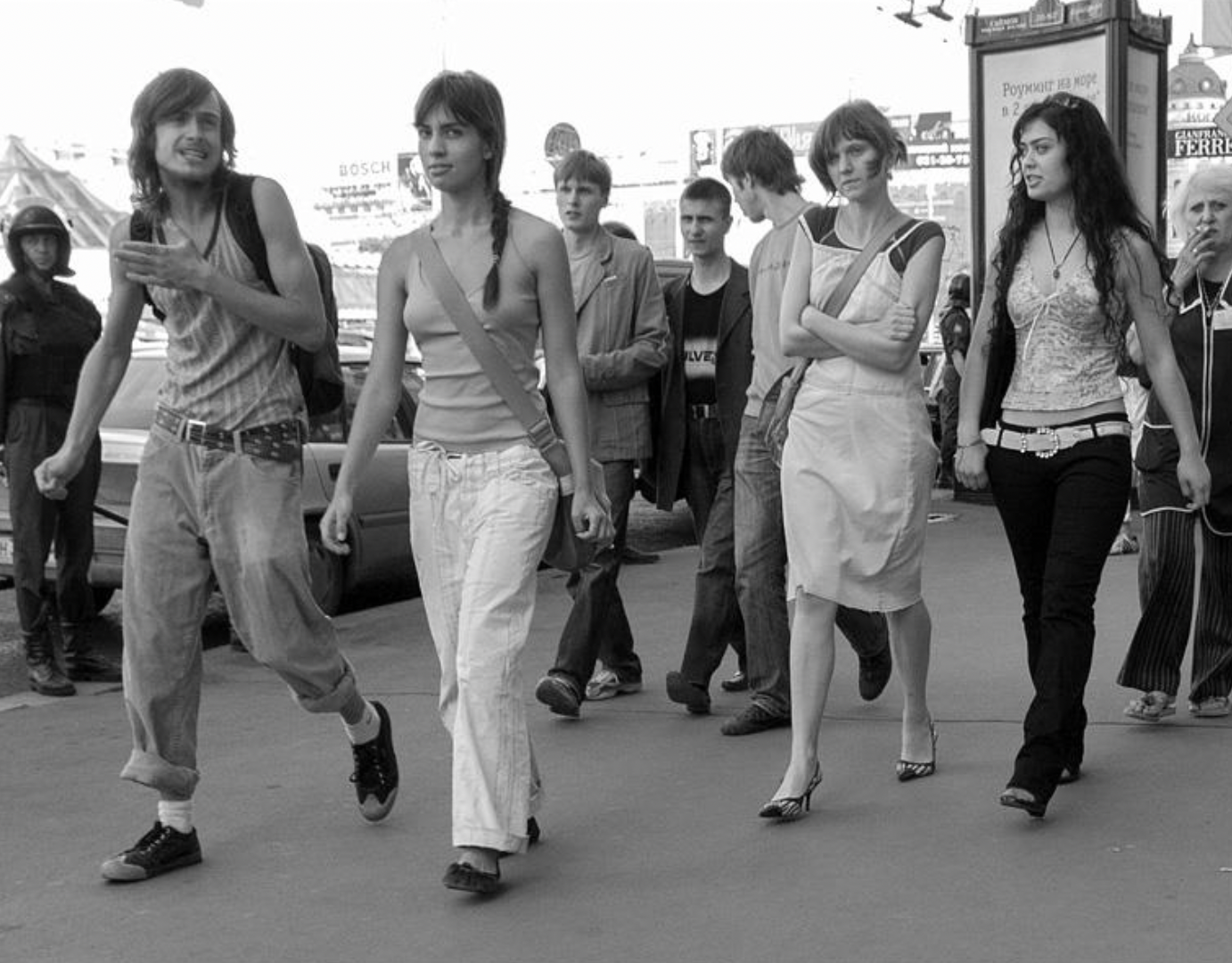
Voina
Few contemporary art groups have generated as much controversy—or as many criminal charges—as Voina ("War"), the Russian performance art collective founded in 2007. Part political activists, part conceptual artists, and part provocateurs, the group rejected galleries, museums, and the commercial art world in favor of disruptive public performances that challenged the authority of the Russian state. Voina believed that the artwork wasn't an object—it was the event itself. Their performances ranged from surreal pranks to acts of vandalism, often ending with arrests and international headlines. Among their most famous actions was Dick Captured by the FSB (2010), in which they painted a 65-meter phallus on a drawbridge in St. Petersburg. When the bridge opened, the image stood erect, pointing directly at the headquarters of Russia's Federal Security Service (FSB). The work became an instant symbol of artistic defiance and, remarkably, later won Russia's state-sponsored Innovation Prize for contemporary art. Other performances were even more confrontational. Members overturned police cars, staged mock executions, interrupted court proceedings with punk concerts, welded shut the doors of an elite restaurant, and organized provocative demonstrations criticizing corruption, police brutality, censorship, and political repression. More than a dozen criminal cases were eventually brought against members of the collective. The group's history also intersected with another famous activist collective. Nadezhda Tolokonnikova and Pyotr Verzilov were early members of Voina before splitting from the group in 2009. Two years later, Tolokonnikova co-founded Pussy Riot, whose anti-Putin protest inside Moscow's Cathedral of Christ the Saviour attracted worldwide attention. Their performances intentionally erased the boundary between art, activism, and crime, forcing audiences to confront uncomfortable questions about power, authority, and free expression. Voina demonstrated that in the twenty-first century, one of the most powerful canvases wasn't a museum wall—it was the street itself.

Portrait of the Duke of Wellington
Goya's portrait of the Iron Duke, stolen from London's National Gallery in 1961 by Kempton Bunton in protest at the TV licence fee — an episode later dramatised in film. Returned in 1965.

The Vase Smashed in Protest
Local artist Maximo Caminero picked up and deliberately smashed one of Ai Weiwei's painted Han Dynasty vases in protest at the museum's neglect of local artists — an irony given Ai's own famous urn-dropping.

When Columbus Met Climate Activism
Two activists from Futuro Vegetal threw biodegradable red paint at José Garnelo's 1892 'First Tribute to Christopher Columbus' before unfurling banners protesting Spain's National Day.

Pink Paint and a Canadian Masterpiece
A protester from Last Generation Canada threw bright pink paint toward Helen McNicoll's 'Sunny September', declaring the aim was not to destroy art but to protect the future it represents.

The Man Who Punched a Monet
A man punched Claude Monet's 'Argenteuil Basin with a Single Sailboat', tearing a hole through the canvas — later claiming he was protesting the European Union's influence on Ireland.

No Cheese, Gromit
Weeks after King Charles III's official portrait was unveiled, two activists pasted an image of Wallace over the King's face and a speech bubble reading 'No cheese, Gromit. Look at all this cruelty on RSPCA farms!'

Fewer Seasons Left to Paint
An activist adhered a printed image of Monet's 'Poppy Field' transformed by a warmer climate onto its protective glazing, then glued a hand to the gallery wall.

When Vandalism Became Performance Art
During a Jacques Lacan exhibition, artist Deborah De Robertis and collaborators wrote 'ME TOO' in red marker across Courbet's 'The Origin of the World' and targeted works by Louise Bourgeois and others.

Soup Season
Two activists from Riposte Alimentaire threw soup onto the protective glass of Monet's 'Le Printemps', demanding stronger action on climate and food security.

Climate Activists Meet the Goddess
Activists from Ultima Generazione attached photographs of the 2023 Tuscan floods to the protective glass over Botticelli's 'The Birth of Venus', calling for action on climate disasters.

The Mona Lisa Eats Soup
Two activists from Riposte Alimentaire hurled pumpkin soup at the Mona Lisa's protective glass, demanding a 'healthy and sustainable food system'. The bulletproof glazing shrugged it off.