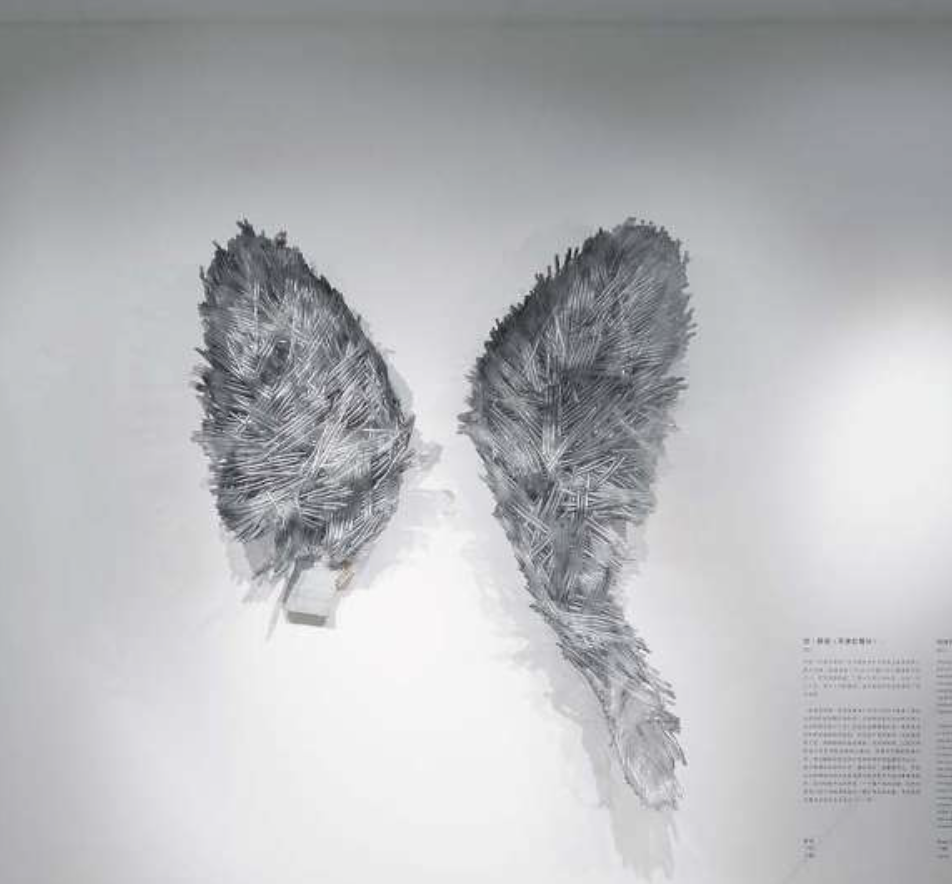
Results for “security”

The Kunsthal Rotterdam Heist
In a two-minute raid in 2012, thieves took seven works — by Picasso, Monet, Matisse, Gauguin and Freud — from the Kunsthal. The mother of one suspect later claimed she burned them.
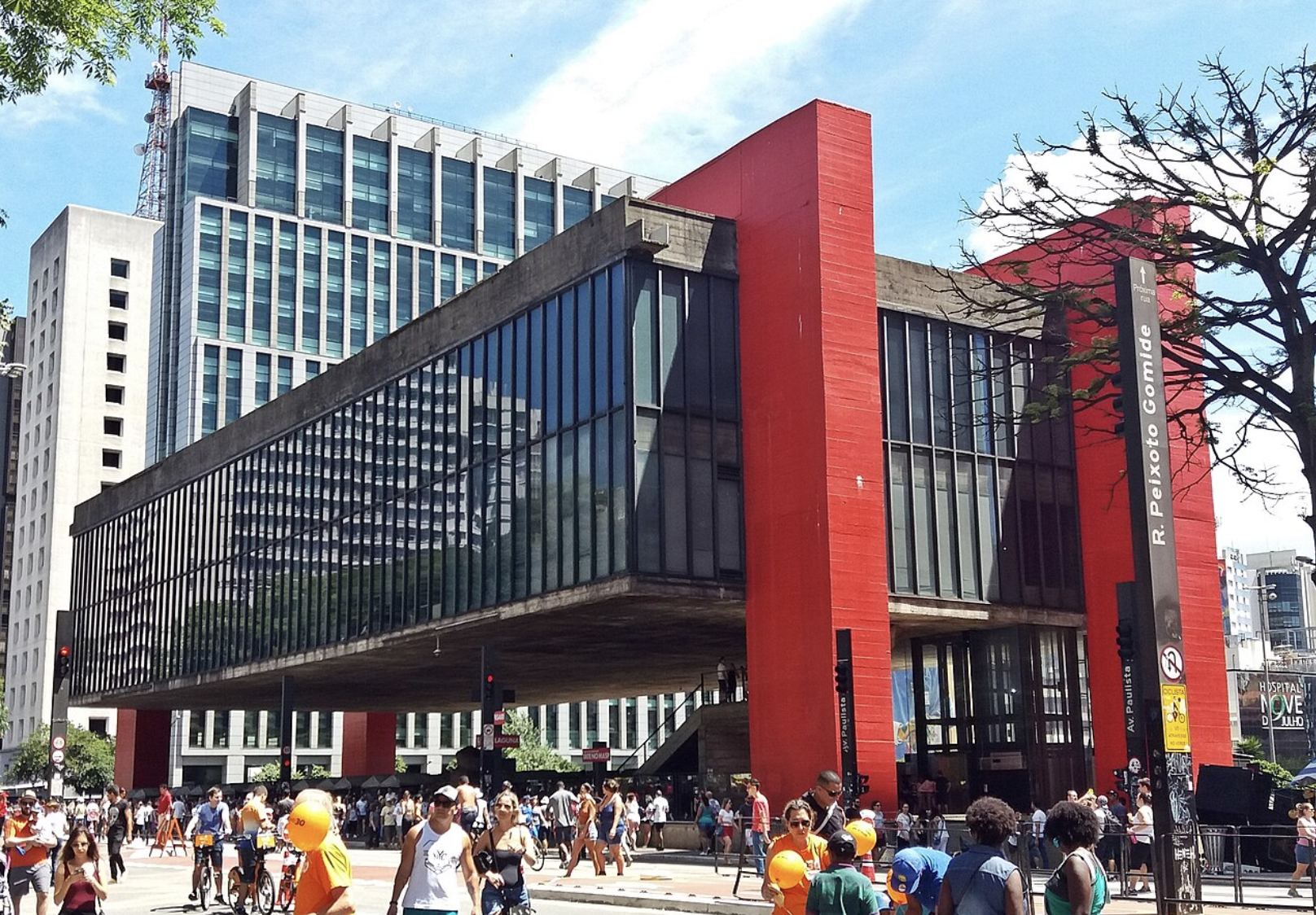
The São Paulo Museum of Art Theft
Thieves used a car jack and crowbar to break into MASP before dawn in 2007 and took Picasso's 'Portrait of Suzanne Bloch' and Portinari's 'O Lavrador de Café'. Both were recovered months later.
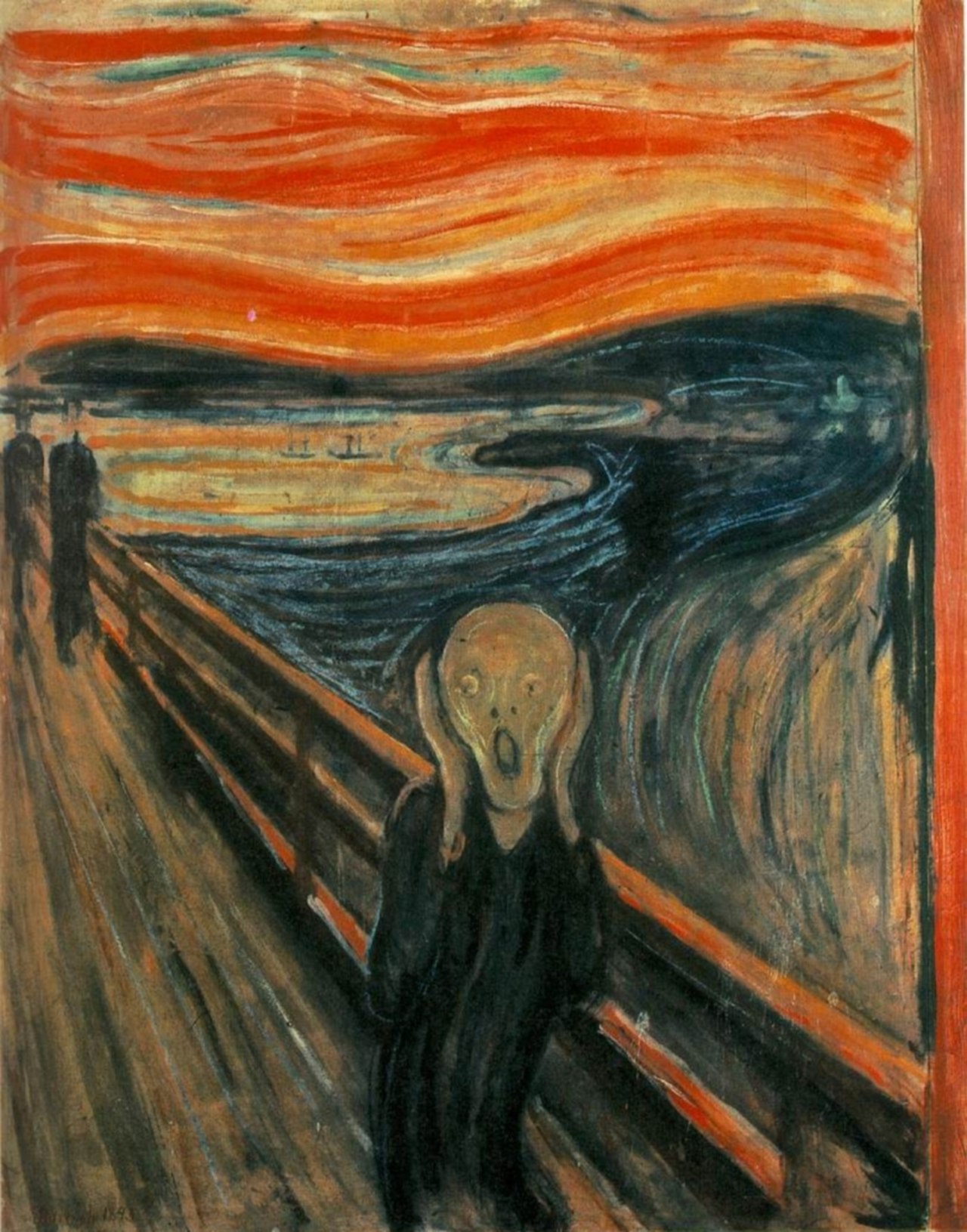
The Theft of The Scream
In 2004 armed men walked into the Munch Museum in broad daylight and pulled The Scream and Madonna from the walls in front of visitors. Both were recovered two years later.

The Dulwich Rembrandt Theft (1966)
Rembrandt's small portrait 'Jacob de Gheyn III' was stolen from Dulwich in 1966 — the first of four thefts that earned it the nickname 'the Takeaway Rembrandt'. Each time, it came back.

The Kunstmuseum Bern Theft
The Kunstmuseum Bern, Switzerland's oldest art museum, has figured in the record of European gallery thefts. This entry gathers what is documented about the loss.

The Whitworth Gallery Theft
Works by Van Gogh, Picasso and Gauguin taken from Manchester's Whitworth in 2003 were found days later behind a nearby public toilet, with a note claiming the point was to expose lax security.
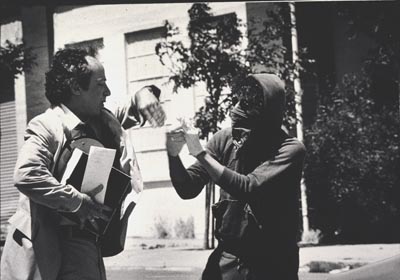
Tony Labat's 'Kidnap Attempt'
In 1978, Tony Labat and Mike Osterhout staged the attempted kidnapping of a public official as a work of political performance art — an intervention in public space that deliberately blurred the line between art, protest, and crime. The action ultimately failed.
The 1994 Theft of The Scream (Oslo)
As the world watched the 1994 Winter Olympics, thieves propped a ladder against the National Gallery in Oslo and stole 'The Scream', leaving a note: 'Thanks for the poor security.'

The Stephen Shih Rodin Theft
On Thanksgiving Day 1988, Stephen Shih walked into Philadelphia's Rodin Museum with a handgun, handcuffed three guards, fired a warning shot, and strolled out with Rodin's 'Mask of the Man with the Broken Nose'. It was recovered four months later near a basement furnace.

Stéphane Breitwieser
Stéphane Breitwieser (born 1971) is widely regarded as the most prolific art thief in modern history. Between 1994 and 2001, the Frenchman stole more than 300 works of art from approximately 200 museums, galleries, churches, and castles across Europe, amassing an estimated collection worth between $1.4 and $2 billion. Unlike nearly every other notorious art thief, Breitwieser wasn't motivated by money. He never worked for organized crime, never accepted commissions from wealthy collectors, and almost never sold what he stole. Instead, he stole simply because he wanted to live surrounded by great art. Breitwieser and his girlfriend, Anne-Catherine Kleinklaus, targeted small museums with minimal security. While she acted as a lookout, he quietly removed paintings, sculptures, clocks, ivory carvings, and other treasures before calmly walking out the front door. His methods were remarkably simple: no weapons, no violence, no smashed display cases — just confidence, patience, and an eye for vulnerable institutions. After each theft, Breitwieser brought the works to his mother's attic in Mulhouse, France, where he transformed the space into a secret private museum. He spent hours admiring the collection, arranging and rearranging masterpieces by artists including Brueghel, Cranach, Watteau, and Boucher. His obsession was with possession, not profit. His extraordinary run ended in 2001 after he stole a medieval hunting horn from the Richard Wagner Museum in Switzerland. A museum employee noticed the theft almost immediately, and police arrested him before he could escape. As investigators closed in on the hidden collection, Breitwieser's mother, fearing a police search, destroyed many of the stolen works — cutting paintings, smashing sculptures, and disposing of priceless objects in canals and garbage bins. The destruction of these irreplaceable artworks remains one of the greatest cultural losses associated with the case. Breitwieser's story is chronicled in Michael Finkel's bestselling book 'The Art Thief', which explores the psychology of a man who saw himself less as a criminal than as a passionate collector. His crimes continue to spark debate among criminologists, museum professionals, and art historians: was he an obsessive aesthete, a compulsive thief, or simply a criminal who happened to have exquisite taste? For followers of Crimes of Art, Breitwieser represents a rare kind of art criminal. He didn't steal for wealth or notoriety — he stole for beauty. His story challenges conventional ideas about motive, ownership, and the lengths to which one person will go to possess the world's greatest works of art.

Anthony M. Amore
Director of Security at the Isabella Stewart Gardner Museum and the leading investigator on its unsolved 1990 heist. Amore has written extensively on art theft and forgery and continues to pursue leads on the thirteen works taken from the Gardner. Check out his talk on YouTube: https://www.youtube.com/watch?v=Hs5d9KApA60 Check out his books: https://www.anthonyamore.com
Voina
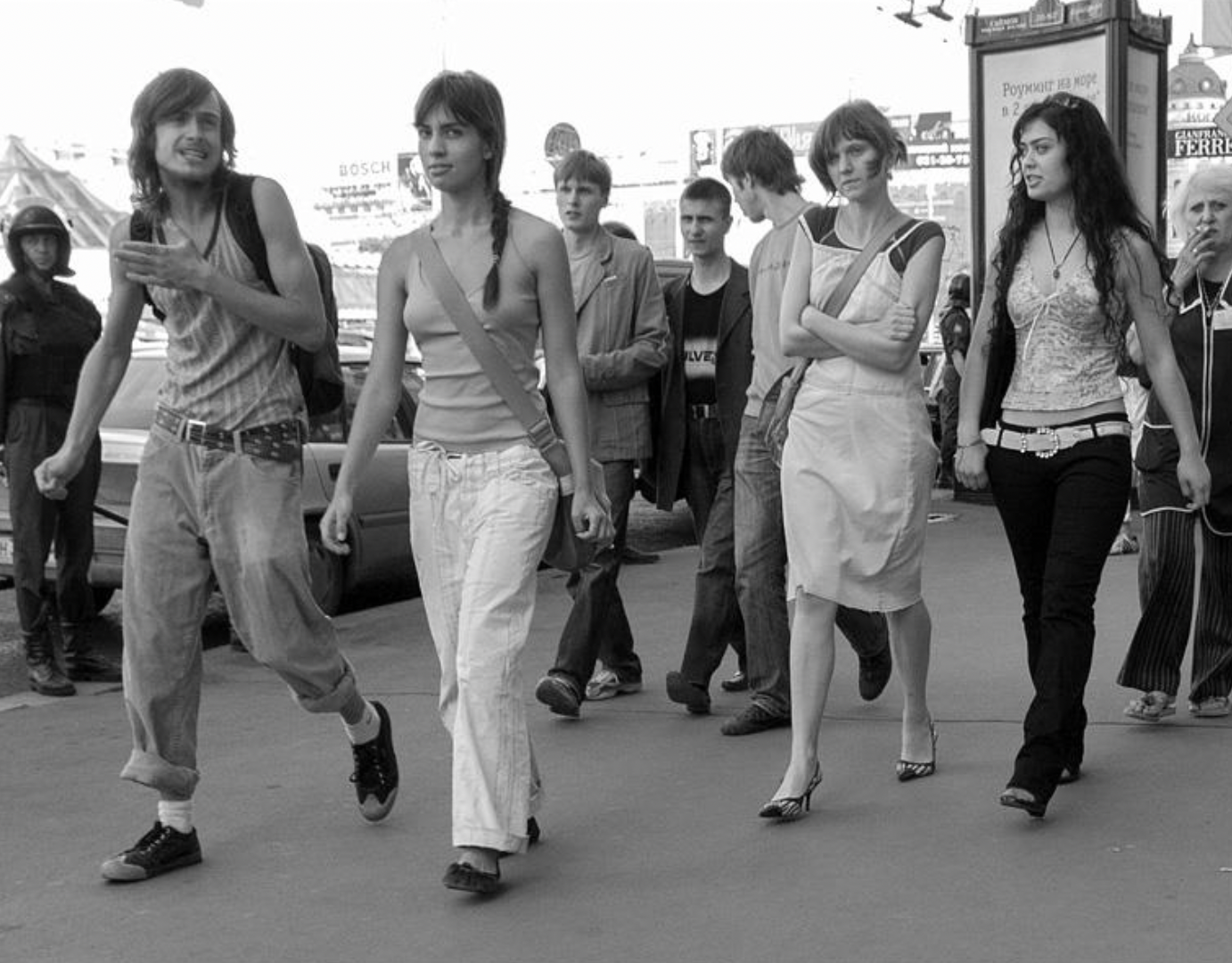
Few contemporary art groups have generated as much controversy—or as many criminal charges—as Voina ("War"), the Russian performance art collective founded in 2007. Part political activists, part conceptual artists, and part provocateurs, the group rejected galleries, museums, and the commercial art world in favor of disruptive public performances that challenged the authority of the Russian state. Voina believed that the artwork wasn't an object—it was the event itself. Their performances ranged from surreal pranks to acts of vandalism, often ending with arrests and international headlines. Among their most famous actions was Dick Captured by the FSB (2010), in which they painted a 65-meter phallus on a drawbridge in St. Petersburg. When the bridge opened, the image stood erect, pointing directly at the headquarters of Russia's Federal Security Service (FSB). The work became an instant symbol of artistic defiance and, remarkably, later won Russia's state-sponsored Innovation Prize for contemporary art. Other performances were even more confrontational. Members overturned police cars, staged mock executions, interrupted court proceedings with punk concerts, welded shut the doors of an elite restaurant, and organized provocative demonstrations criticizing corruption, police brutality, censorship, and political repression. More than a dozen criminal cases were eventually brought against members of the collective. The group's history also intersected with another famous activist collective. Nadezhda Tolokonnikova and Pyotr Verzilov were early members of Voina before splitting from the group in 2009. Two years later, Tolokonnikova co-founded Pussy Riot, whose anti-Putin protest inside Moscow's Cathedral of Christ the Saviour attracted worldwide attention. Their performances intentionally erased the boundary between art, activism, and crime, forcing audiences to confront uncomfortable questions about power, authority, and free expression. Voina demonstrated that in the twenty-first century, one of the most powerful canvases wasn't a museum wall—it was the street itself.
The Louvre
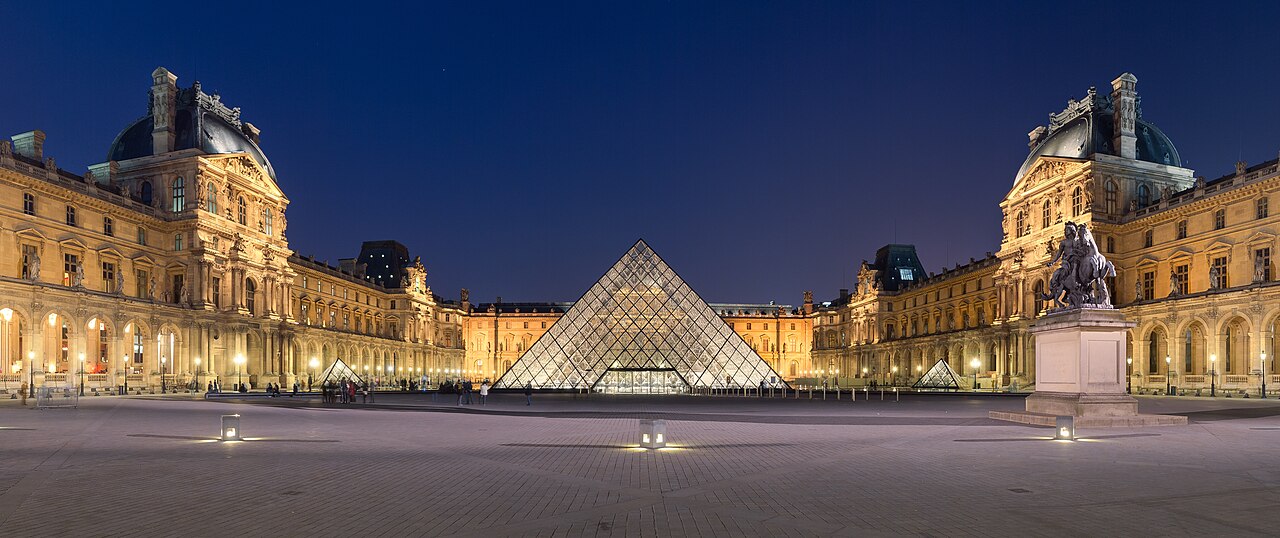
The world's most visited museum, the Louvre has been both a target and a fortress of cultural heritage. Its 1911 loss of the Mona Lisa transformed the painting into a global icon and reshaped museum security forever.
Three Decades On, the Gardner Reward Still Stands at $10 Million
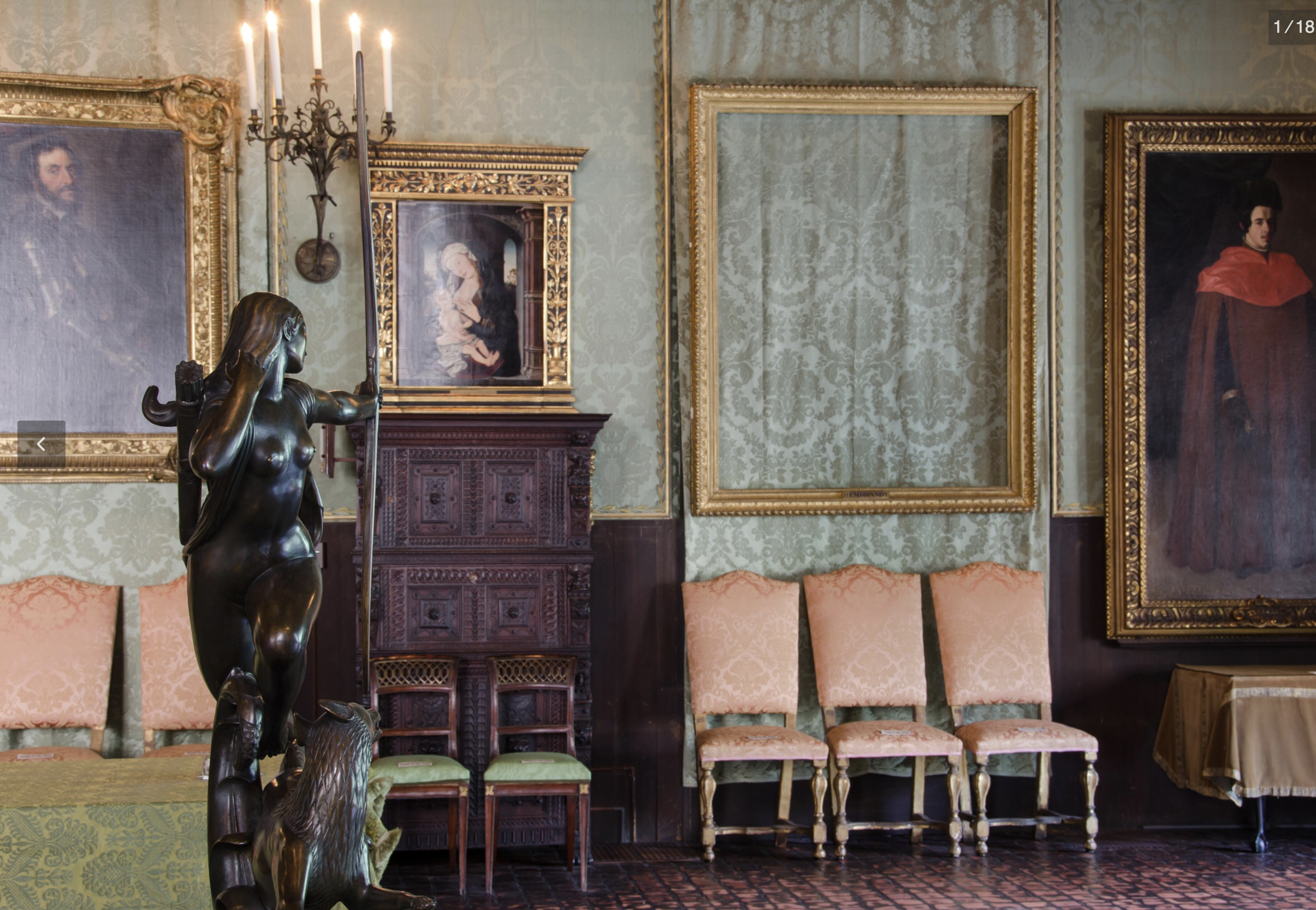
The museum reaffirms its offer as investigators mark another anniversary of the unsolved 1990 heist.
Louvre Heist Update: Mastermind Reportedly Told Crew They “Could Have Taken More”
Newly released suspect statements describe a post-heist “performance review” from an unidentified organizer known only as “Jo” — who thought the crew left valuable pieces behind.
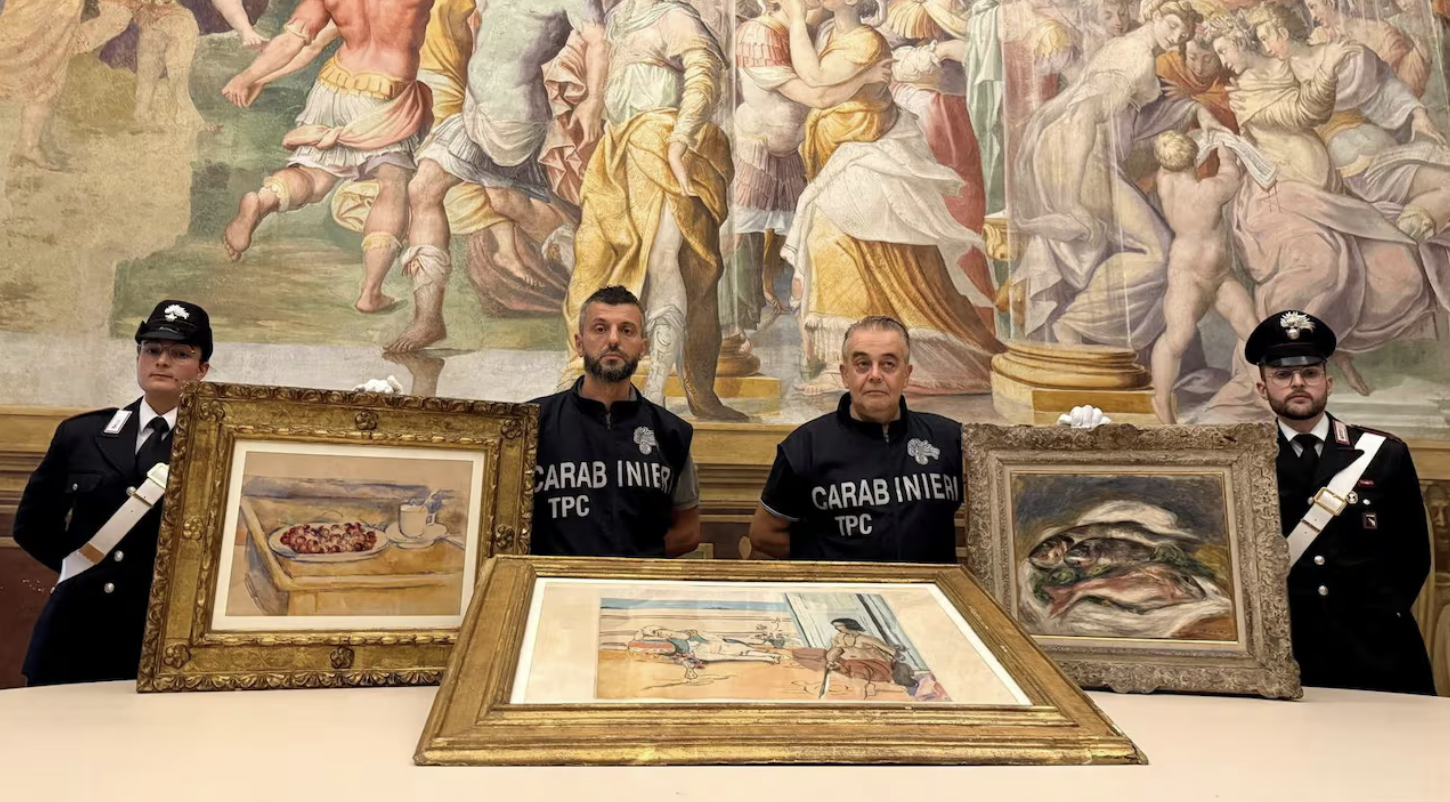
Parma-geddon Averted: The Carabinieri Bring Three Masterpieces Home

The Bored Guard Who Gave a Painting Eyes
On his very first day, a security guard grew bored and drew two pairs of eyes in ballpoint pen on the faceless figures of Anna Leporskaya's avant-garde painting 'Three Figures'.

The Carmen Tisch Incident
In a single visit, an intoxicated Carmen Tisch allegedly punched, scratched, and slid her butt against a Clyfford Still painting valued in the tens of millions — and, prosecutors said, may have urinated on it (though she reportedly missed).
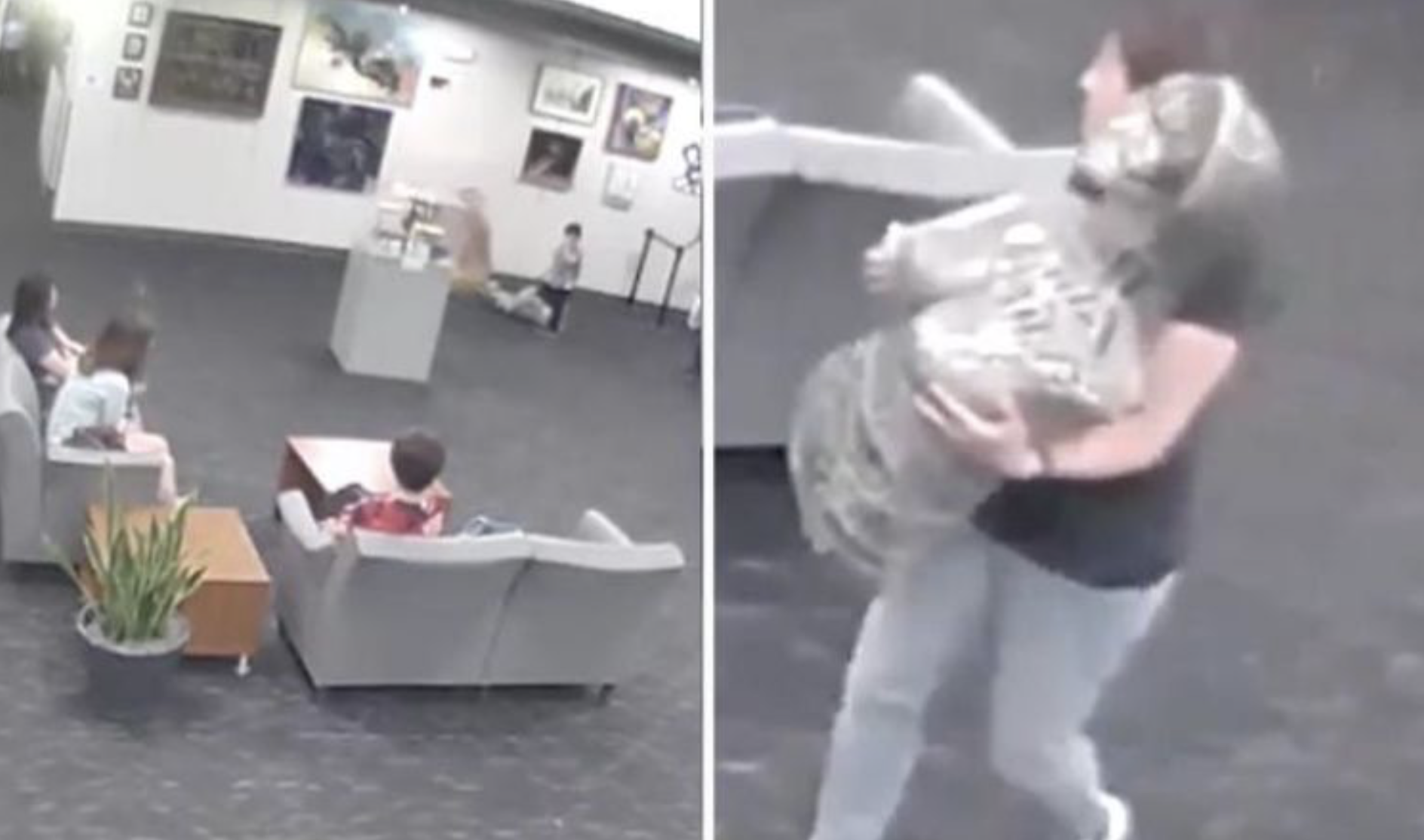
"Kansas City Reach Around" now costs $132,000!
During a wedding reception, a five-year-old boy wrapped his arms around Bill Lyons' six-foot glass sculpture 'Aphrodite di Kansas City'. Seconds later it tipped forward and shattered beyond repair.

The Princess, the Madonna, and a Wild Water Fight
A 19-year-old man allegedly hurled water at two centuries-old paintings — Ingres' 'The Princesse de Broglie' and Girolamo dai Libri's 'Madonna and Child with Saints' — and tore tapestries from the walls during a bizarre outburst at the Met.

Two Thousand Years, One Bad Afternoon
A man climbed the barriers and jumped nearly six metres into an excavation pit at Xi'an, pushing and pulling the ancient clay soldiers and damaging at least two before guards subdued him.

When Vandalism Became Performance Art
During a Jacques Lacan exhibition, artist Deborah De Robertis and collaborators wrote 'ME TOO' in red marker across Courbet's 'The Origin of the World' and targeted works by Louise Bourgeois and others.

Soup Season
Two activists from Riposte Alimentaire threw soup onto the protective glass of Monet's 'Le Printemps', demanding stronger action on climate and food security.

One Selfie, Three Priceless Vases
A visitor backing into a display pedestal to take a selfie toppled a stand holding three delicate Qing dynasty ceramic vessels. All three shattered.