Results for “war”

The NEA Four and the Culture Wars
After performance artists — among them Karen Finley — had NEA grants vetoed as too explicit, the ensuing fight produced 'NEA v. Finley', a Supreme Court case at the heart of debates over public funding and artistic freedom.

Van Meegeren's Vermeer Forgeries
Han van Meegeren painted 'lost' Vermeers so convincing that they entered major collections — and one reached Hermann Göring. Accused of selling a national treasure to the enemy, he confessed to the greater crime of forgery.

The Detention of Ai Weiwei
In 2011 Chinese authorities detained Ai Weiwei without charge for 81 days and later held his passport for years, part of a sustained campaign of censorship, surveillance, and pressure against the country's most prominent dissident artist.
The Medici Archive Investigation
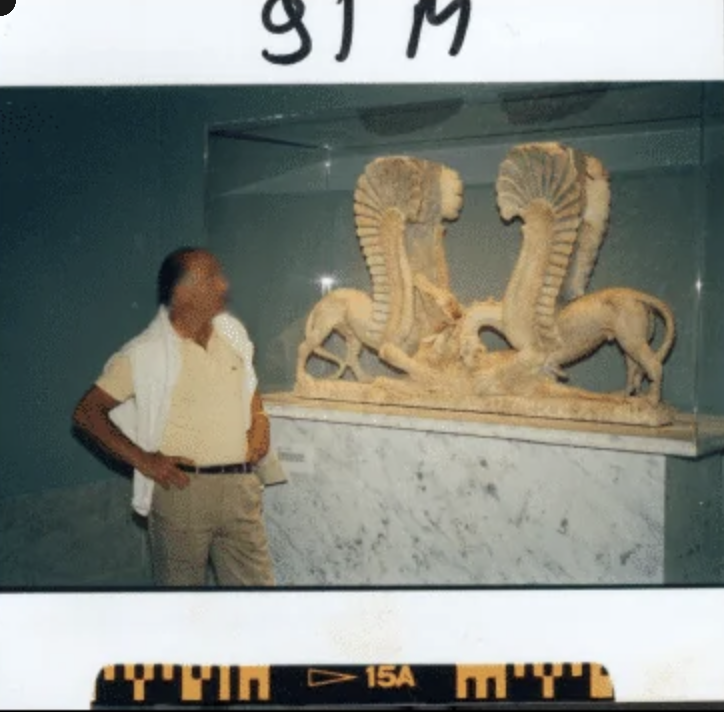
In 1995, investigators raided a warehouse in the Geneva Freeport and uncovered the archive of dealer Giacomo Medici — thousands of Polaroids of freshly looted objects that became a Rosetta Stone for the antiquities trade and drove restitutions from museums around the world.
Istvan Kantor's Blood X
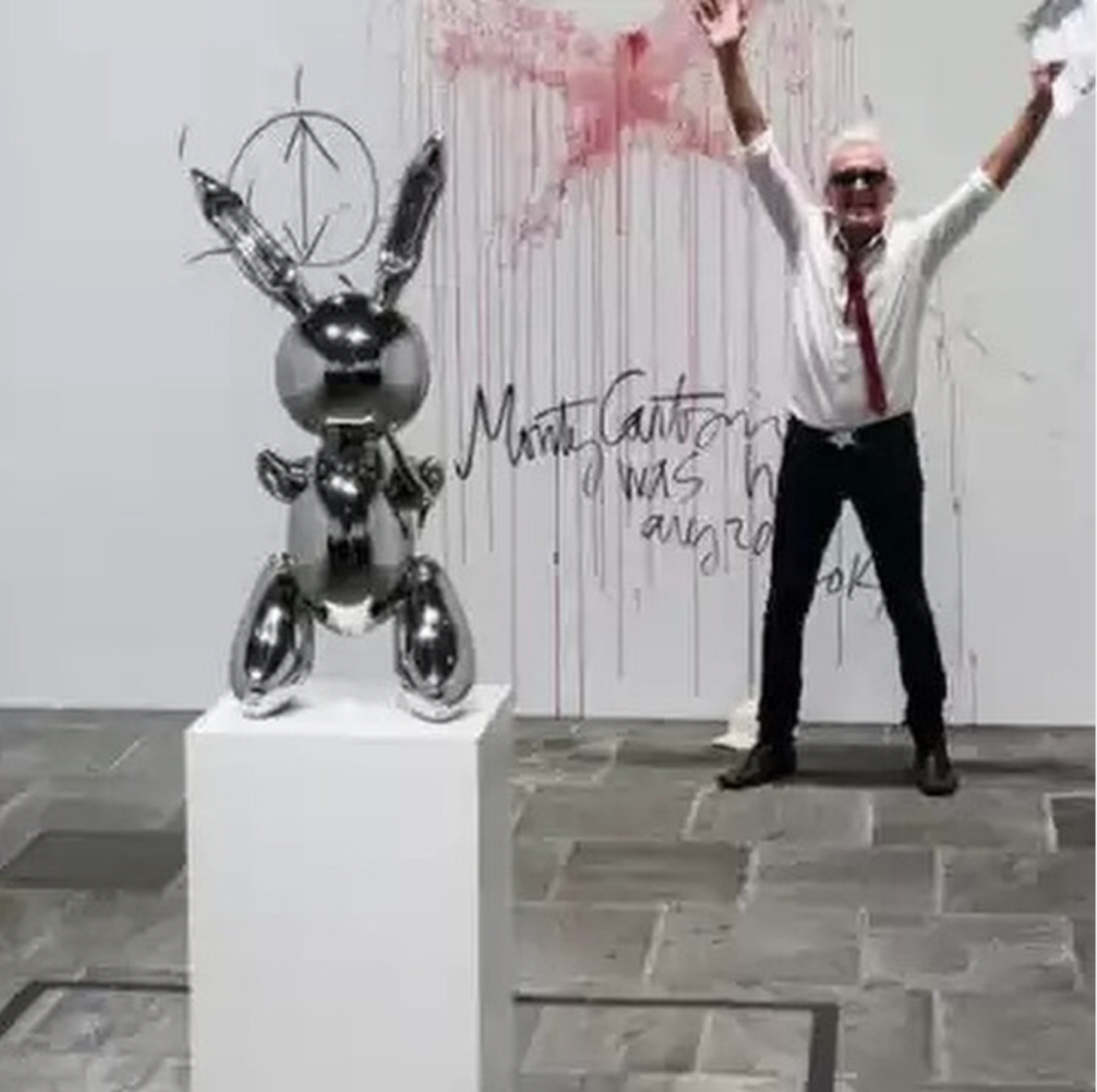
For over four decades Istvan Kantor — Monty Cantsin, founder of Neoism — has hurled his own blood in a great X across the walls of major museums, courting arrest as part of the artwork itself.

The National Museum of Iraq Looting
In the chaos following the 2003 invasion, the National Museum of Iraq was looted of thousands of objects spanning the dawn of civilisation. Recovery efforts continue two decades on.

Piss Christ and the Culture Wars
Andres Serrano's 'Piss Christ' — a crucifix immersed in the artist's urine — ignited a firestorm over public arts funding, drawing denunciations from the U.S. Senate, vandalism, and death threats that continue decades later.

The 2025 Louvre Crown Jewels Heist
On 19 October 2025, four men disguised as construction workers used a boom lift to enter the Louvre's Galerie d'Apollon, smashed the display cases of the French Crown Jewels, and escaped in under ten minutes with eight historic objects worth an estimated €88 million. Most remain missing.

The Isabella Stewart Gardner Heist
In the early hours after St. Patrick's Day 1990, two men dressed as police officers talked their way into the Gardner Museum and left with thirteen works of art. It remains the largest unsolved property theft in history. With a current value of $1 Billion.

The Perfect Moment: The Cincinnati Obscenity Trial
In 1990 the Contemporary Arts Center in Cincinnati and its director Dennis Barrie were criminally charged with obscenity for showing Robert Mapplethorpe's touring retrospective 'The Perfect Moment' — the first such prosecution of a U.S. museum. A jury acquitted them.

Pavel Otdelnov
Contemporary Russian painter documenting industrial ruin and collective memory, among the artists whose exhibitions have faced pressure and censorship in Russia over politically sensitive and anti-war themes.
Robert Mapplethorpe
American photographer whose refined, provocative images of flowers, portraits, and homoerotic and BDSM subjects made him a defining figure of late-20th-century art. His touring retrospective 'The Perfect Moment' ignited the U.S. culture wars and led to the first criminal obscenity trial of an American museum.
Asco
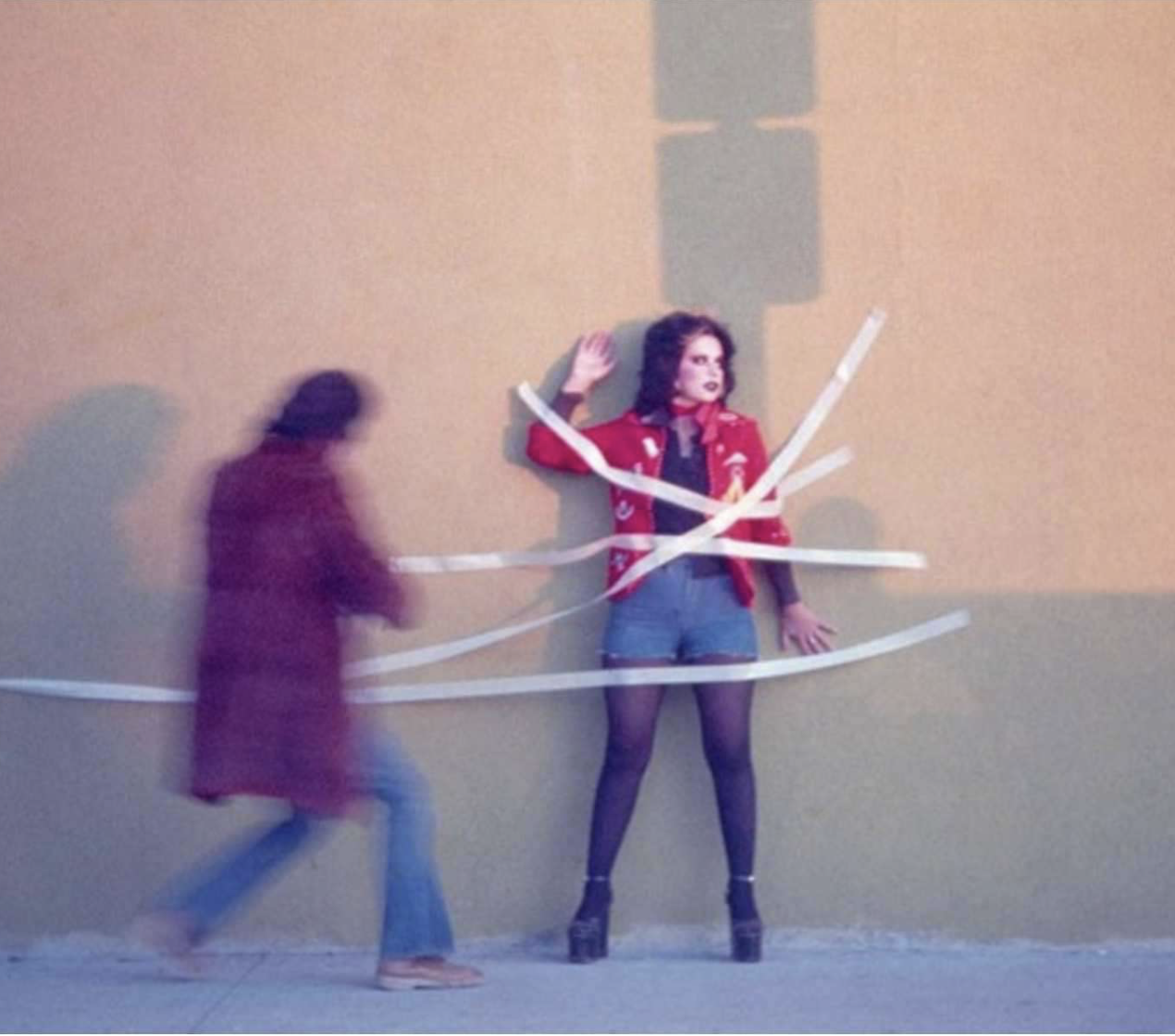
Founded in East Los Angeles in 1972, Asco — Spanish for 'disgust' or 'nausea' — was a groundbreaking Chicano art collective whose core members included Harry Gamboa Jr., Gronk, Willie F. Herrón III, and Patssi Valdez. Emerging from the aftermath of the Chicano Moratorium and amid widespread police violence, racism, and the Vietnam War, the group rejected both mainstream art institutions and the limitations of traditional political muralism. Instead, they embraced performance, conceptual art, photography, film, and public intervention to challenge stereotypes and redefine what Chicano art could be. Asco became famous for provocative works that blurred the line between art and activism. In their legendary 'Spray Paint LACMA' (1972), members tagged their names on a bridge at the Los Angeles County Museum of Art after being told that Chicanos didn't make 'fine art'. Their 'No Movies' series staged elaborate stills from fictional films, satirizing Hollywood's exclusion and stereotyping of Latinos, while performances such as 'Walking Mural' and 'Instant Mural' transformed the streets of East L.A. into living galleries. Although largely ignored by major museums during their active years (1972–1987), Asco's influence has grown dramatically. Their work has since been exhibited by major institutions, including LACMA, and they are now recognized as pioneers of conceptual art, performance, and institutional critique. In 2025, the documentary 'ASCO: Without Permission' brought renewed attention to the group's remarkable legacy and lasting impact on generations of artists.
David Wojnarowicz
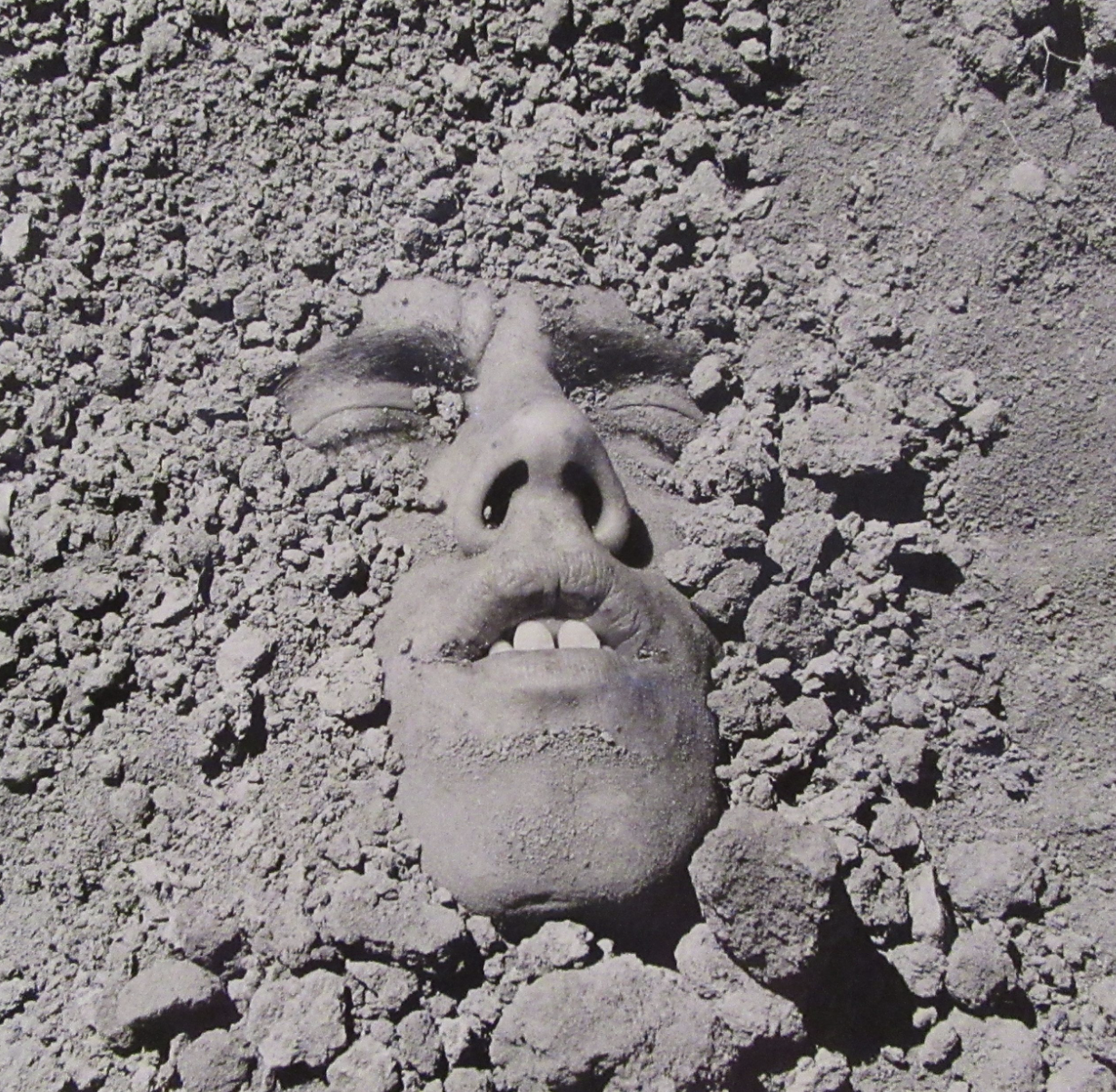
David Wojnarowicz (1954–1992) was an American artist, writer, filmmaker, photographer, and AIDS activist whose work became one of the most powerful artistic indictments of censorship, government neglect, and social injustice in the late twentieth century. Raised amid poverty and abuse before spending time homeless and hustling on the streets of New York, Wojnarowicz transformed his experiences on society's margins into a fiercely original body of work that blended painting, photography, collage, film, performance, and autobiographical writing. A central figure of New York's East Village art scene in the 1980s, he believed art should confront power rather than comfort it. For followers of Crimes of Art, Wojnarowicz occupies a unique place where art, censorship, and the law collide. His work challenged institutions ranging from the National Endowment for the Arts to conservative political organizations during the height of America's culture wars. In 1990, he successfully sued the American Family Association after it distributed altered excerpts of his work to portray him as obscene, winning a landmark case that affirmed artists could fight back against the deliberate misrepresentation of their work. His art was inseparable from activism. Following his HIV diagnosis in 1988 and the death of his mentor and partner, photographer Peter Hujar, Wojnarowicz produced emotionally charged works condemning the U.S. government's indifference to the AIDS epidemic. Images of burning maps, falling buffalo, houses in flames, stitched mouths, and fragmented bodies became symbols of a society abandoning its most vulnerable citizens. His memoir 'Close to the Knives' remains one of the defining literary accounts of the AIDS crisis and artistic resistance. Even after his death from AIDS-related illness in 1992 at the age of thirty-seven, controversy continued to follow his work. In 2010, the Smithsonian Institution removed his short film 'A Fire in My Belly' from an exhibition after political pressure from conservative groups over a brief scene depicting ants crawling across a crucifix. The incident reignited a national debate over artistic freedom, censorship, religion, and public funding for the arts, cementing Wojnarowicz's legacy as an artist whose work continued to challenge authority long after his death. Today, David Wojnarowicz is recognized as one of the most influential American artists of his generation. His work can be found in the collections of the Museum of Modern Art, the Whitney Museum of American Art, and major institutions worldwide. More than three decades after his death, his uncompromising vision continues to inspire artists, activists, and anyone interested in the uneasy relationship between creativity, power, and the law.

Anthony M. Amore
Director of Security at the Isabella Stewart Gardner Museum and the leading investigator on its unsolved 1990 heist. Amore has written extensively on art theft and forgery and continues to pursue leads on the thirteen works taken from the Gardner. Check out his talk on YouTube: https://www.youtube.com/watch?v=Hs5d9KApA60 Check out his books: https://www.anthonyamore.com

Ron Athey
American performance artist whose blood-based, body-modification works became a flashpoint in the 1990s culture wars, fuelling congressional attacks on the National Endowment for the Arts.
Voina
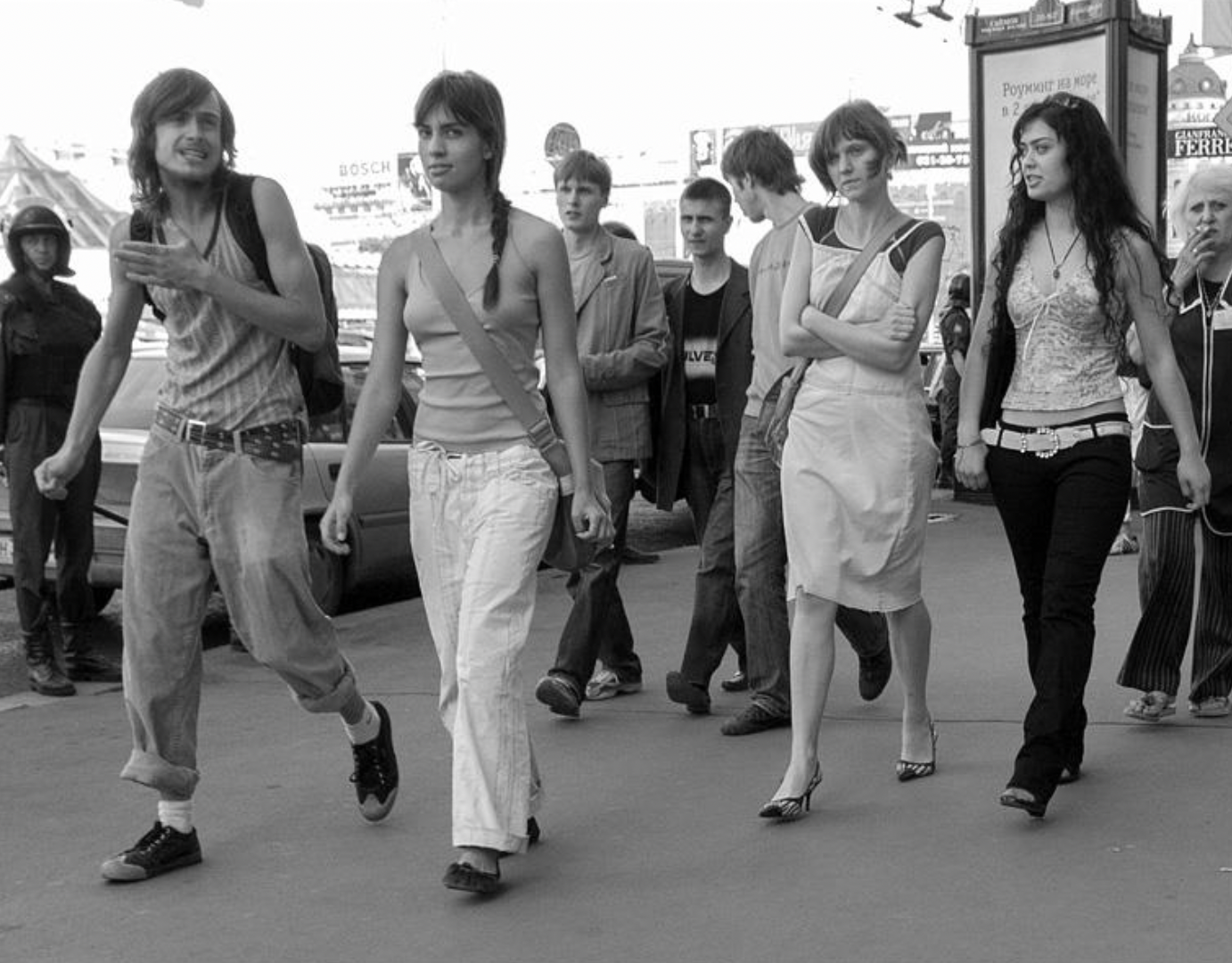
Few contemporary art groups have generated as much controversy—or as many criminal charges—as Voina ("War"), the Russian performance art collective founded in 2007. Part political activists, part conceptual artists, and part provocateurs, the group rejected galleries, museums, and the commercial art world in favor of disruptive public performances that challenged the authority of the Russian state. Voina believed that the artwork wasn't an object—it was the event itself. Their performances ranged from surreal pranks to acts of vandalism, often ending with arrests and international headlines. Among their most famous actions was Dick Captured by the FSB (2010), in which they painted a 65-meter phallus on a drawbridge in St. Petersburg. When the bridge opened, the image stood erect, pointing directly at the headquarters of Russia's Federal Security Service (FSB). The work became an instant symbol of artistic defiance and, remarkably, later won Russia's state-sponsored Innovation Prize for contemporary art. Other performances were even more confrontational. Members overturned police cars, staged mock executions, interrupted court proceedings with punk concerts, welded shut the doors of an elite restaurant, and organized provocative demonstrations criticizing corruption, police brutality, censorship, and political repression. More than a dozen criminal cases were eventually brought against members of the collective. The group's history also intersected with another famous activist collective. Nadezhda Tolokonnikova and Pyotr Verzilov were early members of Voina before splitting from the group in 2009. Two years later, Tolokonnikova co-founded Pussy Riot, whose anti-Putin protest inside Moscow's Cathedral of Christ the Saviour attracted worldwide attention. Their performances intentionally erased the boundary between art, activism, and crime, forcing audiences to confront uncomfortable questions about power, authority, and free expression. Voina demonstrated that in the twenty-first century, one of the most powerful canvases wasn't a museum wall—it was the street itself.
Leslie "Les" Roberts: The Art Dealer Who Just Kept Faking It
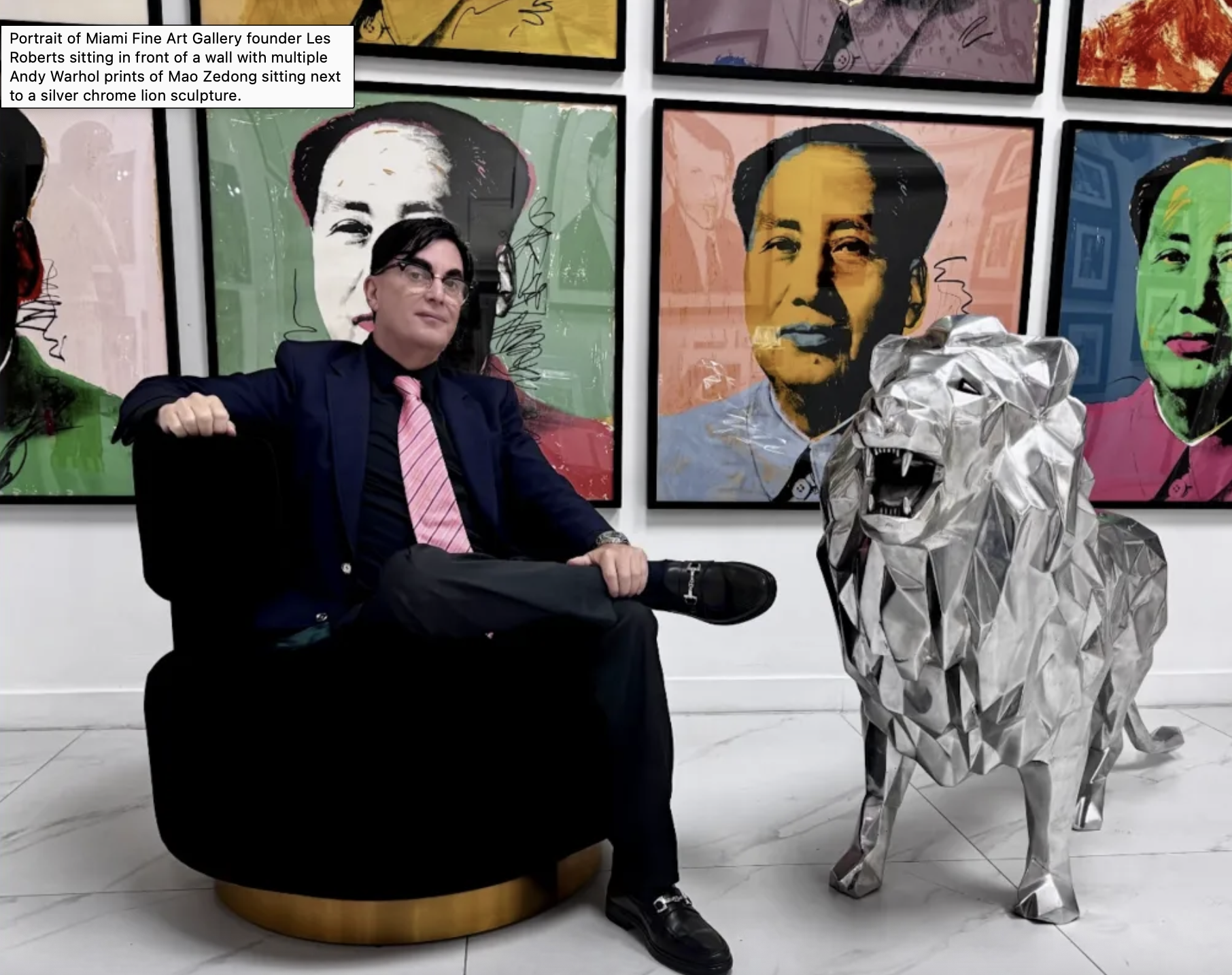
A long history of fraud, forged art, and reinvented galleries now intersects with the FBI investigation surrounding Dane Fine Art. For Leslie “Les” Roberts, the art business has apparently never been short on drama. Roberts built a career selling works by some of the biggest names in modern and contemporary art. He also built a remarkably persistent relationship with the criminal justice system. His history includes financial fraud, forged artwork, fake certificates of authenticity, and repeated lawsuits from collectors. His first major fraud case came long before Warhol entered the picture. In his early twenties, Roberts worked as a stockbroker and managed an investment portfolio belonging to his great-uncle. According to The New York Times, Roberts made unauthorized transactions and convinced his uncle that an account worth millions had actually grown enormously when it had instead lost most of its value. He pleaded guilty to mail fraud and conspiracy and was sentenced to 15 years in prison. Years later, Roberts reinvented himself as an art dealer in Miami. His résumé included claims of studying at NYU and interning at Sotheby's; NYU later told Miami New Times that it had no record of Roberts attending the university. The art-world reinvention eventually produced another FBI case. Roberts operated Max in the Grove, presenting himself as a dealer specializing in Peter Max. Former FBI agent Robert Giczy became involved after a collector discovered that 13 of 17 Peter Max works, valued at approximately $635,000, appeared to have been replaced with fakes. Investigators eventually recovered more than 300 forged Max works. According to Giczy, Roberts's children helped produce the counterfeits, while fake certificates of authenticity were manufactured at the gallery. Roberts eventually pleaded guilty to mail fraud and was sentenced in 2015 to 22 months in prison. Then came Andy Warhol. In 2023, Florida collectors Richard and Judy Perlman encountered Roberts at his Miami gallery. According to their lawsuit, he told them he had a relationship with the Andy Warhol Foundation and could acquire works at below-market prices. The Perlmans ultimately say they spent more than $6.7 million on works represented as authentic Warhols. They later alleged that the works were forged. Federal prosecutors separately indicted Roberts in 2025, alleging that he sold forged Warhol works while falsely claiming that he had acquired them directly from the Warhol Foundation and supplied fraudulent invoices and authentication materials. Roberts later pleaded guilty to art-related wire fraud and is awaiting sentencing. And this is where the story connects directly to Dane Fine Art. The Perlmans' new lawsuit alleges that Roberts wasn't operating alone. It names Nathan “Nicky” Isen and his Pennsylvania gallery, Dane Fine Art, as part of an alleged pipeline supplying forged Warhol works. According to the complaint, Dane Fine Art supplied works and documentation that eventually reached Roberts's Miami operation, with the alleged network extending from Pennsylvania to Florida and Peru. Isen categorically denies wrongdoing and any connection to the alleged conspiracy. The timing is particularly interesting. The FBI searched Dane Fine Art in July 2026, describing the operation only as “court-authorized law enforcement activity.” The bureau has not publicly confirmed that the search was connected to the Perlman lawsuit. Isen, meanwhile, has his own history with federal authorities. He pleaded guilty in 2015 to money laundering after selling artwork for cash he understood to be proceeds from drug sales. He subsequently operated his Philadelphia gallery under the Dane Fine Art name. So Roberts and Dane Fine Art aren't simply two names that happen to appear in the same lawsuit. The current allegations describe something more interesting: a supply chain. One dealer allegedly provides the inventory, another provides the storefront and collectors, and authentication paperwork helps turn questionable objects into apparently legitimate works of art. That's what makes the current case worth watching. Roberts has already demonstrated how convincing a fake can become when it is surrounded by the right gallery, the right paperwork, and the right story. Now investigators are looking at whether some of the machinery behind that operation extended to Pennsylvania. For the moment, however, the allegations against Isen and Dane Fine Art remain just that—allegations. No charges have been announced against Isen in connection with the FBI searches, and he has denied wrongdoing. Still, there is something almost perfectly circular about the story: a dealer with a long history of art fraud allegedly finds another dealer willing to supply the merchandise, and the FBI eventually comes knocking on the supplier's door. Hot Tip: If you're art dealer looks too much Like WWE's Paul Bearer...RUN!
Portrait of a Young Man
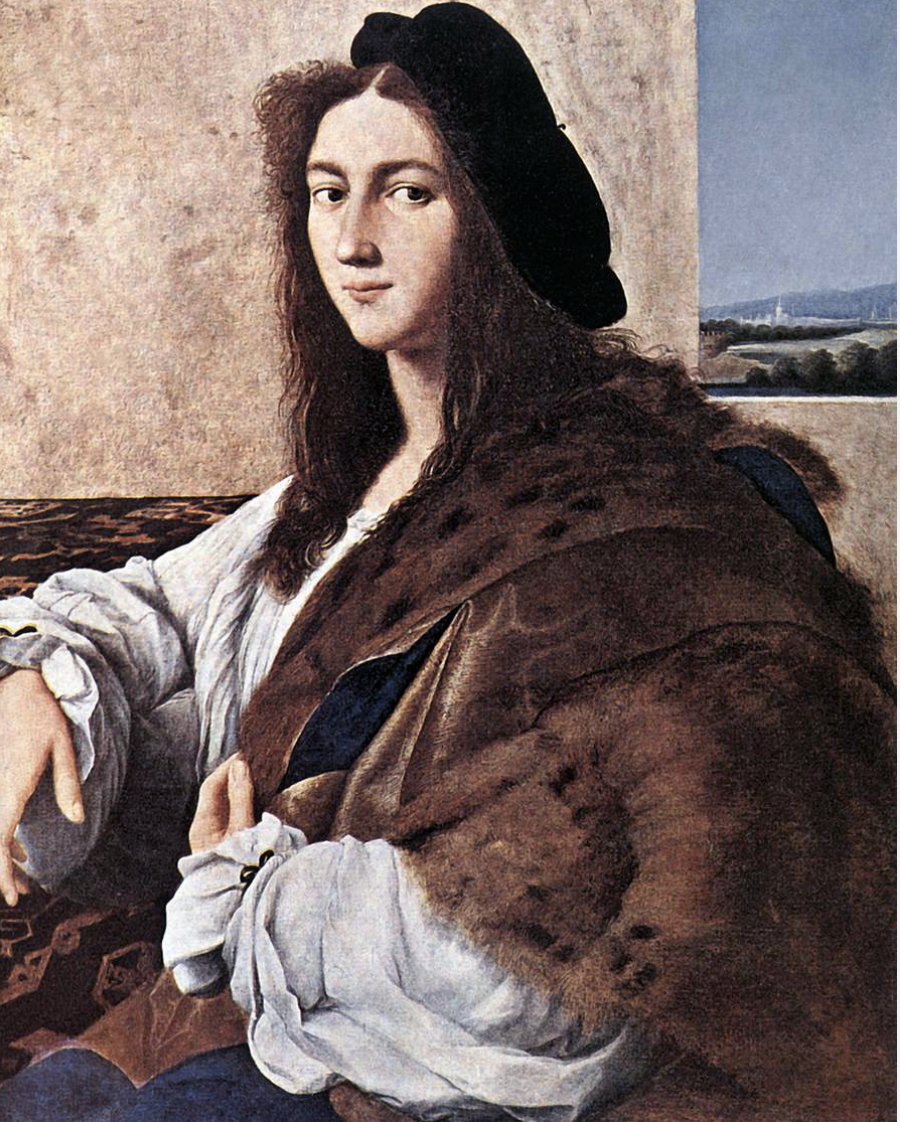
Widely considered the most important painting still missing since the Second World War. Looted by the Nazis from Poland's Czartoryski collection and last seen in 1945. Known today mainly from a pre-war photograph.

The Painter on the Road to Tarascon
A self-portrait of Van Gogh walking to work, held in Magdeburg and believed destroyed by fire in Germany during the Second World War. Survives only in reproductions.
Woman Dressing Her Hair
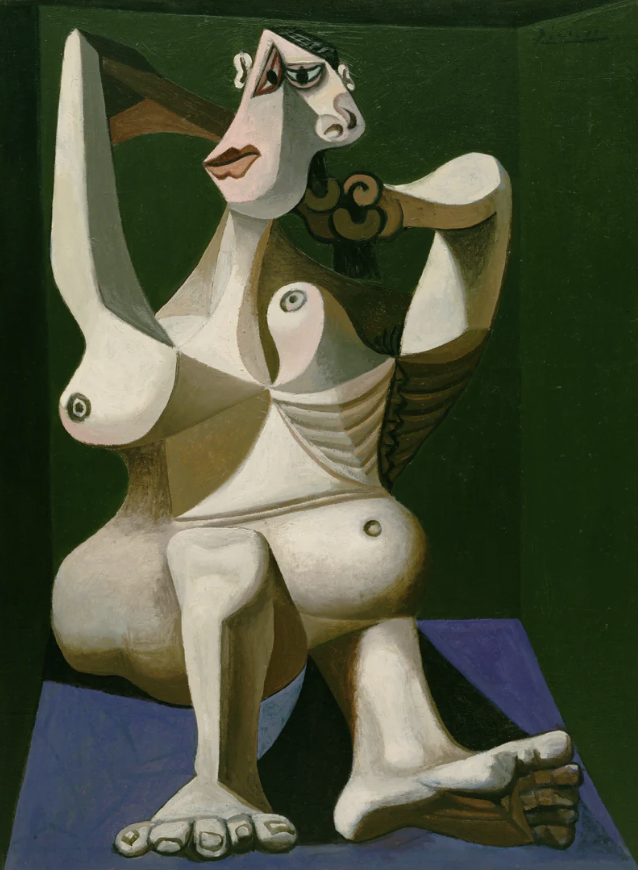
A wartime Picasso whose ownership and provenance have been the subject of competing claims and legal disputes.

Cortège aux Environs de Florence
A Degas drawing among the thirteen works stolen from the Isabella Stewart Gardner Museum in 1990.
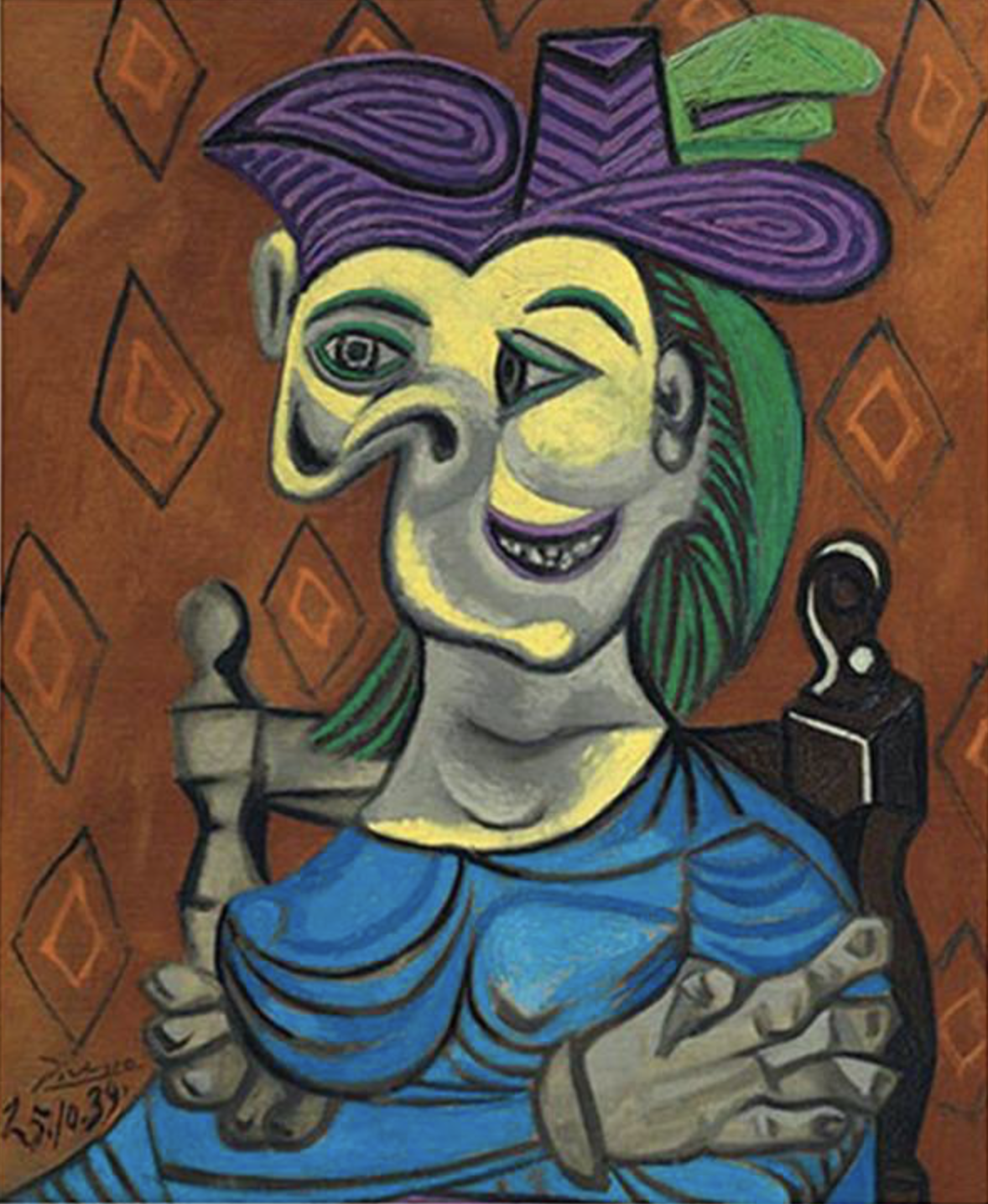
Femme Assise
A seated-woman composition by Picasso caught up in wartime displacement and later recovered.

Isabella Stewart Gardner Museum
A Venetian-style palazzo in Boston built to house Isabella Stewart Gardner's collection. In 1990 it became the site of the largest unsolved art theft in history; by the terms of Gardner's will, the empty frames of the stolen works still hang in place, awaiting their return.

Brooklyn Museum
The New York museum at the center of the 1999 'Sensation' culture-war clash over Chris Ofili's Madonna.
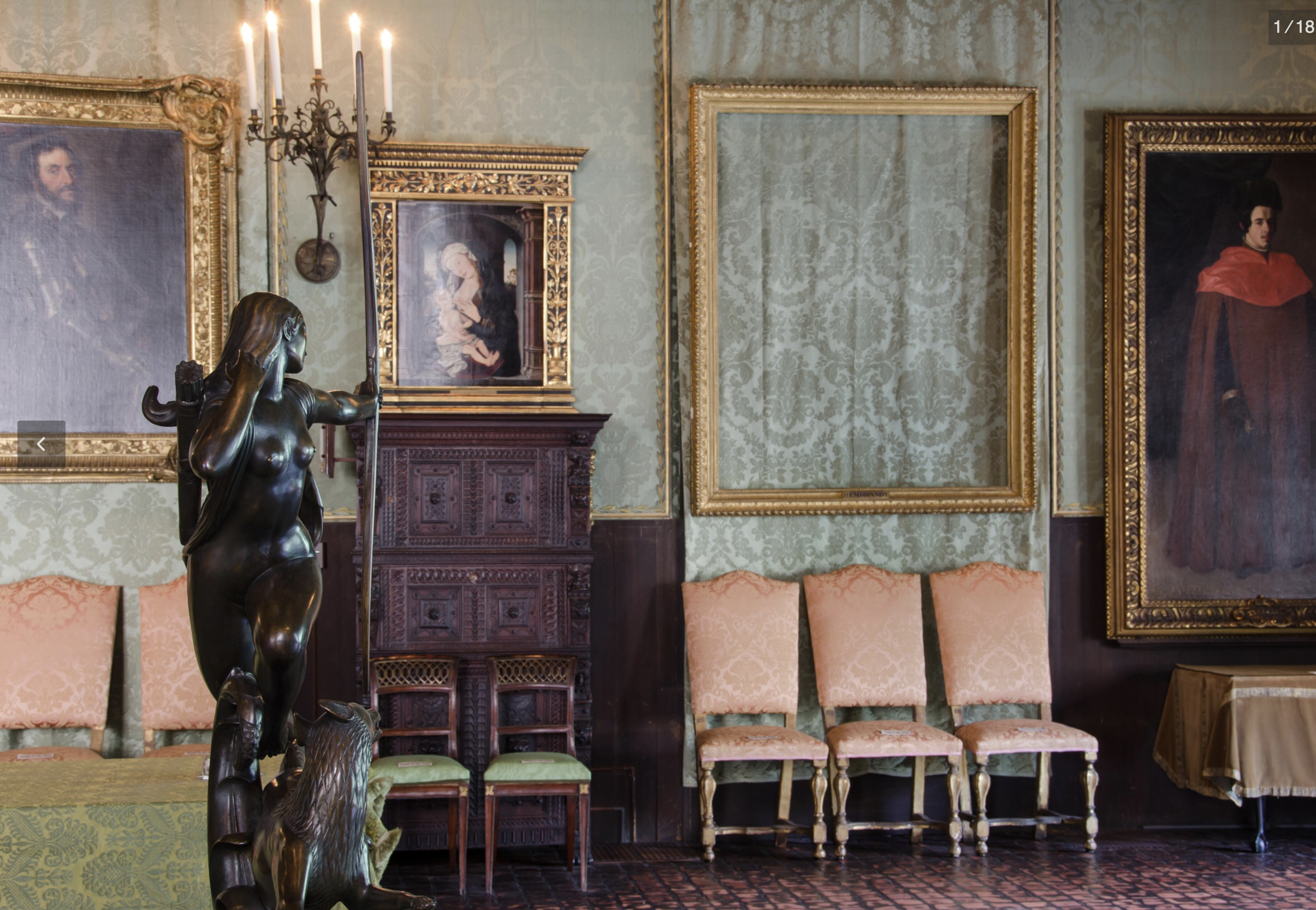
Three Decades On, the Gardner Reward Still Stands at $10 Million
The museum reaffirms its offer as investigators mark another anniversary of the unsolved 1990 heist.
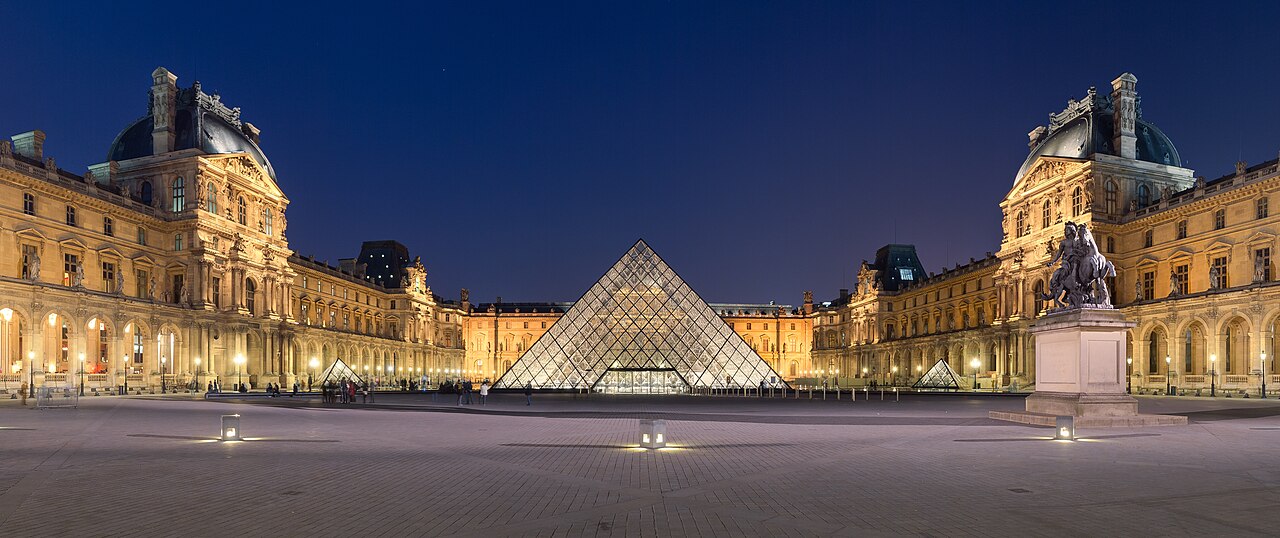
Louvre Heist Update: Mastermind Reportedly Told Crew They “Could Have Taken More”
Newly released suspect statements describe a post-heist “performance review” from an unidentified organizer known only as “Jo” — who thought the crew left valuable pieces behind.
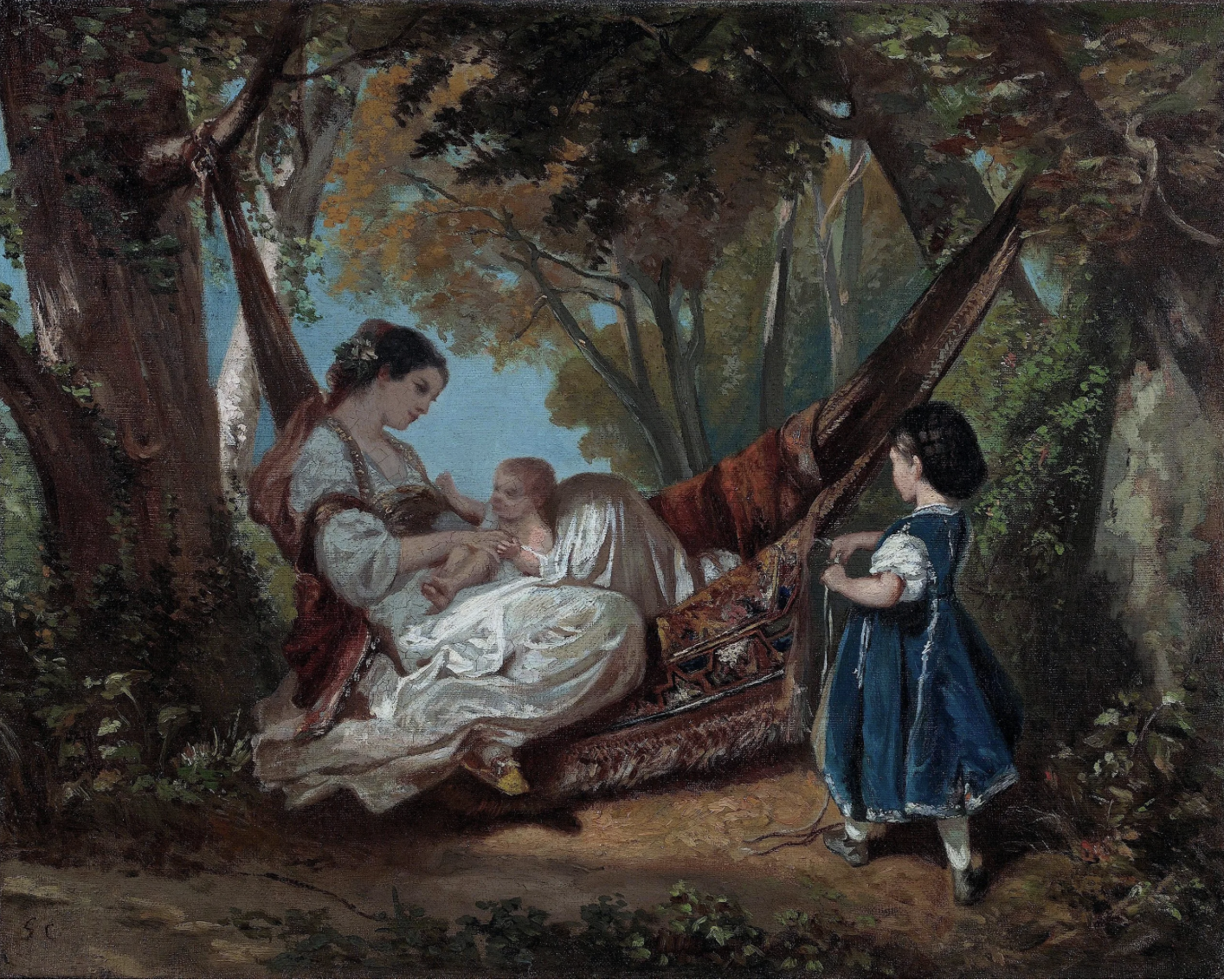
Double Crossed Corbet
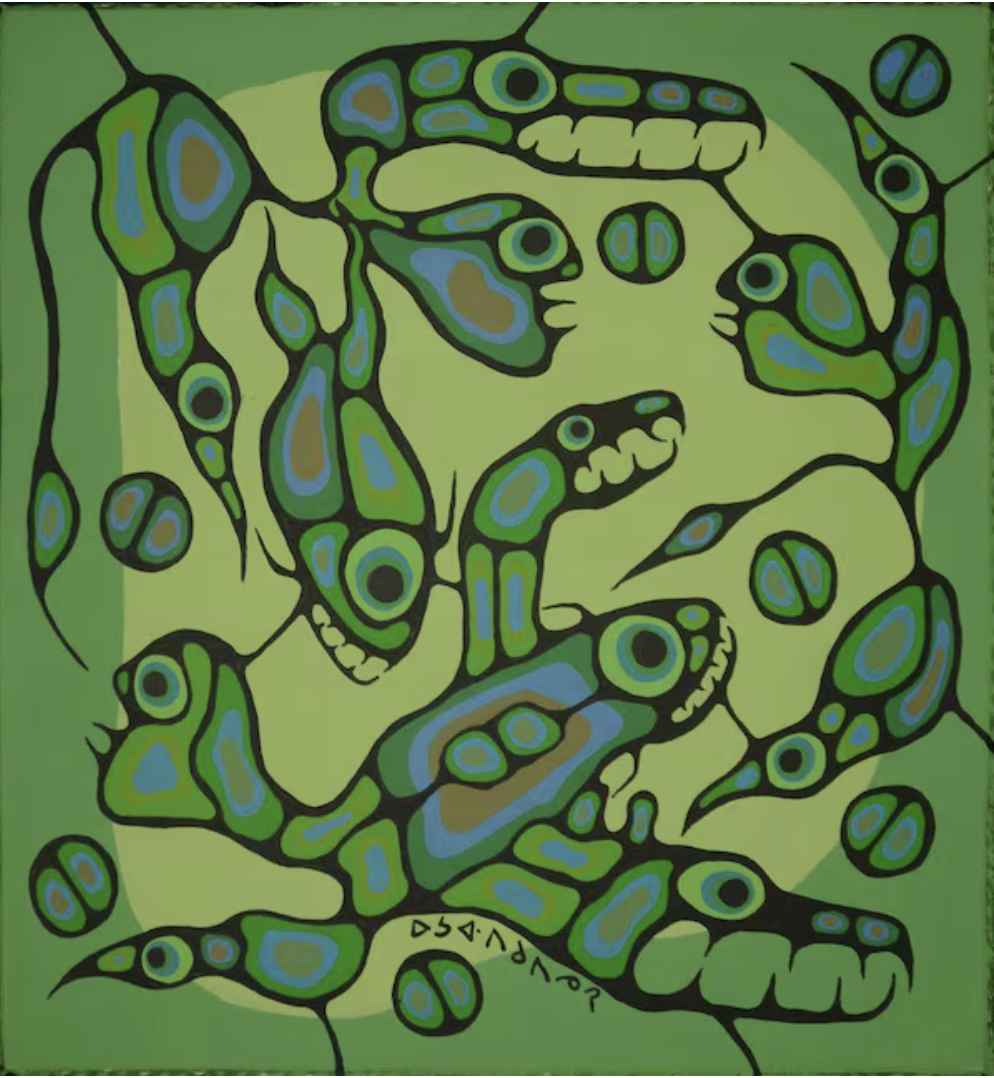
The Fakes Fight Back!
More than 50 counterfeit Norval Morrisseau paintings have been permanently removed from the market—but experts say thousands are still out there.

Father Daughter Forger Family's 2mil hobby
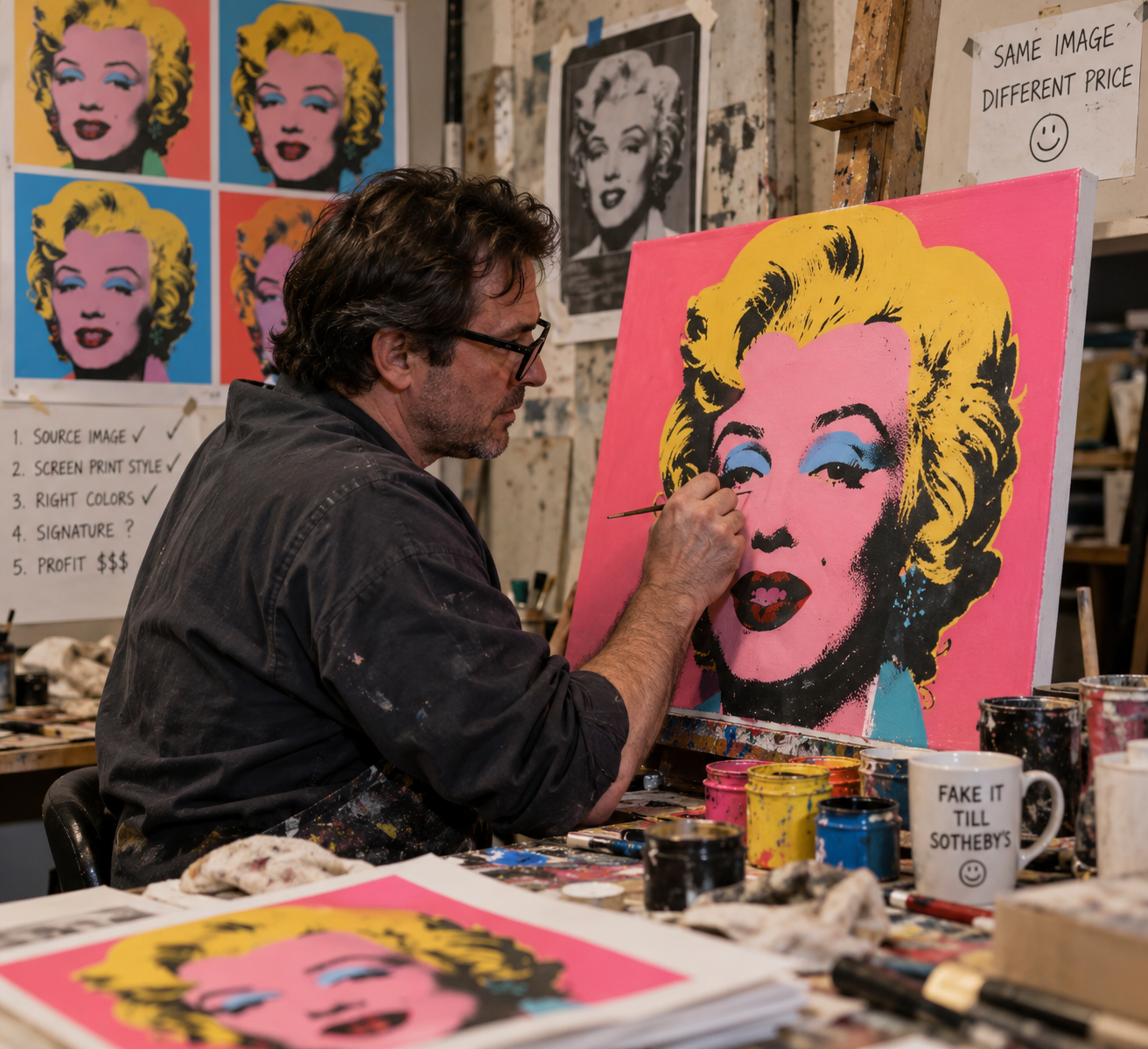
Warhol Collectors Get Bitten By The Dane!
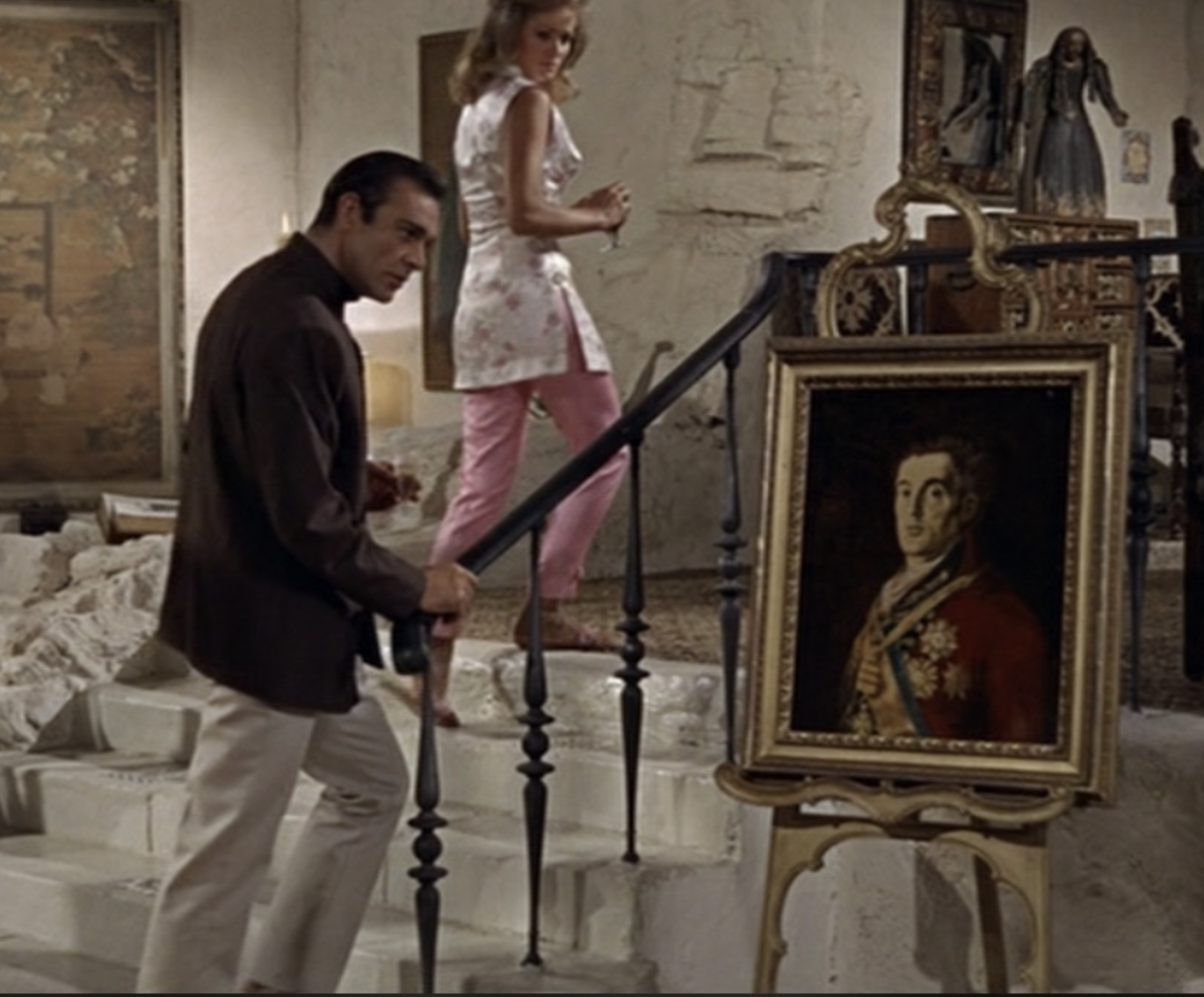
So You Stole a Masterpiece. Now What?
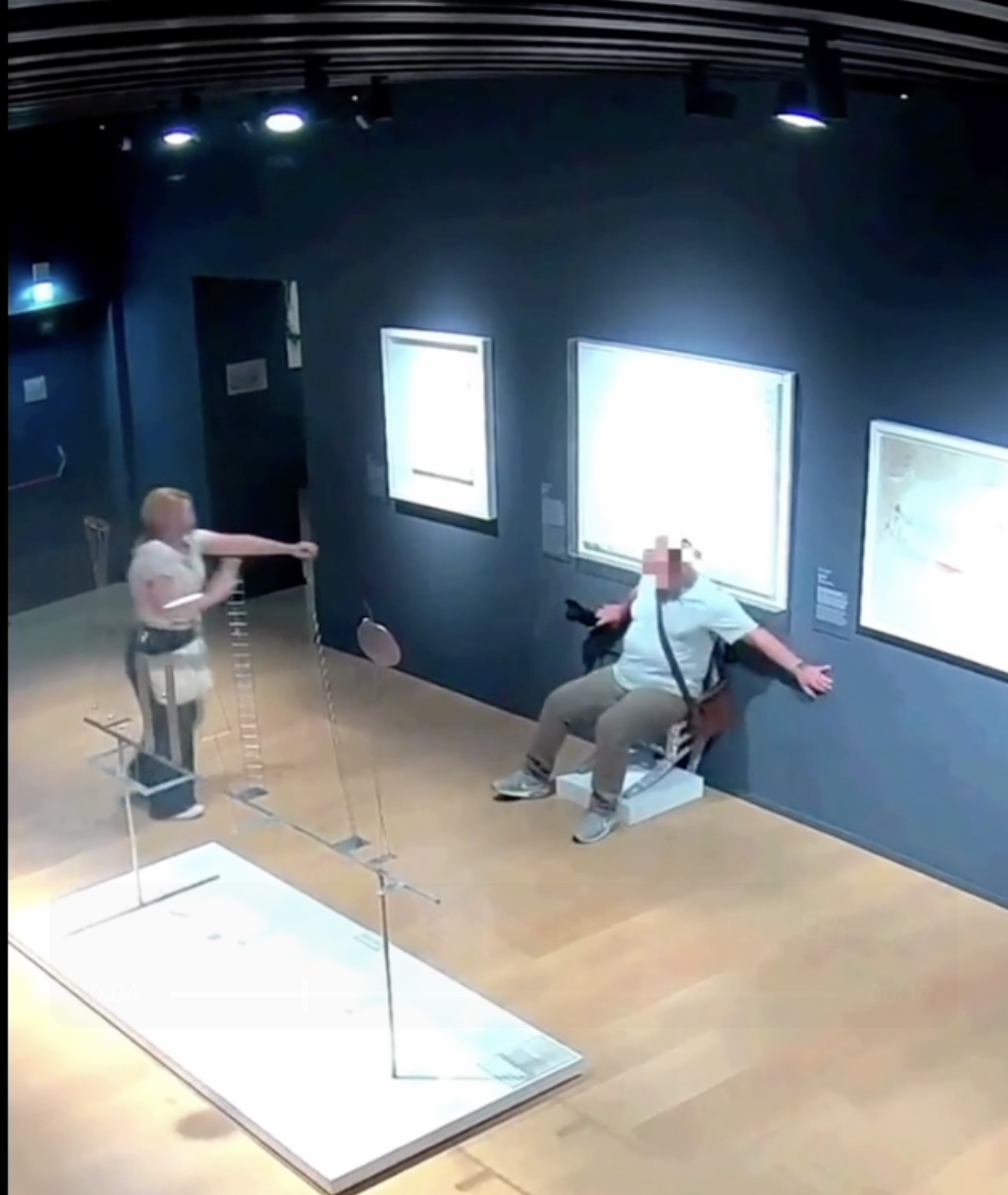
The Tourist Who Sat on the Crystal Chair
A visitor lowered himself onto Nicola Bolla's Swarovski-crystal-encrusted 'Van Gogh' chair to strike a pose. The chair, which was art and not furniture, promptly gave way beneath him.
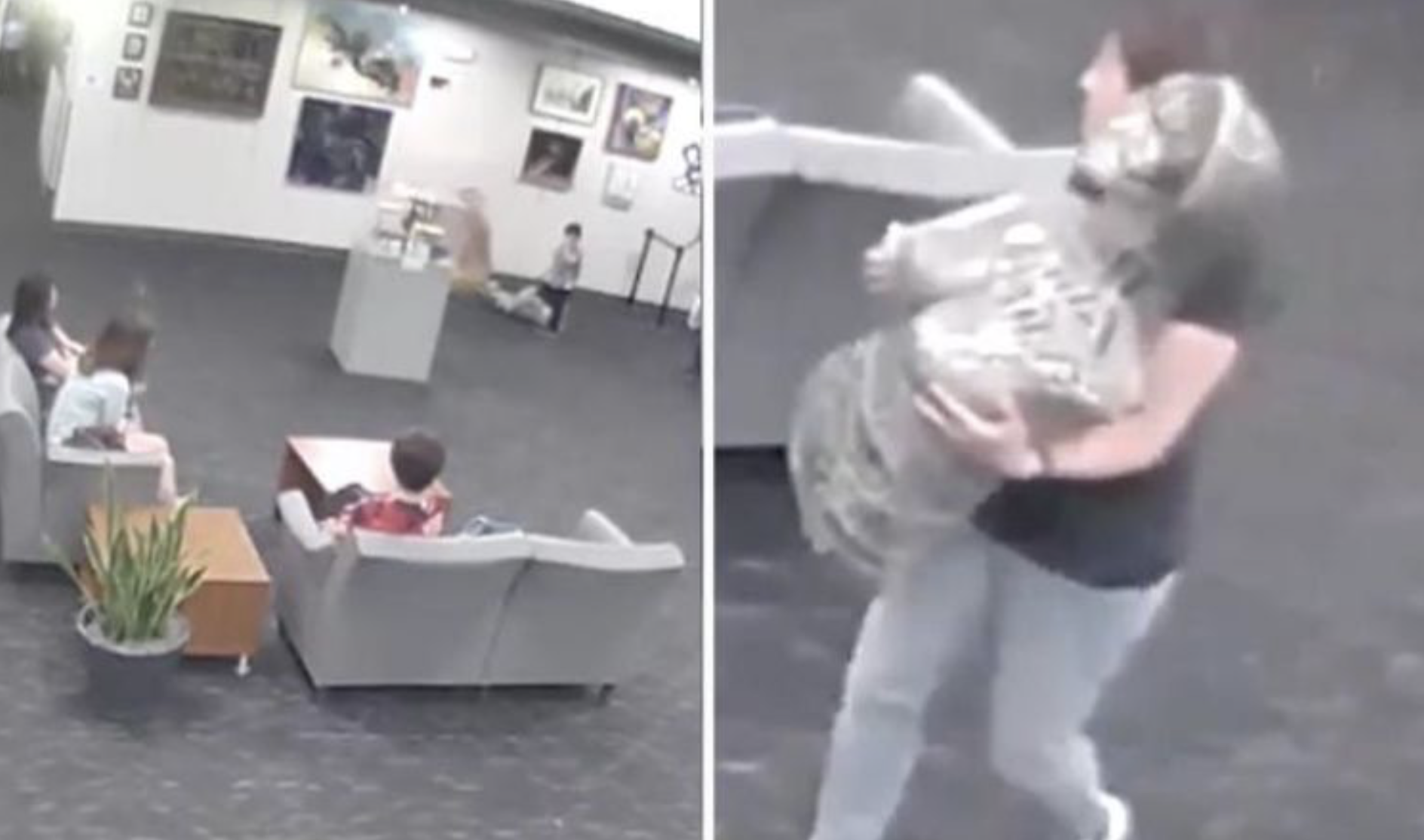
"Kansas City Reach Around" now costs $132,000!
During a wedding reception, a five-year-old boy wrapped his arms around Bill Lyons' six-foot glass sculpture 'Aphrodite di Kansas City'. Seconds later it tipped forward and shattered beyond repair.

Serial Vandal Meets the Renaissance
In April 1988 a serial vandal Hans-Joachim Bolhmann hurled sulfuric acid at Albrecht Dürer's 'Mater Dolorosa', a central panel of the Seven Sorrows Polyptych, permanently damaging parts of the 500-year-old work.

Pink Paint and a Canadian Masterpiece
A protester from Last Generation Canada threw bright pink paint toward Helen McNicoll's 'Sunny September', declaring the aim was not to destroy art but to protect the future it represents.

Two Thousand Years, One Bad Afternoon
A man climbed the barriers and jumped nearly six metres into an excavation pit at Xi'an, pushing and pulling the ancient clay soldiers and damaging at least two before guards subdued him.

The Warhol Mistaken for Rubbish
A rare Andy Warhol silkscreen of Queen Beatrix, part of the 'Reigning Queens' series, was most likely thrown out with construction debris during town-hall renovations and destroyed at a waste facility.

Fewer Seasons Left to Paint
An activist adhered a printed image of Monet's 'Poppy Field' transformed by a warmer climate onto its protective glazing, then glued a hand to the gallery wall.

Soup Season
Two activists from Riposte Alimentaire threw soup onto the protective glass of Monet's 'Le Printemps', demanding stronger action on climate and food security.

Gauguin Gets Caked
A woman smeared a freshly baked red velvet cake across the protective glass of Gauguin's 'Two Tahitian Women', declaring the artwork 'evil'.

One Selfie, Three Priceless Vases
A visitor backing into a display pedestal to take a selfie toppled a stand holding three delicate Qing dynasty ceramic vessels. All three shattered.