Results for “painting”

The Beltracchi Forgery Ring
Rather than copy existing paintings, Wolfgang Beltracchi invented new 'lost' works by twentieth-century masters and gave them a fake history. A single anachronistic pigment brought the whole edifice down.

The Caravaggio Nativity, Palermo
In 1969 Caravaggio's 'Nativity with St. Francis and St. Lawrence' was crudely cut from its frame in a Palermo oratory. Long linked to the Sicilian Mafia, it remains one of the world's most-wanted missing paintings.

The Kunsthal Rotterdam Heist
In a two-minute raid in 2012, thieves took seven works — by Picasso, Monet, Matisse, Gauguin and Freud — from the Kunsthal. The mother of one suspect later claimed she burned them.
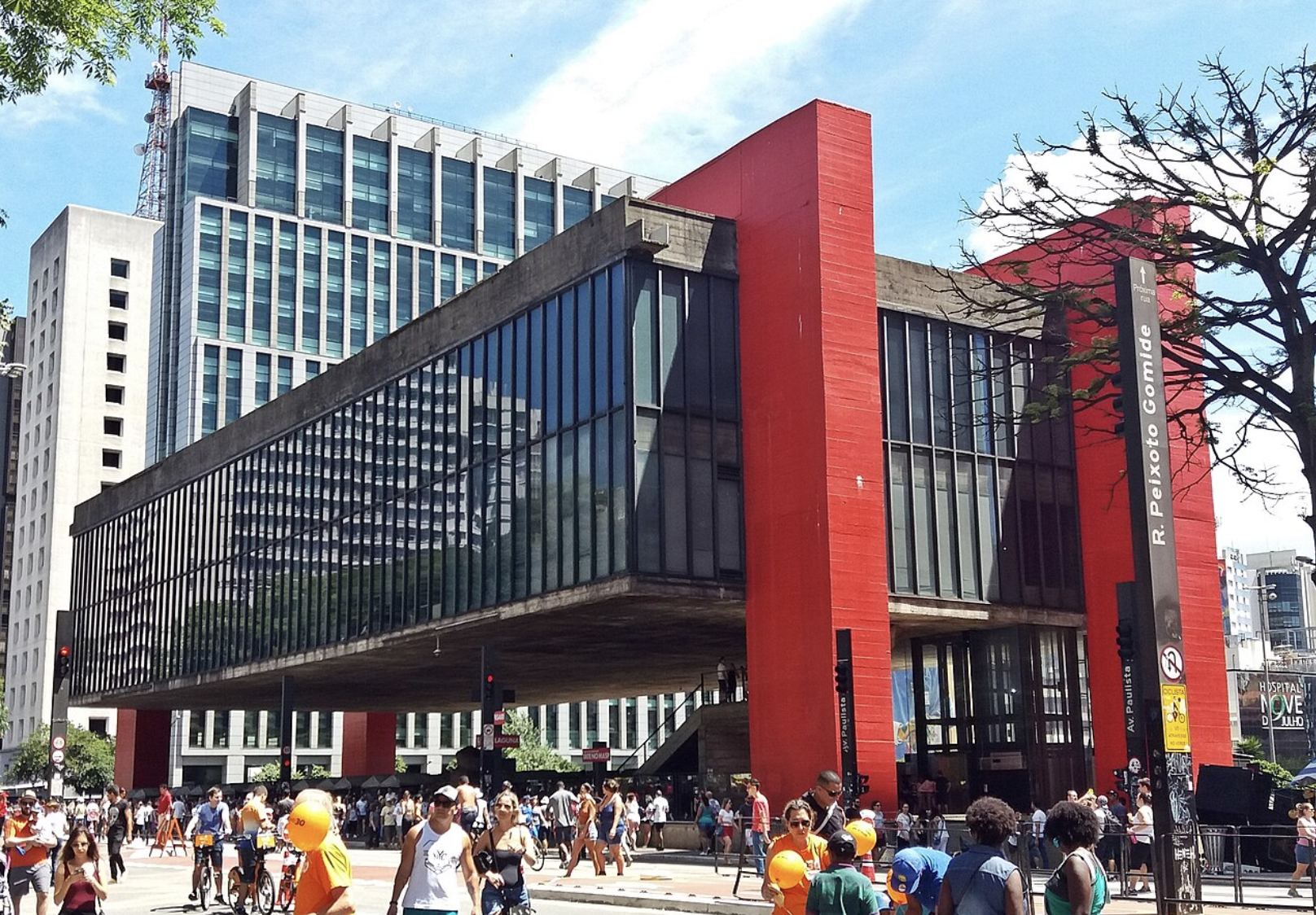
The São Paulo Museum of Art Theft
Thieves used a car jack and crowbar to break into MASP before dawn in 2007 and took Picasso's 'Portrait of Suzanne Bloch' and Portinari's 'O Lavrador de Café'. Both were recovered months later.

The Russborough House Robbery (1974)
In 1974 Rose Dugdale, an English heiress turned IRA militant, led a gang that stole nineteen paintings from the Beit collection to ransom for the release of republican prisoners. All were recovered within days.

The Bührle Collection Robbery
In one of Europe's largest art robberies, armed men walked into the Bührle museum in Zurich in 2008 and took four Impressionist and Post-Impressionist masterpieces. Most were recovered within years.

The Montreal Museum of Fine Arts Robbery
In 1972 thieves entered the Montreal Museum of Fine Arts through a skylight and took eighteen paintings, including a Rembrandt landscape. Almost all remain missing — Canada's largest art theft.

The Christ Church Picture Gallery Theft
In 2020 thieves broke into the Christ Church Picture Gallery in Oxford and took three Old Master paintings by Annibale Carracci, Salvator Rosa, and Anthony van Dyck. Two remain missing, one came back!
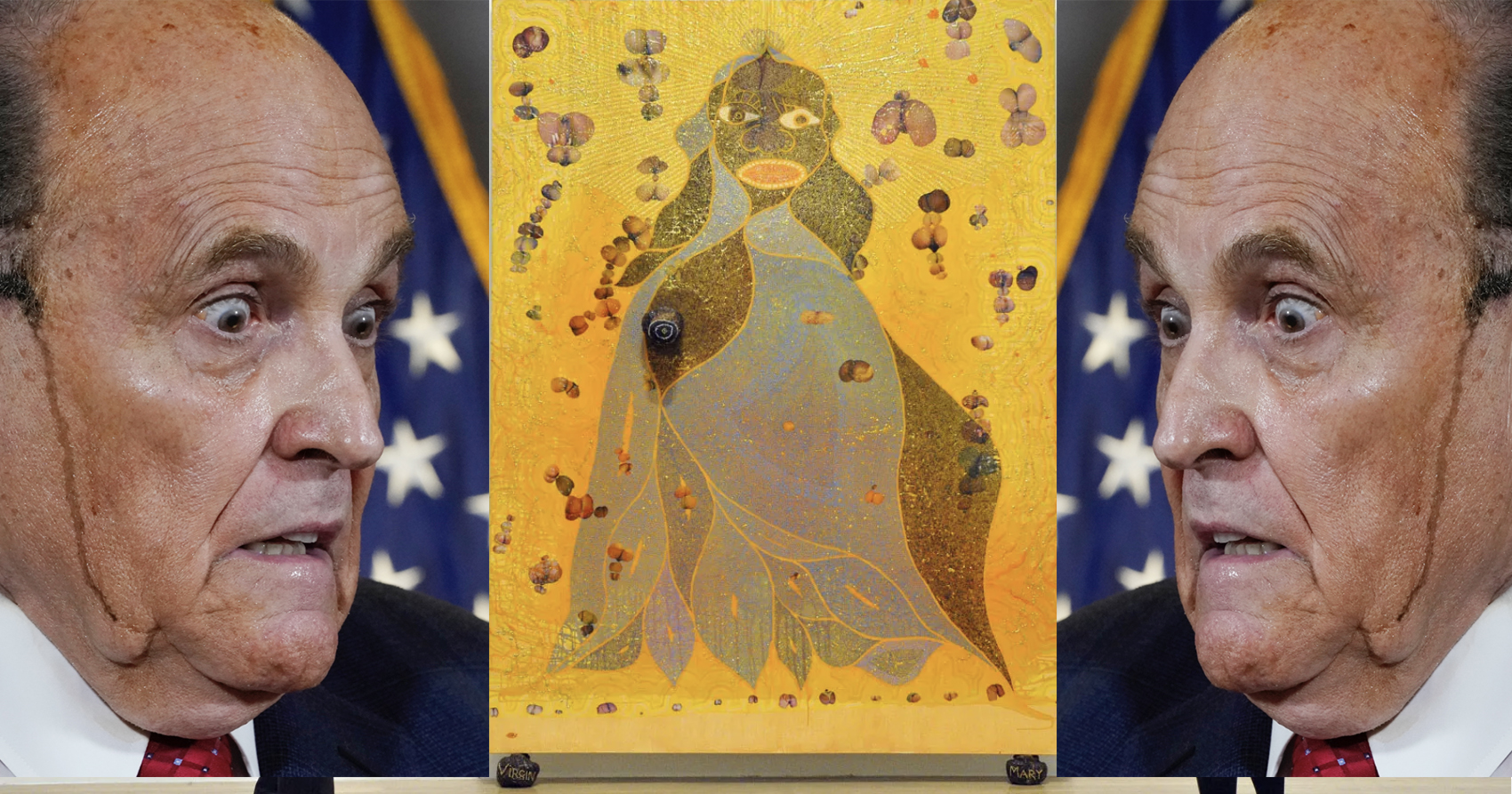
The Holy Virgin Mary and the Brooklyn Museum
When Chris Ofili's 'The Holy Virgin Mary', incorporating elephant dung, appeared in the 1999 'Sensation' show, Mayor Rudy Giuliani moved to cut the Brooklyn Museum's funding and evict it. A federal court sided with the museum.

Van Meegeren's Vermeer Forgeries
Han van Meegeren painted 'lost' Vermeers so convincing that they entered major collections — and one reached Hermann Göring. Accused of selling a national treasure to the enemy, he confessed to the greater crime of forgery.

Han van Meegeren
The most celebrated forger of the twentieth century, van Meegeren deceived critics and collectors with 'newly discovered' Vermeers. When one of his forgeries was traced to Hermann Göring, he was charged with collaboration — and confessed to forgery to save himself from a treason charge, painting a Vermeer in front of the court to prove his skill.

Vincenzo Peruggia
An Italian handyman and former Louvre employee who, in 1911, walked out of the museum with the Mona Lisa concealed beneath his workman's smock. He kept the painting in his Paris apartment for over two years, claiming a patriotic desire to return it to Italy. His attempt to sell it to a Florentine dealer led to his arrest and to the theft that made the Mona Lisa the most famous painting in the world.

Wolfgang Beltracchi
Beltracchi produced hundreds of paintings 'in the style of' early-modern masters such as Max Ernst and Heinrich Campendonk, inventing a fictitious collection and forging provenance to authenticate them. His downfall came from an anachronistic tube of titanium white. His case forced the art market to confront the fragility of connoisseurship and provenance.

Stéphane Breitwieser
Stéphane Breitwieser (born 1971) is widely regarded as the most prolific art thief in modern history. Between 1994 and 2001, the Frenchman stole more than 300 works of art from approximately 200 museums, galleries, churches, and castles across Europe, amassing an estimated collection worth between $1.4 and $2 billion. Unlike nearly every other notorious art thief, Breitwieser wasn't motivated by money. He never worked for organized crime, never accepted commissions from wealthy collectors, and almost never sold what he stole. Instead, he stole simply because he wanted to live surrounded by great art. Breitwieser and his girlfriend, Anne-Catherine Kleinklaus, targeted small museums with minimal security. While she acted as a lookout, he quietly removed paintings, sculptures, clocks, ivory carvings, and other treasures before calmly walking out the front door. His methods were remarkably simple: no weapons, no violence, no smashed display cases — just confidence, patience, and an eye for vulnerable institutions. After each theft, Breitwieser brought the works to his mother's attic in Mulhouse, France, where he transformed the space into a secret private museum. He spent hours admiring the collection, arranging and rearranging masterpieces by artists including Brueghel, Cranach, Watteau, and Boucher. His obsession was with possession, not profit. His extraordinary run ended in 2001 after he stole a medieval hunting horn from the Richard Wagner Museum in Switzerland. A museum employee noticed the theft almost immediately, and police arrested him before he could escape. As investigators closed in on the hidden collection, Breitwieser's mother, fearing a police search, destroyed many of the stolen works — cutting paintings, smashing sculptures, and disposing of priceless objects in canals and garbage bins. The destruction of these irreplaceable artworks remains one of the greatest cultural losses associated with the case. Breitwieser's story is chronicled in Michael Finkel's bestselling book 'The Art Thief', which explores the psychology of a man who saw himself less as a criminal than as a passionate collector. His crimes continue to spark debate among criminologists, museum professionals, and art historians: was he an obsessive aesthete, a compulsive thief, or simply a criminal who happened to have exquisite taste? For followers of Crimes of Art, Breitwieser represents a rare kind of art criminal. He didn't steal for wealth or notoriety — he stole for beauty. His story challenges conventional ideas about motive, ownership, and the lengths to which one person will go to possess the world's greatest works of art.
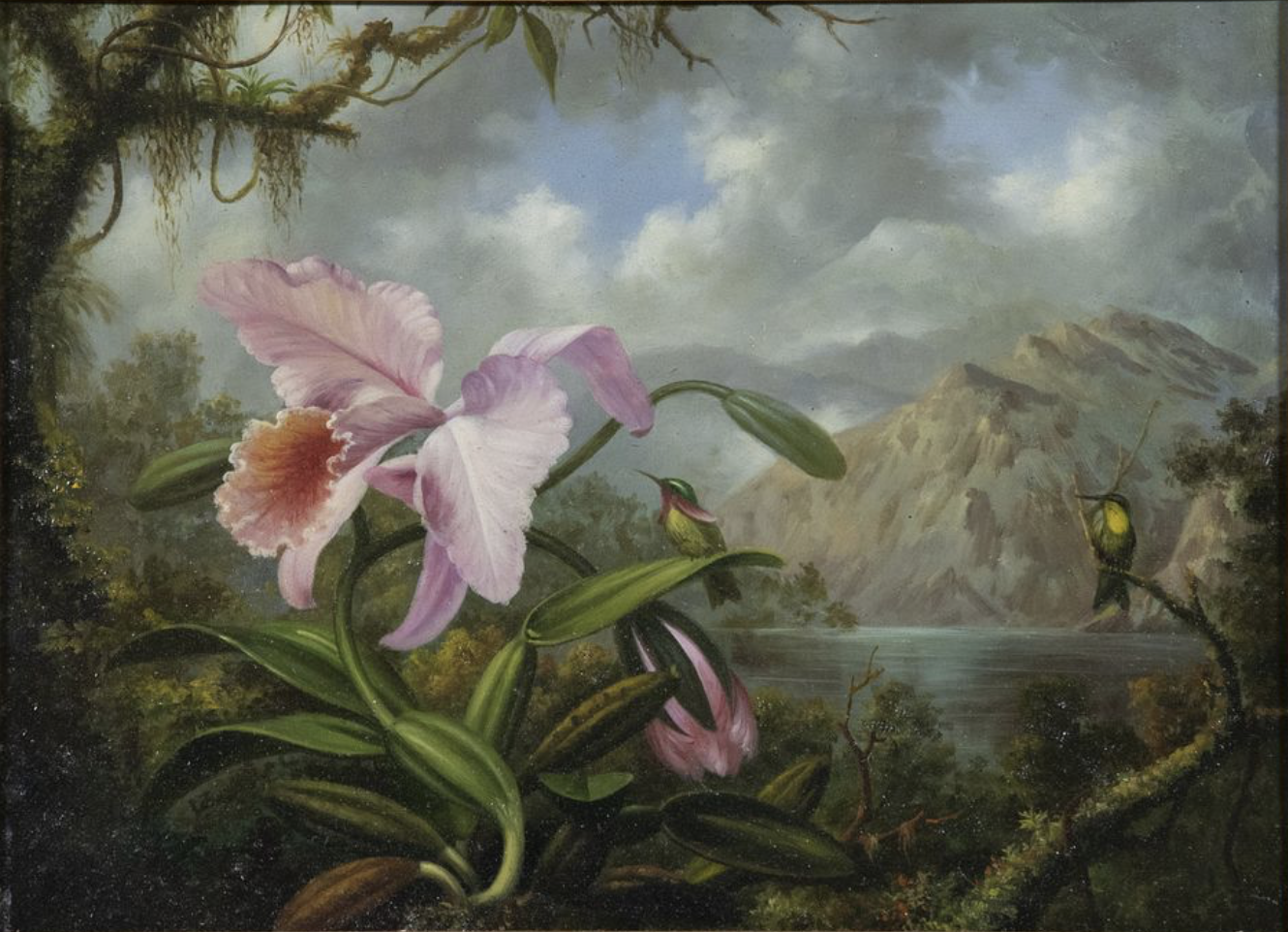
Ken Perenyi Master Forger
America's most prolific art forger, Perenyi spent some thirty-four years producing thousands of convincing 'antique' paintings in the manner of nineteenth-century American masters like Martin Johnson Heade and James E. Buttersworth, and British marine and sporting painters such as John F. Herring. His fakes moved through Christie's and Sotheby's — one Heade sold for $717,000 — until a five-year FBI investigation closed in on him in the late 1990s. He was never charged; the statute of limitations expired. In 2012 he told all in his memoir 'Caveat Emptor' and now sells his work openly as signed reproductions.
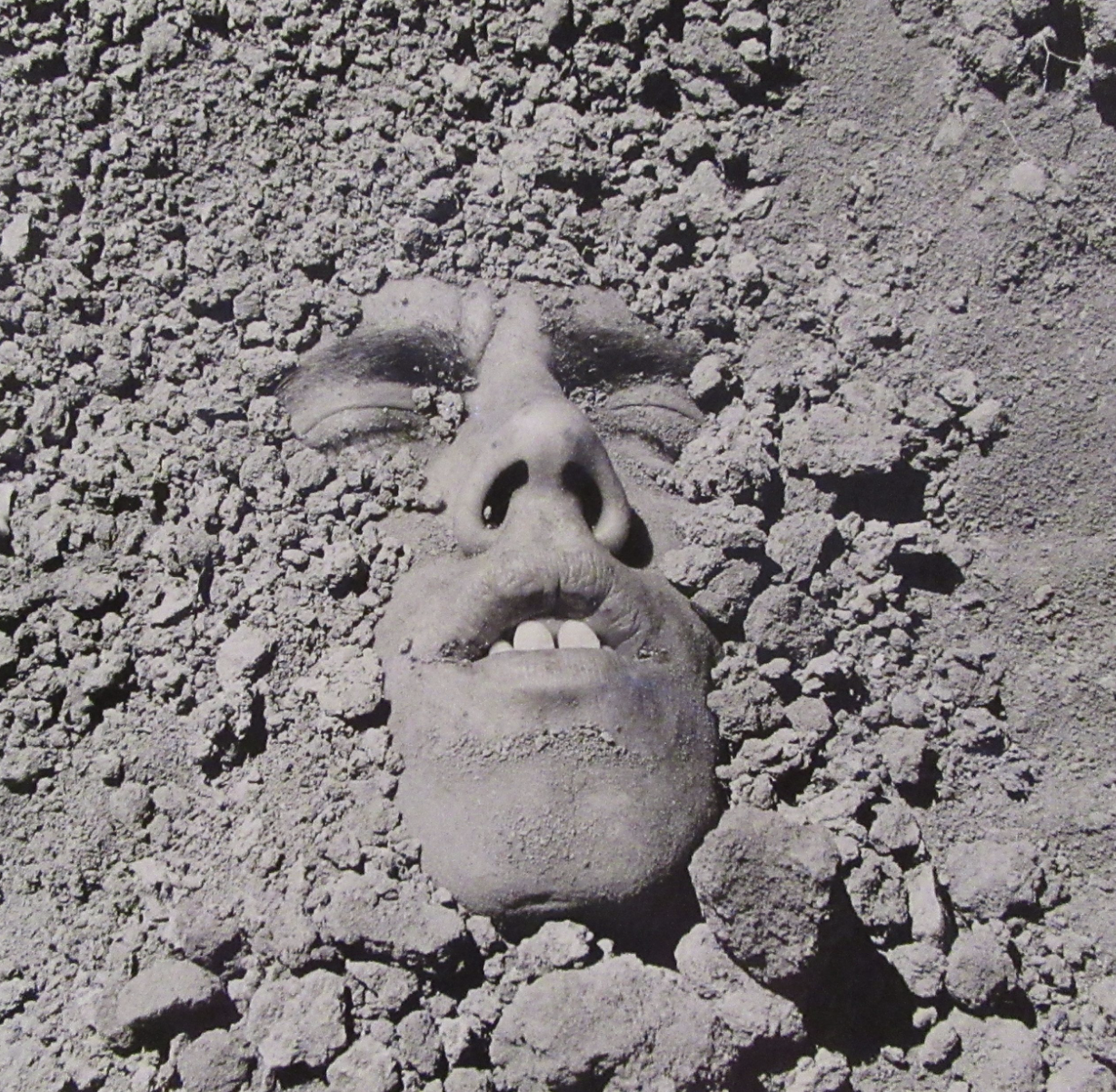
David Wojnarowicz
David Wojnarowicz (1954–1992) was an American artist, writer, filmmaker, photographer, and AIDS activist whose work became one of the most powerful artistic indictments of censorship, government neglect, and social injustice in the late twentieth century. Raised amid poverty and abuse before spending time homeless and hustling on the streets of New York, Wojnarowicz transformed his experiences on society's margins into a fiercely original body of work that blended painting, photography, collage, film, performance, and autobiographical writing. A central figure of New York's East Village art scene in the 1980s, he believed art should confront power rather than comfort it. For followers of Crimes of Art, Wojnarowicz occupies a unique place where art, censorship, and the law collide. His work challenged institutions ranging from the National Endowment for the Arts to conservative political organizations during the height of America's culture wars. In 1990, he successfully sued the American Family Association after it distributed altered excerpts of his work to portray him as obscene, winning a landmark case that affirmed artists could fight back against the deliberate misrepresentation of their work. His art was inseparable from activism. Following his HIV diagnosis in 1988 and the death of his mentor and partner, photographer Peter Hujar, Wojnarowicz produced emotionally charged works condemning the U.S. government's indifference to the AIDS epidemic. Images of burning maps, falling buffalo, houses in flames, stitched mouths, and fragmented bodies became symbols of a society abandoning its most vulnerable citizens. His memoir 'Close to the Knives' remains one of the defining literary accounts of the AIDS crisis and artistic resistance. Even after his death from AIDS-related illness in 1992 at the age of thirty-seven, controversy continued to follow his work. In 2010, the Smithsonian Institution removed his short film 'A Fire in My Belly' from an exhibition after political pressure from conservative groups over a brief scene depicting ants crawling across a crucifix. The incident reignited a national debate over artistic freedom, censorship, religion, and public funding for the arts, cementing Wojnarowicz's legacy as an artist whose work continued to challenge authority long after his death. Today, David Wojnarowicz is recognized as one of the most influential American artists of his generation. His work can be found in the collections of the Museum of Modern Art, the Whitney Museum of American Art, and major institutions worldwide. More than three decades after his death, his uncompromising vision continues to inspire artists, activists, and anyone interested in the uneasy relationship between creativity, power, and the law.
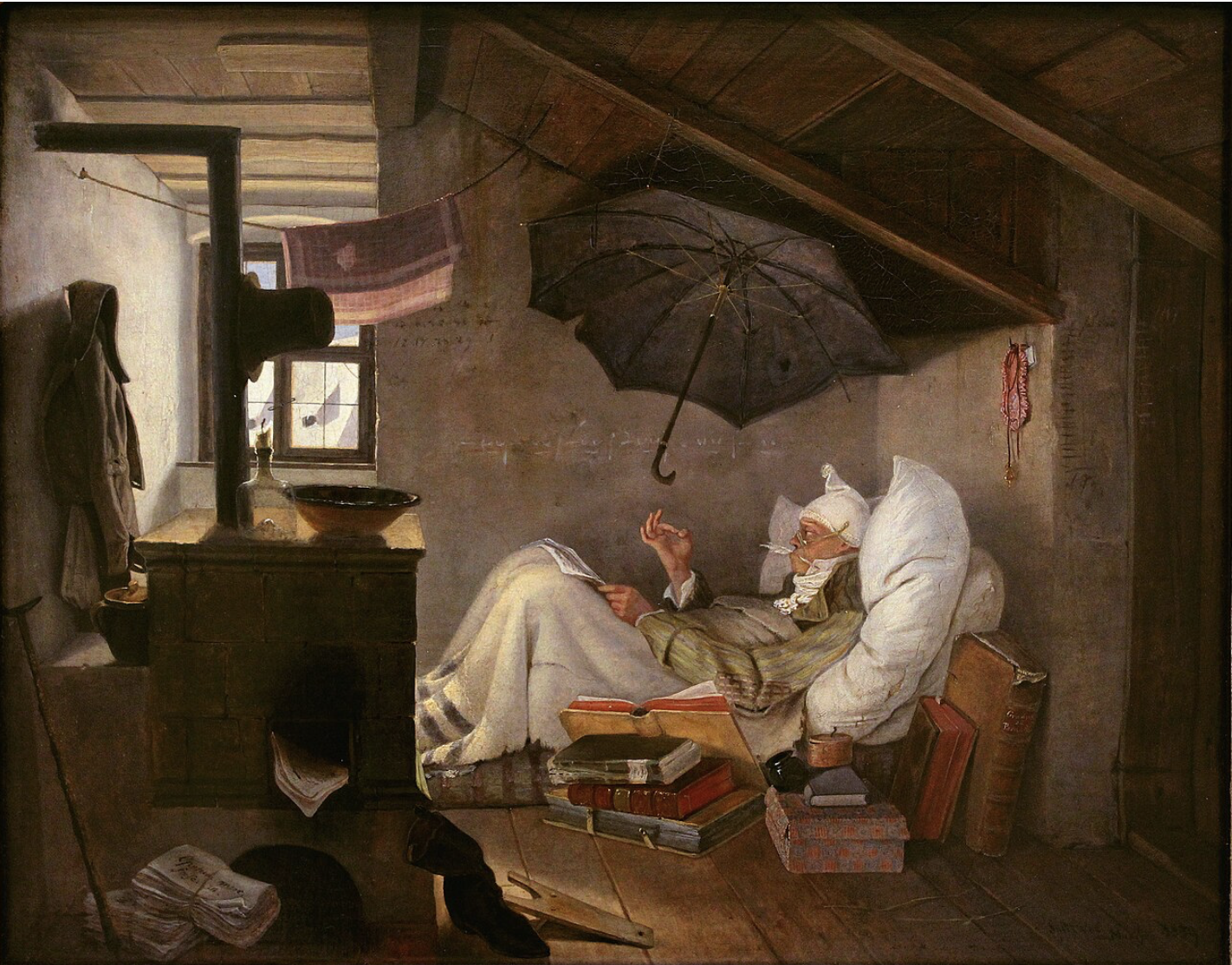
Ulay (Frank Uwe Laysiepen)
A pioneering German performance artist, best known for his long collaboration and relationship with Marina Abramović. Before that partnership, Ulay staged one of the most audacious works in the history of art crime: in 1976 he walked into a Berlin museum, stole a beloved painting, and rehung it in the home of a working-class immigrant family as a live artwork about ownership, value, and belonging.
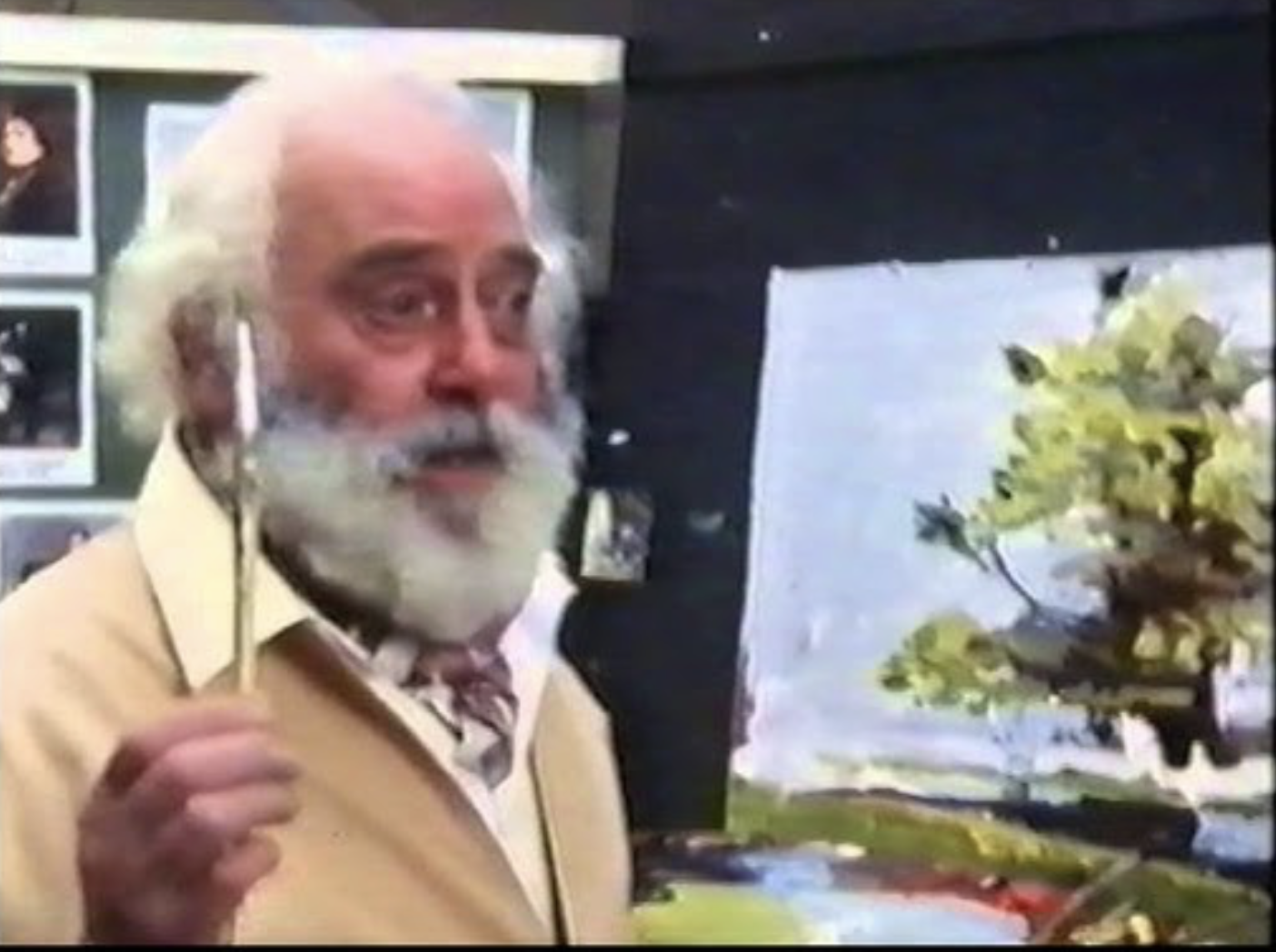
Tom Keating
British art restorer who claimed to have faked more than 2,000 paintings by over 100 artists as a protest against a market that exploited artists. He planted deliberate 'time bombs' — anachronisms and hidden messages — in his fakes, and after his 1977 trial collapsed he became a popular television personality.
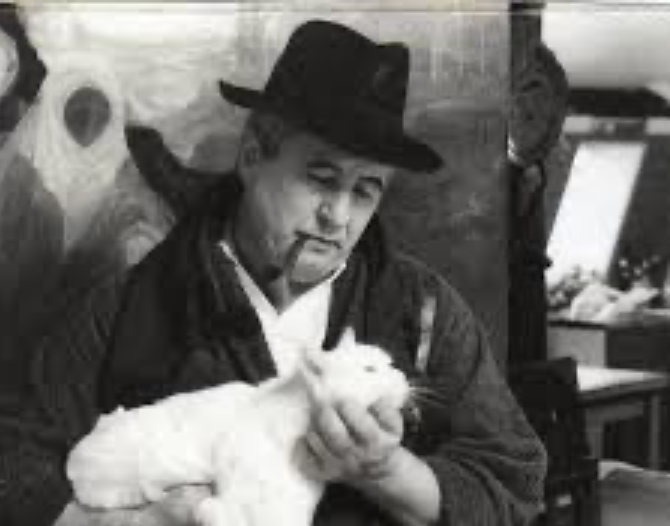
Guy Ribes
French forger who produced thousands of convincing fakes attributed to Chagall, Picasso, Renoir, Matisse, and others, many of which still circulate with false certificates. After serving prison time he went straight, later painting the on-screen artworks for the film 'Renoir'.
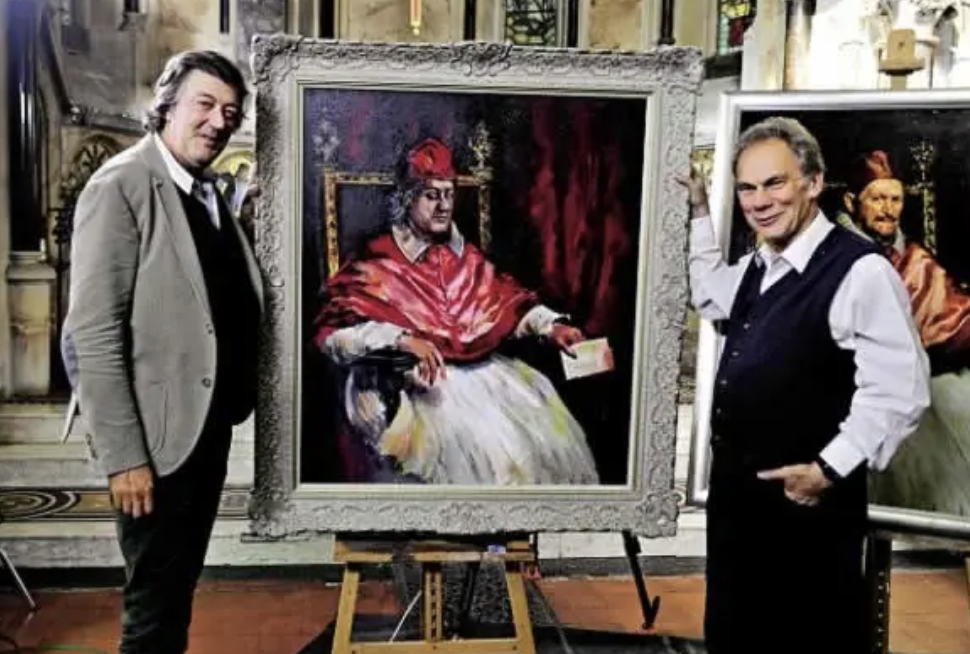
John Drewe
British con man behind one of the most damaging art frauds in history. Rather than forge paintings himself, he forged their provenance — infiltrating archives at the Tate and Victoria and Albert Museum to insert fake documents that authenticated works painted by John Myatt. He was convicted in 1999; many of the falsified records remain undetected.
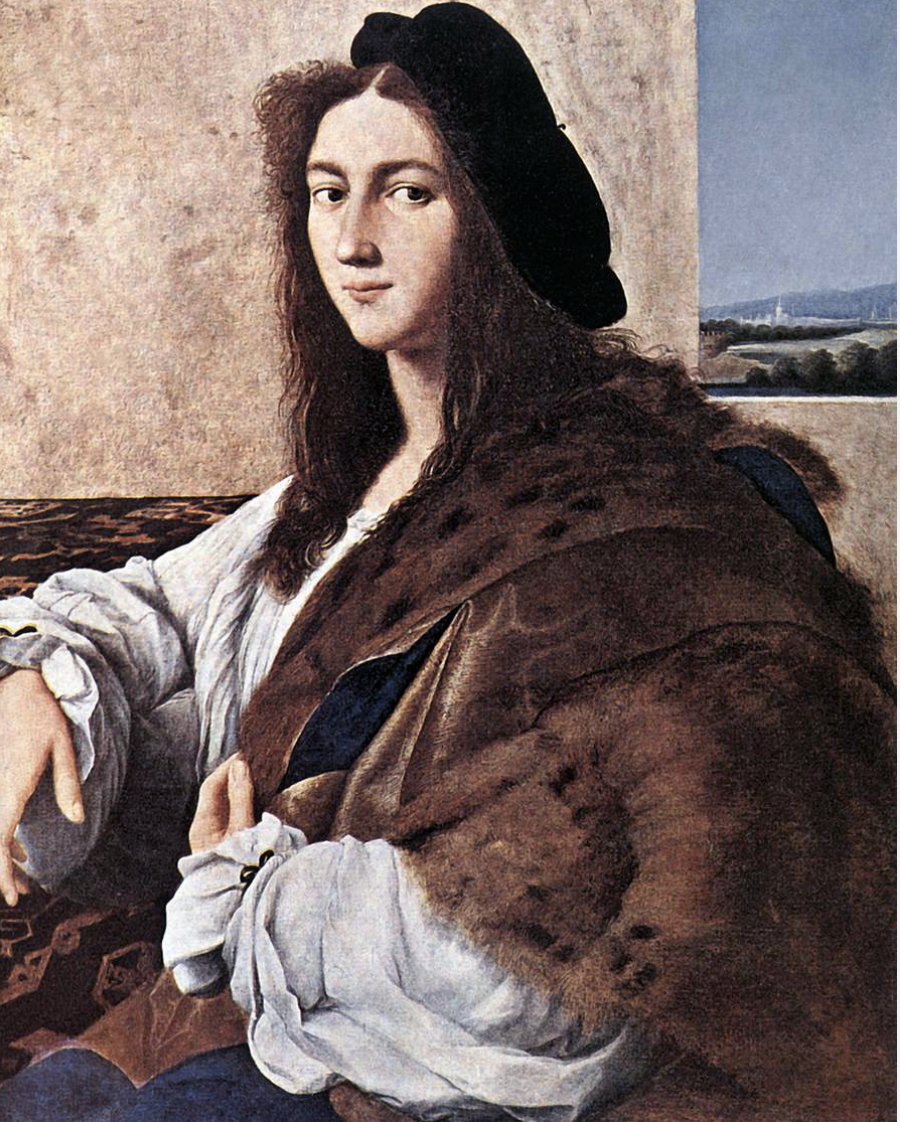
Portrait of a Young Man
Widely considered the most important painting still missing since the Second World War. Looted by the Nazis from Poland's Czartoryski collection and last seen in 1945. Known today mainly from a pre-war photograph.

Impression, Sunrise
The painting that gave Impressionism its name, stolen at gunpoint from the Marmottan in 1985 and recovered in Corsica in 1990.

Mona Lisa
Leonardo's enigmatic portrait, likely of Lisa Gherardini. Its 1911 theft — and the two years it spent missing — turned a well-regarded Renaissance panel into the most recognized painting on earth.
Nativity with St. Francis and St. Lawrence
Caravaggio's late altarpiece, cut from its frame in a Palermo oratory in 1969 and long linked to the Sicilian Mafia. One of the most-wanted missing paintings in the world.
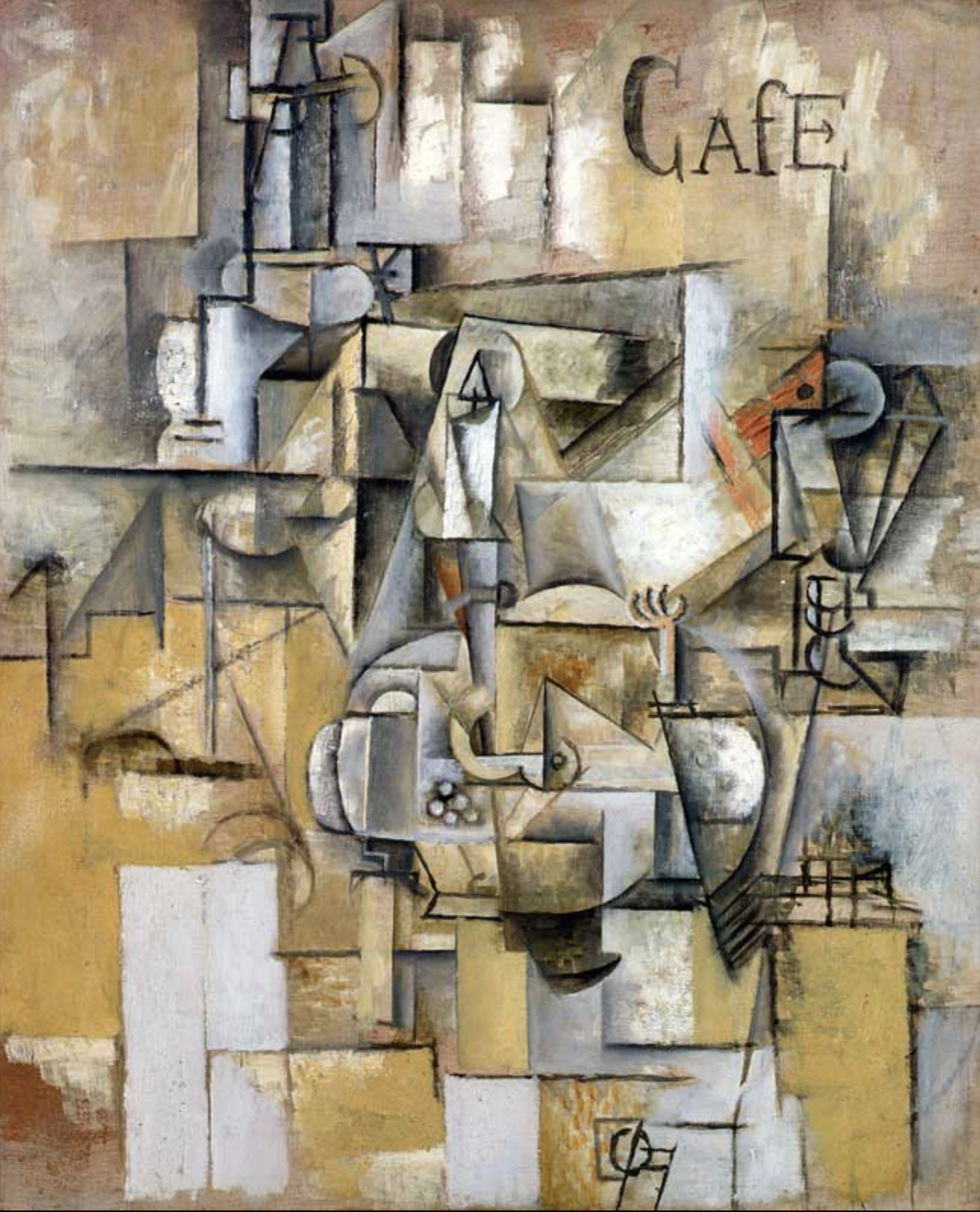
Le Pigeon aux Petits Pois
A Cubist Picasso among the five works taken in the 2010 Musée d'Art Moderne de Paris theft. The thief later claimed the paintings were destroyed.

Two Laughing Boys with a Mug of Beer
A Frans Hals painting so frequently stolen — in 1988, 2011, and 2020 — that it rivals the Dulwich Rembrandt for the title of most-stolen artwork. Recovered each time.
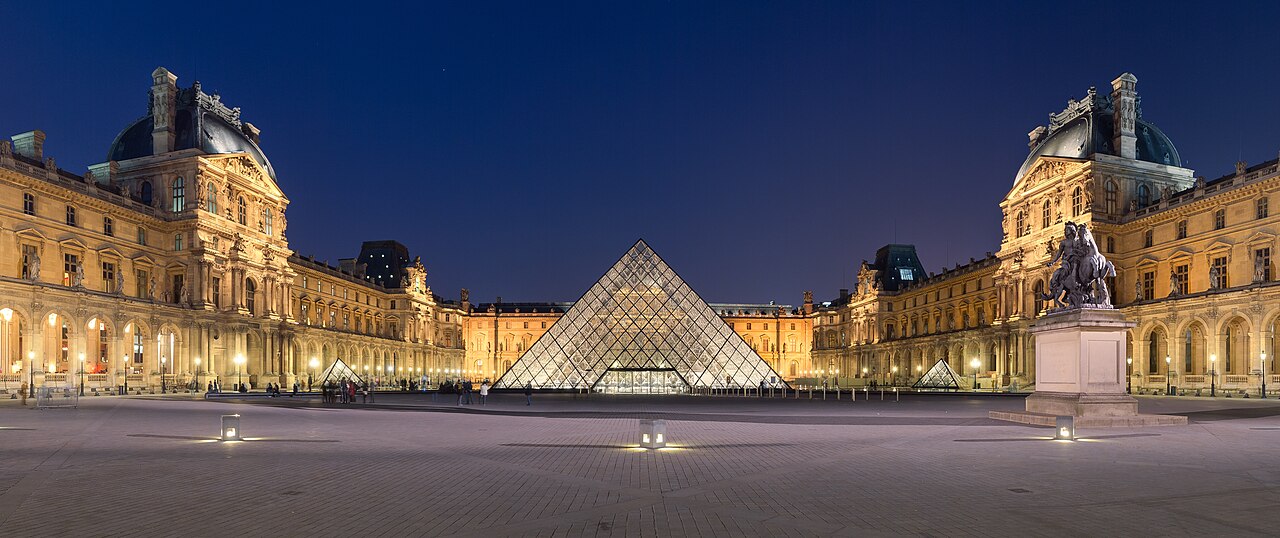
The Louvre
The world's most visited museum, the Louvre has been both a target and a fortress of cultural heritage. Its 1911 loss of the Mona Lisa transformed the painting into a global icon and reshaped museum security forever.

Musée Marmottan Monet
Holder of the world's largest Monet collection, robbed at gunpoint in 1985 of the painting that named Impressionism.

Van Gogh Museum
The world's largest Van Gogh collection, robbed of two early paintings in a 2002 rooftop break-in.
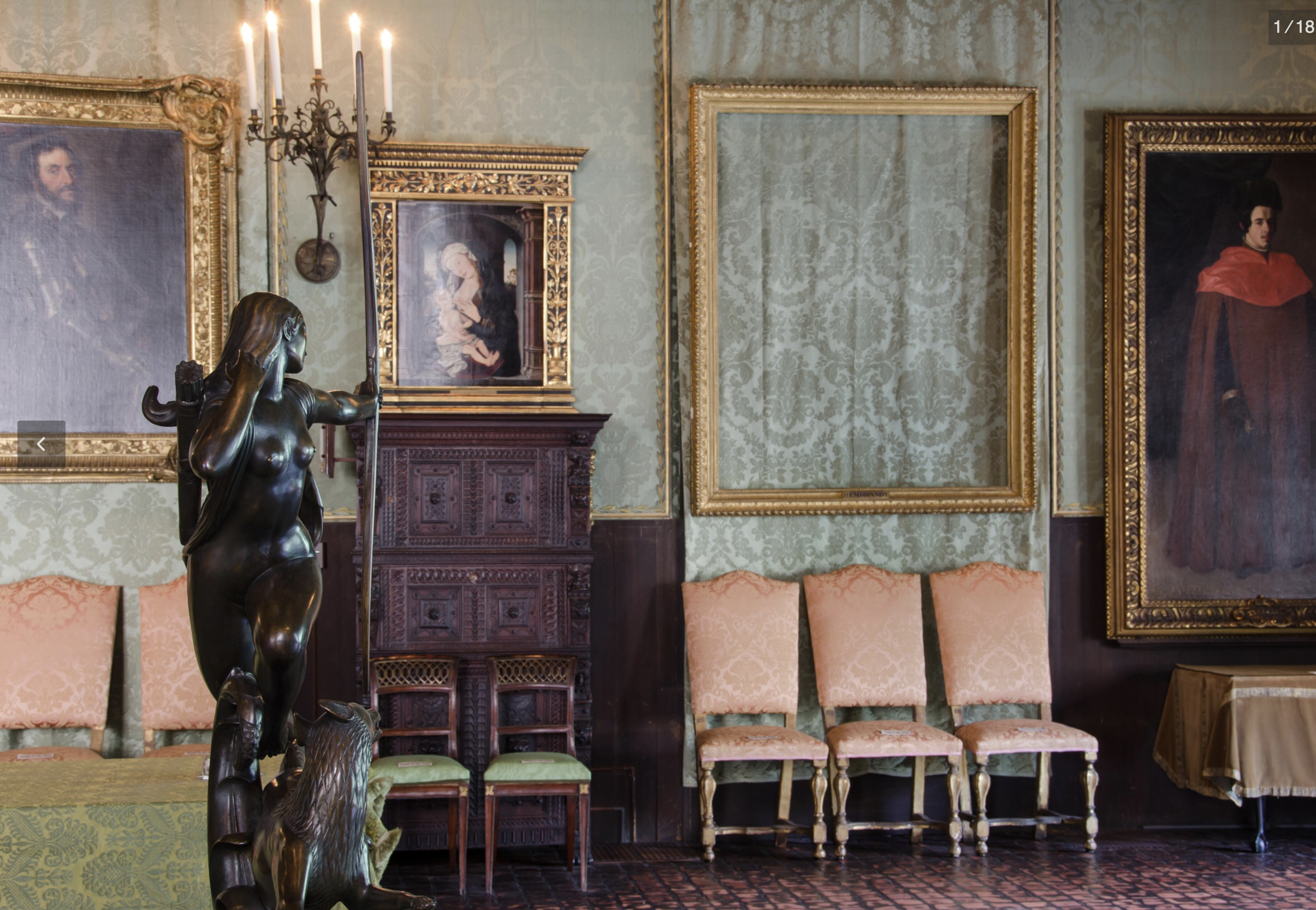
Three Decades On, the Gardner Reward Still Stands at $10 Million
The museum reaffirms its offer as investigators mark another anniversary of the unsolved 1990 heist.
Louvre Heist Update: Mastermind Reportedly Told Crew They “Could Have Taken More”
Newly released suspect statements describe a post-heist “performance review” from an unidentified organizer known only as “Jo” — who thought the crew left valuable pieces behind.
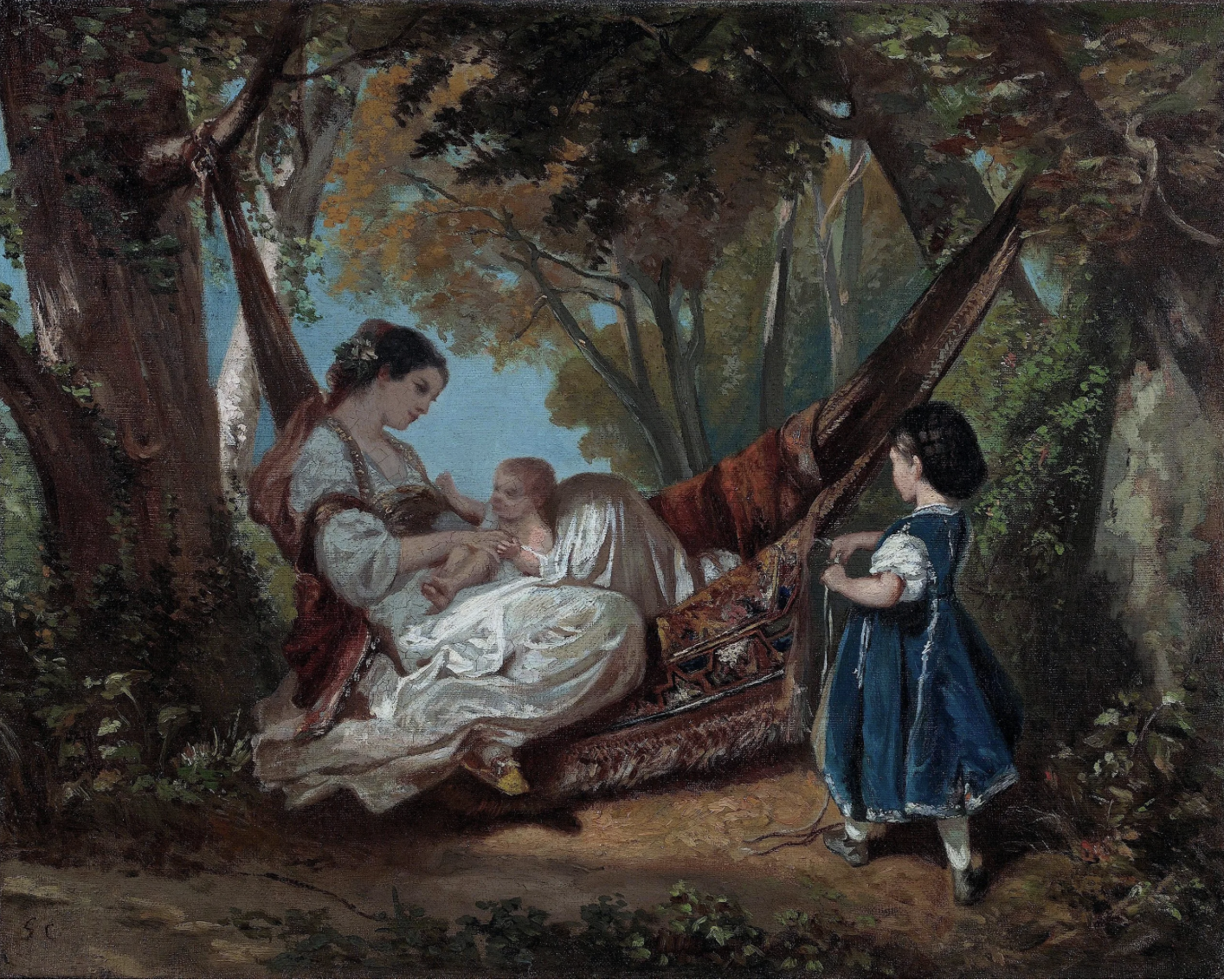
Double Crossed Corbet
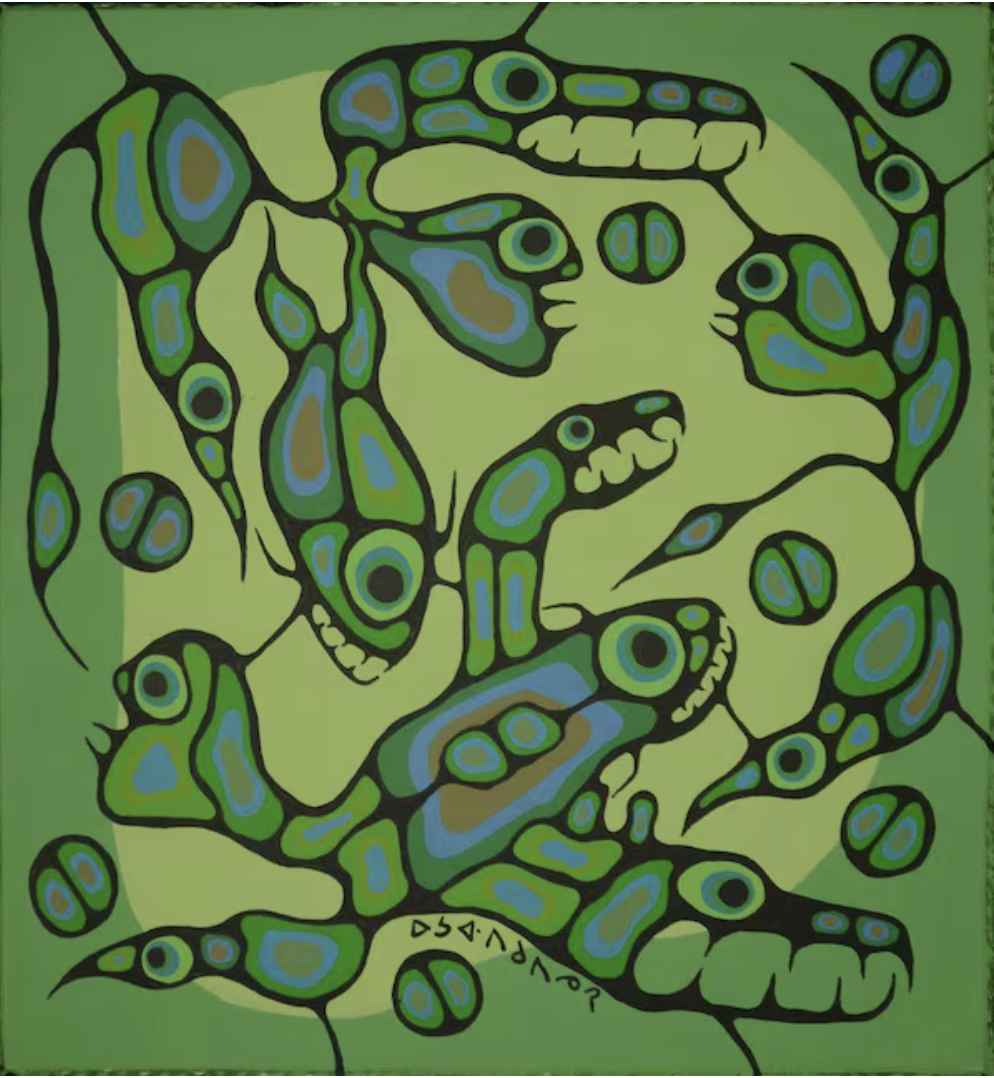
The Fakes Fight Back!
More than 50 counterfeit Norval Morrisseau paintings have been permanently removed from the market—but experts say thousands are still out there.

Father Daughter Forger Family's 2mil hobby
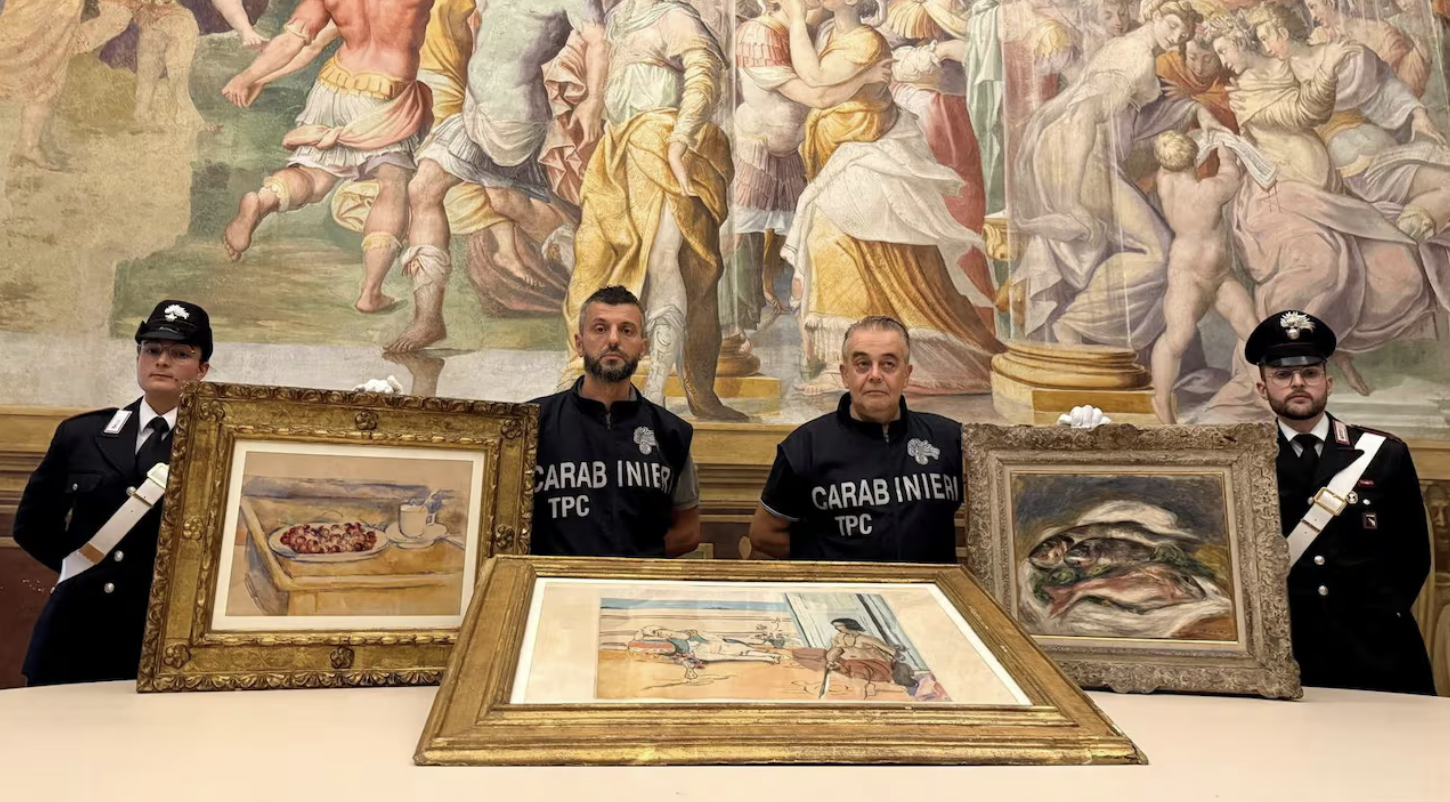
Parma-geddon Averted: The Carabinieri Bring Three Masterpieces Home
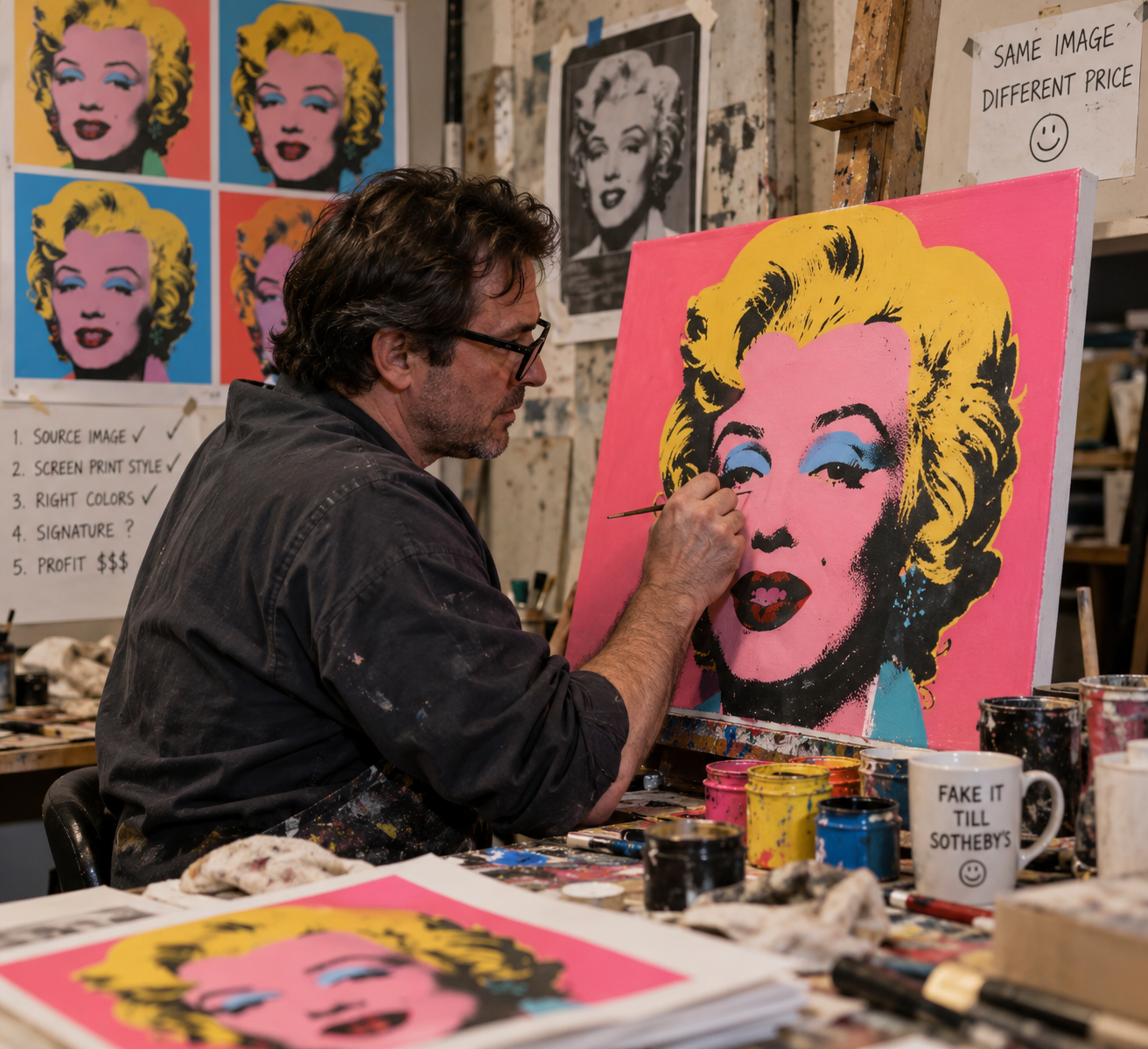
Warhol Collectors Get Bitten By The Dane!
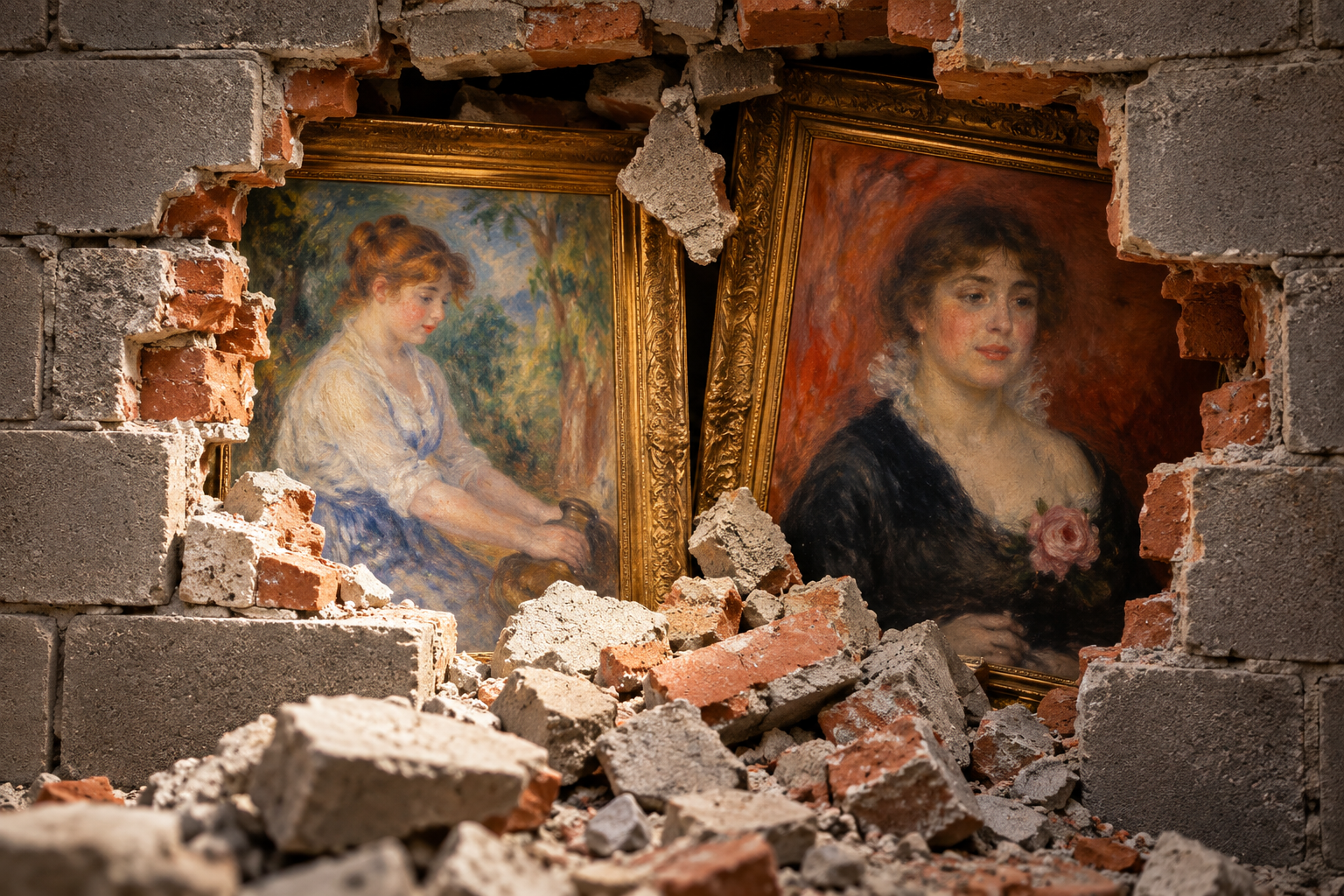
Renoir's Recovered!: Bricked-Up Beauties & Bungling Burglars
Two stolen Renoirs, a cinderblock wall, and a trail of DNA. French police have recovered $4.7 million worth of Paintings. The works (and the thieves’ getaway plan) had a few holes in them.
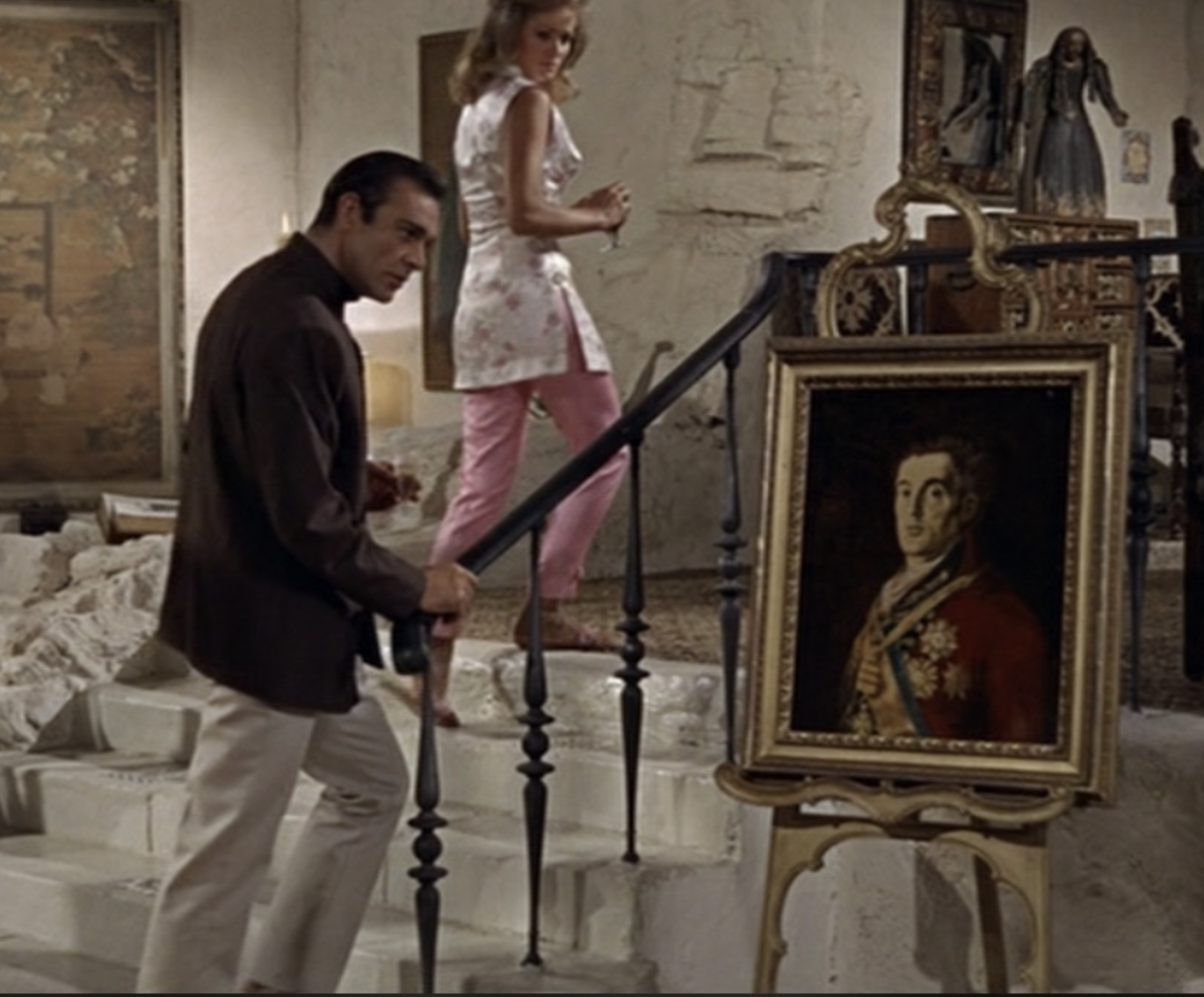
So You Stole a Masterpiece. Now What?
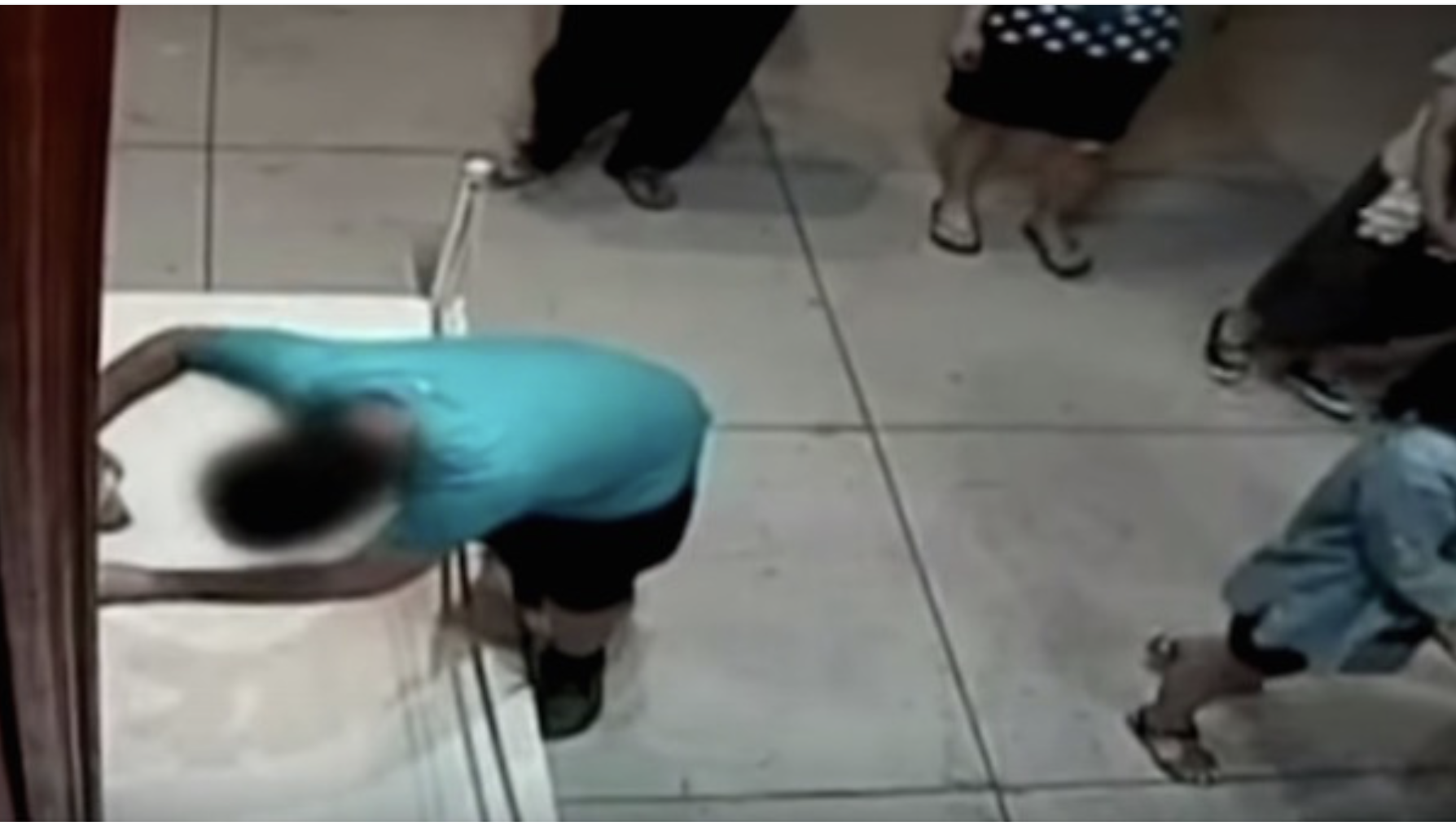
A Child, a Canvas, and a Very Bad Afternoon
Every guard's nightmare: an unsupervised child, a moment of momentum, and a hole punched clean through a priceless modern painting.
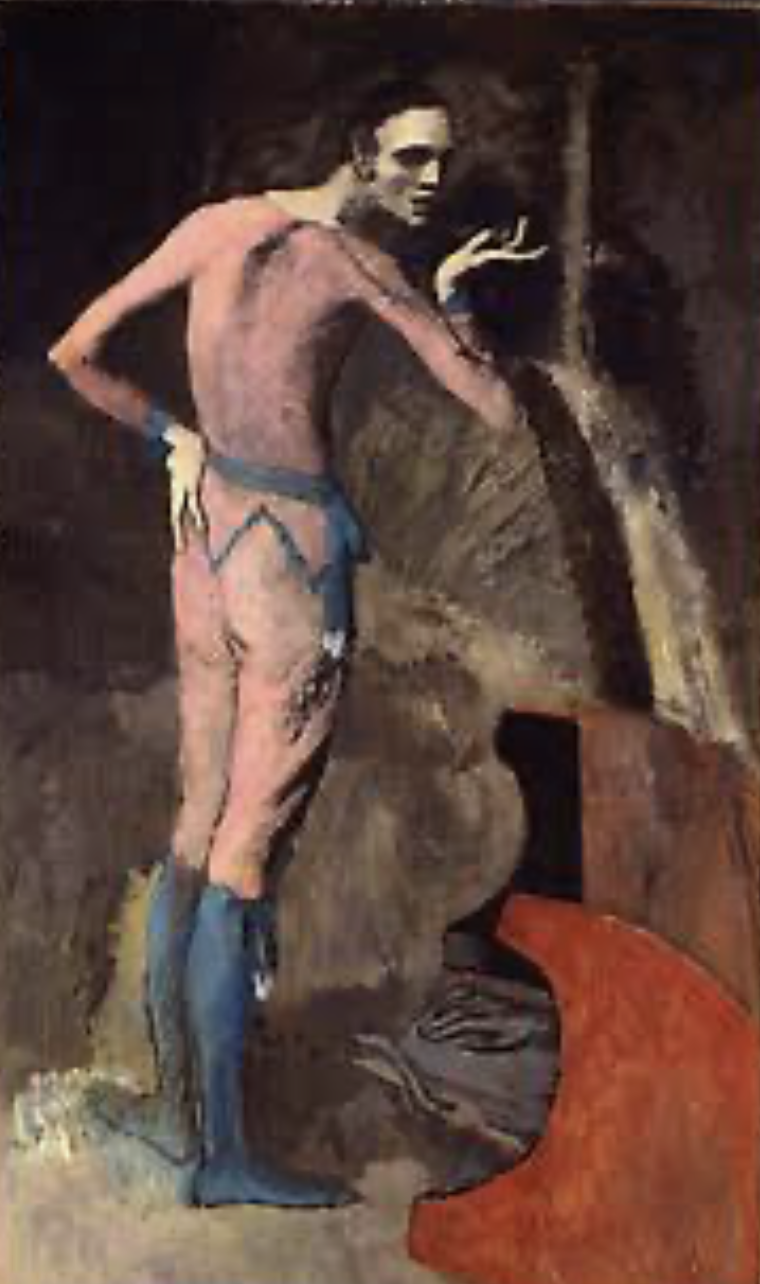
The Visitor Who Fell Into a Picasso
During an adult education class at the Met, a woman lost her balance and fell directly into Picasso's 'The Actor', opening a six-inch tear in the lower canvas.

The Bored Guard Who Gave a Painting Eyes
On his very first day, a security guard grew bored and drew two pairs of eyes in ballpoint pen on the faceless figures of Anna Leporskaya's avant-garde painting 'Three Figures'.

The Carmen Tisch Incident
In a single visit, an intoxicated Carmen Tisch allegedly punched, scratched, and slid her butt against a Clyfford Still painting valued in the tens of millions — and, prosecutors said, may have urinated on it (though she reportedly missed).
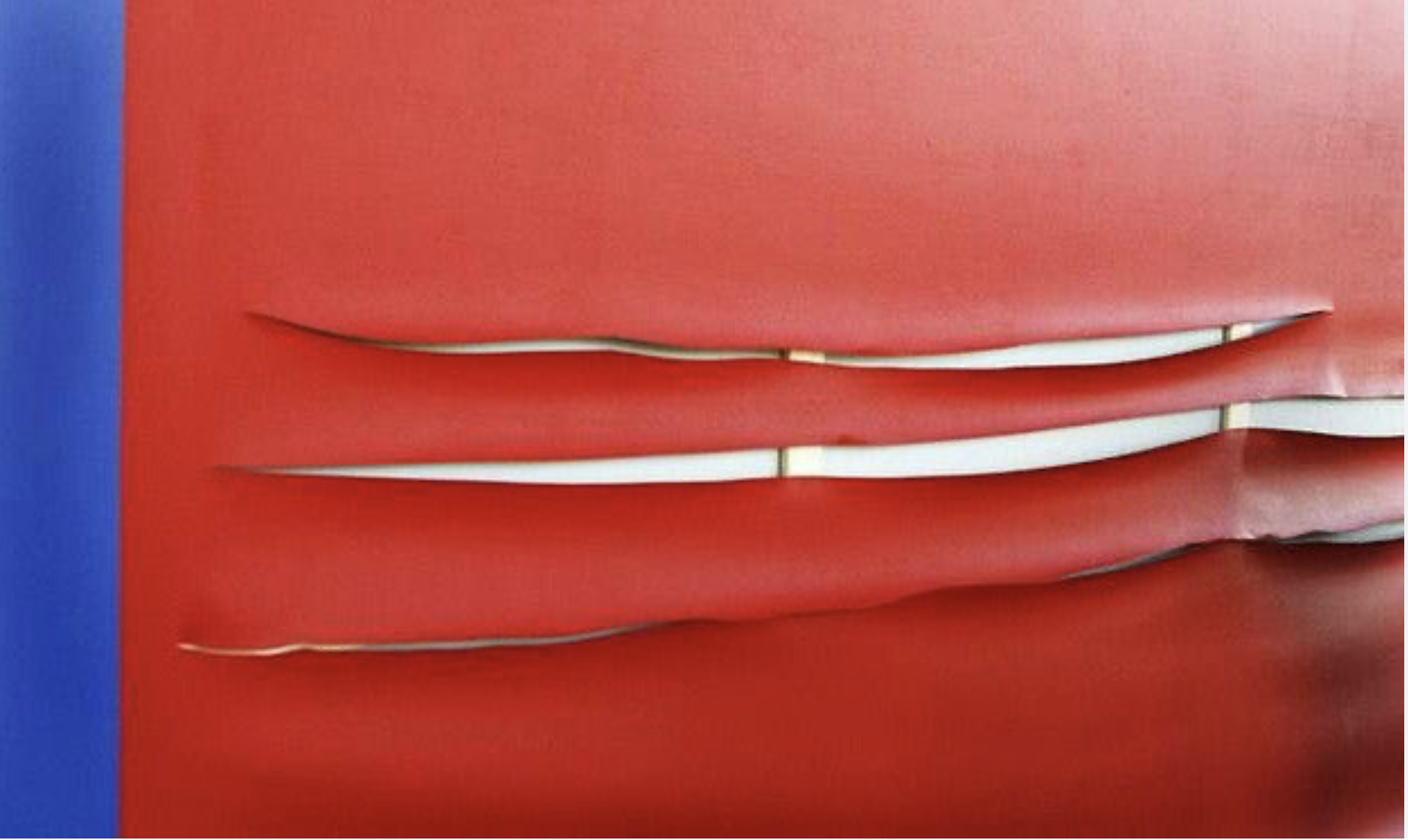
Who's Afraid of a Red, Yellow and Boxcutter
Dutch painter Gerard Jan van Bladeren slashed Barnett Newman's monumental 'Who's Afraid of Red, Yellow and Blue III' dozens of times — and its controversial restoration was later attacked as more damaging than the knife.
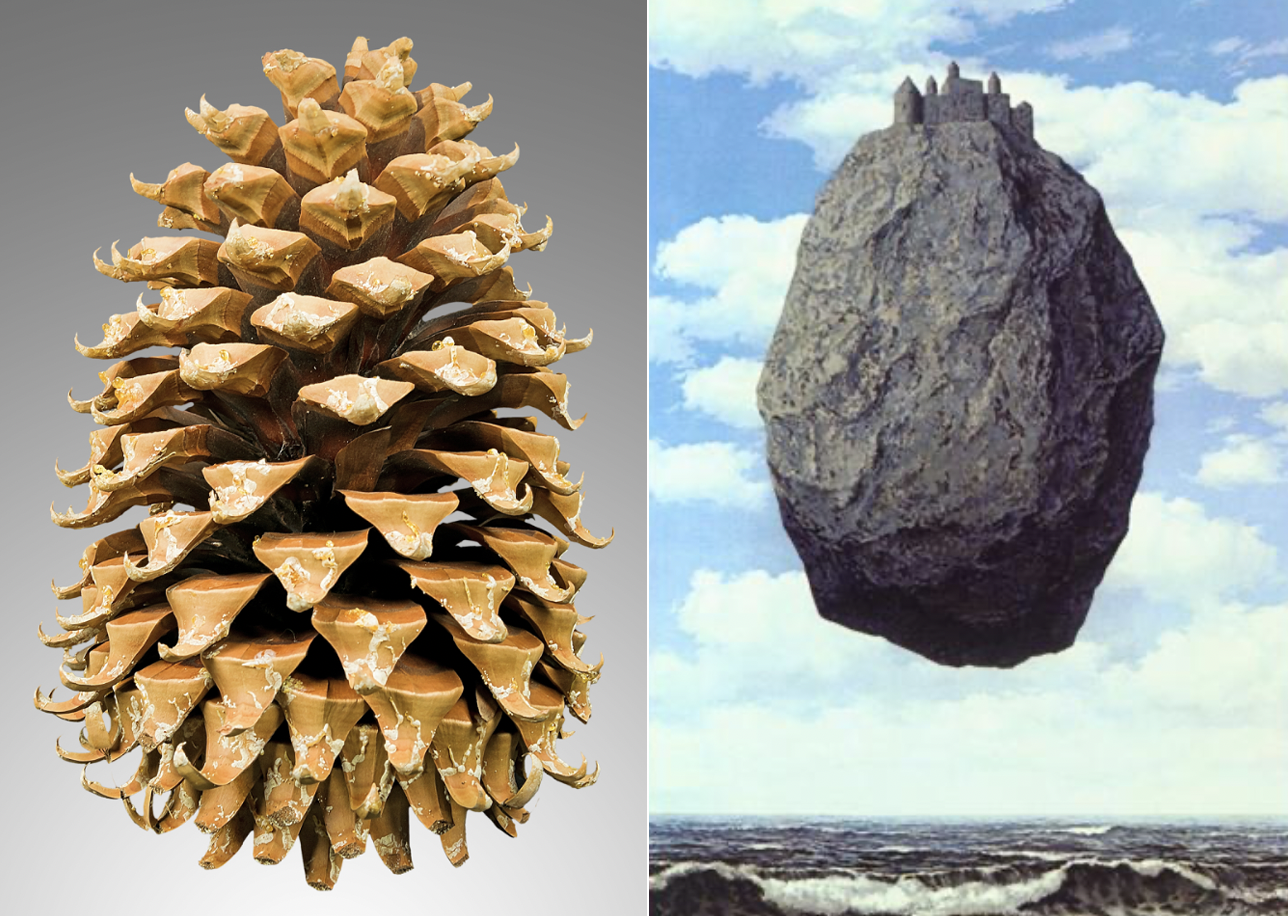
The Pine Cone vs. the Floating Boulder
A young visitor reportedly carried a pine cone in from the museum garden and accidentally punctured René Magritte's 'The Castle of the Pyrenees', one of Surrealism's most celebrated images.

Serial Vandal Meets the Renaissance
In April 1988 a serial vandal Hans-Joachim Bolhmann hurled sulfuric acid at Albrecht Dürer's 'Mater Dolorosa', a central panel of the Seven Sorrows Polyptych, permanently damaging parts of the 500-year-old work.

The Princess, the Madonna, and a Wild Water Fight
A 19-year-old man allegedly hurled water at two centuries-old paintings — Ingres' 'The Princesse de Broglie' and Girolamo dai Libri's 'Madonna and Child with Saints' — and tore tapestries from the walls during a bizarre outburst at the Met.

When Columbus Met Climate Activism
Two activists from Futuro Vegetal threw biodegradable red paint at José Garnelo's 1892 'First Tribute to Christopher Columbus' before unfurling banners protesting Spain's National Day.

Pink Paint and a Canadian Masterpiece
A protester from Last Generation Canada threw bright pink paint toward Helen McNicoll's 'Sunny September', declaring the aim was not to destroy art but to protect the future it represents.